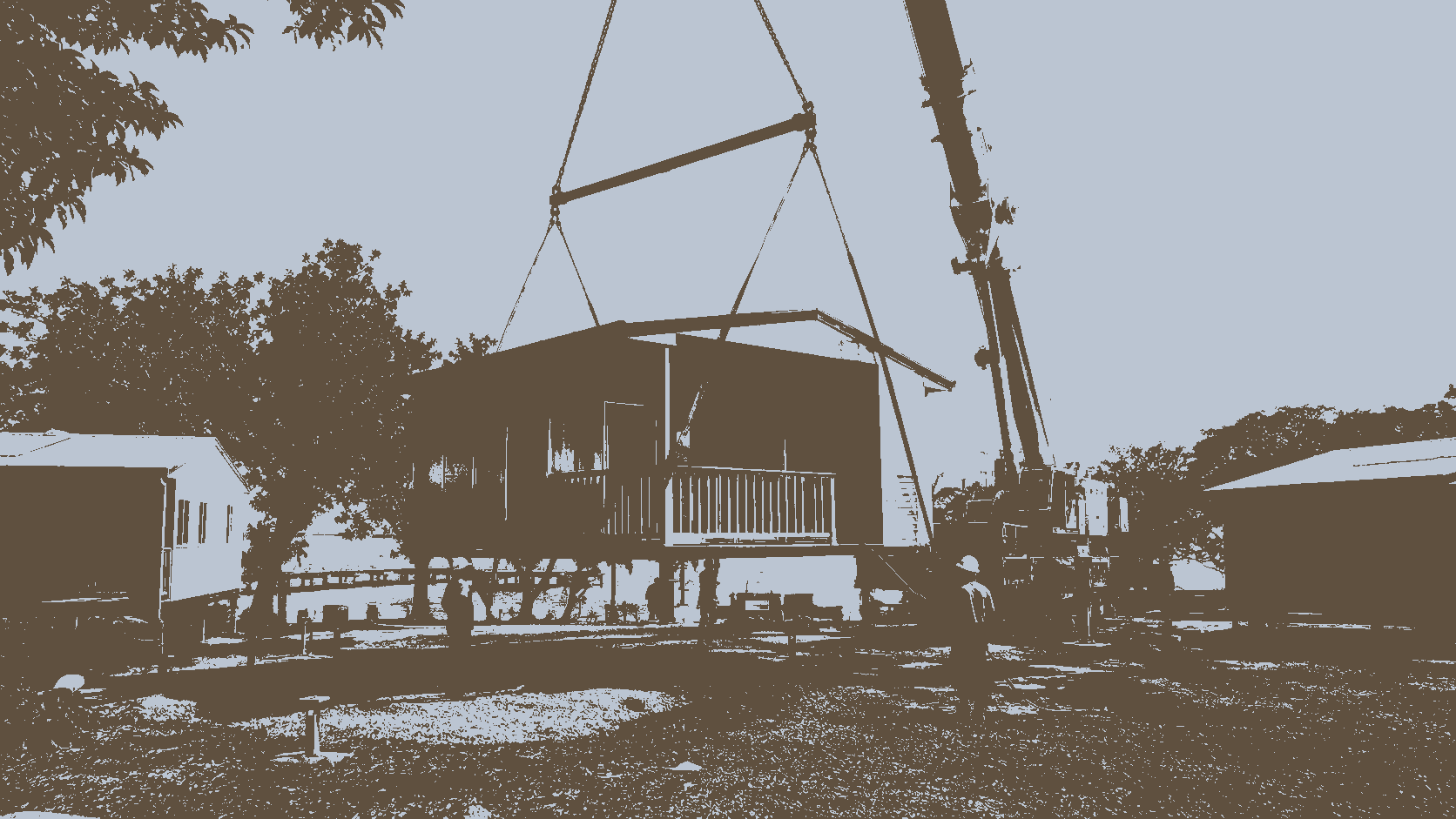
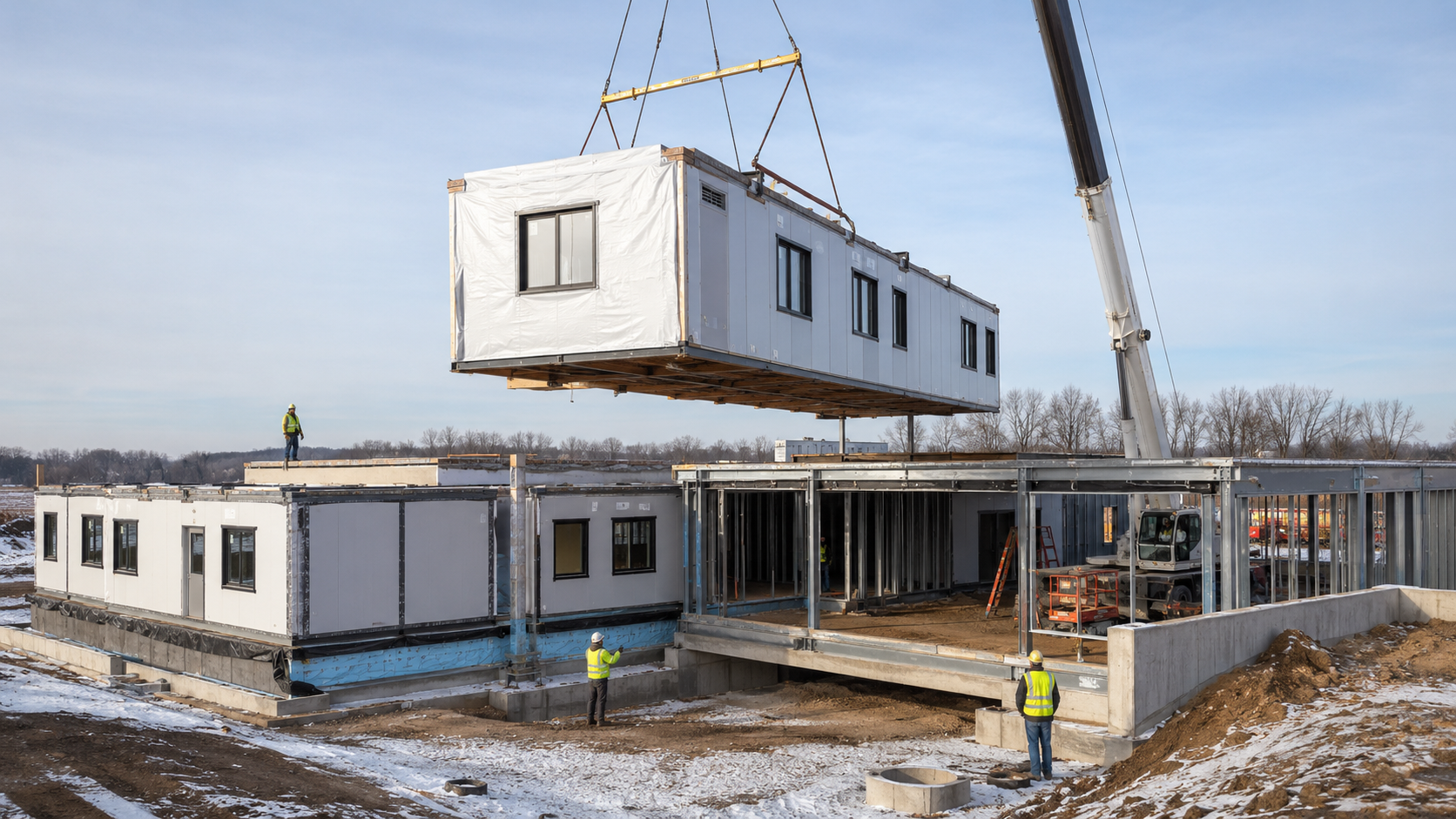
Indonesia Accelerates Construction of 1,301 Post-Disaster Modular Homes in Aceh and North Sumatra
ANTARA
Question 1: Where are the 1,301 modular homes being constructed?
According to information published by Indonesia’s Public Works Ministry in February 2026, 1,056 units are located in Aceh Province, covering areas including Aceh Tamiang, Bener Meriah, North Aceh, Pidie Jaya and Subulussalam. Another 245 units are being constructed in Batang Toru, South Tapanuli Regency, North Sumatra.
Construction progress varies between locations. As of February 9, 2026, the average completion rate for this package was approximately 47%. Some earlier phases had already been completed, while locations facing more difficult weather, access and site-preparation conditions remained in structural or interior construction.
Question 2: Why is a lightweight modular system being used?
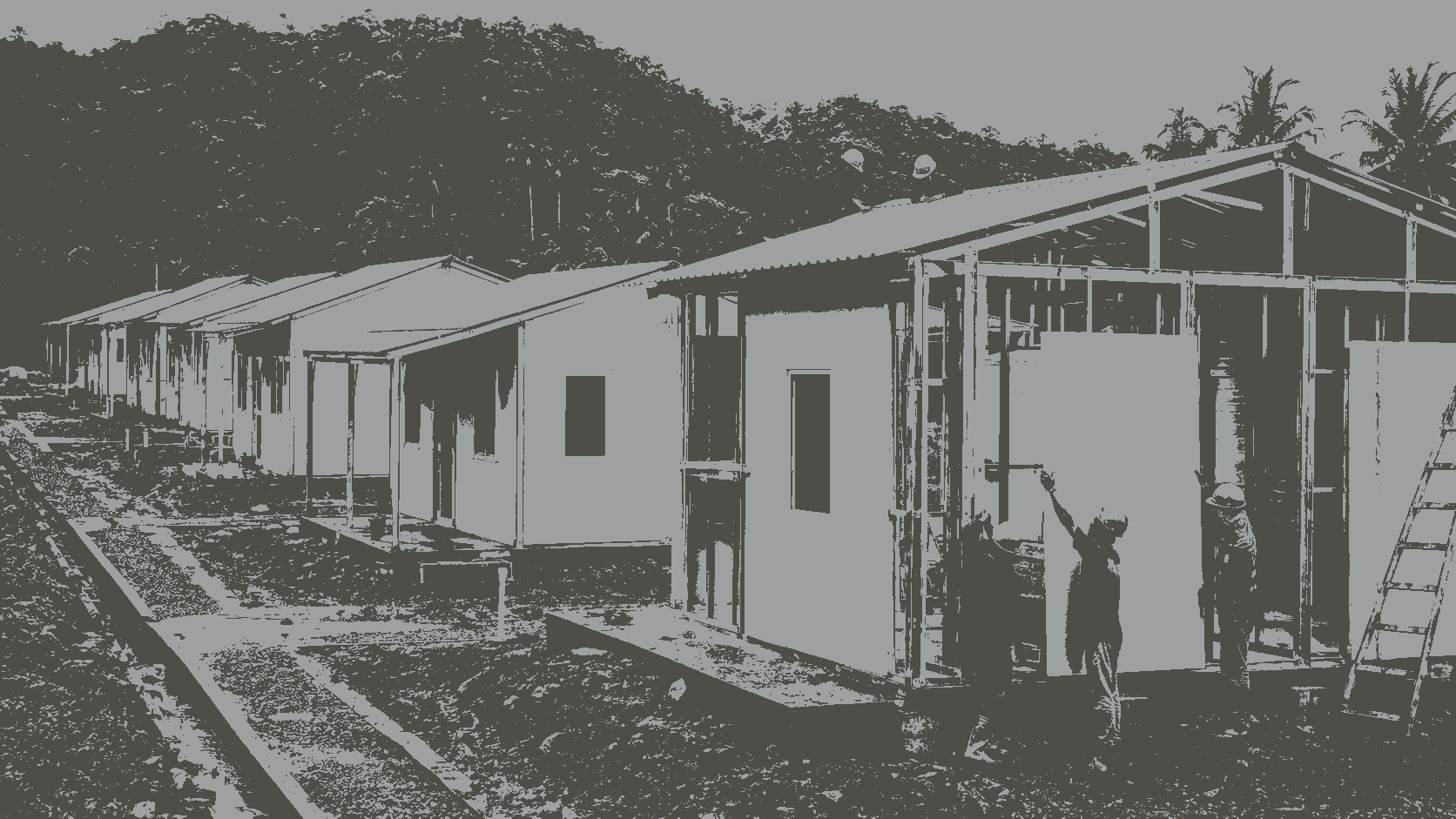
Floods and landslides can damage roads, bridges and construction sites, making it difficult for cranes and heavy transport vehicles to reach affected communities. A lightweight modular system divides the building into frames, panels, roof components and connectors that can be transported and assembled with less dependence on heavy equipment.
The method also allows construction activities to be adjusted around changing weather. Published information indicates that structural and exterior work was extended when conditions were suitable, while interior activities continued during rainfall to reduce delays caused by unstable weather.
Question 3: What basic facilities should post-disaster modular housing provide?
Transitional housing must provide a safe sleeping environment together with ventilation, lighting, electricity, drinking water, sanitation and drainage. Rapidly installing rooms without adequate toilets, showers, waste management and stormwater control can create public-health risks in concentrated settlements.
Sumatra receives substantial rainfall, making site selection and drainage particularly important. Foundations should be raised above ground susceptible to standing water, while anchoring must reflect local soil and seismic conditions. Kitchens, communal areas, accessible facilities and spaces for children should also be planned according to the number of residents and expected occupancy period.
Question 4: How does transitional modular housing differ from permanent housing?
Transitional housing covers the period between emergency evacuation and completion of permanent reconstruction. Its priority is to improve living conditions safely and quickly. Construction periods are generally shorter, designs and materials are more standardized, and some buildings may be dismantled, relocated or reused.
Permanent housing must meet longer design-life requirements and involves land tenure, community planning and complete infrastructure. It normally takes longer to deliver. Temporary housing should therefore not become an indefinite substitute for permanent homes, and governments must continue reconstruction, repair and rental-assistance programs in parallel.
Question 5: What can international emergency-housing suppliers learn from the project?
Emergency housing cannot be delivered effectively by simply shipping standard modules to a disaster zone. Suppliers must assess ports, roads, bridge capacities, rainy seasons, terrain and local workforce availability before choosing between volumetric modules, flat-pack systems and lightweight steel component packages. Where heavy equipment cannot enter, individual component weight and manual assembly become important factors.
Chinese modular building exporters should also prepare spare parts, installation tools, bilingual drawings and onsite training. Seismic performance, wind resistance, corrosion protection, waterproofing and fire documentation must be coordinated with destination-country requirements. Sanitation, water supply and drainage should be designed as part of the complete settlement rather than added after the housing is installed.
Related News
German Modular Timber Hotel Project Integrates Prefabricated Guest Rooms with a Protected Historic Warehouse
2026-08-06
Read More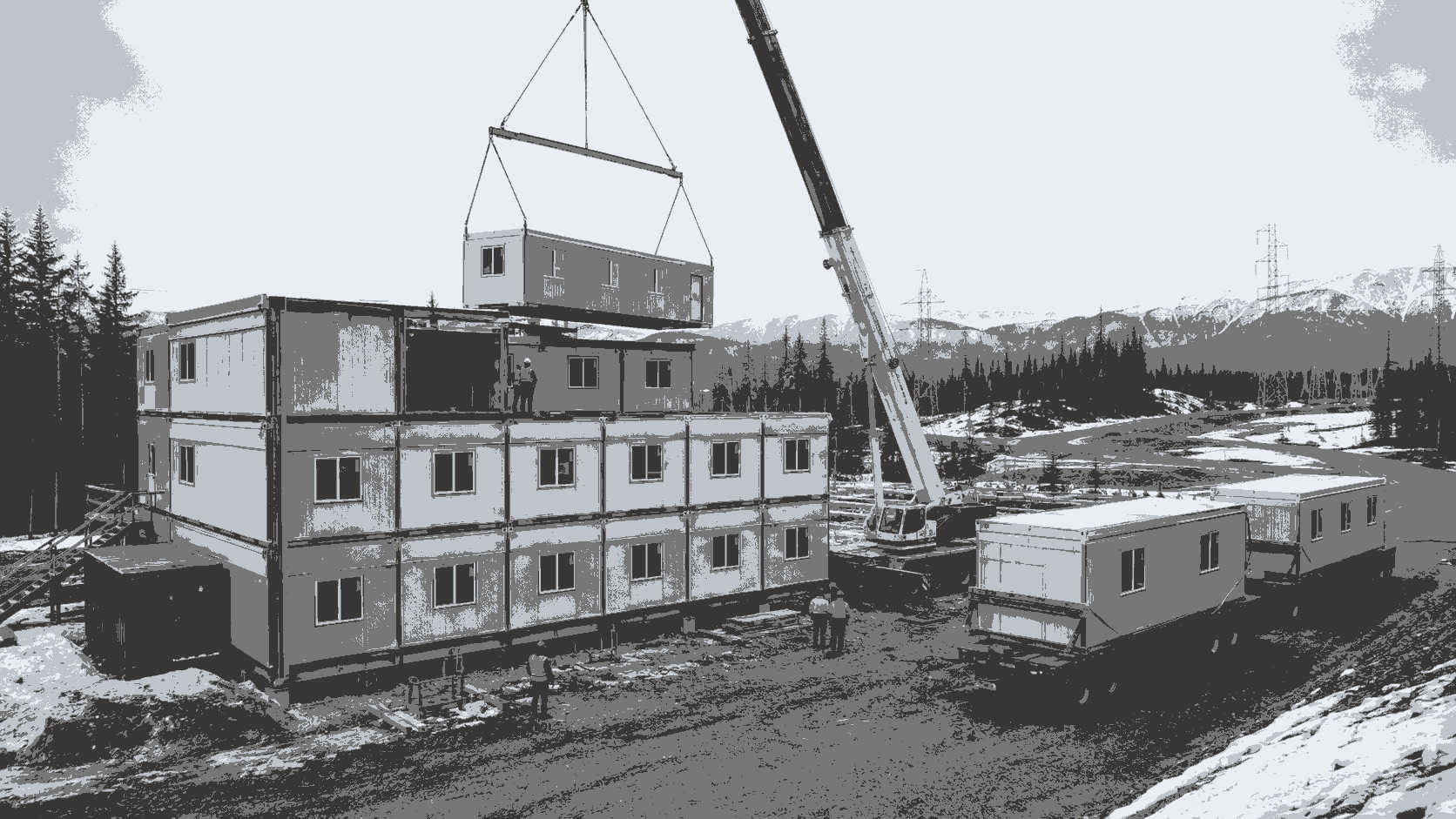
Canada to Reuse Large Modular Workforce Camp: 21 Dormitory Buildings Will Support Transmission Project
2026-08-06
Read More