Far North Queensland Delivers Modular Homes to Remote Island Communities as Cairns Factory Expands Capacity
Built Offsite
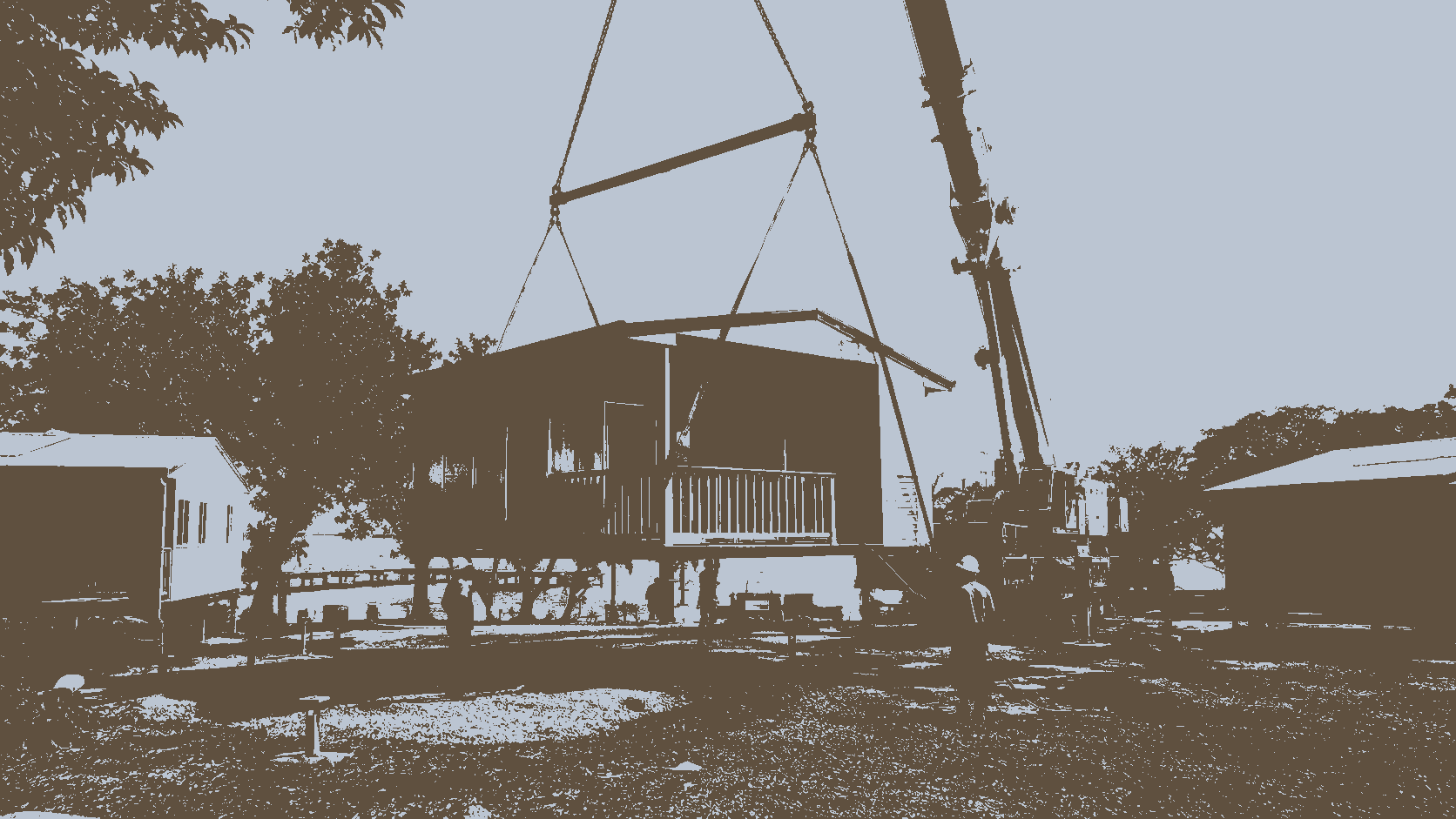
Question 1: Where were these modular homes delivered?
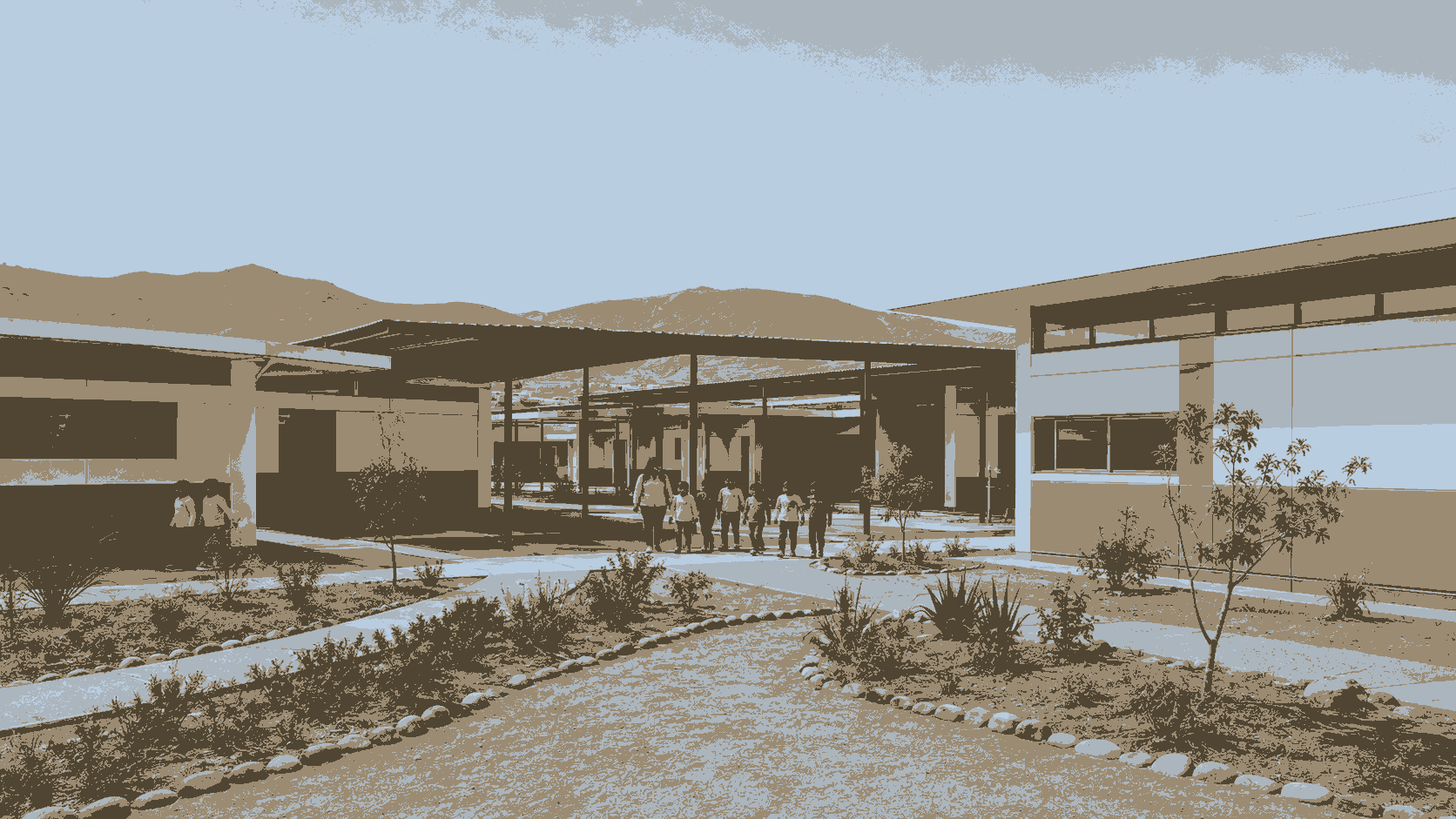
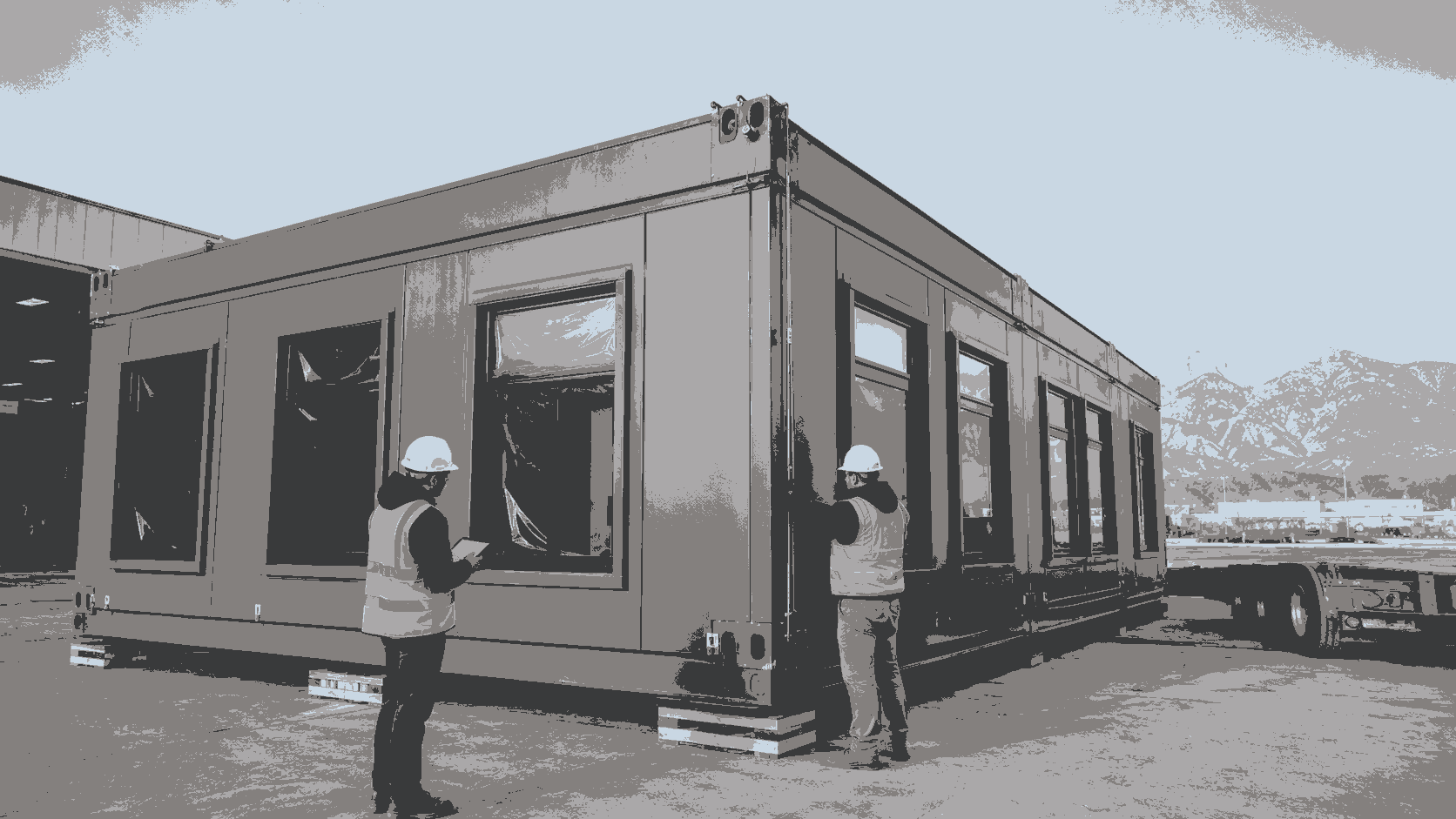
A project update published in February 2026 reported that seven one-bedroom modular homes had been installed on Horn Island in the Torres Strait. Two additional two-bedroom homes were delivered to Edmonton, south of Cairns. The homes were manufactured at the Portsmith prefabrication facility in Cairns and transported through different combinations of road, port and marine logistics.
Horn Island is part of a remote northern Australian region where building materials, specialist trades and heavy equipment can be expensive to mobilize. Producing most of the homes in Cairns reduces the amount of work required on the island, although foundations, unloading, utility connections and final inspections must still be completed locally.
Question 2: Why is modular housing suitable for remote islands?
Conventional island construction usually requires materials to be transported in multiple shipments and workers to remain onsite for extended periods. Weather conditions, vessel schedules and missing materials can all cause delays. Modular construction allows the structure, envelope, windows, interior finishes and selected services to be completed at a factory with a more stable workforce and controlled equipment.
Once the modules reach the island, onsite activities can focus on foundations, lifting, connections and utility installation, reducing expensive remote-site working time. However, modular construction does not eliminate logistical risk. Transport dimensions, crane availability, port conditions and the installation sequence must be confirmed before manufacturing begins.
Question 3: What engineering issues must tropical island homes address?
Far North Queensland and the Torres Strait experience heat, humidity, heavy rainfall and tropical cyclone risks. Modular homes must be designed for the applicable wind classification, with suitable structural frames, roof connections, windows and foundation anchoring. These measures help prevent roof failure or module movement during severe weather.
Salt-laden air and high humidity can also accelerate corrosion. Steel frames, fasteners, service supports and façade connections therefore require protection appropriate for coastal exposure. Shading, ventilation, cooling demand, insect control and drainage should also be considered so that the homes support long-term occupancy rather than simply achieving rapid installation.
Question 4: Why is the expansion of the Cairns factory significant?
In May 2026, the Queensland Government announced an expansion of the Portsmith housing manufacturing facility in Cairns. Annual production capacity is expected to increase by approximately 40% from July 2026. Manufacturing closer to Far North Queensland projects can reduce the need to transport large modules over long distances from southern Australia.
Regional production also allows several remote housing projects to share design, procurement and manufacturing resources. While foundations are being prepared at one location, modules for another site can progress inside the factory. The facility additionally supports apprenticeship training, linking prefabricated housing production with the development of regional construction skills.
Question 5: What can modular housing exporters learn from the program?
A remote-project quotation must account for more than the price of the housing module. Port handling, marine securing, oversized road transport, crane mobilization, foundations, workforce accommodation and weather-related standby time can all represent significant costs. Suppliers should confirm road access, port capacity, vessel limitations, lifting radius and onsite storage before finalizing the design.
Chinese modular housing exporters targeting Australia or other tropical coastal markets should also prepare structural calculations, fire-performance documentation, thermal data, corrosion-protection specifications and evidence of compliance with local requirements. Combining product design with international logistics, site installation and certification support is essential for delivering a complete project solution.
Related News
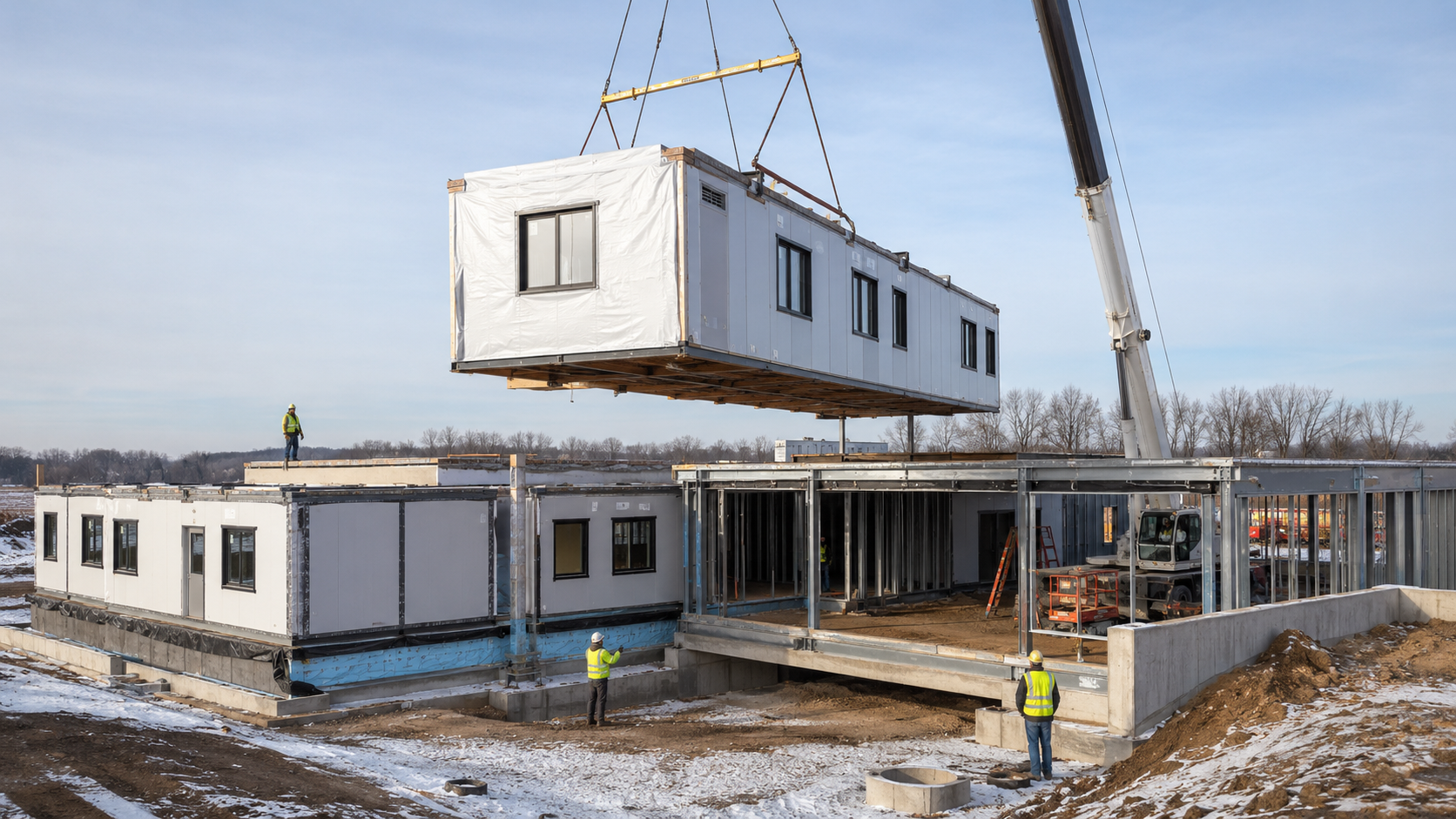
Hybrid Modular Hospital in Wisconsin Completes Key Installation, with About 30% Built Offsite
2026-08-05
Read More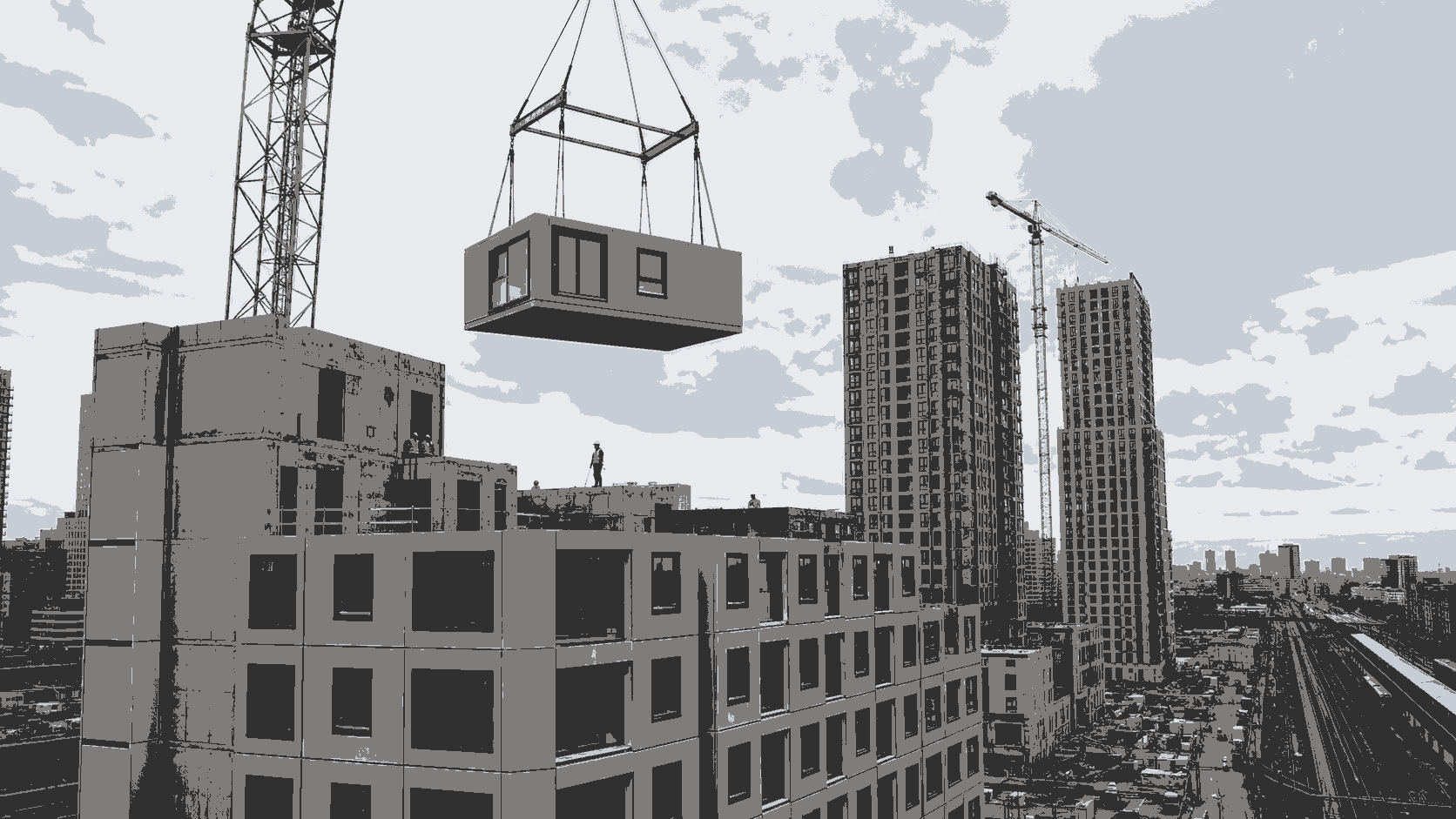
Large Modular Housing Project Begins Assembly in The Hague: 1,748 Prefabricated Modules to Form 1,171 Homes
2026-08-05
Read More