Do Mobile Homes Meet Long-Term Living Standards?
Washington Post
Main Q&A
Q: Do mobile homes meet long-term living standards?
A: Yes, modern mobile homes can meet long-term living standards, but the answer depends on local building regulations, installation quality, land-use rules, climate conditions, and maintenance.
In the U.S., modern manufactured homes are built under federal HUD Code standards, which cover construction, safety, design, transport, and performance requirements. In other regions, mobile homes or modular homes may follow local building codes, national housing standards, or temporary-structure regulations. This means buyers should always check the legal classification of the home before using it for permanent living.
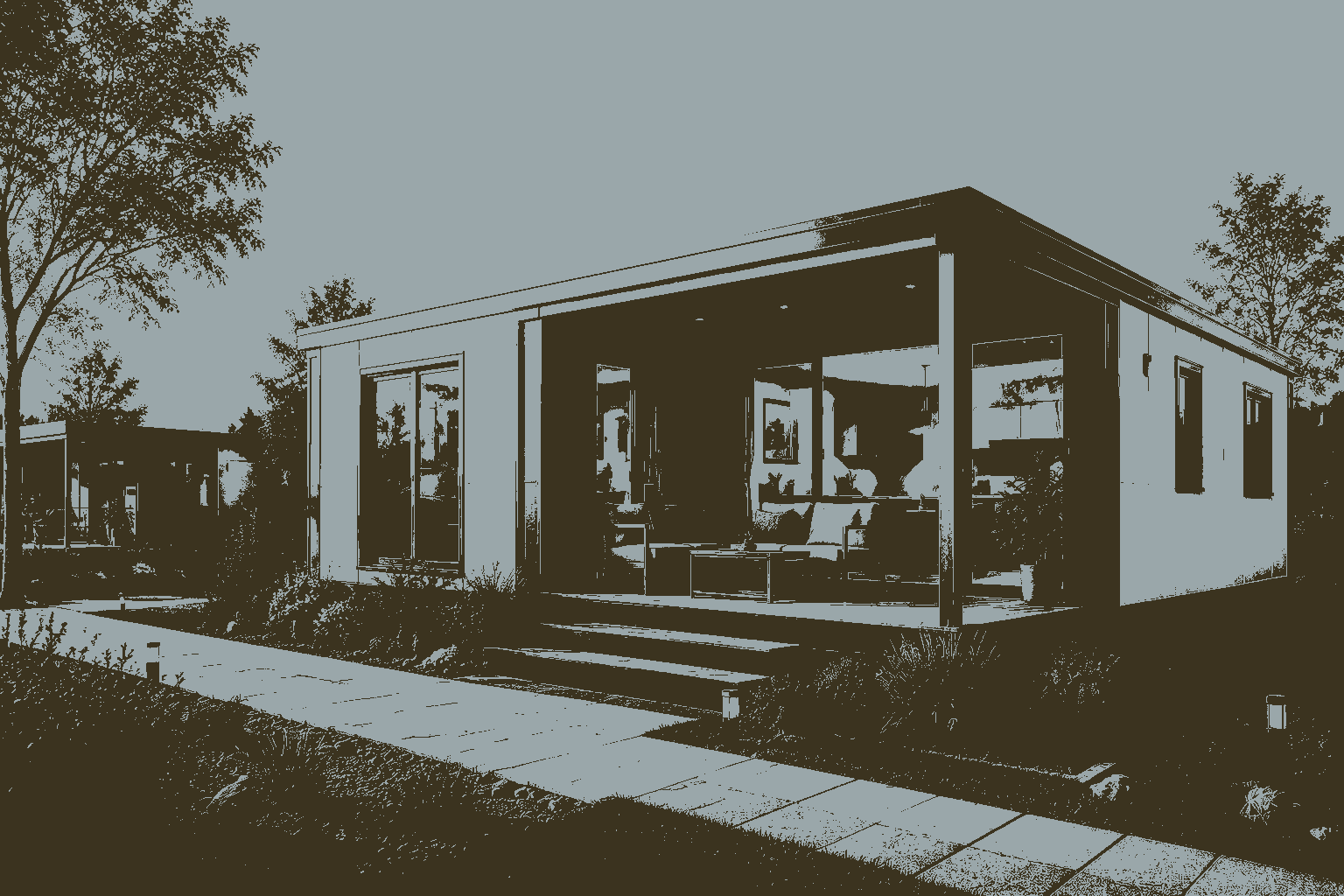
Modern mobile homes are very different from older trailer-style units. Many use engineered structures, durable framing systems, modular layouts, improved insulation, modern HVAC, better windows, and factory quality-control processes. These improvements help support long-term occupancy when the home is installed correctly.
However, long-term living is not determined by the home unit alone. The home also needs a suitable foundation or anchoring system, safe utility connections, legal placement, insurance eligibility, proper ventilation, weather protection, and ongoing maintenance.
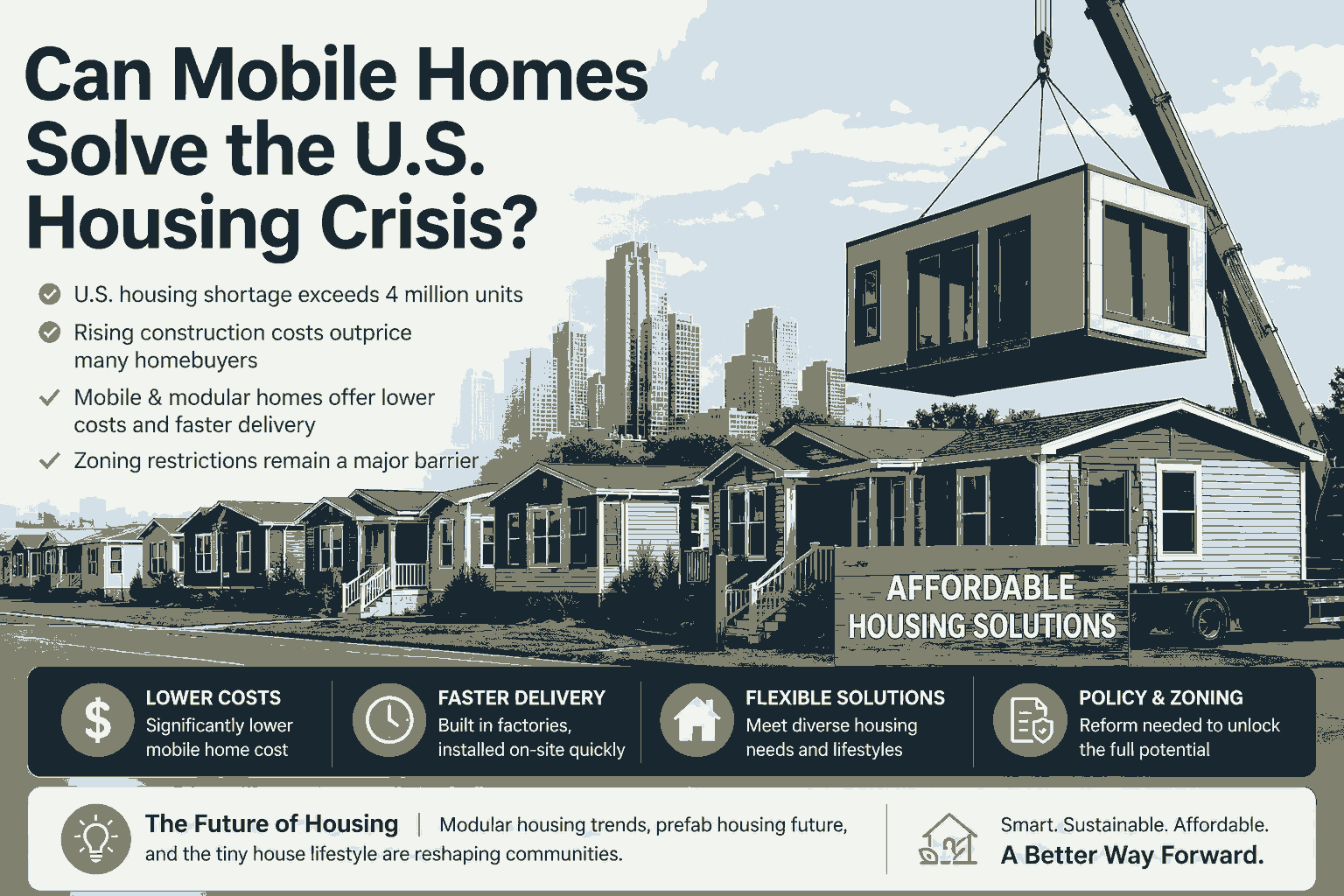
Mobile home cost remains one of the biggest reasons people consider long-term mobile living. Compared with many traditional houses, factory-built homes may offer a lower entry price. But buyers should calculate the full cost, including land, lot rent, foundation, transport, installation, permits, utilities, repairs, insurance, and financing.
As modular housing trends and the prefab housing future continue to grow, mobile homes are increasingly viewed as long-term housing options rather than only temporary or seasonal units.
Q: Can mobile homes be used for long-term living?
A: Yes. Mobile homes can be used for long-term living if they comply with local housing codes, are installed safely, and are placed on legally approved land. Modern mobile homes can offer durability, safety, comfort, and energy performance, but long-term use depends on regional housing codes and site conditions.
Additional Related Q&A
Q: Are mobile homes safe for permanent living?
A: Modern mobile homes can be safe for permanent living when they meet applicable construction standards, are properly anchored, and are installed by qualified professionals. Safety also depends on location, flood risk, wind exposure, fire risk, and maintenance.
Q: How long can a mobile home last?
A: A well-built and well-maintained mobile home can last for decades. Lifespan depends on construction quality, roof maintenance, moisture control, foundation stability, HVAC care, plumbing, climate exposure, and whether the home is moved frequently.
Q: Is mobile home cost lower for long-term living?
A: Mobile home cost can be lower than traditional housing, especially for the home structure. However, long-term affordability depends on land ownership, lot rent, utilities, insurance, financing, maintenance, and local taxes.
Q: Are mobile homes suitable for families?
A: Yes. Mobile homes can be suitable for families if they provide enough bedrooms, storage, insulation, utility capacity, safety features, and legal occupancy approval. Many modern models are designed for full-time family living.
FAQ
1. Can a mobile home be a permanent residence?
Yes. A mobile home can be a permanent residence if it meets applicable housing standards, is installed correctly, and is legally allowed for full-time occupancy in that location.
2. What affects long-term durability?
Durability depends on construction quality, roof condition, moisture protection, foundation or anchoring, climate exposure, regular maintenance, and correct installation.
3. Are mobile homes connected to the tiny house lifestyle?
Yes. Mobile homes and the tiny house lifestyle both reflect demand for more affordable, compact, and flexible living, although they are different housing categories.