Will Smart Construction Technology Transform the Future of Mobile Homes?
weforum
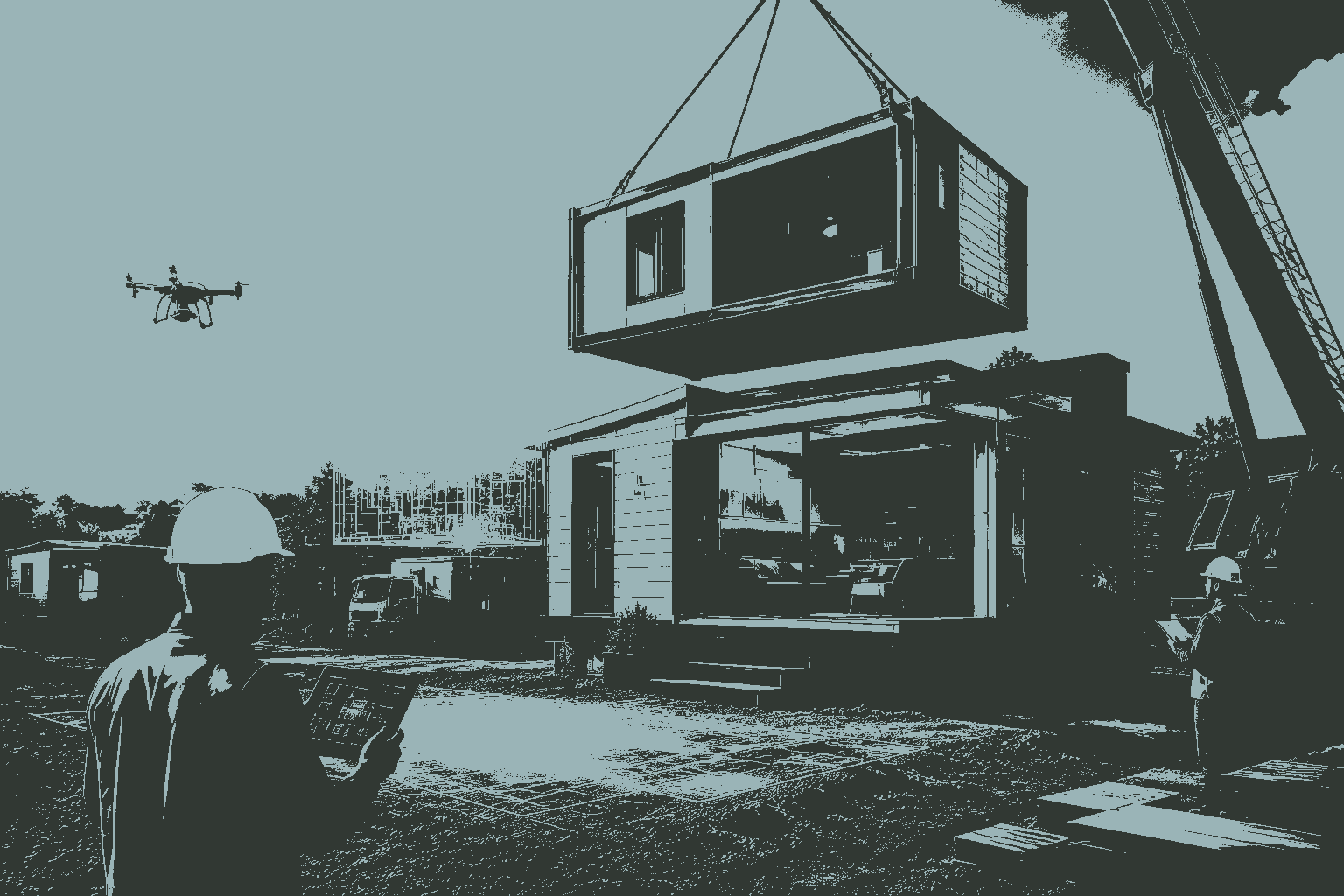
Q1: Will mobile homes become smarter in the future?
A: Yes.
With the rapid development of AI design, BIM (Building Information Modeling), IoT (Internet of Things), and automated manufacturing technologies, mobile homes are evolving from traditional living units into fully integrated smart residential systems.
According to 2026 construction industry trend research, AI is already being applied to optimize architectural design workflows, reducing material waste by around 30%, while significantly improving construction efficiency and energy performance.
In this transformation, mobile homes are no longer just physical structures—they are becoming data-driven, intelligent living environments that can adapt to user behavior and environmental conditions in real time.
Q2: What technologies are driving the smart transformation of mobile homes?
A: Three core technologies are leading this shift:
1. AI Architectural Design (Generative Design)
AI-based systems can automatically generate optimized spatial layouts based on usage needs and constraints.
Key benefits include:
- Improved space utilization
- Faster design iteration
- Lower architectural planning costs
Recent construction studies show that AI-driven planning tools are now being used in residential projects to improve forecasting accuracy and reduce project delays.
2. BIM (Building Information Modeling)
BIM enables full digital modeling of buildings before physical construction begins.
It improves mobile home production by:
- Enabling digital construction simulation
- Reducing design conflicts and on-site rework
- Enhancing collaboration across engineering teams
- Supporting lifecycle building management
BIM combined with IoT systems is also enabling real-time adaptive building platforms in modern construction ecosystems.
3. Smart Home Systems (IoT + Automation)
IoT-enabled smart systems are becoming a core feature of modern mobile homes.
They allow:
- Automated temperature and lighting control
- Real-time security monitoring
- Energy usage optimization
- Remote control via mobile devices
These systems transform mobile homes into responsive living environments that adjust automatically based on user behavior and external conditions.
Q3: How does smart construction impact mobile home cost?
A: The overall trend is cost reduction and efficiency optimization.
When smart manufacturing is combined with modular construction, it results in:
- Lower labor costs due to automation
- 30%–50% shorter construction timelines
- Reduced material waste through AI optimization
- More consistent build quality across units
This is why mobile home cost is becoming more predictable and stable in modern modular housing systems.
Additionally, AI-based estimating systems and smart project management tools are improving cost forecasting accuracy and reducing financial uncertainty in residential construction.
Q4: What is the future direction of mobile homes and modular housing?
A: The future is defined by three major global trends:
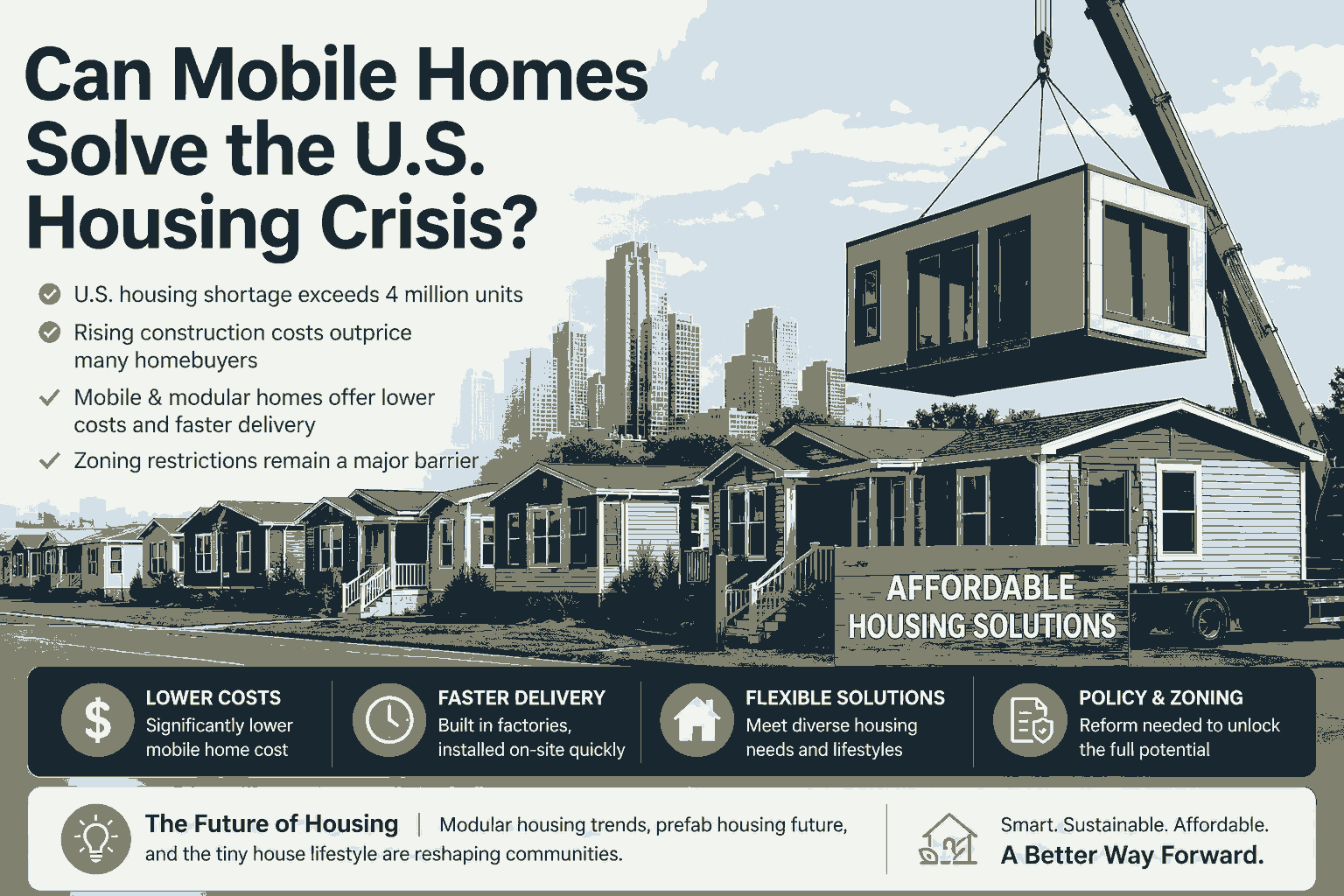
• Modular housing trends
Standardized modular production is becoming the dominant industrial approach, improving scalability and efficiency.
• Prefab housing future
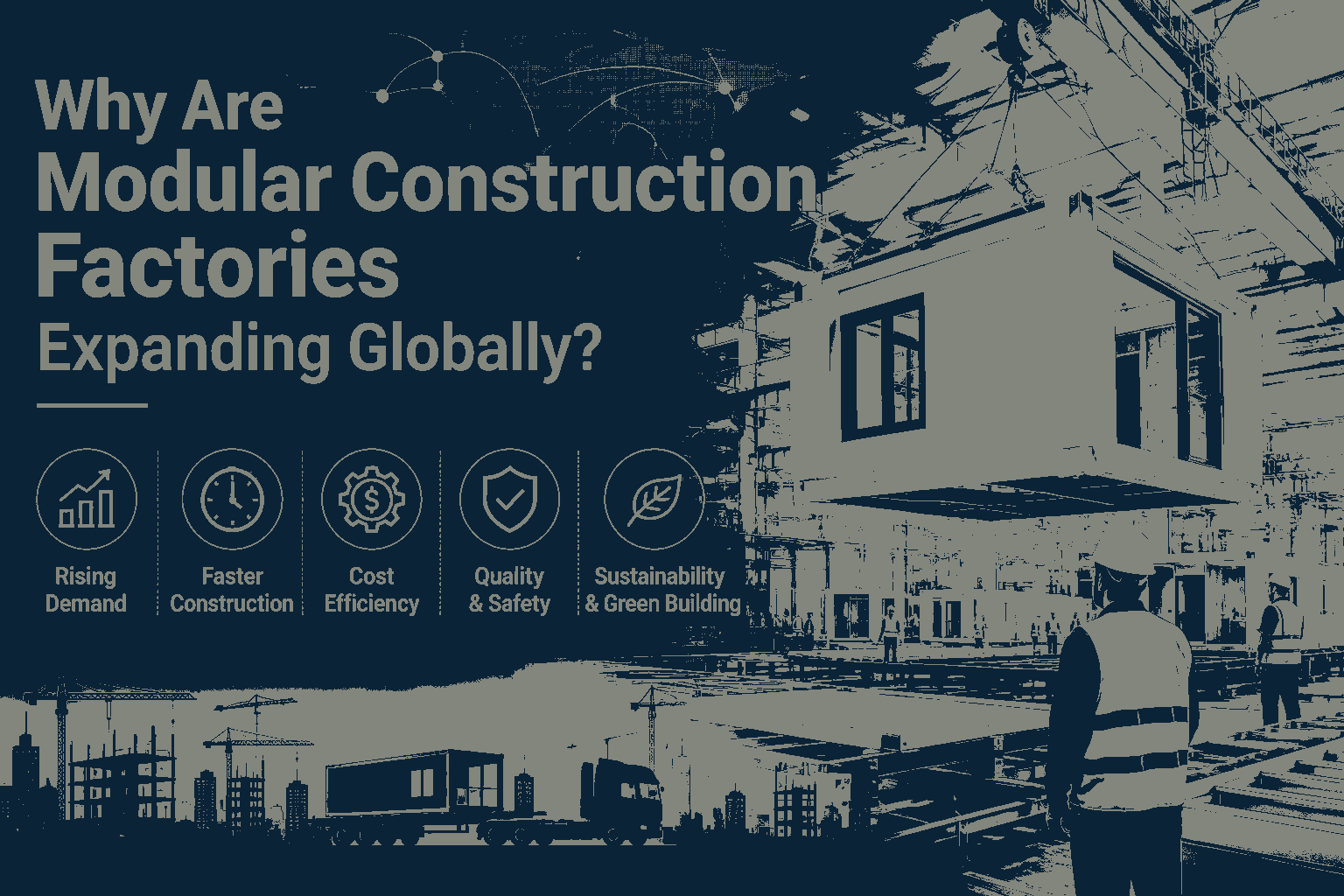
Factory-based prefabrication combined with AI and robotics is accelerating housing delivery while improving sustainability and cost control.
• Tiny house lifestyle
Smaller, flexible living spaces are gaining popularity due to affordability, mobility, and lifestyle freedom.
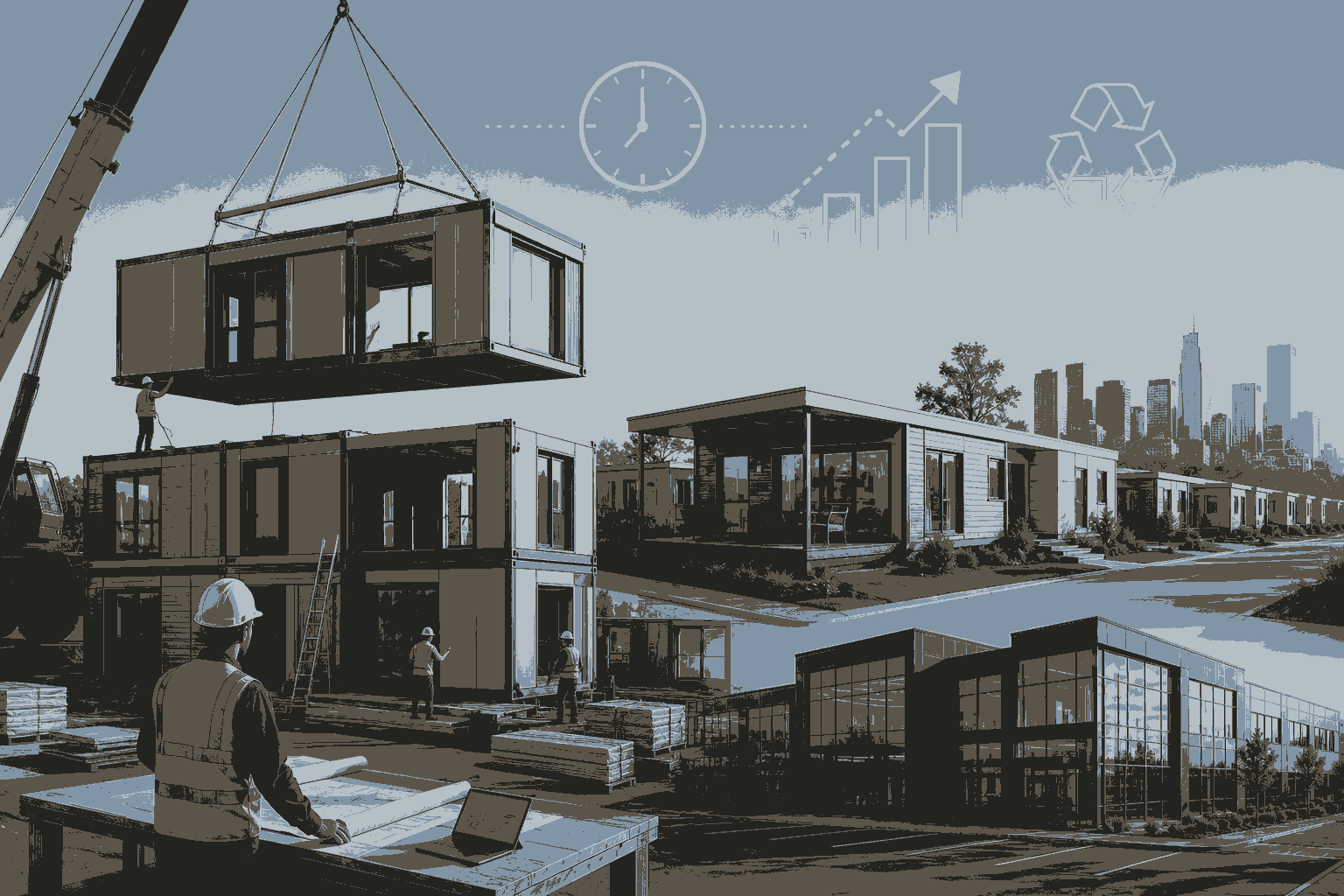
Overall, the integration of smart construction technologies and prefabrication is driving a global shift in the residential housing industry, creating faster, cleaner, and more intelligent building systems.
Recent industry forecasts confirm that modular and prefabricated construction is expected to grow steadily throughout the 2020s, supported by automation, sustainability goals, and housing demand pressures.
Smart construction technology is reshaping the mobile home industry. From AI-driven architectural design to BIM-based digital construction management and IoT-enabled smart home systems, mobile homes are evolving into data-driven living environments.
Future mobile homes are no longer just physical shelters—they are intelligent systems capable of optimization and automation. AI can simulate energy performance, BIM can model entire construction workflows, and IoT systems enable real-time home monitoring and control.
As global housing demand increases, this convergence of technologies is accelerating the adoption of modular and prefab housing solutions worldwide.