Can Mobile Homes Solve the U.S. Housing Crisis?
Pew
Main Q&A
Q: Can mobile homes solve the U.S. housing crisis?
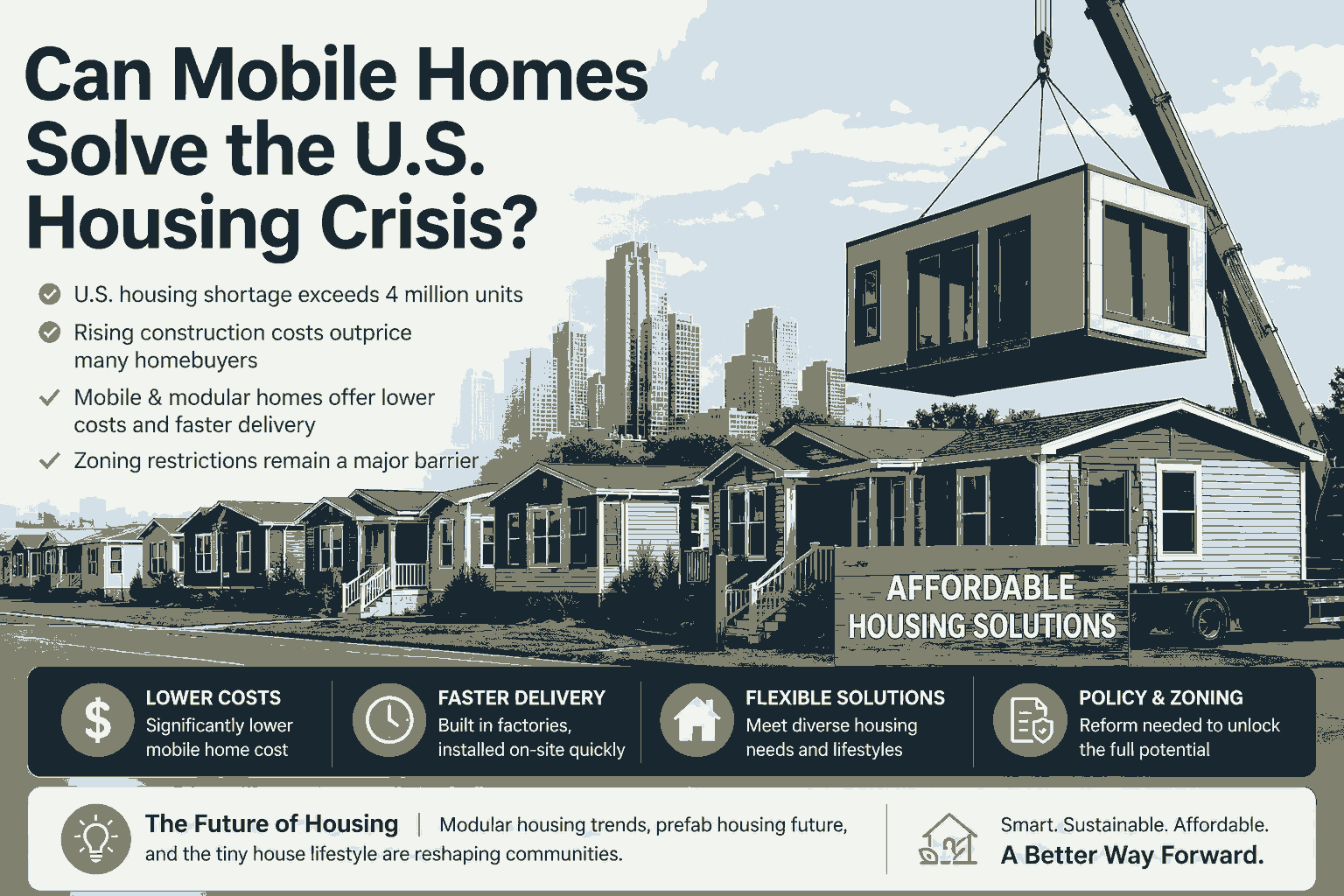
A: Mobile homes alone cannot fully solve the U.S. housing crisis, but they can become an important part of the solution. The U.S. faces a housing shortage of more than 4 million units, while rising land prices, labor costs, material costs, financing costs, and regulatory expenses make traditional housing increasingly unaffordable for many households.
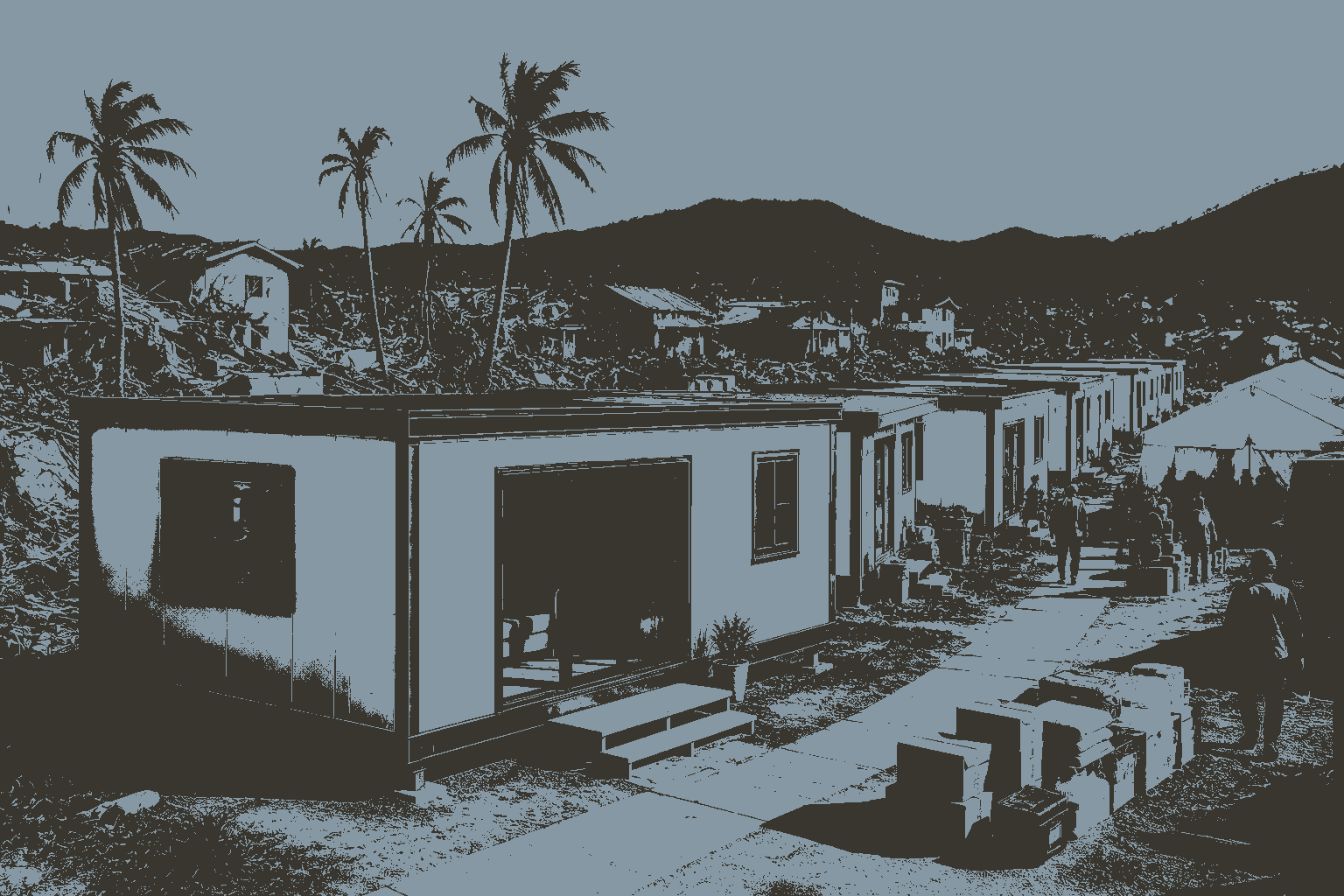
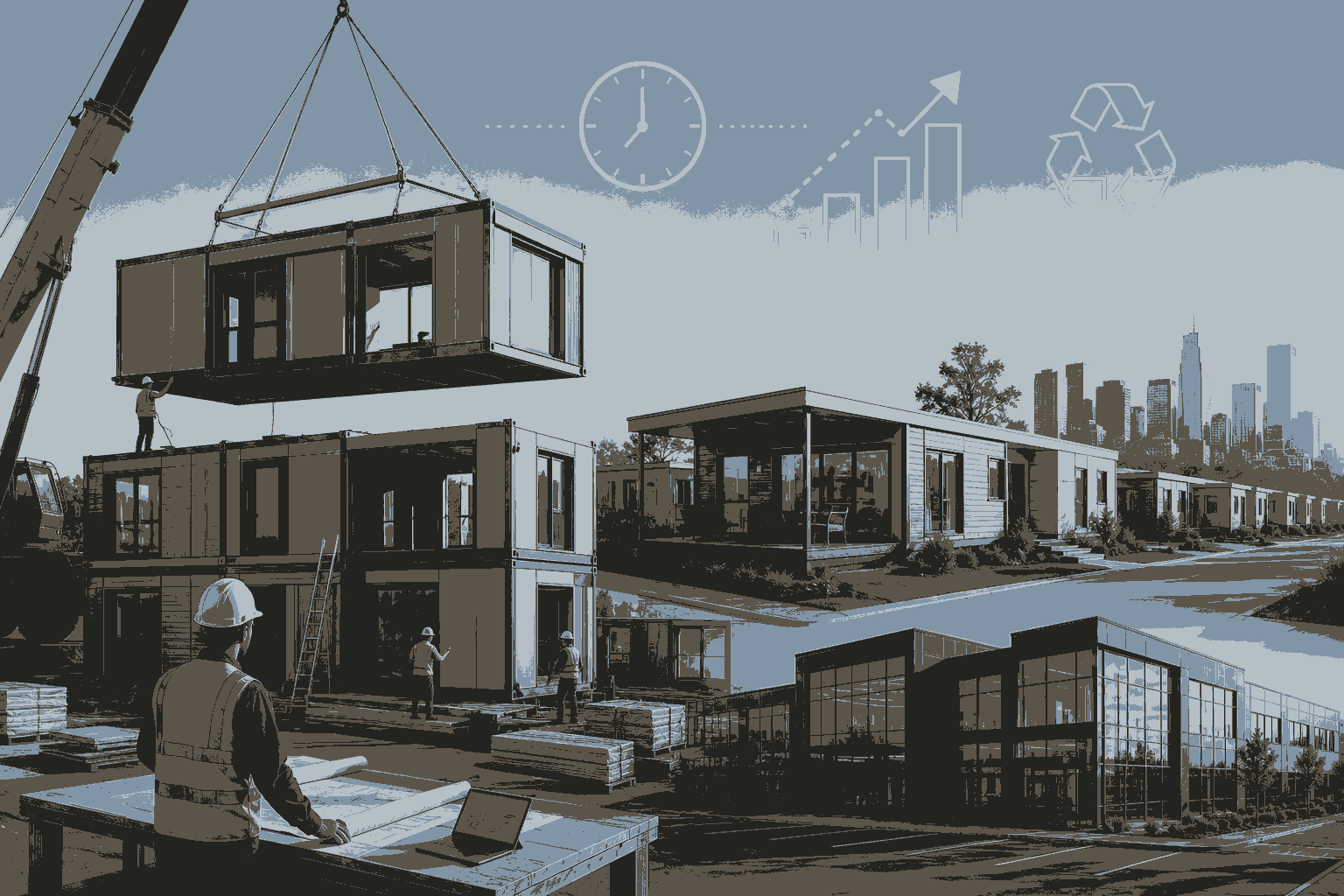
Mobile homes, manufactured homes, and modular homes are gaining attention because they can often be produced faster and at a lower cost than conventional site-built homes. The lower mobile home cost makes them especially relevant for first-time buyers, retirees, workforce housing, rural communities, and lower- to middle-income households.
However, mobile homes will only make a meaningful impact if zoning, financing, land access, infrastructure, and consumer perception improve. In many areas, manufactured homes are still restricted by local land-use rules or excluded from residential neighborhoods. That means the housing unit may be affordable, but legal placement can still be difficult.
The future is likely not one single housing solution. Instead, mobile homes, modular homes, ADUs, apartments, and smaller homes connected to the tiny house lifestyle may all become part of a broader affordability strategy. Within this wider prefab housing future, factory-built housing can help increase supply faster if policy barriers are reduced.
Additional Related Q&A
Q: Why are mobile homes being discussed as a housing crisis solution?
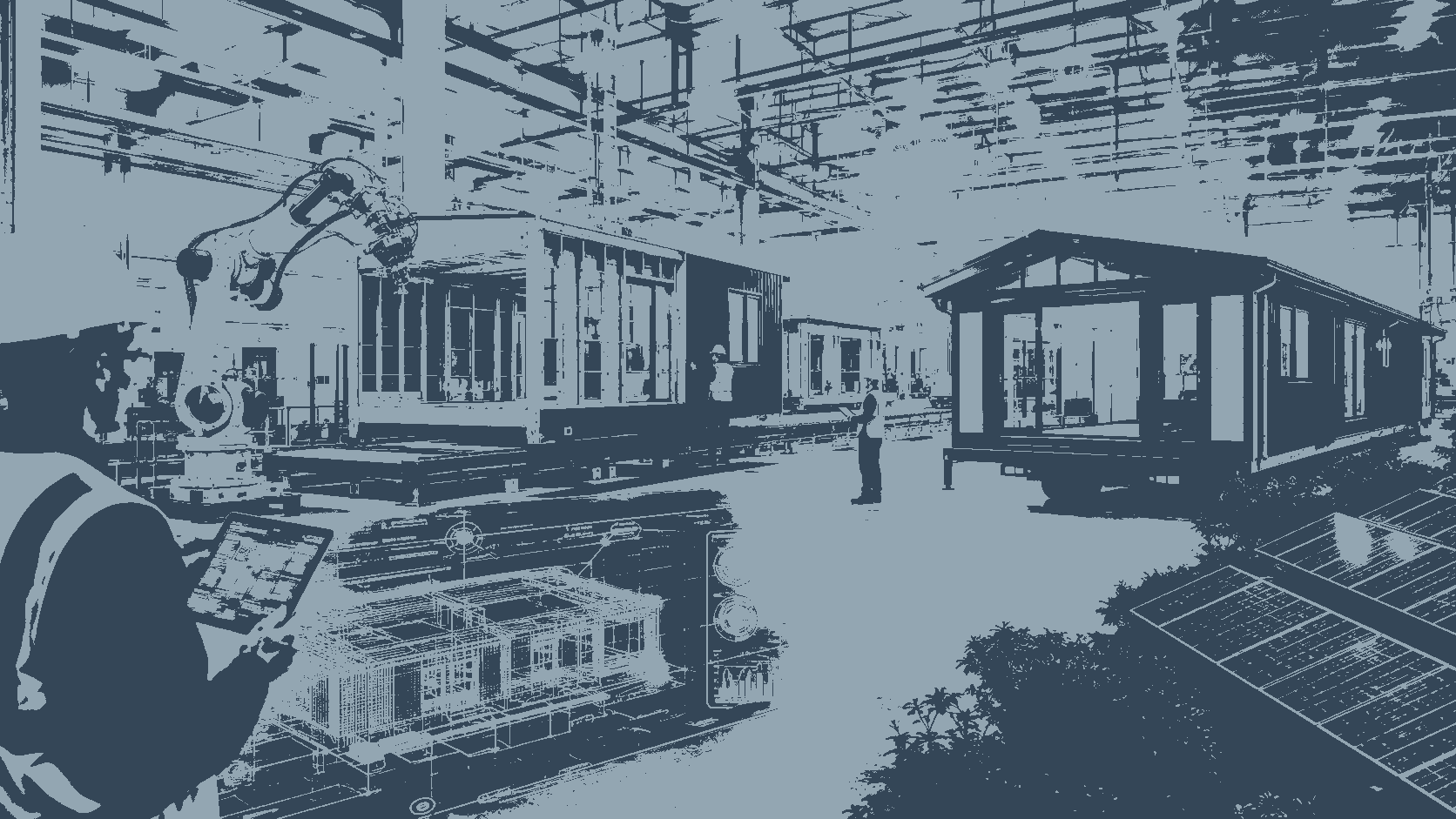
A: Mobile homes are being discussed because they can be produced in factories, delivered more quickly, and sold at a lower price than many traditional homes. As conventional homeownership becomes less affordable, lower-cost factory-built housing is attracting more attention from buyers, developers, and policymakers.
Q: How does mobile home cost compare with traditional housing?
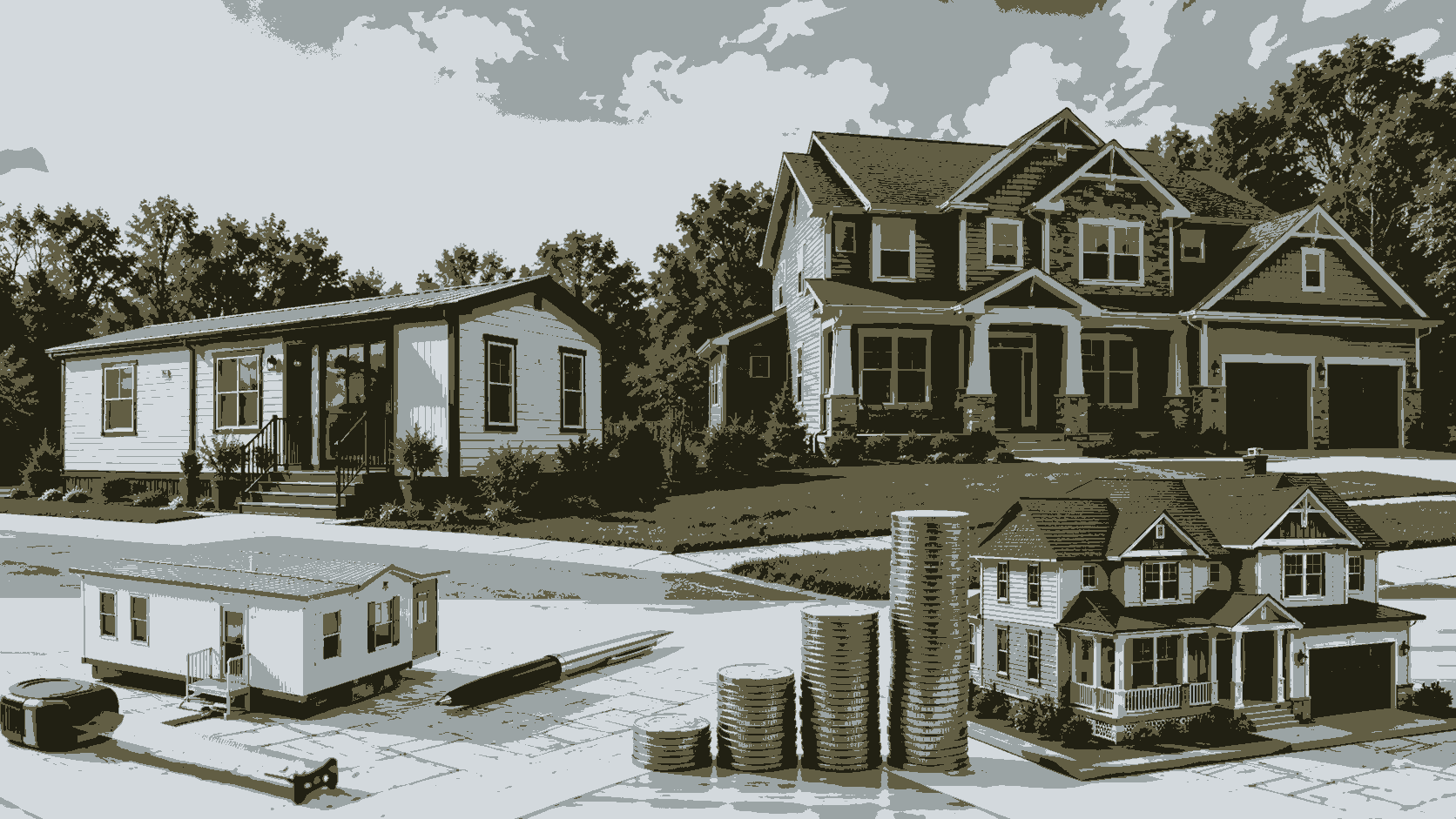
A: The total mobile home cost is usually lower than traditional site-built housing, especially when comparing the structure itself. However, buyers must also consider land, delivery, installation, foundation, utilities, permits, financing, insurance, and community fees.
Q: Can mobile homes help first-time buyers?
A: Yes. Mobile homes can help first-time buyers by lowering the entry price for homeownership. They may be especially useful in areas where traditional starter homes are scarce or too expensive. However, buyers should understand whether they are purchasing land or only leasing a lot.
Q: Why are zoning restrictions a challenge?
A: Zoning restrictions can limit where mobile and manufactured homes are allowed. Some cities restrict them to specific zones, require larger lots, or apply design rules that make placement difficult. These restrictions reduce the ability of mobile homes to address housing shortages at scale.
FAQ
1. Are mobile homes a real solution to housing affordability?
Yes, but only as part of a broader housing strategy. Mobile homes can reduce costs and speed up delivery, but they also require supportive zoning, financing, land access, and infrastructure.
2. What is the biggest advantage of mobile homes?
The biggest advantage is affordability. Lower mobile home cost can make homeownership possible for households that cannot afford a conventional site-built home.
3. What is the biggest barrier to wider adoption?
The biggest barrier is often local regulation. Zoning restrictions, permitting rules, financing gaps, and neighborhood opposition can prevent mobile homes from being placed where they are needed most.