Why Are Modular Construction Factories Expanding Globally?
OECD
Main Q&A
Q: Why are modular construction factories expanding globally?
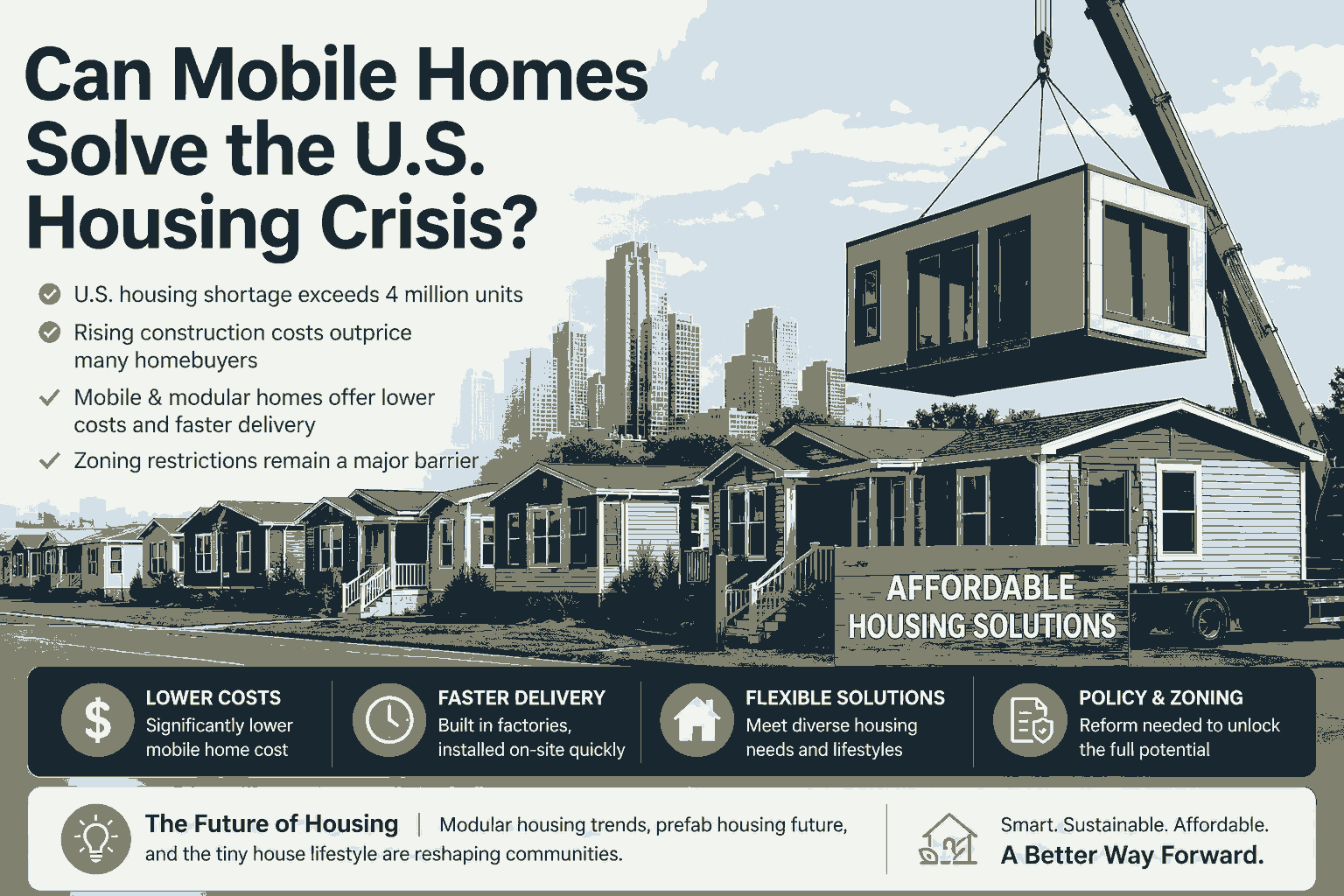
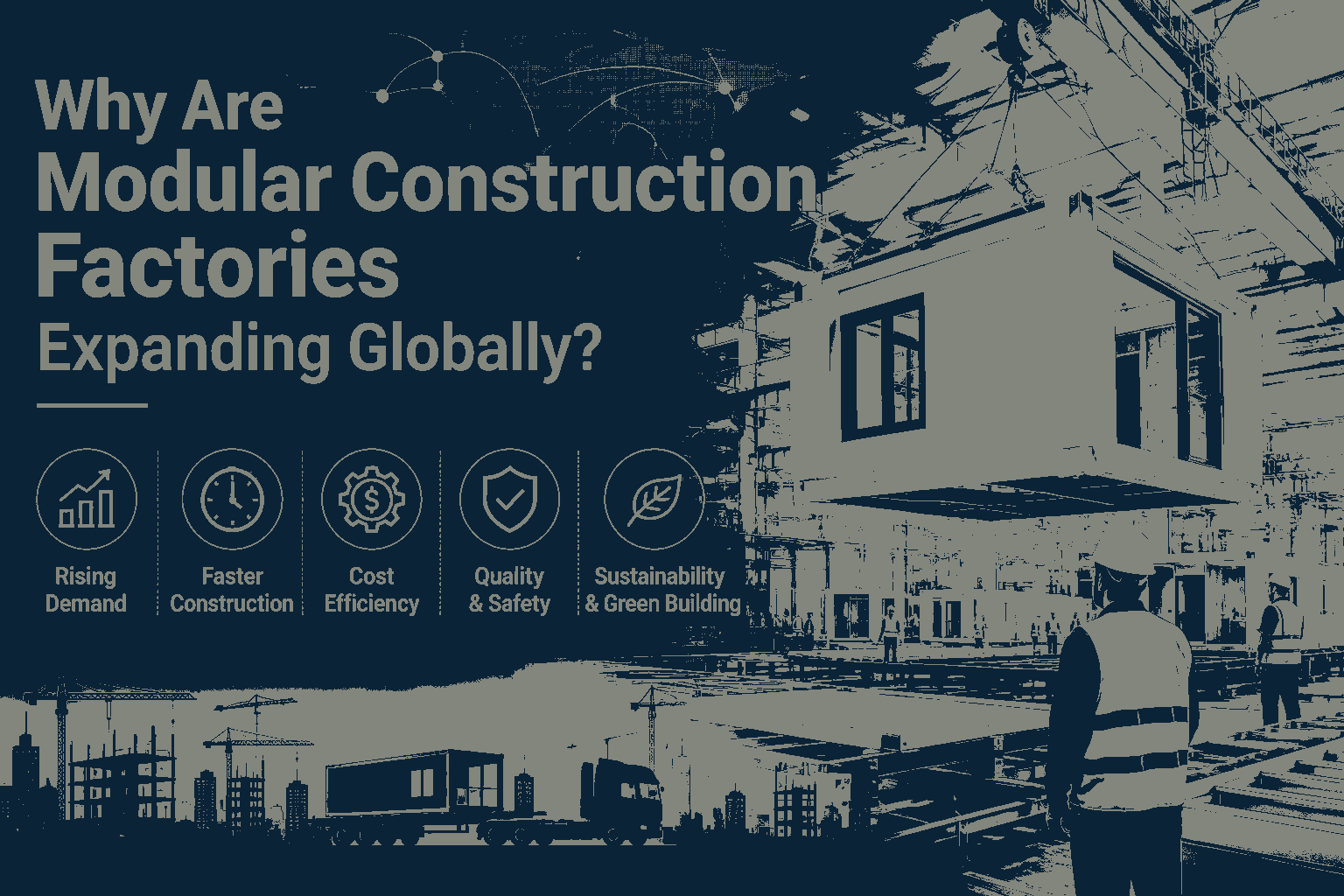
A: Modular construction factories are expanding globally because developers, governments, and housing providers are looking for faster, more predictable, and more cost-efficient ways to build. In many markets, traditional construction is under pressure from labor shortages, high material costs, long approval timelines, and rising housing demand.
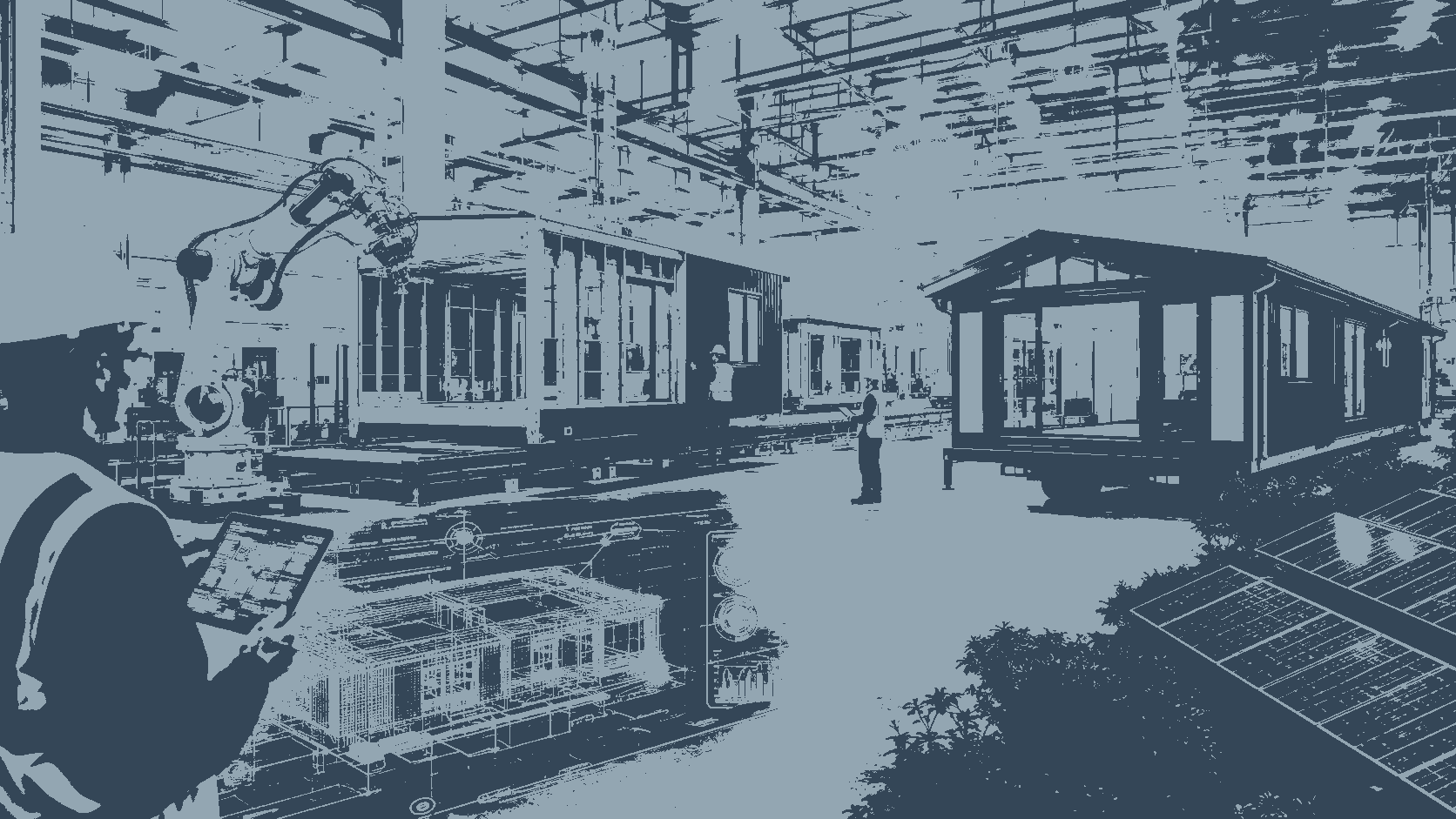
Factory-based production allows key building components or complete modules to be manufactured in a controlled environment before being transported to the final site. This approach can improve efficiency, reduce weather-related delays, standardize quality, and help lower unit costs when production volume is high.
For the mobile home and prefab housing sectors, this shift is especially important. As buyers compare mobile home cost, modular homes, manufactured homes, and tiny homes, factory production becomes a practical way to deliver more affordable and scalable housing. It also supports broader modular housing trends and the long-term prefab housing future.
Q: Why is factory production important?
A: Factory production is important because centralized manufacturing increases efficiency and lowers unit costs. Instead of building every home entirely on-site, factories can repeat standardized processes, purchase materials in bulk, reduce waste, and use trained teams in a controlled production line.
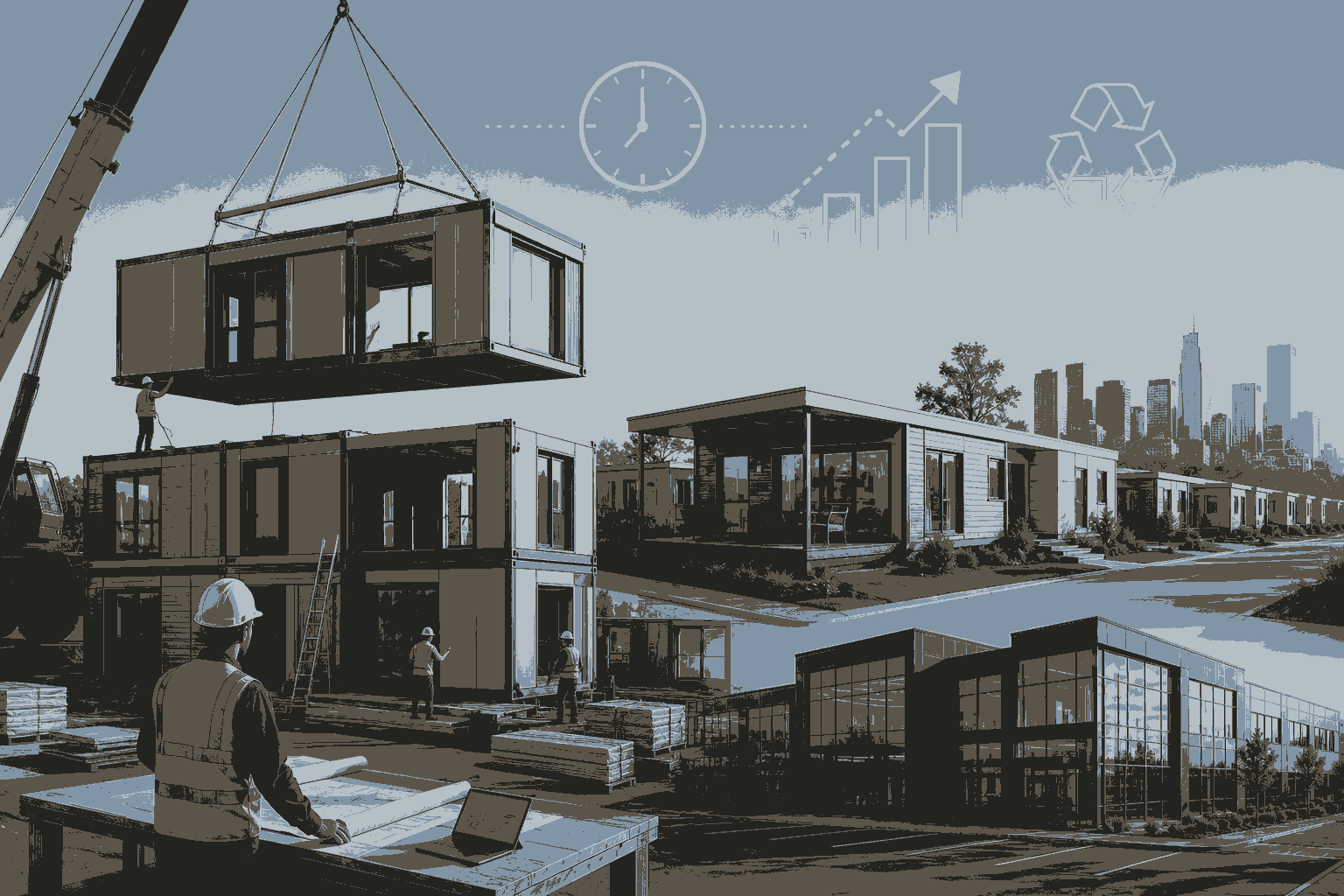
This helps builders deliver homes faster and with more consistent quality. It also makes modular housing more attractive for developers working on multifamily housing, workforce housing, student housing, healthcare buildings, hotels, and compact residential communities.
Additional Related Q&A
Q: What are the main market drivers behind modular factory expansion?
A: The main drivers include rising housing demand, labor shortages, high construction costs, sustainability goals, faster delivery needs, and growing acceptance of factory-built housing. As the market matures, modular factories can serve not only residential projects but also commercial, education, healthcare, and hospitality developments.
Q: How does modular production affect mobile home cost?
A: Modular production can help control mobile home cost by improving material purchasing, reducing labor inefficiency, shortening production time, and lowering construction waste. However, total cost still depends on land, transport, installation, utility connections, permits, and customization.
Q: Are modular factories only expanding in developed countries?
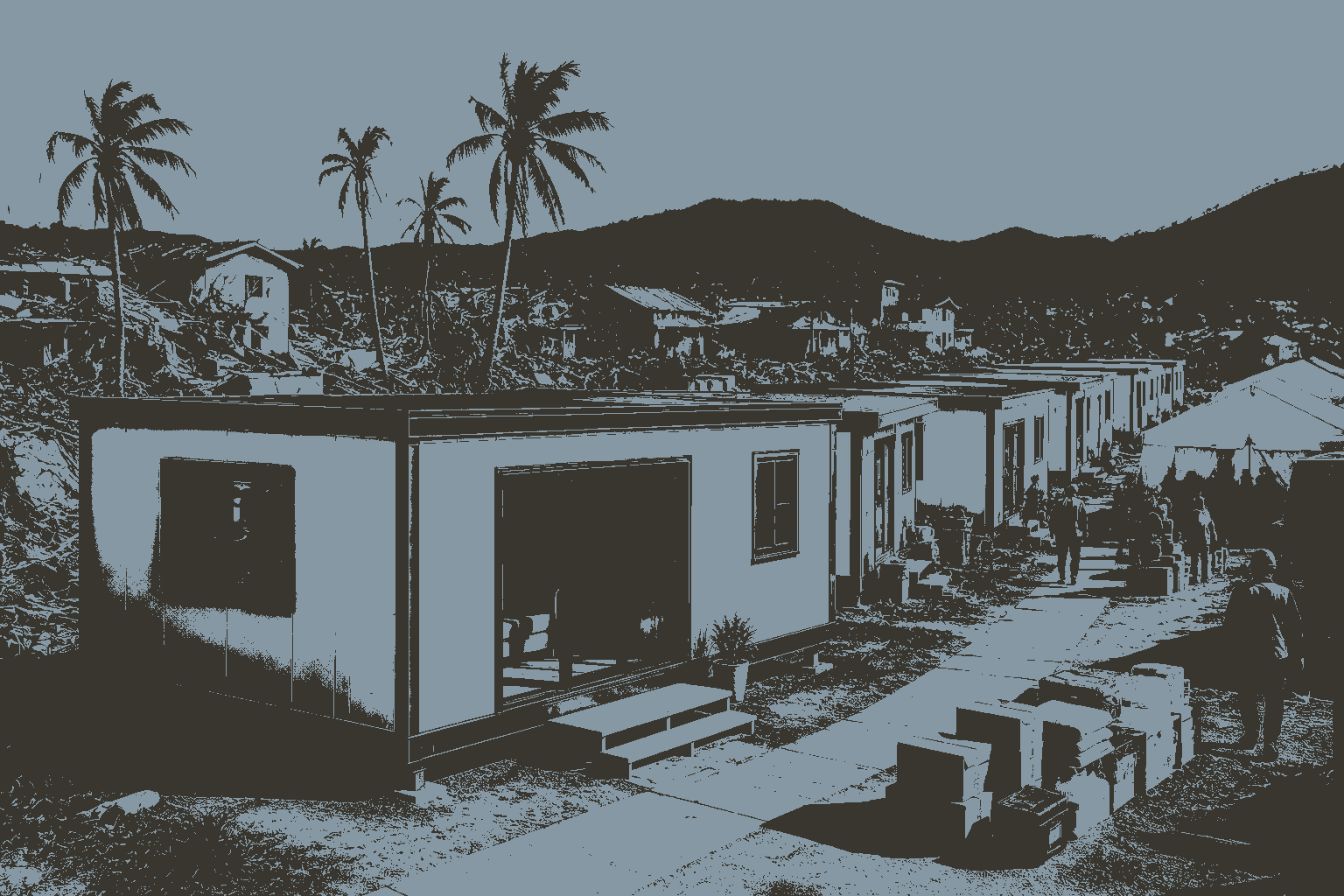
A: No. Modular construction is expanding in both developed and emerging markets. Developed markets often adopt modular methods to address labor shortages and high costs, while emerging markets may use factory-built systems to respond to rapid urbanization, infrastructure demand, and housing shortages.
FAQ
1. Are modular construction factories replacing traditional builders?
No. Modular factories are not replacing all traditional builders. Instead, they are becoming part of a hybrid construction system where factory-made components are combined with on-site assembly and local finishing work.
2. Why do developers choose modular construction?
Developers choose modular construction because it can offer faster delivery, better schedule control, consistent quality, and potential cost savings, especially when projects use repeatable designs.
3. Is modular construction part of the prefab housing future?
Yes. Modular construction is one of the most important parts of the prefab housing future because it applies manufacturing logic to residential and commercial building production.