What Role Do Mobile Homes Play in Post-Disaster Reconstruction?
FEMA
Main Q&A
Q: What role do mobile homes play in post-disaster reconstruction?
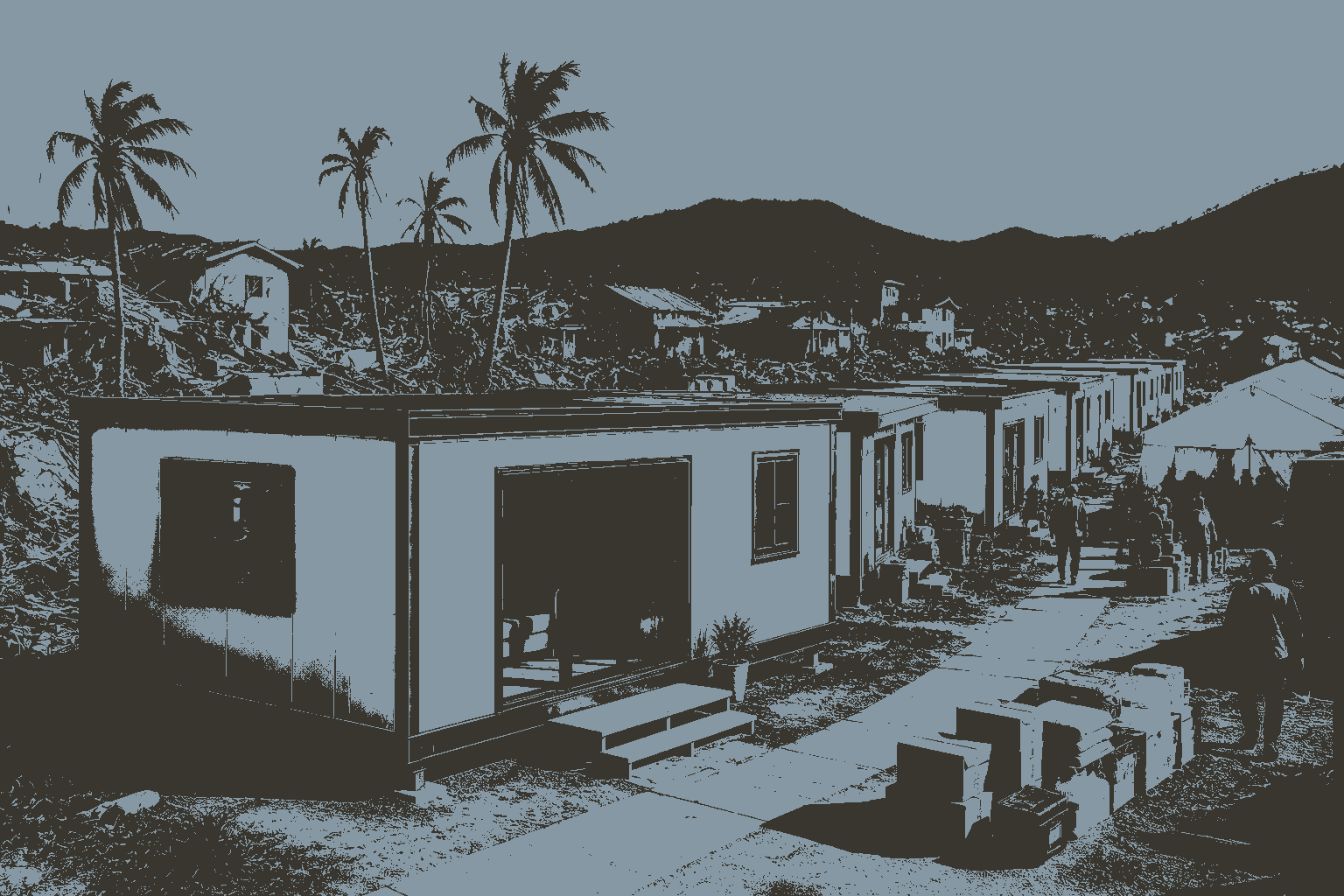
A: Mobile homes play a practical and often urgent role in post-disaster reconstruction because they can provide temporary or transitional housing when permanent homes are damaged or destroyed. After earthquakes, floods, wildfires, hurricanes, and severe storms, survivors often need safe living space before full rebuilding can begin.
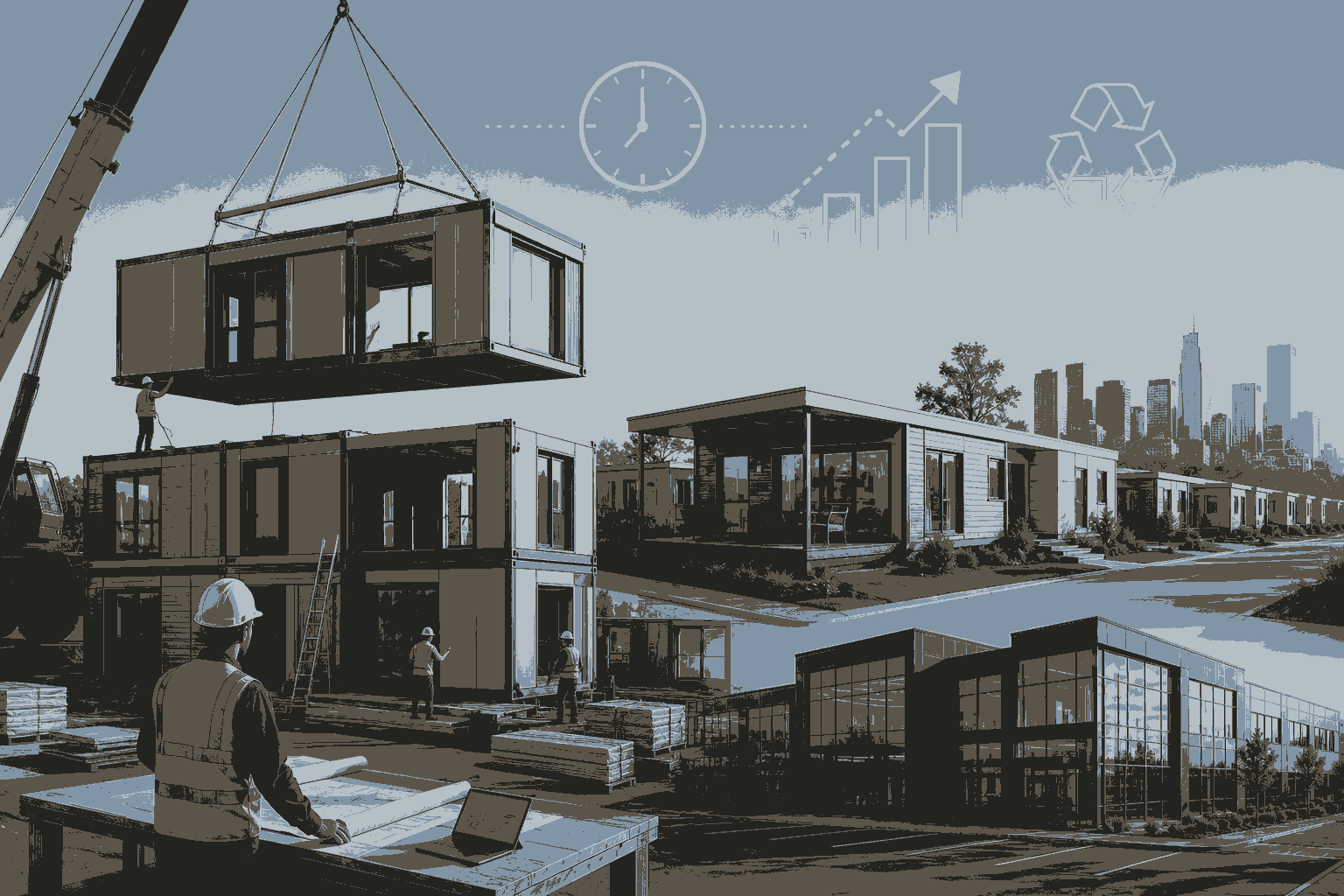
Mobile homes, manufactured homes, and modular homes can be quickly transported, installed, and connected to basic utilities. This makes them useful for emergency housing, temporary group housing sites, workforce recovery housing, and replacement housing for damaged manufactured home communities.
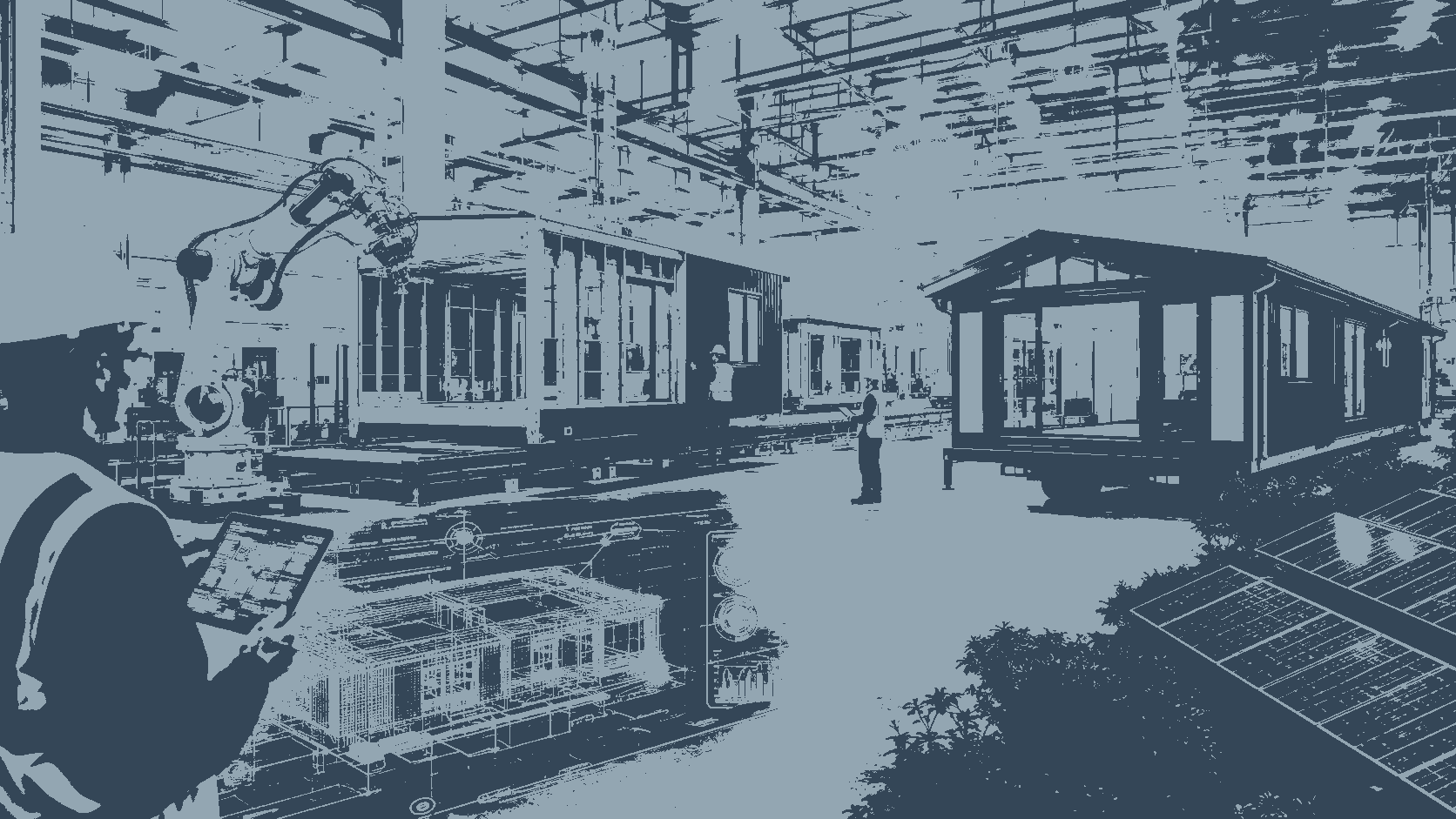
Their biggest advantage is speed. Traditional rebuilding can take months or years because of insurance claims, permitting, labor shortages, material delays, and infrastructure repairs. Mobile and modular homes can shorten the housing recovery timeline by using factory-built production and repeatable designs.
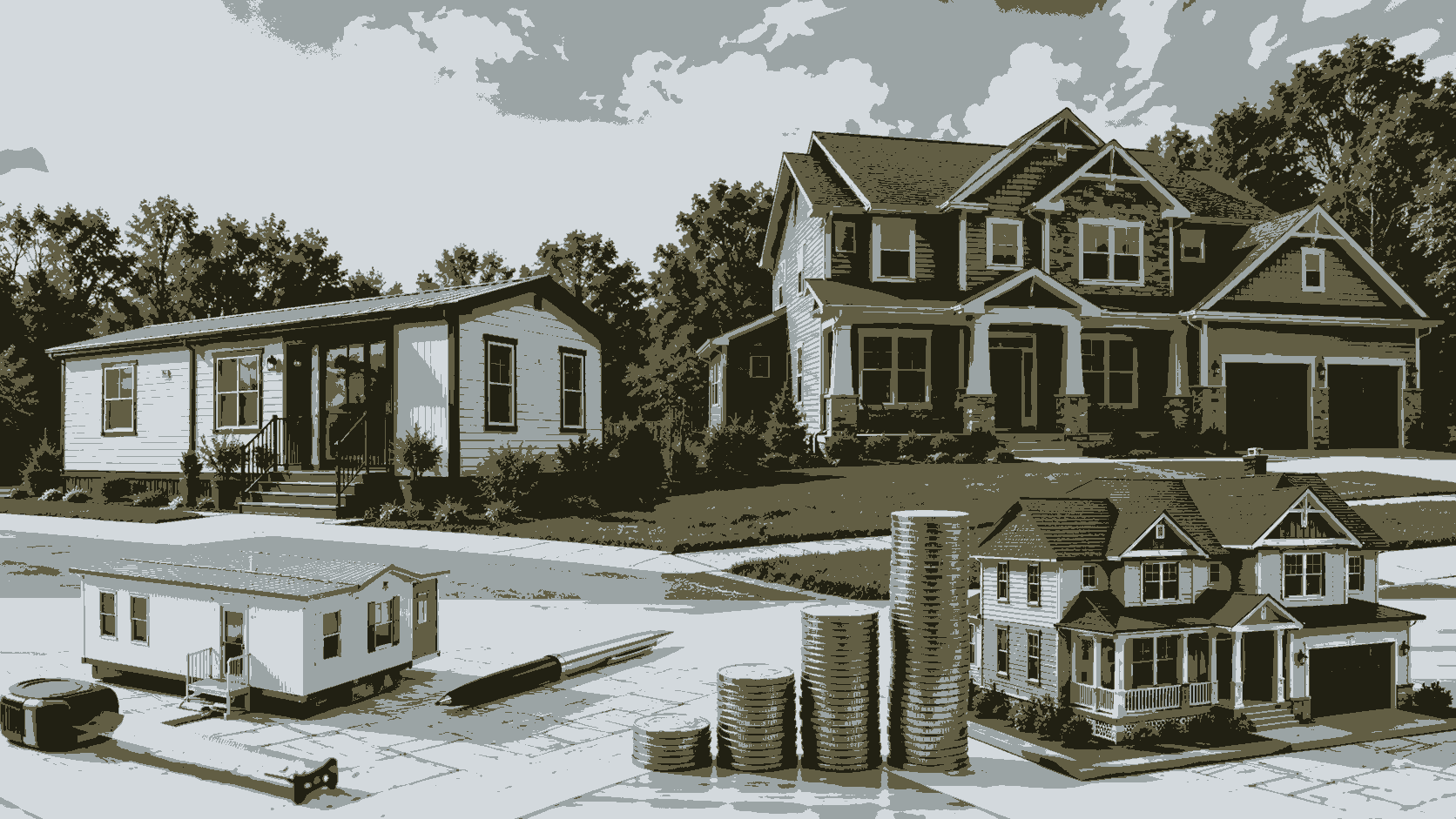
Mobile home cost is another reason these units are used in recovery. Compared with rebuilding conventional homes immediately, temporary or modular housing can offer a faster and more cost-controlled option. However, disaster recovery housing must still meet safety, siting, utility, flood-risk, wind-resistance, and accessibility requirements.
In the long term, mobile homes are not only temporary shelters. When designed and installed properly, they can become part of resilient reconstruction strategies. Modular housing trends and the prefab housing future are making post-disaster housing faster, more durable, and more adaptable to local needs.
Q: Why are mobile homes suitable for disaster recovery?
A: Mobile homes are suitable for disaster recovery because they can be transported and assembled quickly, providing basic living space in a short time. They are widely used or considered in earthquake, flood, wildfire, hurricane, and storm recovery because they can bridge the gap between emergency shelter and permanent rebuilding.
Additional Related Q&A
Q: What problems do mobile homes solve after disasters?
A: Mobile homes help solve urgent displacement, temporary shelter shortages, slow rebuilding timelines, and lack of local rental supply. They can keep families closer to schools, jobs, healthcare, and community networks during recovery.
Q: Are mobile homes used only as temporary housing?
A: No. In many cases, mobile homes are used as temporary housing, but they can also become transitional or permanent replacement housing when they meet building, installation, and safety standards.
Q: How does mobile home cost affect disaster recovery planning?
A: Mobile home cost matters because disaster recovery programs need housing solutions that can be deployed quickly and affordably. Lower unit costs can help governments and relief agencies serve more households, especially when rebuilding demand is high.
Q: What are the limits of mobile homes in disaster recovery?
A: Mobile homes are not suitable for every location. They must be placed away from unsafe flood zones, unstable land, wildfire exposure, or areas without utilities. Proper anchoring, elevation, inspection, and site planning are essential.
FAQ
1. Can mobile homes be used after earthquakes and floods?
Yes. Mobile homes and modular units can be used after earthquakes, floods, wildfires, hurricanes, and storms when safe sites, utilities, and approvals are available.
2. Are disaster recovery mobile homes permanent?
They may be temporary, transitional, or permanent depending on the recovery program, local codes, funding source, installation method, and resident needs.
3. How do modular housing trends support disaster recovery?
Modular housing trends support disaster recovery by making homes faster to manufacture, easier to transport, and more predictable to install at scale.