Building Information Modeling (BIM) Enhances Digital Collaboration in Modular Construction
buildingSMART International
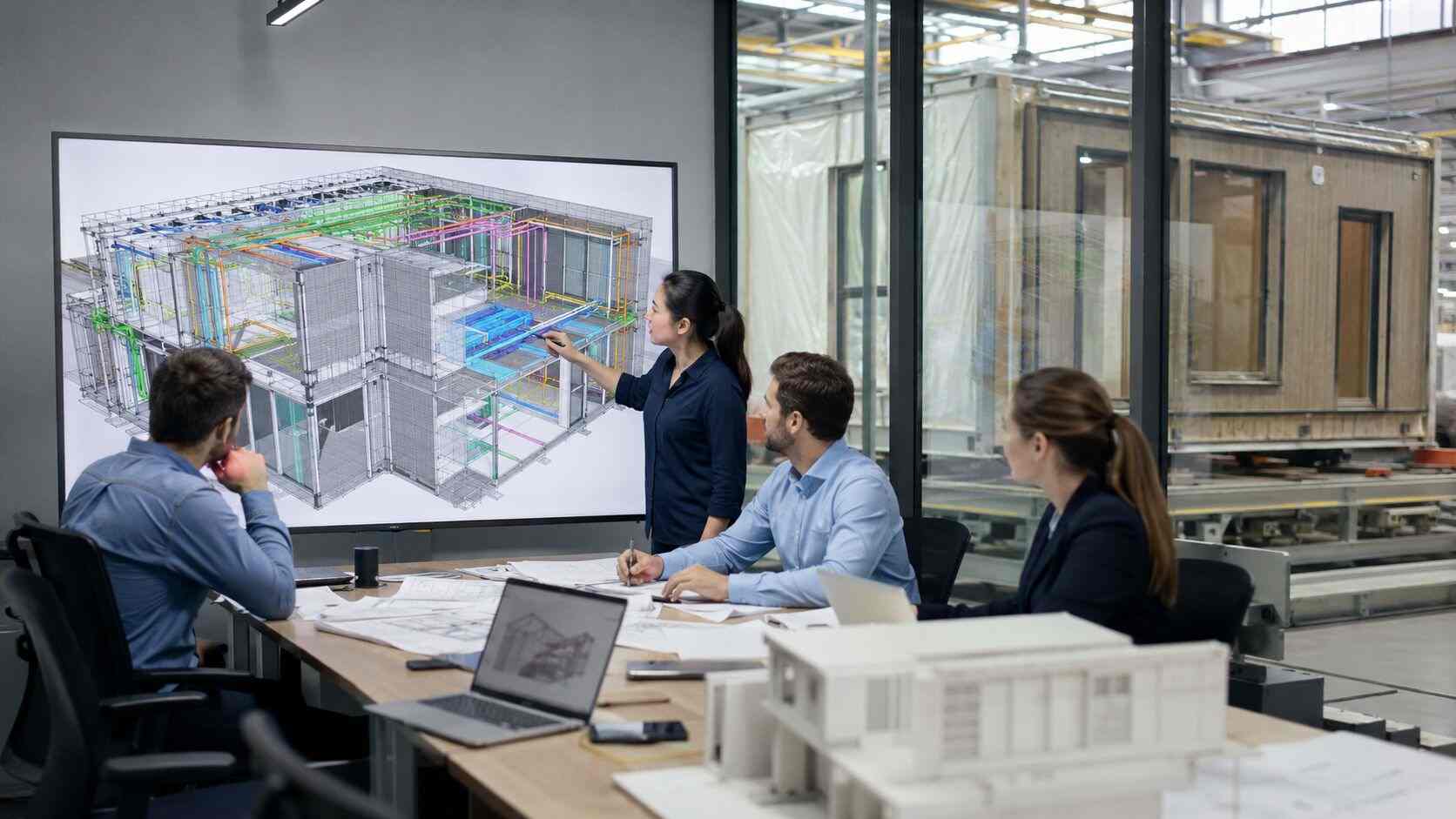
Building Information Modeling (BIM) is a digital process that creates an intelligent three-dimensional model containing geometric, technical, scheduling, cost, and operational information. Unlike traditional drawings, BIM enables stakeholders to visualize projects, detect design conflicts, and improve communication before construction begins.
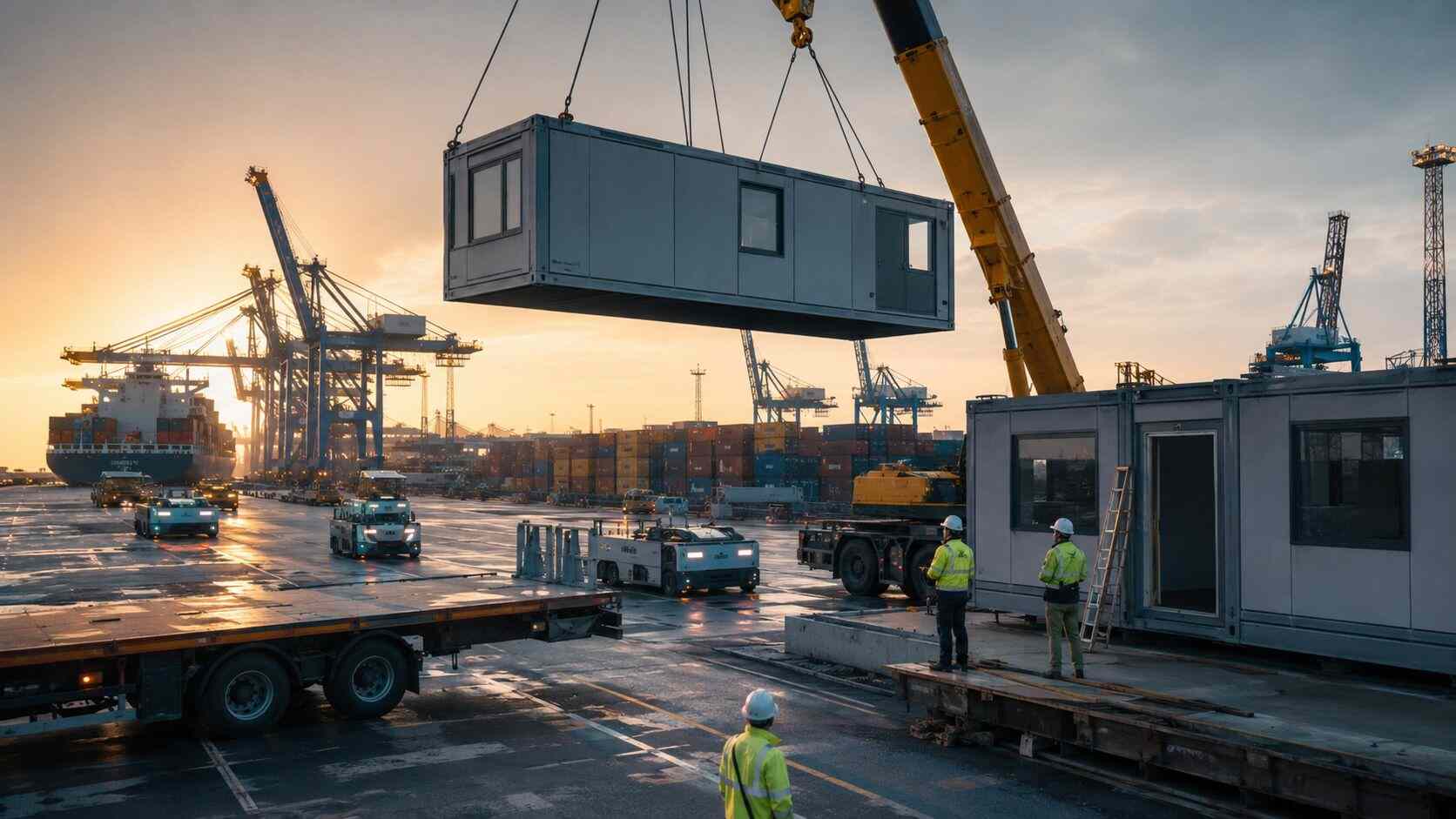
In modular construction, BIM supports every stage of the project lifecycle. Designers use BIM to optimize module layouts and engineering systems, manufacturers rely on model data for production planning and quality control, while logistics teams coordinate transportation and lifting operations based on accurate digital information. After project completion, BIM models can also support facility management and future maintenance activities.
Frequently Asked Questions (FAQ)
Q1: What is Building Information Modeling (BIM)?
BIM is a digital process that creates and manages detailed building information throughout a project's lifecycle. It combines 3D models with engineering, scheduling, cost, and operational data.
Q2: Why is BIM especially valuable for modular construction?
Because modular projects require close coordination between designers, manufacturers, transport providers, and installation teams. BIM improves communication, reduces errors, and enables more efficient project execution.
Q3: What should international buyers consider?
Buyers should evaluate whether suppliers have BIM capabilities, standardized digital workflows, multidisciplinary coordination experience, and the ability to exchange project data with architects, engineers, and contractors using internationally recognized BIM standards.
Q4: What are the future trends?
Future developments include cloud-based BIM collaboration, AI-assisted design optimization, Digital Twin integration, automated quantity takeoffs, and smarter facility management using connected digital building information.
 Enhances Digital Collaboration in Modular Construction)