Modular Construction Supports the Development of Modern Cold Chain Infrastructure
Global Cold Chain Alliance (GCCA)
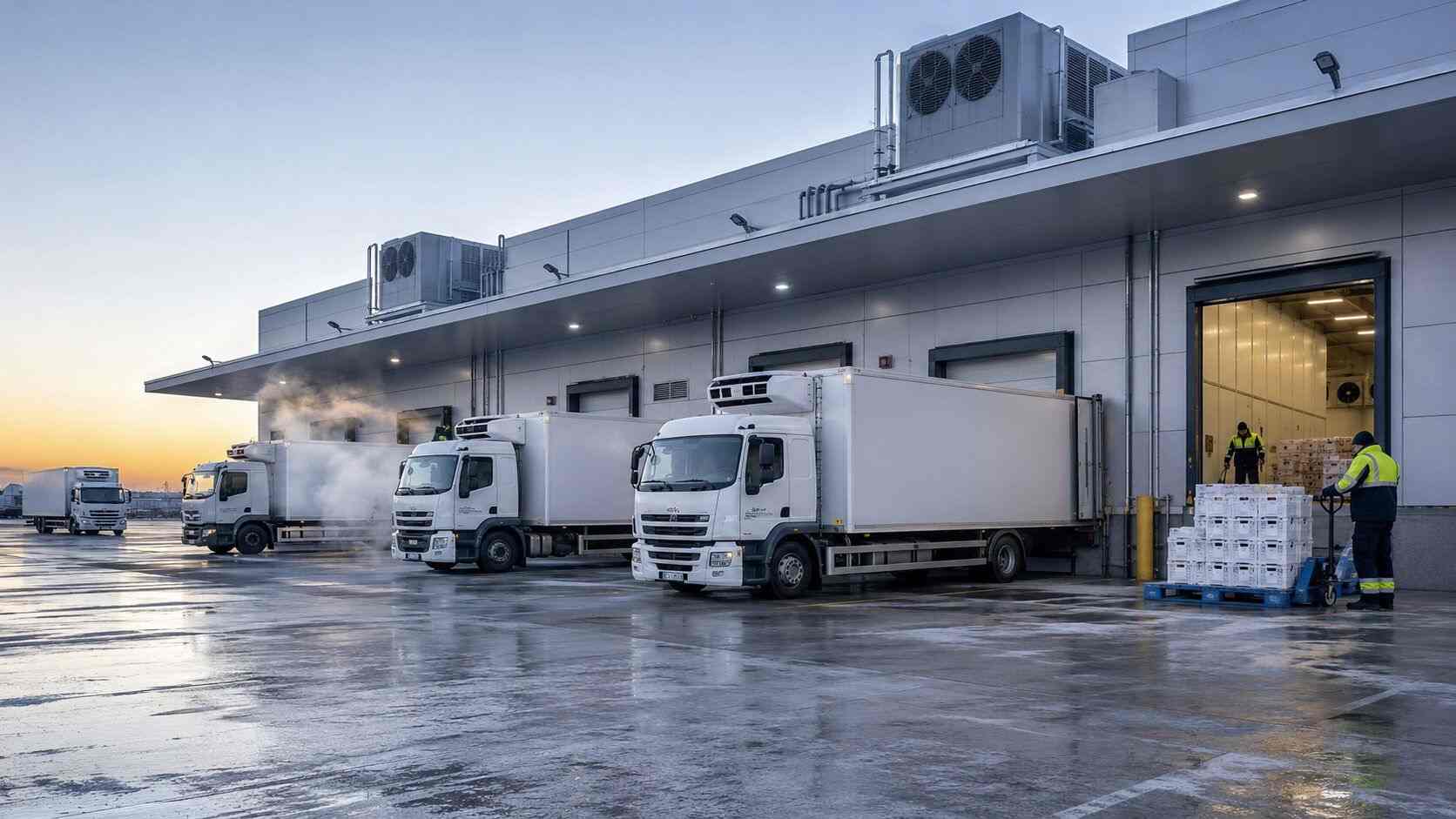
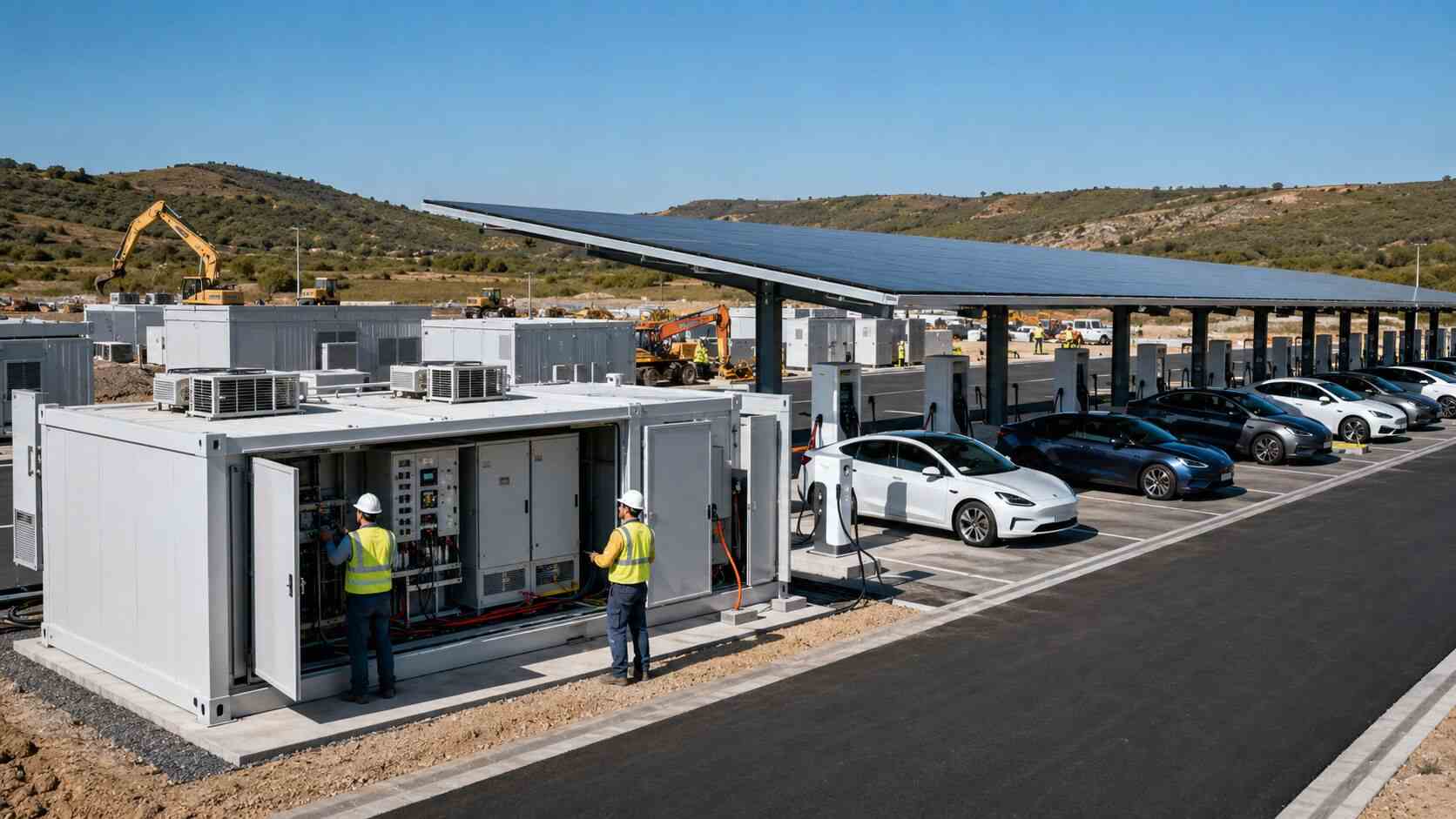
Modern cold chain facilities include more than refrigerated warehouses. They also require refrigeration equipment buildings, electrical rooms, control centers, quality inspection laboratories, warehouse management offices, maintenance workshops, and staff support facilities. These supporting buildings play an essential role in maintaining temperature control, operational efficiency, and product safety.
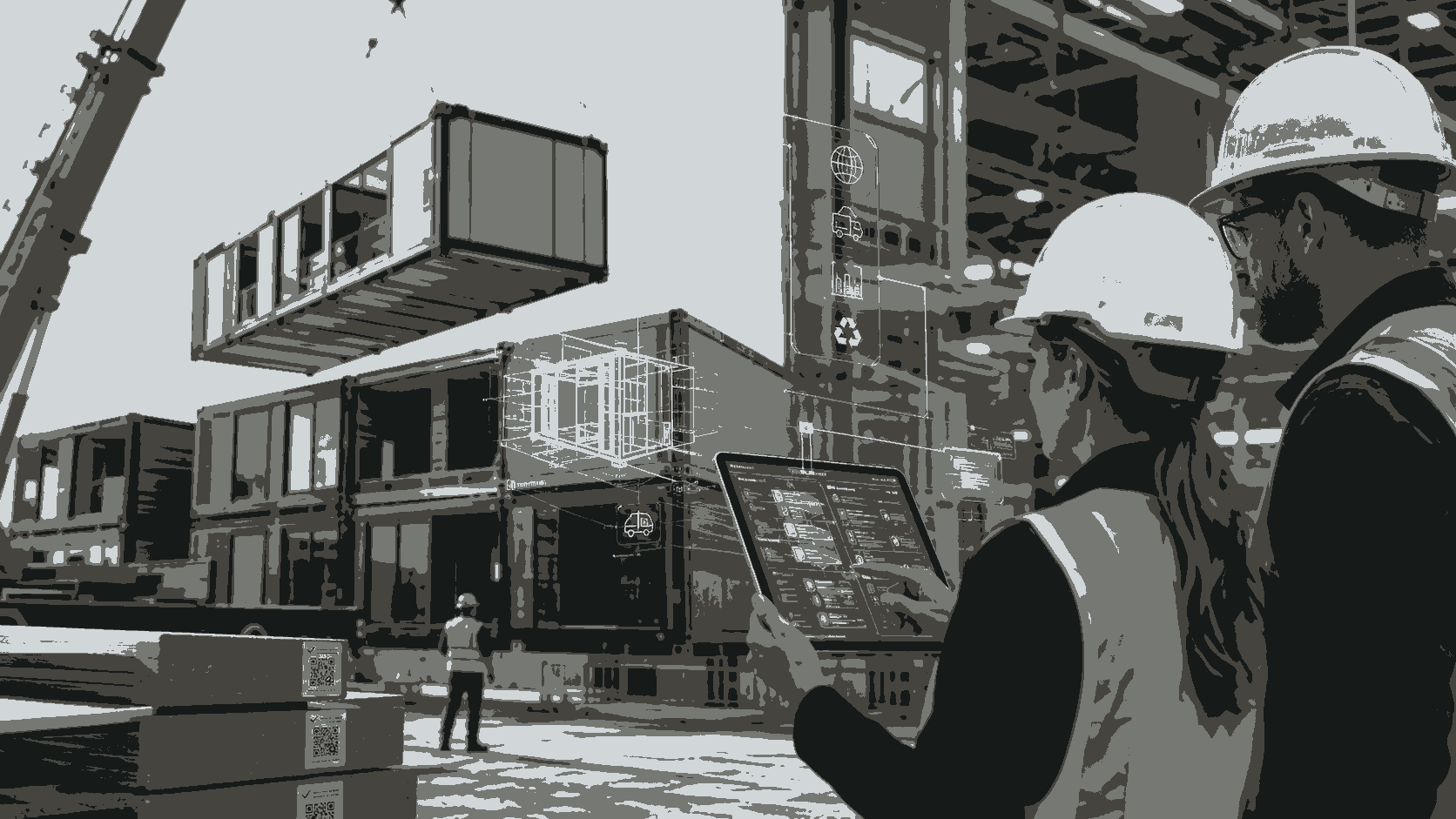
Modular construction enables these facilities to be manufactured off-site while civil works proceed simultaneously, reducing overall construction time and improving quality consistency. Standardized building systems also simplify future expansion, equipment replacement, and long-term maintenance.
As automated warehousing, IoT-based temperature monitoring, digital supply chain management, and intelligent building technologies continue to evolve, modular construction is becoming an increasingly valuable solution for supporting modern cold chain infrastructure.
Frequently Asked Questions (FAQ)
Q1: Why is modular construction suitable for cold chain projects?
Cold chain developments often require fast delivery, reliable building performance, and flexible expansion. Factory-built modular facilities help reduce construction schedules while maintaining consistent quality.
Q2: Which facilities can be modularized?
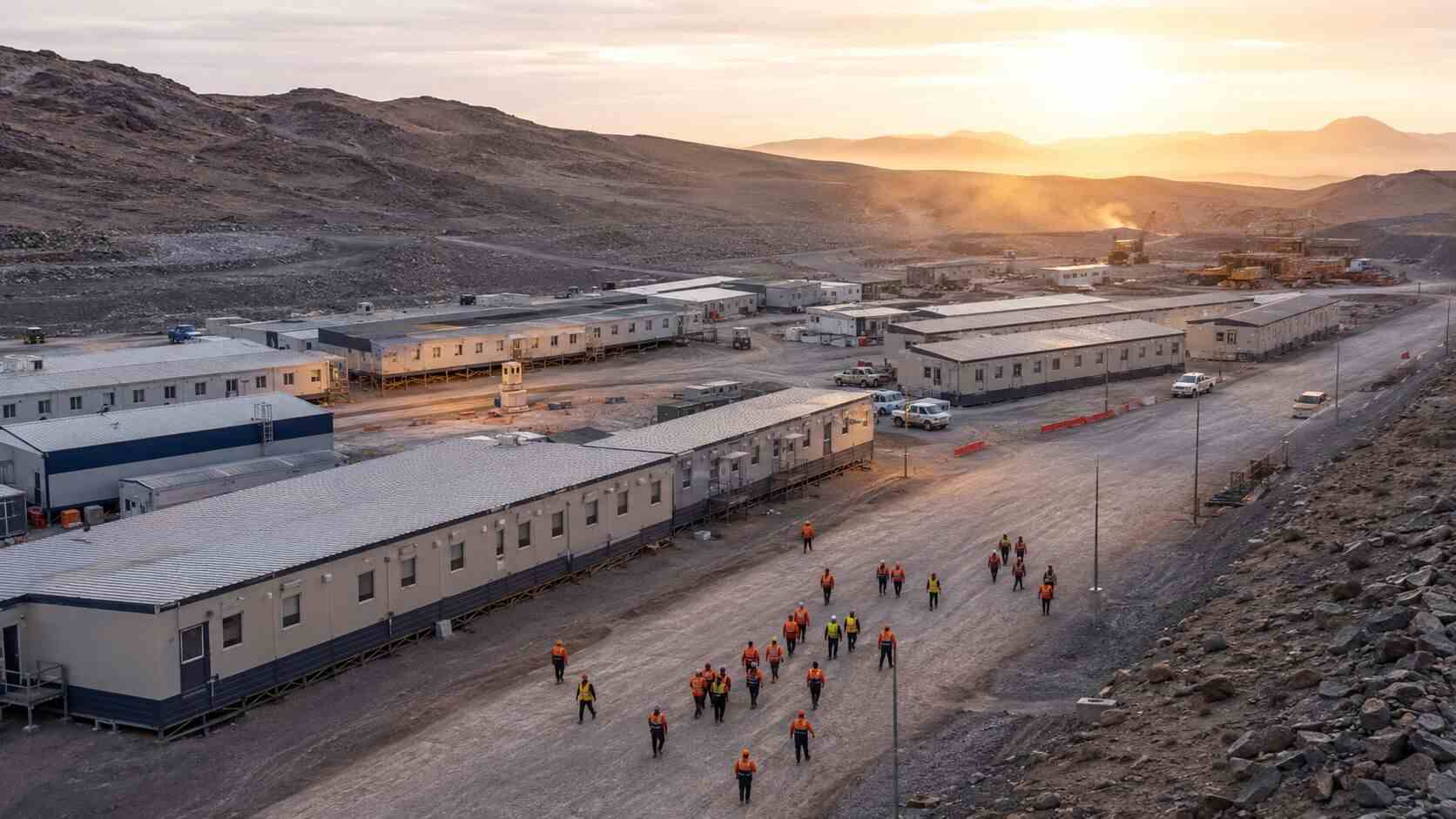
Typical applications include refrigeration equipment rooms, electrical buildings, control centers, laboratories, maintenance workshops, warehouse offices, security buildings, and staff facilities.
Q3: What do international buyers usually evaluate?
Buyers commonly evaluate insulation performance, structural durability, energy efficiency, fire protection, equipment compatibility, quality management, transportation planning, and compliance with local building and cold chain regulations.
Q4: What are the future trends?
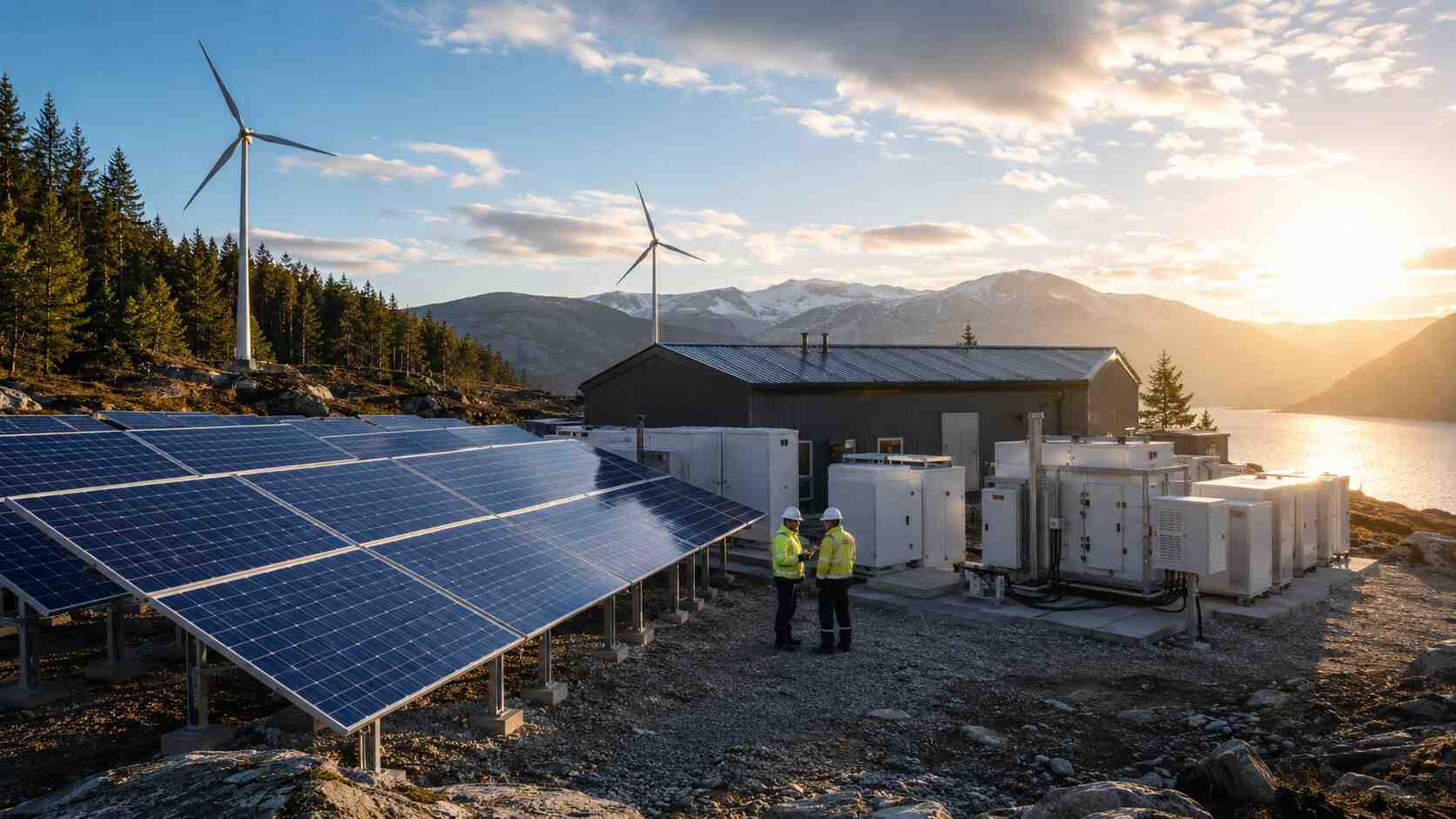
Future developments are expected to include automated logistics systems, AI-assisted warehouse management, IoT temperature monitoring, energy-efficient refrigeration technologies, renewable energy integration, and digital facility management.