Modular Construction Supports the Modernization of Port Infrastructure
UN Trade and Development (UNCTAD)
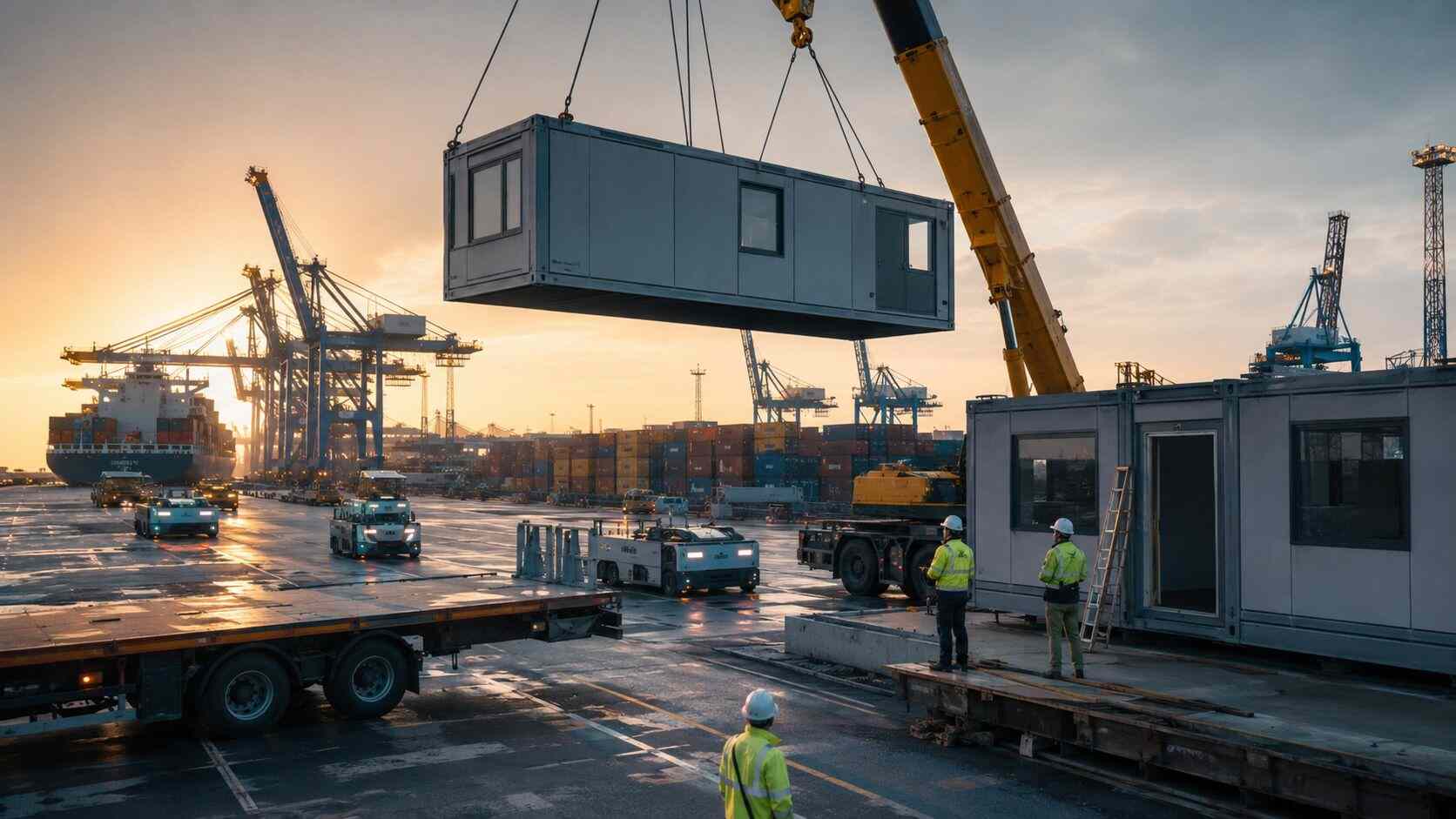
Modern ports require a wide range of supporting facilities in addition to terminals and cargo handling areas. These include port operations centers, customs offices, border inspection facilities, communication buildings, maintenance workshops, warehouse management offices, and staff service buildings. Supporting infrastructure plays a vital role in ensuring efficient cargo movement and reliable port operations.
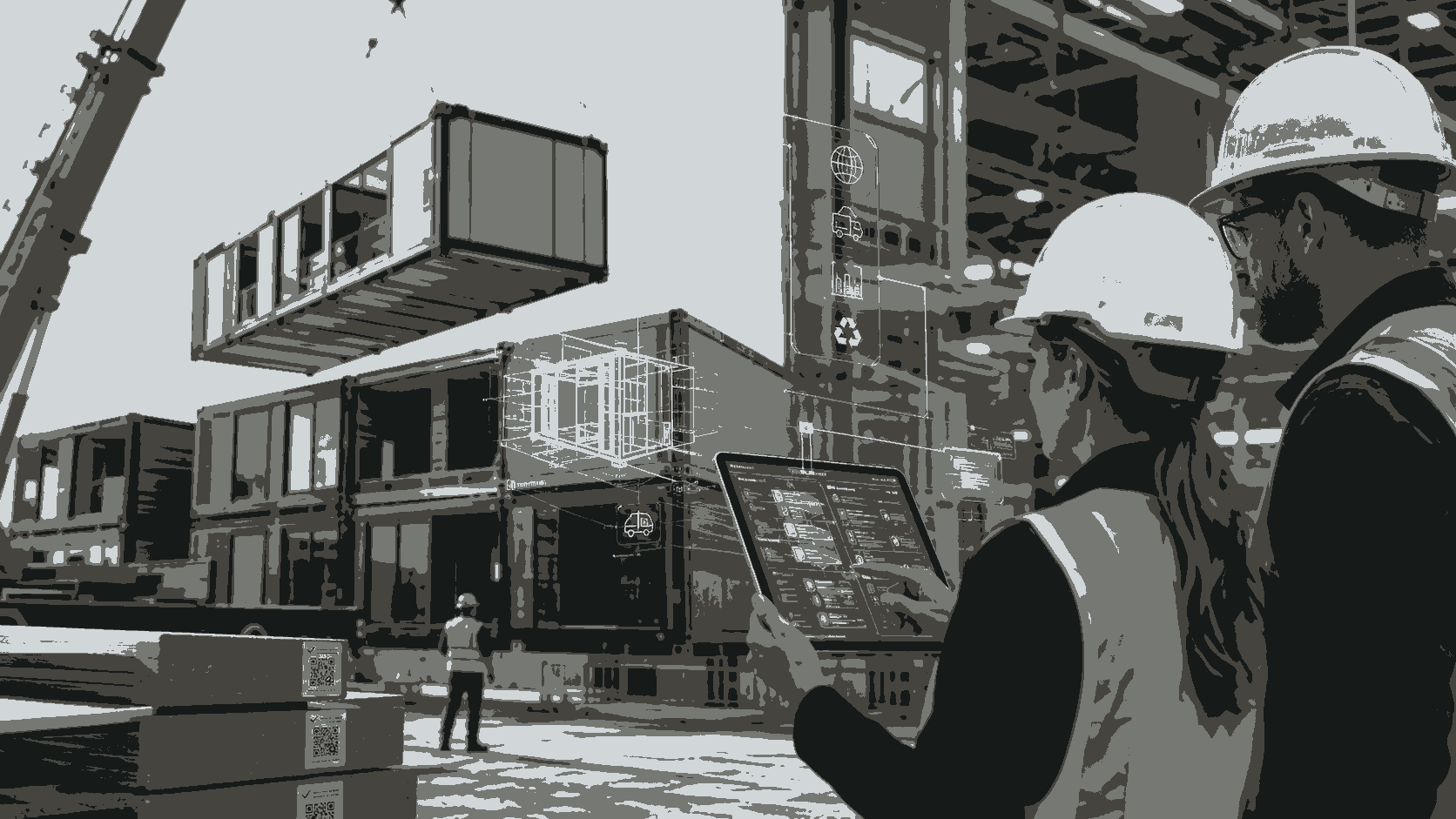
Modular construction allows these buildings to be manufactured in controlled factory environments and installed rapidly on-site. This approach shortens construction schedules, minimizes disruption to active port operations, and improves quality consistency. Standardized building systems also make future expansion and maintenance more efficient.
As ports continue adopting automation, digital logistics platforms, IoT technologies, and smart port management systems, modular construction is becoming an increasingly practical solution for delivering flexible and scalable support infrastructure.
Frequently Asked Questions (FAQ)
Q1: Why is modular construction suitable for port infrastructure?
Port projects often require fast construction within active logistics environments. Modular construction reduces on-site work, shortens delivery schedules, and minimizes operational disruption.
Q2: Which port facilities can be modularized?
Typical applications include operations centers, customs buildings, border inspection facilities, maintenance workshops, equipment buildings, warehouse offices, security checkpoints, and staff accommodation.
Q3: What do international buyers usually evaluate?
Buyers typically assess structural durability, corrosion resistance, weather protection, quality management, transportation planning, installation efficiency, and compliance with local port and construction regulations.
Q4: What are the future trends?
Future developments are expected to include smart port technologies, automated cargo handling systems, digital logistics management, energy-efficient buildings, modular expansion strategies, and sustainable waterfront infrastructure.