Modular Construction Supports the Development of CCUS Infrastructure
International Energy Agency (IEA)
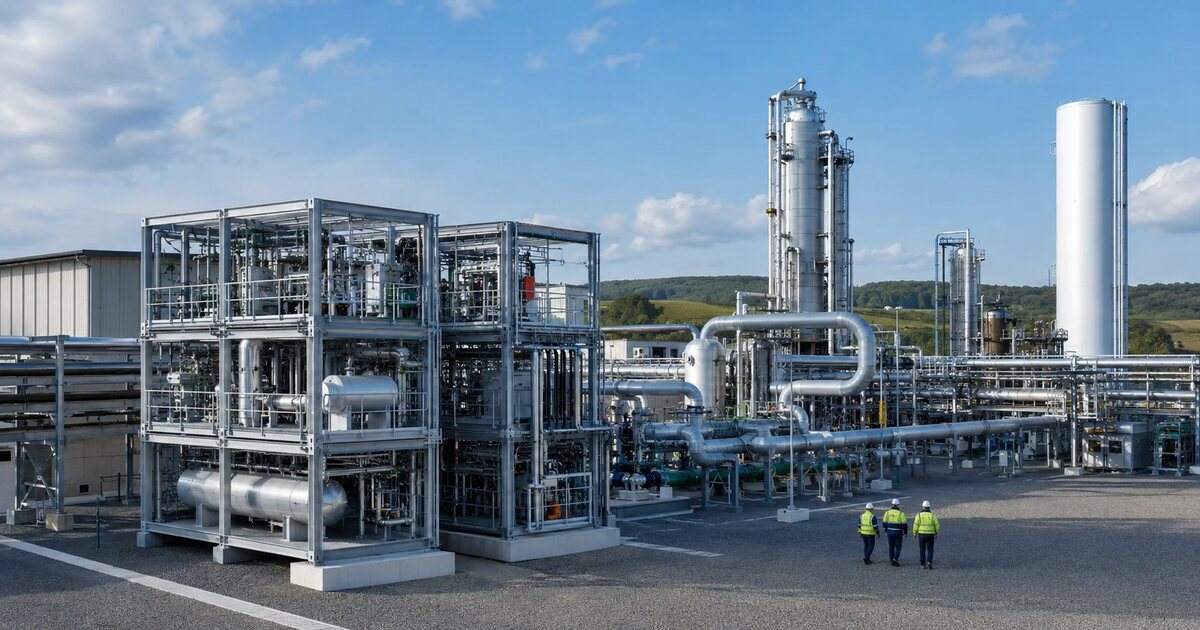
CCUS technologies capture carbon dioxide emissions from industrial processes or energy facilities and either utilize or permanently store the captured CO₂ to reduce greenhouse gas emissions. These technologies are increasingly being adopted in power generation, cement manufacturing, steel production, chemical processing, and natural gas treatment as part of global decarbonization strategies.
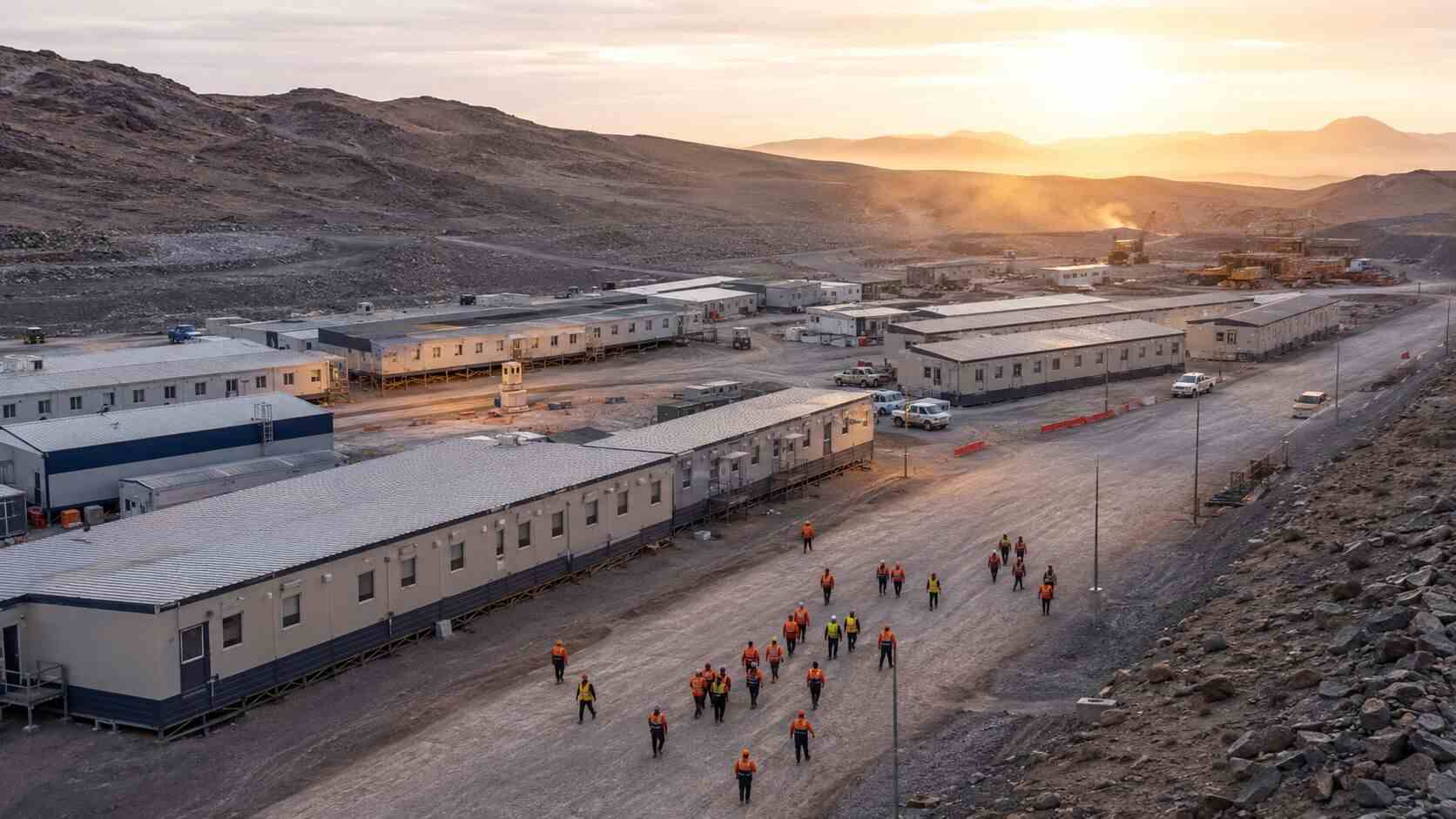
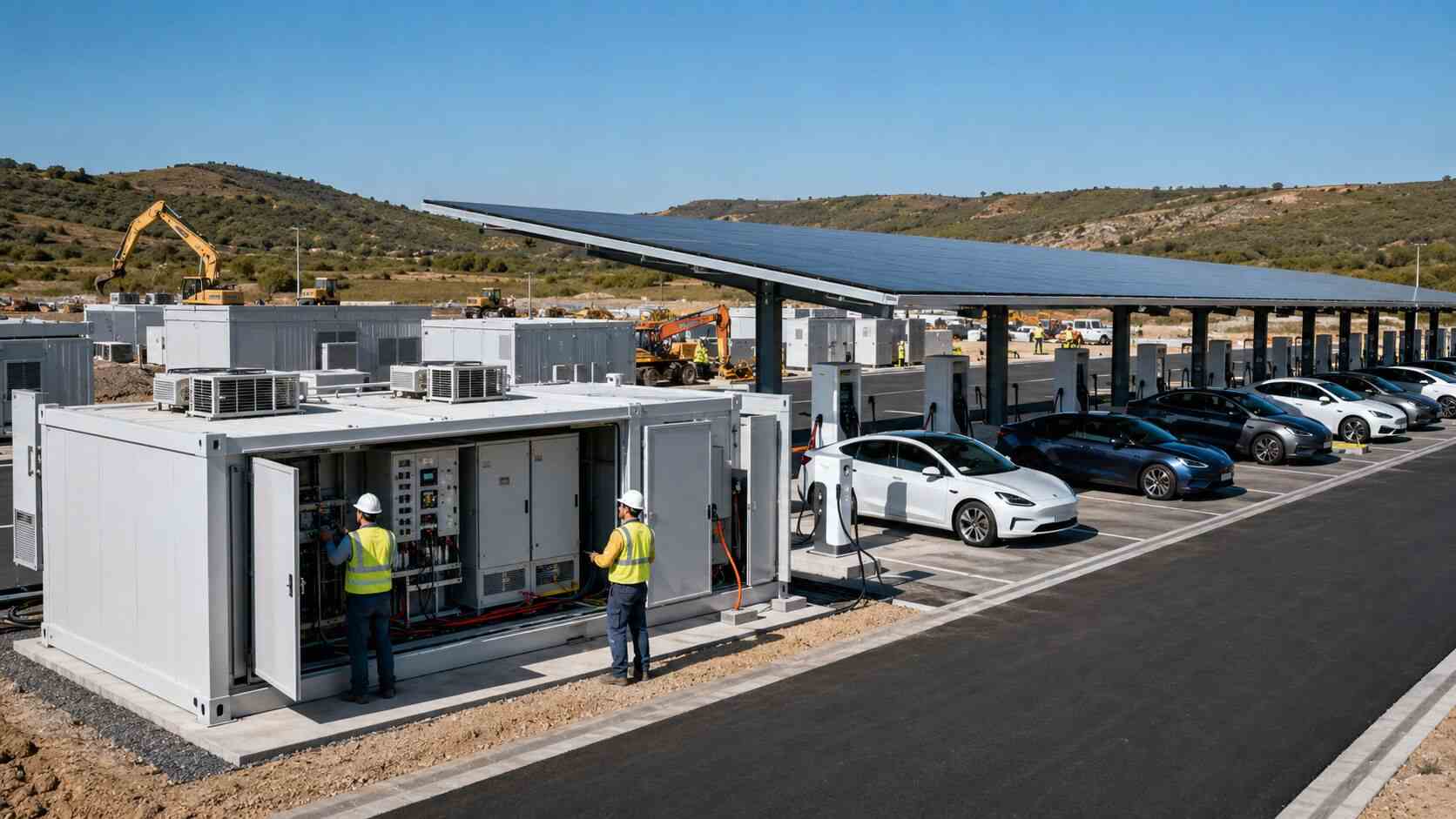
Beyond process equipment, CCUS facilities require supporting infrastructure such as control buildings, monitoring centers, electrical equipment rooms, laboratories, maintenance workshops, and administration offices. Modular construction enables these buildings to be manufactured off-site and installed rapidly, helping improve construction efficiency and project coordination.
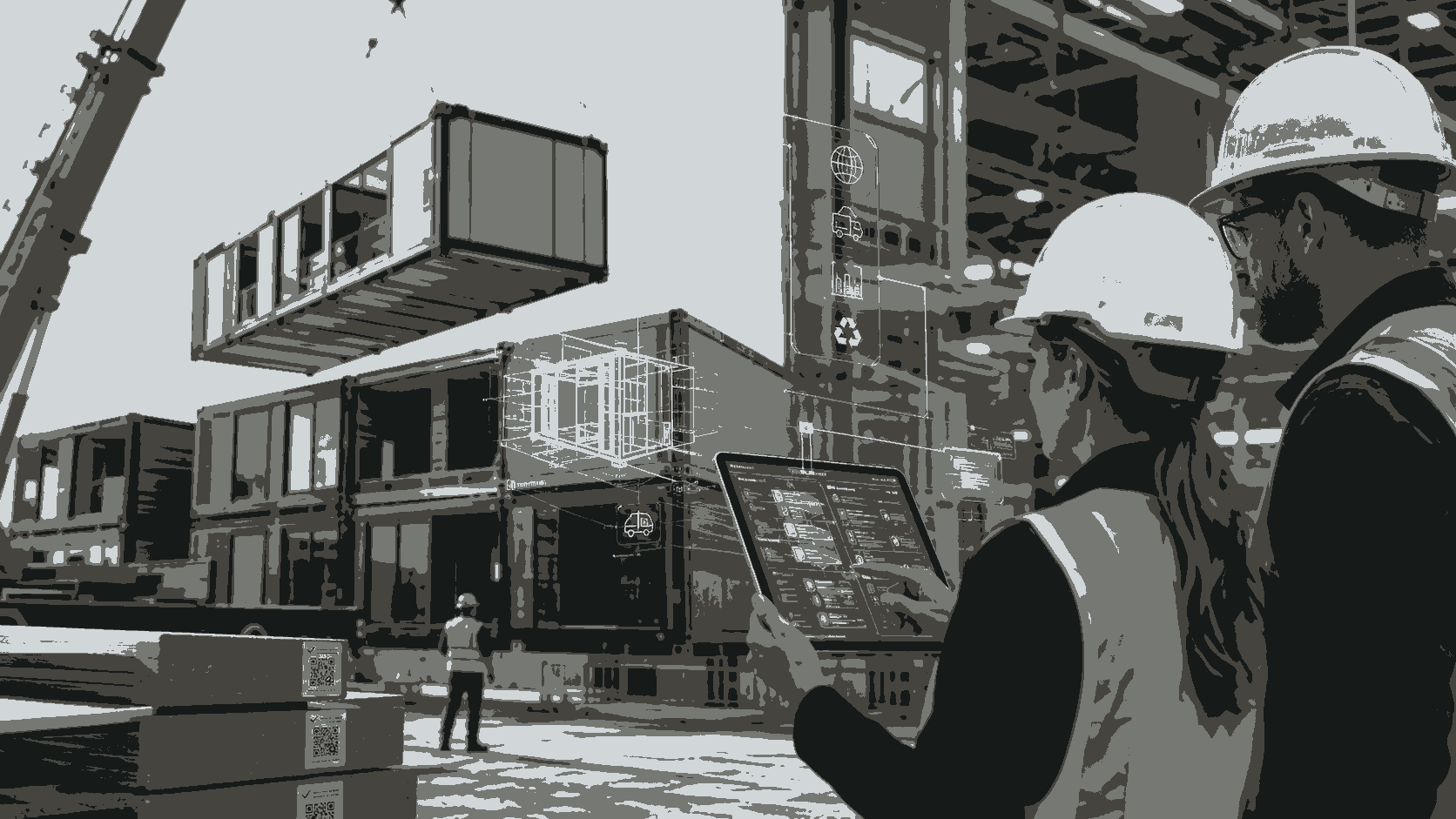
As digital engineering, intelligent monitoring, carbon management platforms, BIM, and digital twin technologies become more widely adopted, modular construction is expected to play an increasingly important role in supporting the delivery of next-generation low-carbon industrial infrastructure.
Frequently Asked Questions (FAQ)
Q1: What is CCUS?
CCUS stands for Carbon Capture, Utilization and Storage. It involves capturing carbon dioxide emissions, using them in industrial applications or storing them safely to help reduce greenhouse gas emissions.
Q2: Why is modular construction suitable for CCUS projects?
CCUS projects require multiple supporting buildings that must be delivered efficiently alongside complex industrial facilities. Modular construction shortens construction schedules while improving quality consistency and reducing on-site work.
Q3: What do international buyers usually evaluate?
Buyers typically assess structural durability, corrosion resistance, safety performance, compatibility with industrial systems, quality management, logistics planning, and compliance with applicable engineering and environmental standards.
Q4: What are the future trends?
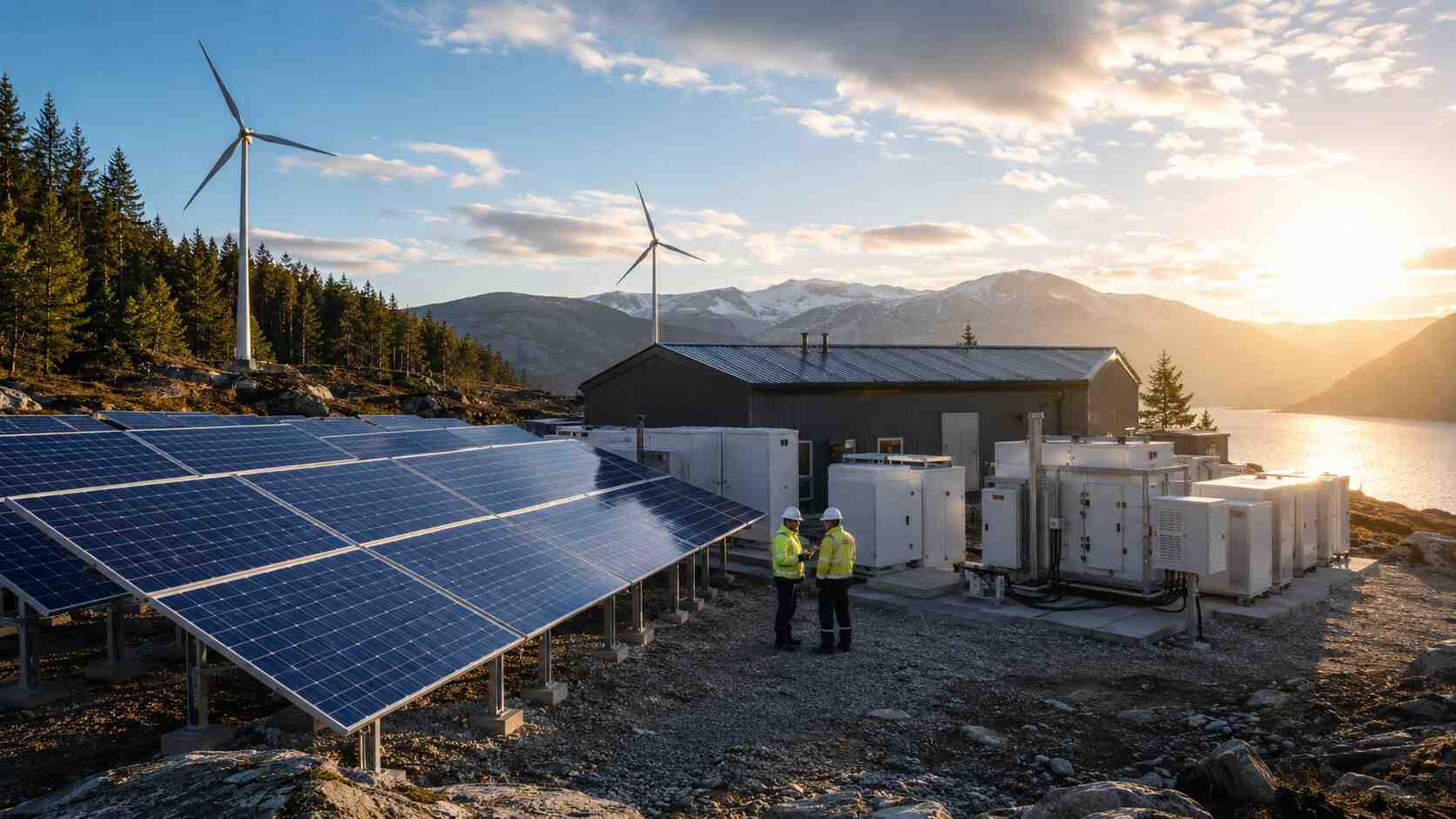
Future developments are expected to include AI-assisted carbon management, digital twin integration, modular expansion strategies, advanced monitoring systems, energy-efficient support buildings, and greater integration with renewable energy projects.