Growing Energy Storage Projects Drive Demand for Modular Battery Storage Buildings
U.S. Department of Energy
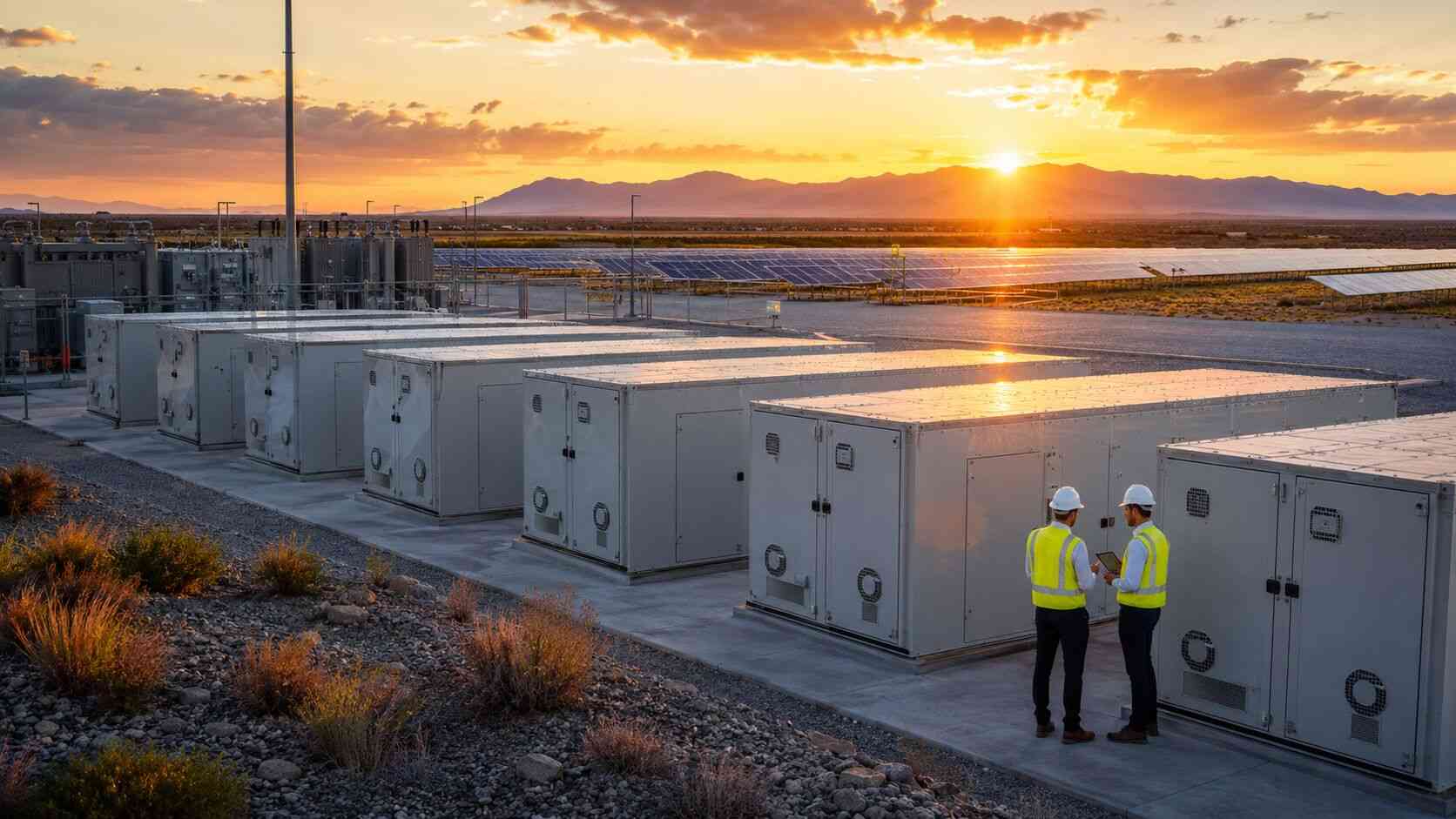
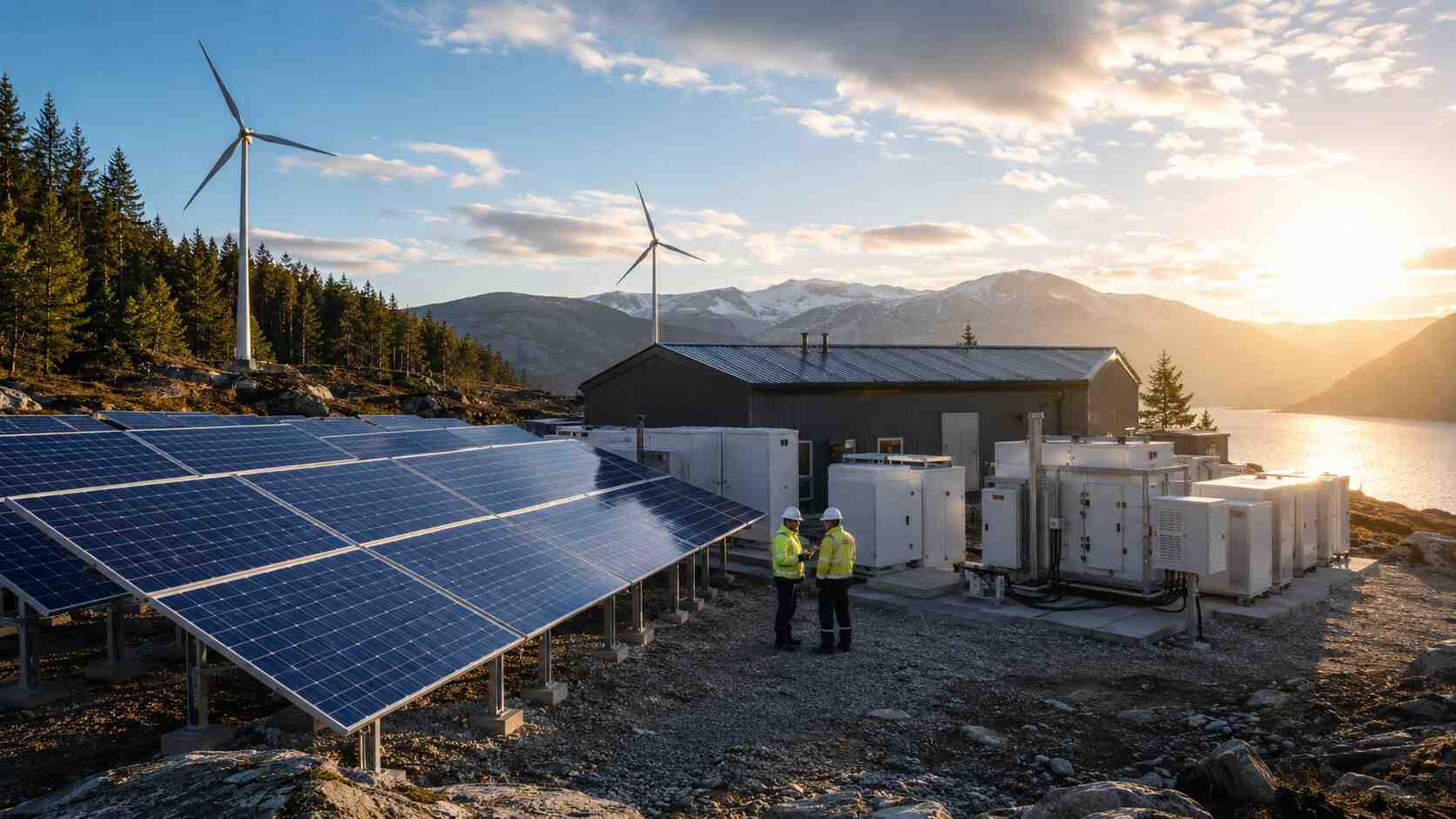
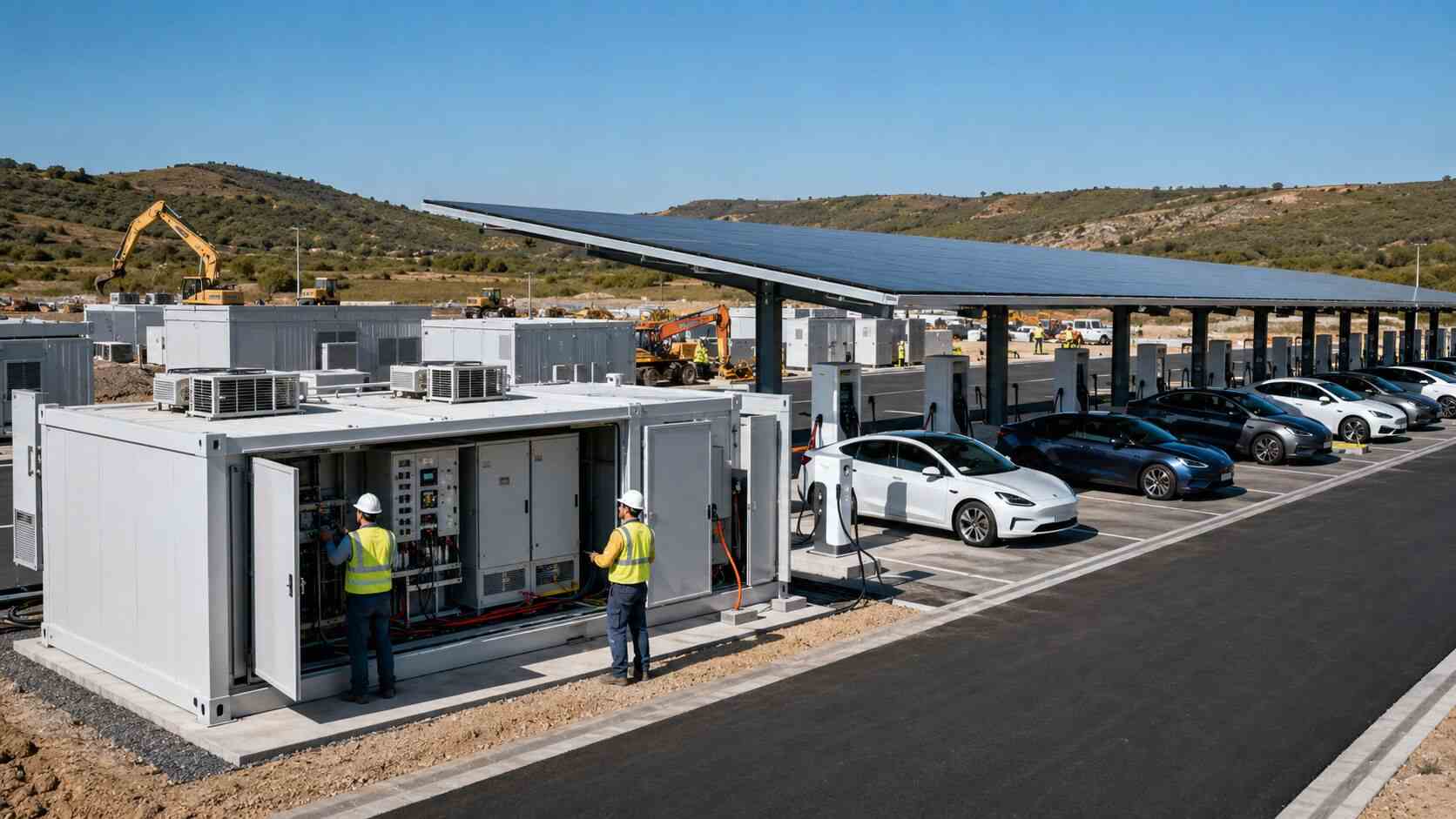
As renewable energy capacity continues to increase worldwide, battery energy storage systems are becoming essential for improving grid reliability and balancing electricity supply. In addition to battery equipment, these projects require operation buildings, control rooms, electrical equipment enclosures, maintenance facilities, and administrative offices.
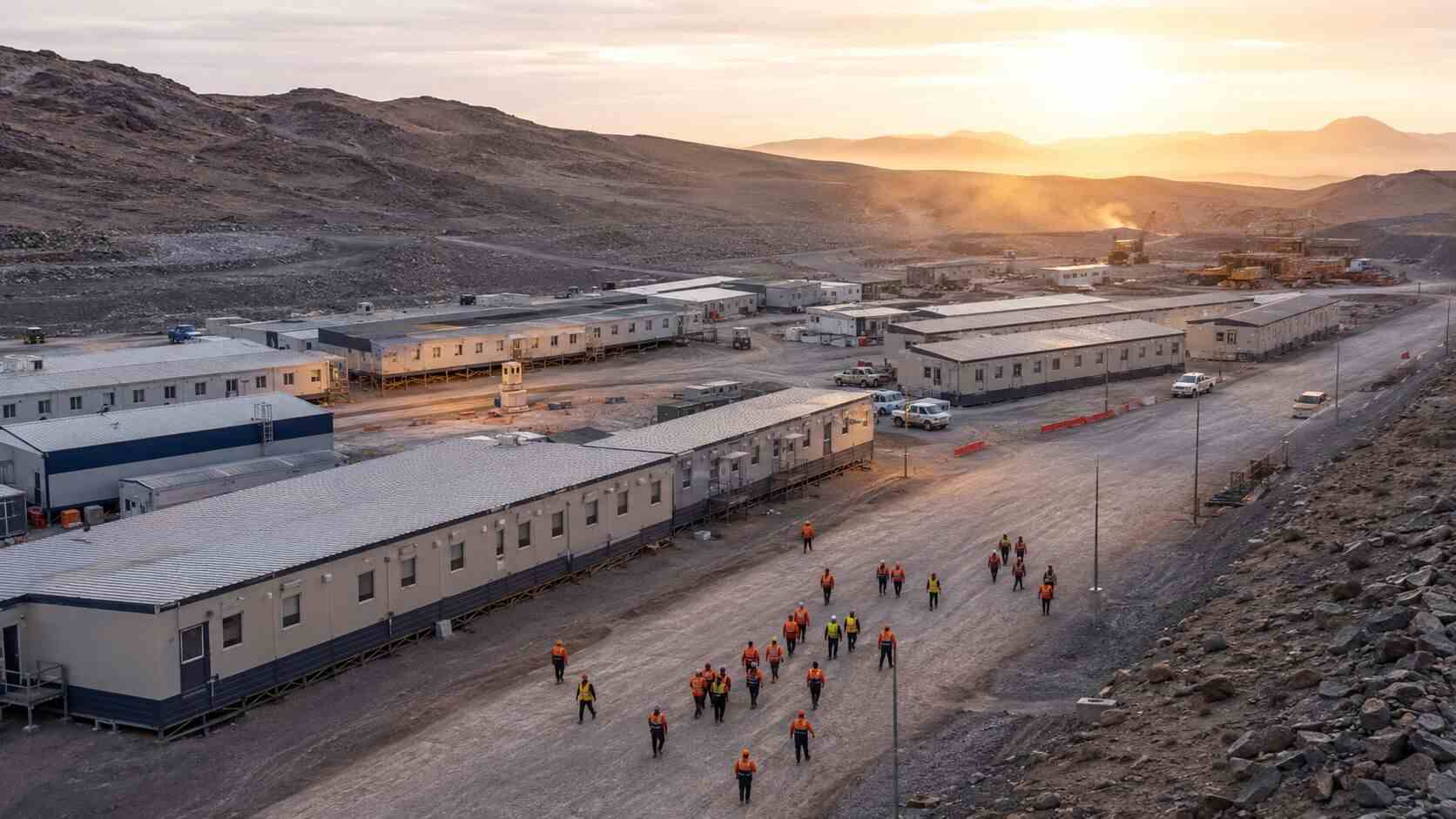
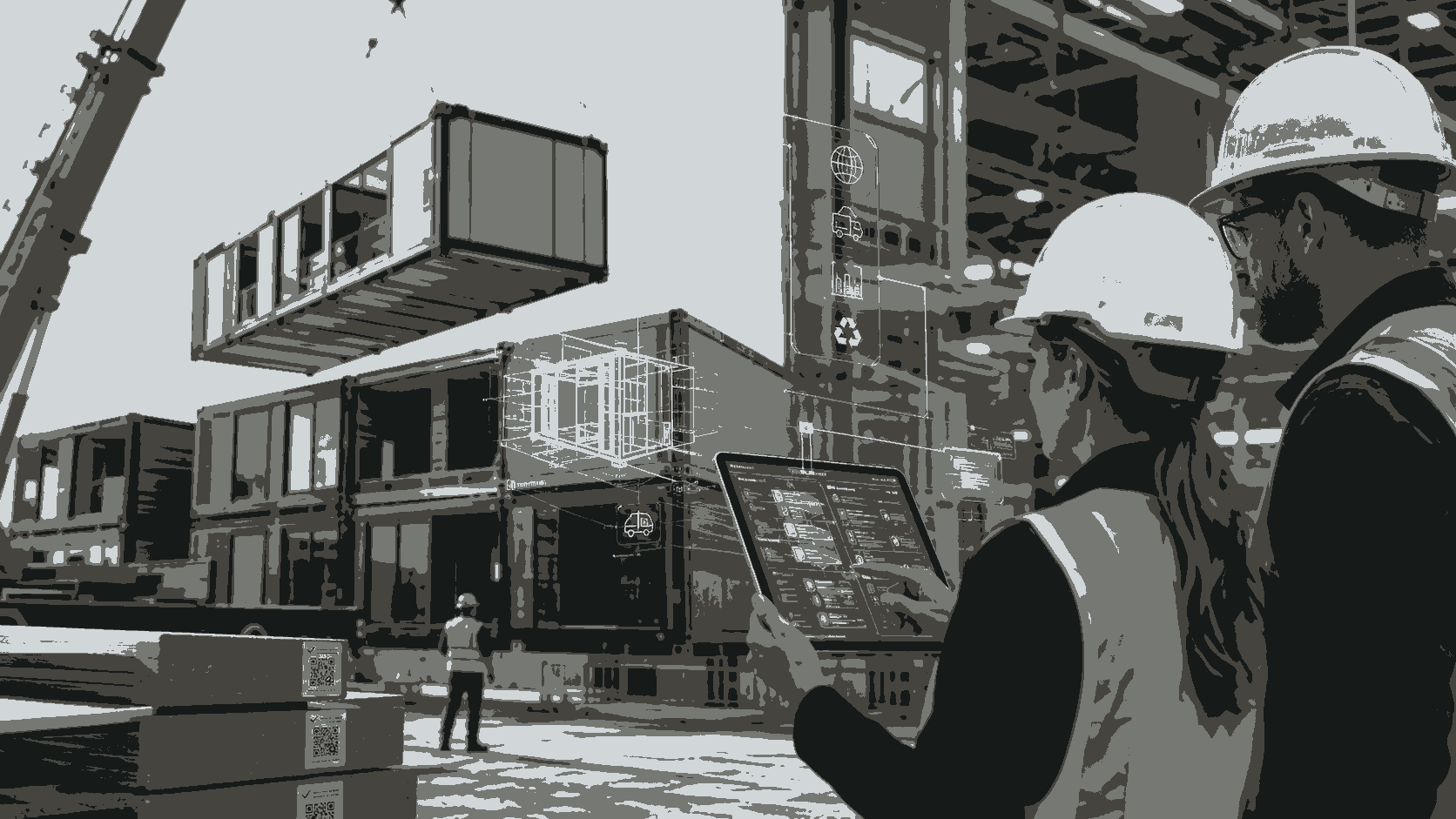
Modular construction enables these support buildings to be manufactured in controlled factory environments before rapid installation on site. This approach improves quality consistency, shortens project schedules, and reduces construction risks, particularly in remote project locations.
With continued investment in renewable energy and grid modernization, modular buildings are expected to play a larger role in supporting utility-scale energy storage projects across global markets.
Frequently Asked Questions (FAQ)
Q1: Why are modular buildings suitable for battery energy storage projects?
Battery energy storage projects often require rapid deployment and standardized support facilities. Modular construction enables buildings to be manufactured while site preparation is underway, reducing overall construction time and improving project coordination.
Q2: Which facilities can be delivered using modular construction?
Typical applications include control rooms, electrical equipment buildings, monitoring centers, maintenance workshops, administration offices, security buildings, and operator facilities. Building configurations can be customized according to project requirements.
Q3: What should international buyers evaluate?
Buyers should assess structural durability, fire protection measures, environmental resistance, manufacturing quality, electrical system integration, transportation planning, compliance with local regulations, and installation experience.
Q4: What are the future trends?
Future developments are expected to include greater integration with renewable energy projects, digital monitoring platforms, intelligent operation and maintenance systems, standardized building designs, and higher sustainability standards.