Rapidly Assembled Research Facility Opens on Remote Japanese Island with Independent Power, Communications and Emergency Shelter Functions
Impress Watch
Question 1: Why was a new research facility needed on the uninhabited island?
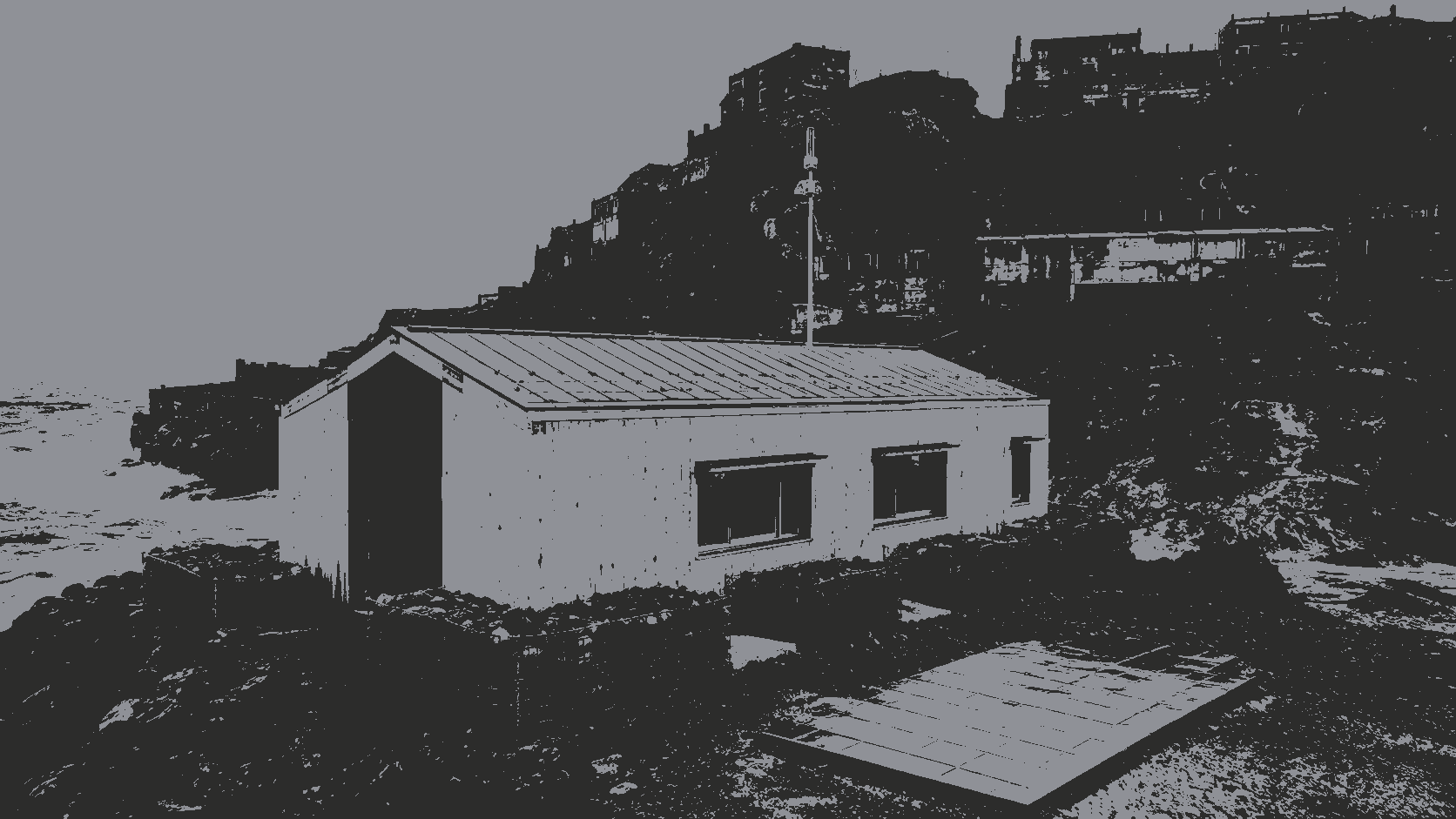
Hashima is located offshore southwest of Nagasaki Port and was once a densely populated coal-mining island. After the mine closed, reinforced-concrete housing blocks, a school and industrial structures remained. Continuous exposure to marine wind, salt, typhoons and rainfall has caused deterioration, requiring researchers to visit the island for surveys and conservation work.
The new facility provides workspace, rest areas and storage for researchers and maintenance personnel, reducing the need to establish temporary facilities during each visit. Because tourists also visit the island, the building can provide short-term protection during severe weather, emergencies or health incidents.
Question 2: Why was a rapidly assembled timber structure selected?
The island has no conventional road connection, so components and equipment must be transported by sea, unloaded at the landing point and moved across the island. Common timber sizes, structural panels and relatively simple connections help keep components within manageable transport and handling limits.
The facility does not use complete volumetric room modules. Instead, standardized timber components were transported to the island and assembled onsite. “Rapidly assembled prefabricated timber building” is therefore a more accurate description. Individual components may also be easier to replace if damaged by salt or severe weather.
Question 3: How is the building stabilized when major foundation work is prohibited?
Because the facility lies within a protected heritage site, construction cannot freely excavate or significantly alter the historic ground. Counterweights are positioned around the building, using metal gabion cages filled with stones that are not part of the protected heritage remains. The additional mass helps reduce the risk of overturning under strong wind.
This approach reduces the need for deep foundations and imported concrete while making use of suitable onsite material. However, gabion counterweights must be engineered according to building dimensions, wind loads and structural connections. Simply positioning stone cages around a building would not constitute an adequate anchoring design.
Question 4: How does the facility operate with limited island infrastructure?
The initial power system includes twenty walkable solar units measuring approximately 35 centimetres square, providing a combined rated capacity of about 420 watts. Connected portable batteries support lighting, air conditioning and communications, and additional generating units can be installed if required.
Satellite connectivity improves communications for research activities. The toilet system recirculates treated flushing water to reduce the need for continuous water delivery. According to the official project information, an initial supply of approximately 400 litres can support around 2,500 uses while providing disinfection, deodorization and waste-volume reduction.
Question 5: What can remote-building suppliers learn from the project?
The project shows that remote facilities must be designed as integrated systems covering transportation, foundations, electricity, communications, sanitation and maintenance. Even a building of only about 52 square metres may be difficult to operate if one critical system relies on unavailable equipment or continuous external supply.
For Chinese modular and prefabricated building exporters, the appropriate choice between volumetric modules, flat-pack systems and component assembly should be based on destination conditions. Proposals should include energy loads, storage capacity, drinking water, wastewater treatment, corrosion protection, spare parts and maintenance intervals rather than only floor plans and module prices.
Related News
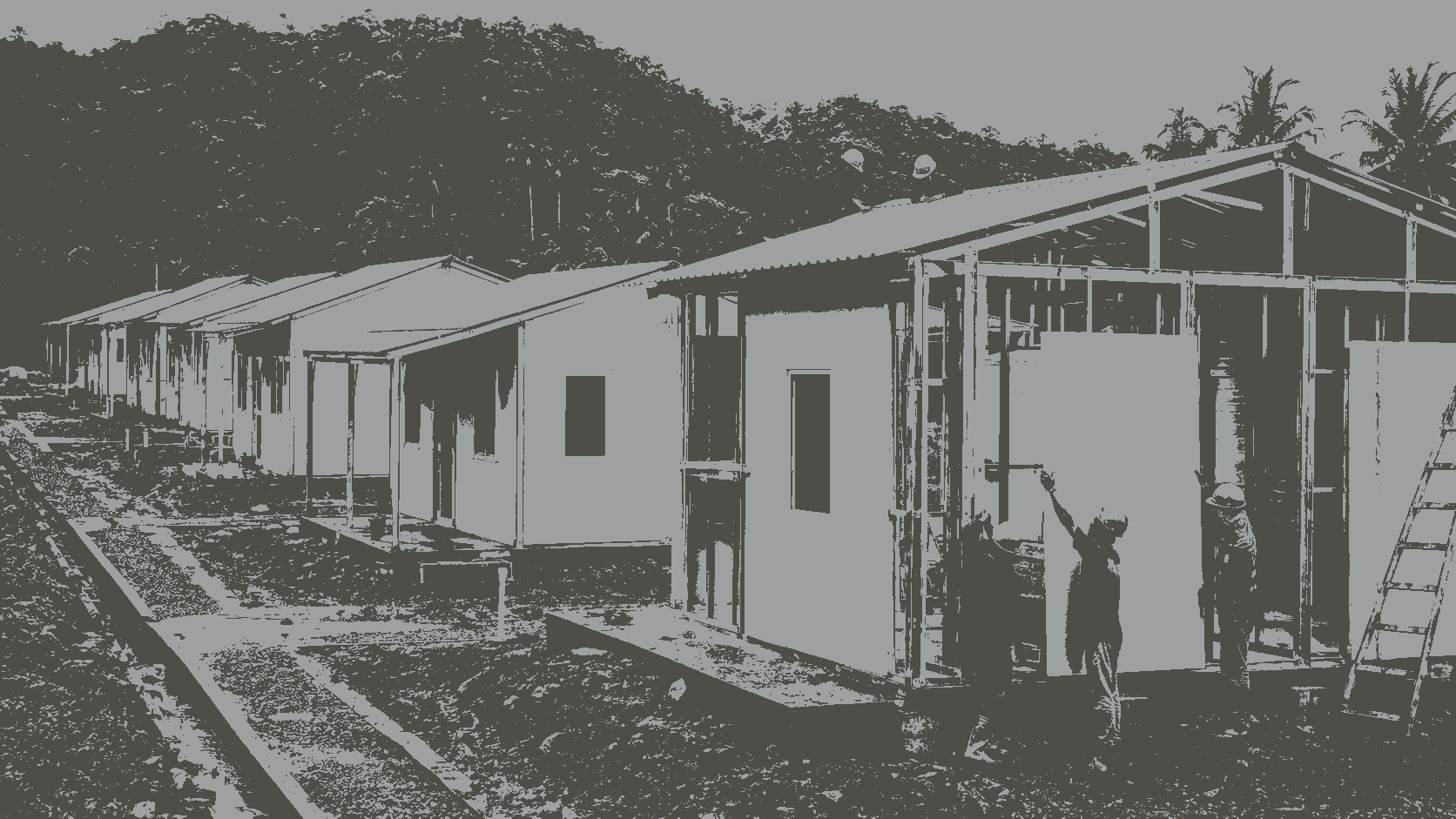
Indonesia Accelerates Construction of 1,301 Post-Disaster Modular Homes in Aceh and North Sumatra
2026-08-06
Read More
German Modular Timber Hotel Project Integrates Prefabricated Guest Rooms with a Protected Historic Warehouse
2026-08-06
Read More