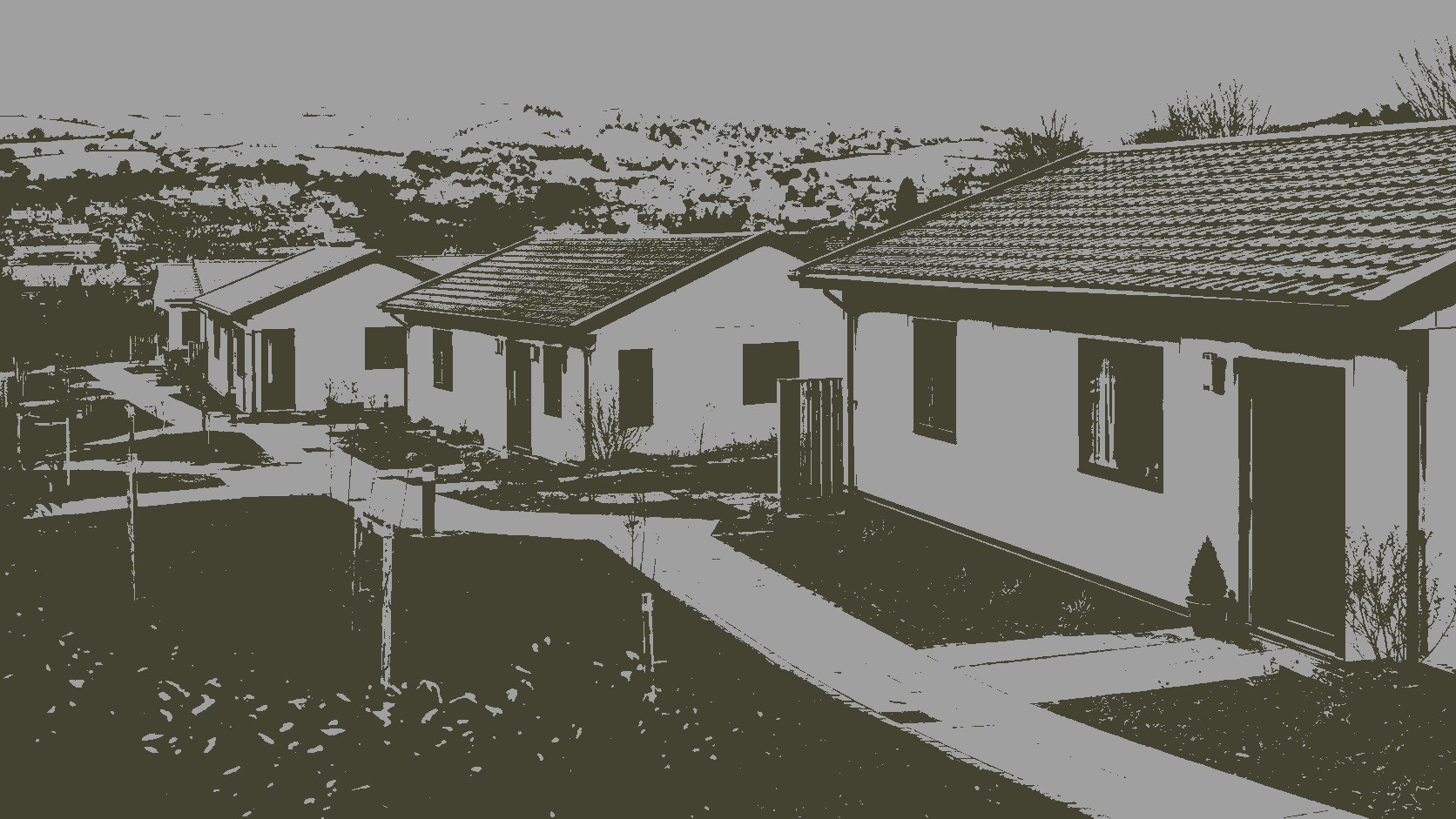
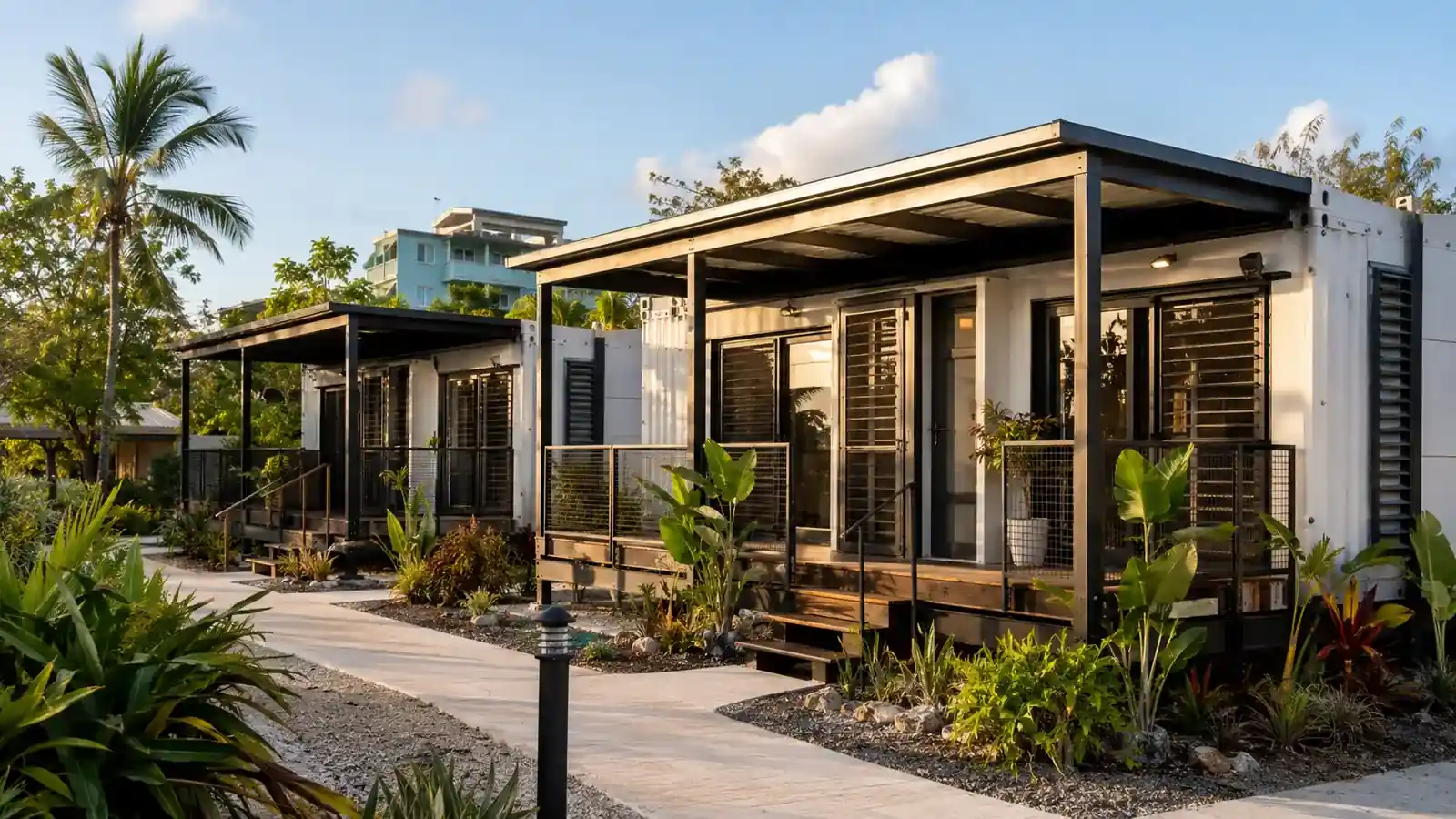
Brazil’s Modular Construction Market Expands Across Housing, Public and Industrial Projects
Brazil Engineering and Modular Construction
Question 1: Why is Brazil paying more attention to modular construction?
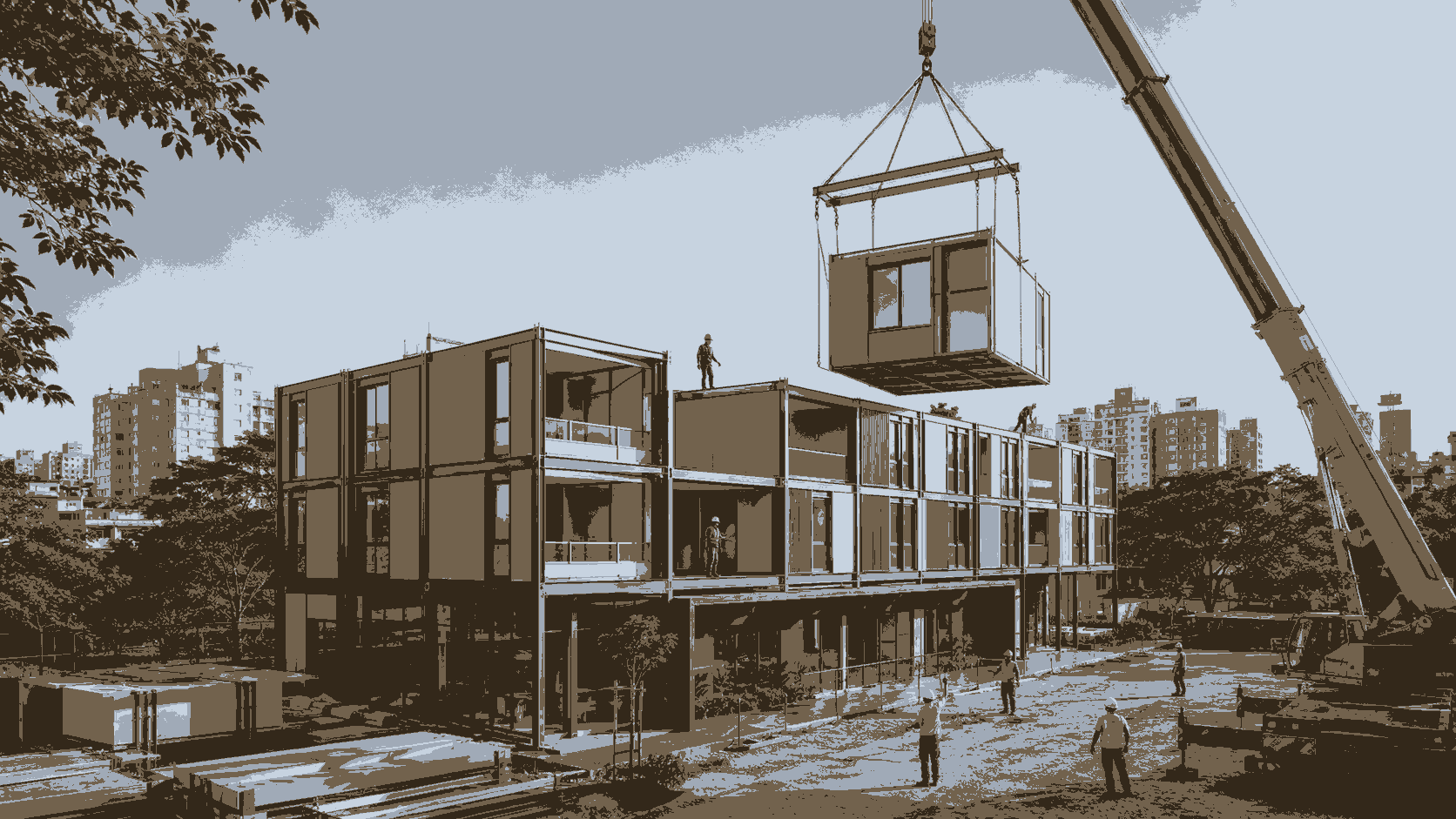
Brazil has a large urban population, while some regions face housing shortages, lengthy public-infrastructure projects, changing construction costs and increasingly complex project management.
According to market information published by the U.S. International Trade Administration, Brazil has a housing deficit of more than 5.8 million units, primarily in urban areas. Modular construction allows part of the building process to move into factories while foundations and other site works proceed simultaneously.
However, modular construction cannot resolve every issue related to land, planning or public infrastructure. Its primary contribution is improving production and delivery efficiency.
Question 2: Which Brazilian projects are using modular construction?
Potential applications include:
- Urban and suburban housing;
- Schools and training facilities;
- Primary healthcare clinics;
- Administrative buildings;
- Industrial support facilities;
- Logistics offices and workforce facilities;
- Data-centre support buildings;
- Temporary accommodation following floods or other disasters.
Public projects tend to focus on rapid deployment and standardised quality. Industrial and logistics users often prioritise scheduling, scalability and reduced disruption at active sites.
Question 3: Is demand the same across every region of Brazil?
No. Brazil is geographically large, and each state has different economic, climatic and construction requirements.
Market information indicates that São Paulo has strong industrial, logistics and residential activity. Minas Gerais is showing interest in healthcare and education, while Paraná and Santa Catarina have established prefabricated housing markets.
Rio Grande do Sul has used modular homes for flood recovery. Demand in Bahia and Pernambuco is influenced by urban growth in the northeast. Exporters therefore need to assess each project location separately.
Question 4: Which construction technologies are receiving attention?
The Brazilian market covers more than complete three-dimensional modules. Relevant technologies include:
- Prefabricated wall, floor and roof components;
- Steel and timber framing;
- Integrated mechanical, electrical and plumbing units;
- Building information modelling;
- Automated manufacturing;
- Robotic fabrication;
- 3D printing and digital production.
Some projects may use hybrid construction, combining conventional foundations and primary structures with prefabricated panels, bathroom pods or service modules.
Question 5: How large is Brazil’s modular construction market?
Industry sources referenced by the U.S. International Trade Administration valued Brazilian modular construction revenue at approximately USD 622.8 million in 2024. Average annual growth of around 7% to 10% was projected between 2024 and 2028.
Definitions of modular construction vary between research organisations. Some figures include precast concrete, steel systems, panelised buildings and volumetric modules. The data should therefore be used to understand market direction rather than predict sales for an individual product.
The market has potential for Chinese mobile building exporters, but its hot and humid climate, long transport distances, regional regulatory differences and local installation capabilities require careful evaluation.
Suppliers should move beyond standard modules and provide complete solutions covering climate adaptation, technical compliance, logistics, installation and after-sales support.
Related News
EU Housing Construction Strategy Promotes Modular and Off-Site Building Across Europe
2026-07-31
Read More
Australia Launches Prefabrication Installation Training to Support Modular Housing
2026-07-31
Read More