Wales Advances Modular Temporary Housing Plan for Households Facing Housing Insecurity
Proposed Modular Housing Scheme to Strengthen Homelessness Support in Powys
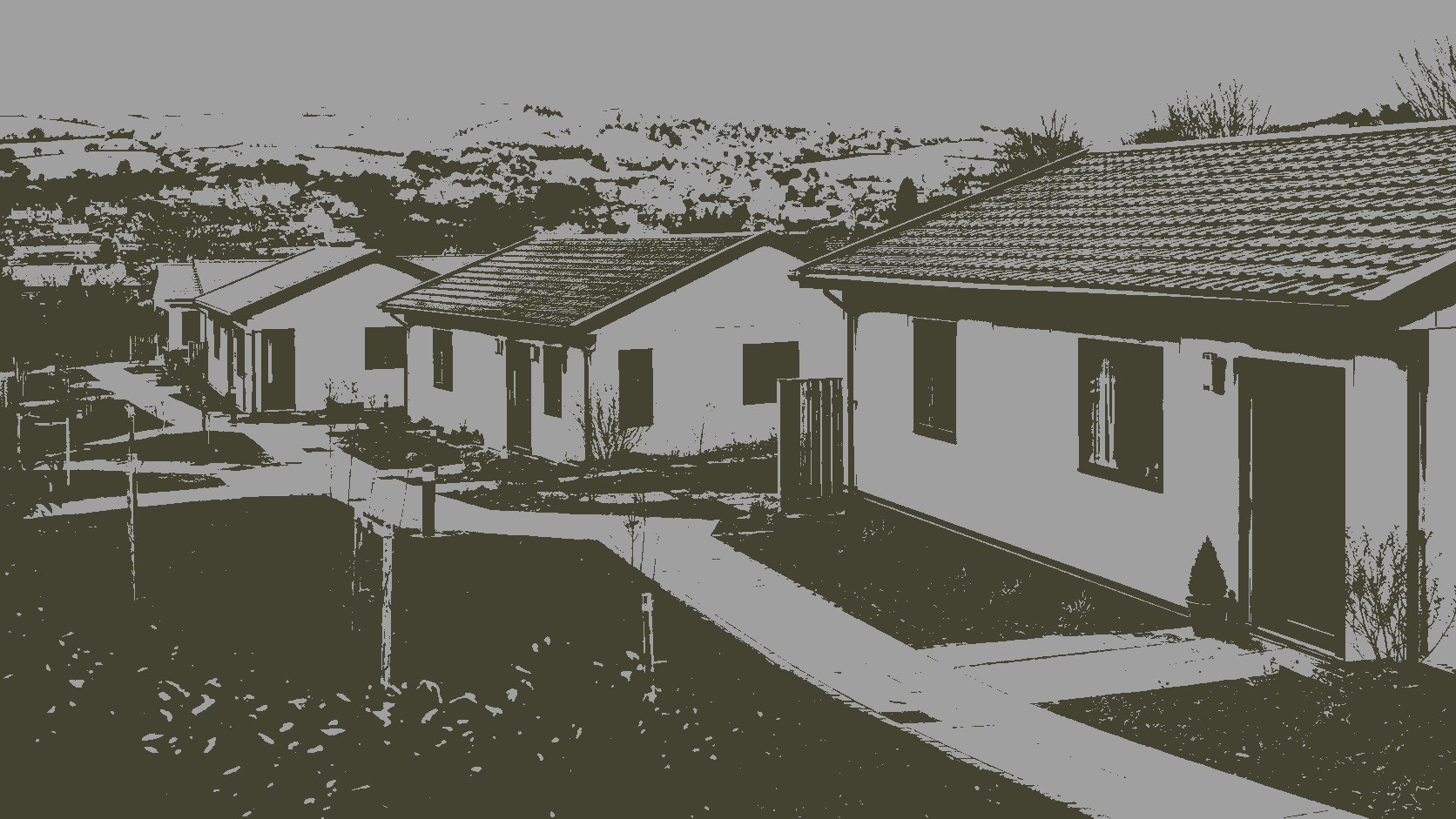
Question 1: Why is modular temporary housing needed in the area?
According to information published by the local authority, 31 households are currently being supported in emergency accommodation under its homelessness duties.
Conventional emergency arrangements may rely on hotels, guest accommodation or other short-term rented properties. These placements can be costly and may not provide families with independent kitchens, bathrooms or a stable everyday living environment.
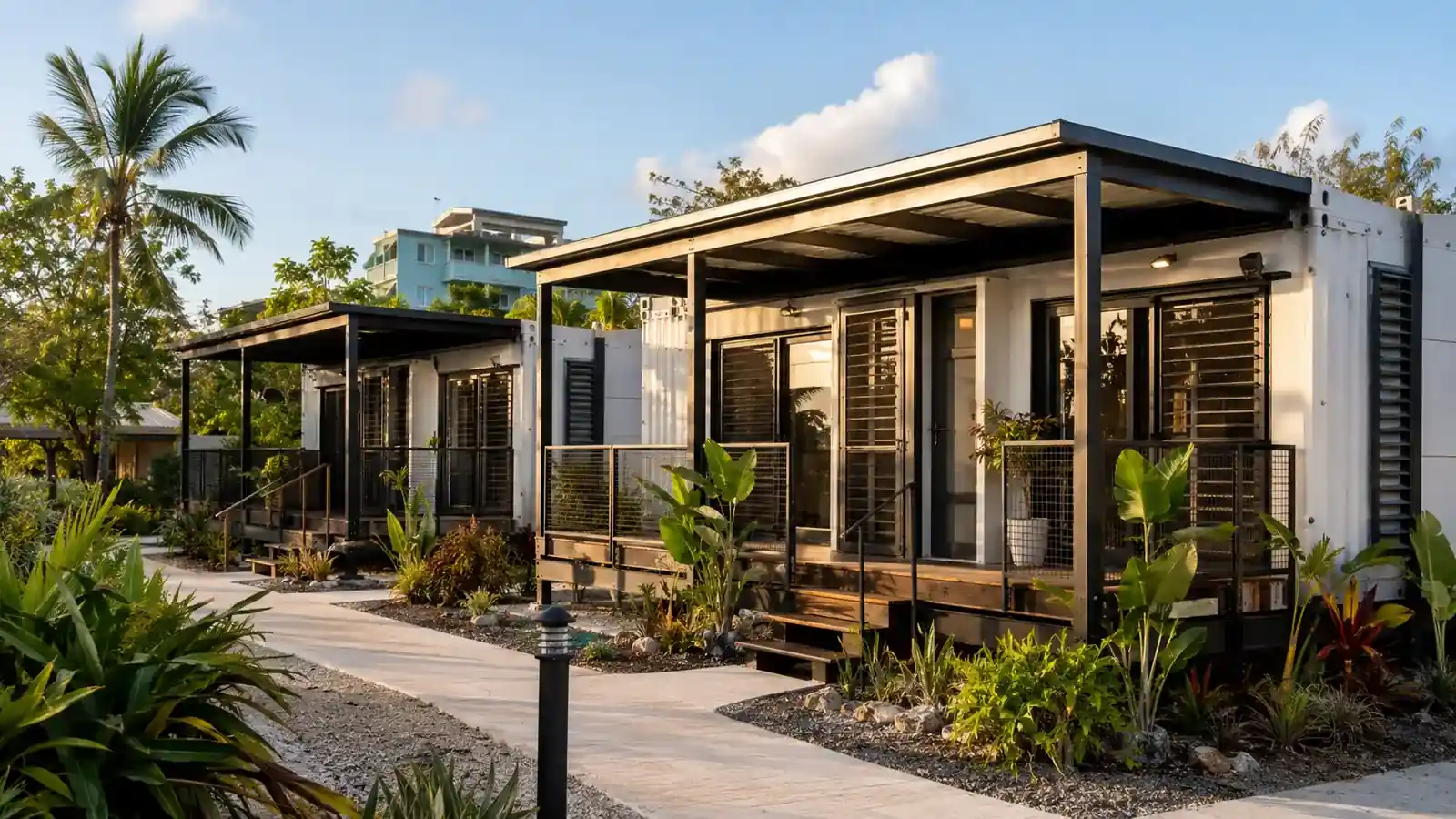
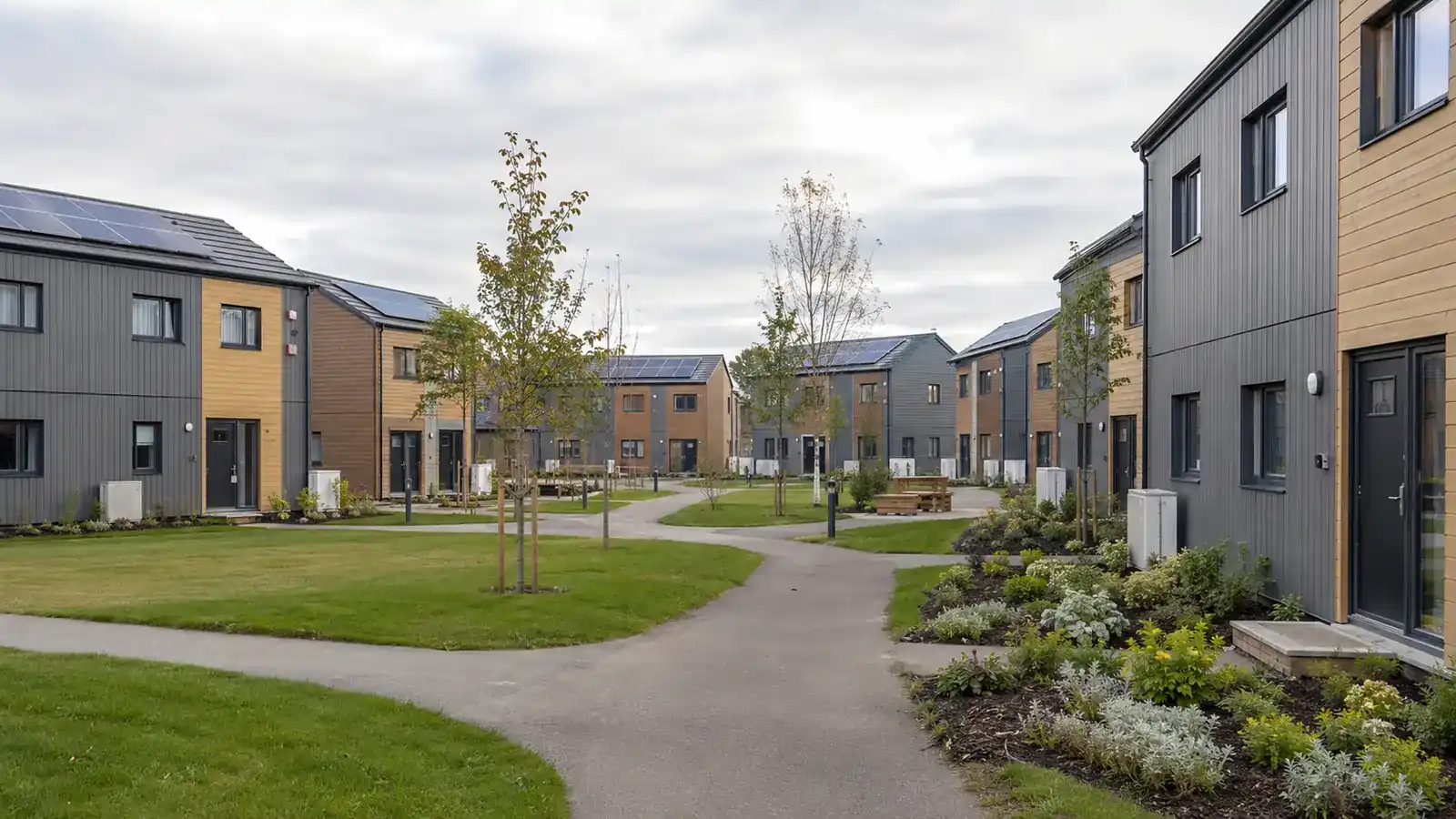
The proposed modular development would provide self-contained homes where households could live safely and privately while receiving support to secure settled, long-term accommodation.
Question 2: Who could benefit from the proposed development?
The project is primarily intended for individuals and families experiencing homelessness, housing emergencies or insecure living conditions.
It could also support younger people who are temporarily staying with friends or relatives, frequently moving between addresses or living without a secure tenancy. This is sometimes described as hidden homelessness because the person has a temporary place to sleep but no stable home.
Question 3: Why is modular construction being considered?
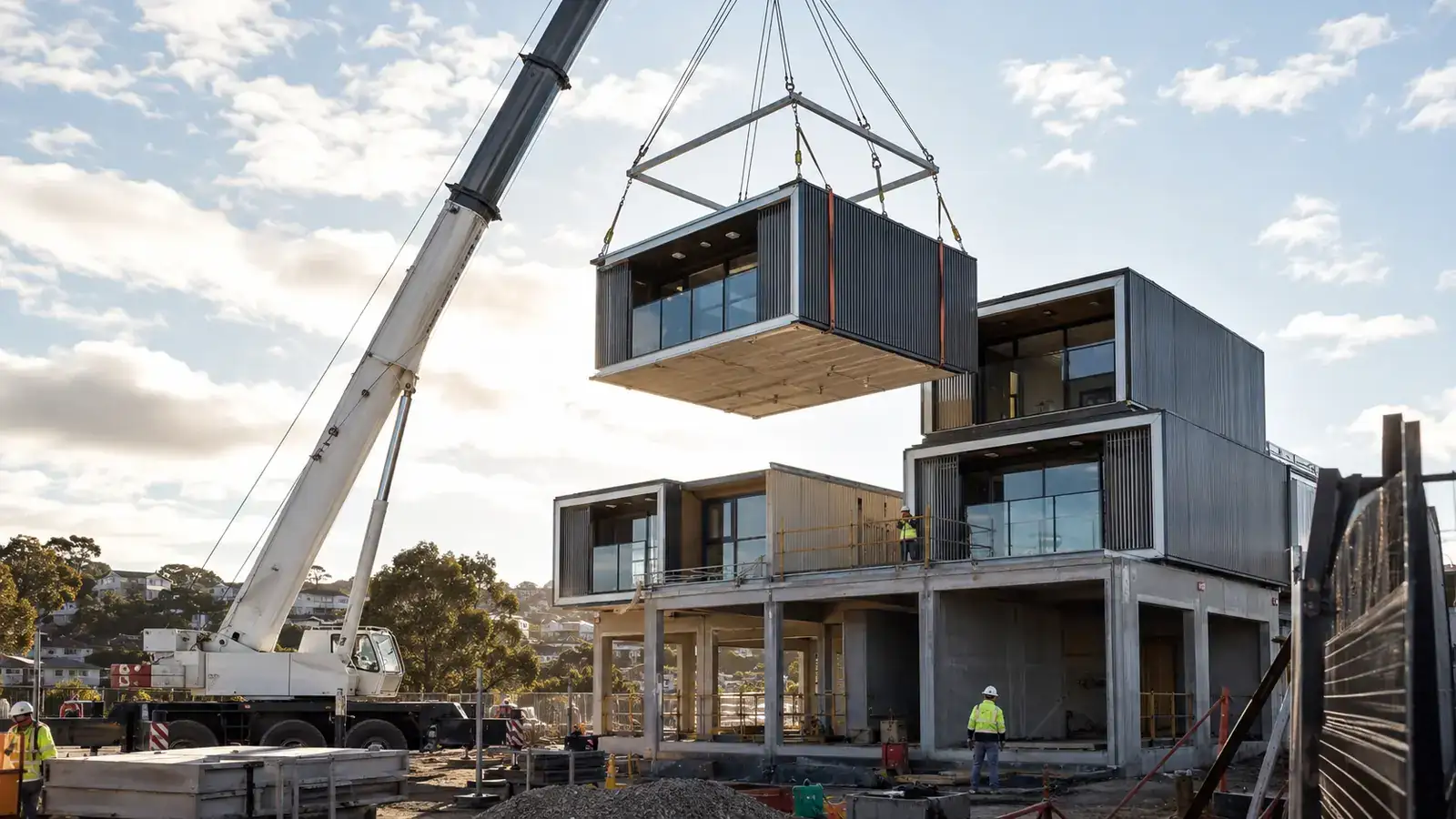
Major building components can be manufactured in a controlled factory environment while foundations, access routes and utility connections are prepared on-site. Compared with completing every construction activity at the project location, this parallel process may reduce the overall delivery period and limit local disruption.
Factory production can also support standardised quality control for insulation, windows, building services and interior finishes. However, the final schedule will still depend on planning approval, site conditions, transport routes, crane operations and infrastructure connections.
Question 4: Can modular temporary homes be used over the long term?
The term “temporary housing” describes how the homes are allocated and used. It does not necessarily mean that the buildings are low-quality or disposable.
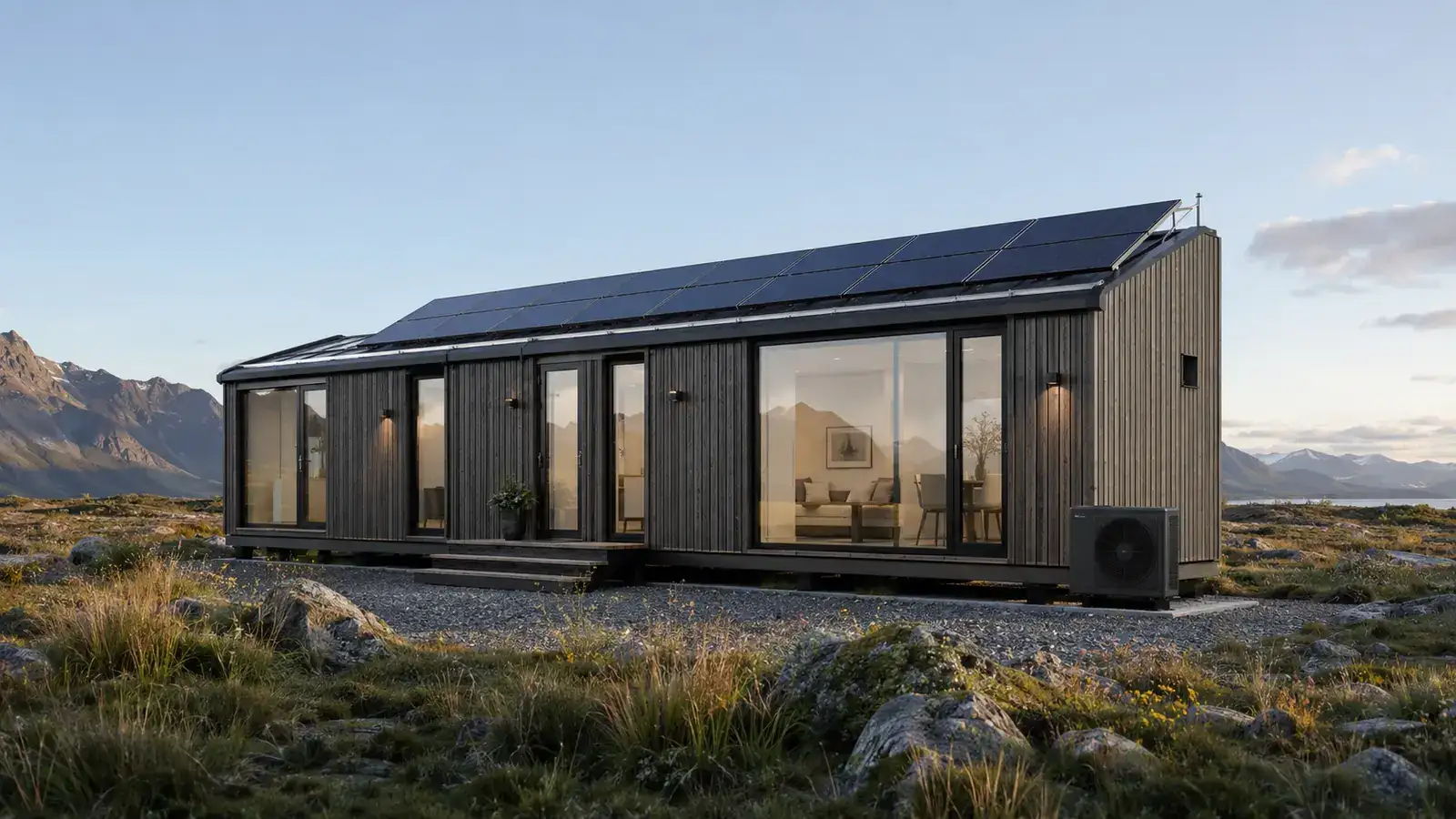
When modular homes are designed according to local building regulations and meet structural, fire, thermal, ventilation, waterproofing and energy-performance requirements, they can remain operational for an extended period. Regular inspection and maintenance are still required to protect their long-term performance.
Question 5: What social and economic value could the project provide?
Self-contained temporary housing can give residents a more stable living environment while they address employment, education, healthcare and long-term housing needs.
For local authorities, developing reusable modular housing assets may also reduce long-term dependence on expensive emergency placements. The actual financial benefit should be evaluated against land preparation, procurement, transport, installation, energy and maintenance costs.
The benefits of modular construction extend beyond production and installation speed. They include standardised quality control, reduced on-site disruption and adaptability to different locations. However, successful delivery still depends on site investigation, regulatory compliance, transport and lifting plans, utility connections and long-term maintenance.
For mobile building exporters, projects of this type show that international buyers are increasingly evaluating the complete performance of a building rather than the module alone. Structural safety, thermal efficiency, fire protection, internal facilities and technical documentation are becoming essential procurement considerations.