Cuba Advances Container-Based Modular Housing to Address Housing Shortages
Havana Introduces Its First Container-Based Modular Homes
Question 1: Why are repurposed containers being used?
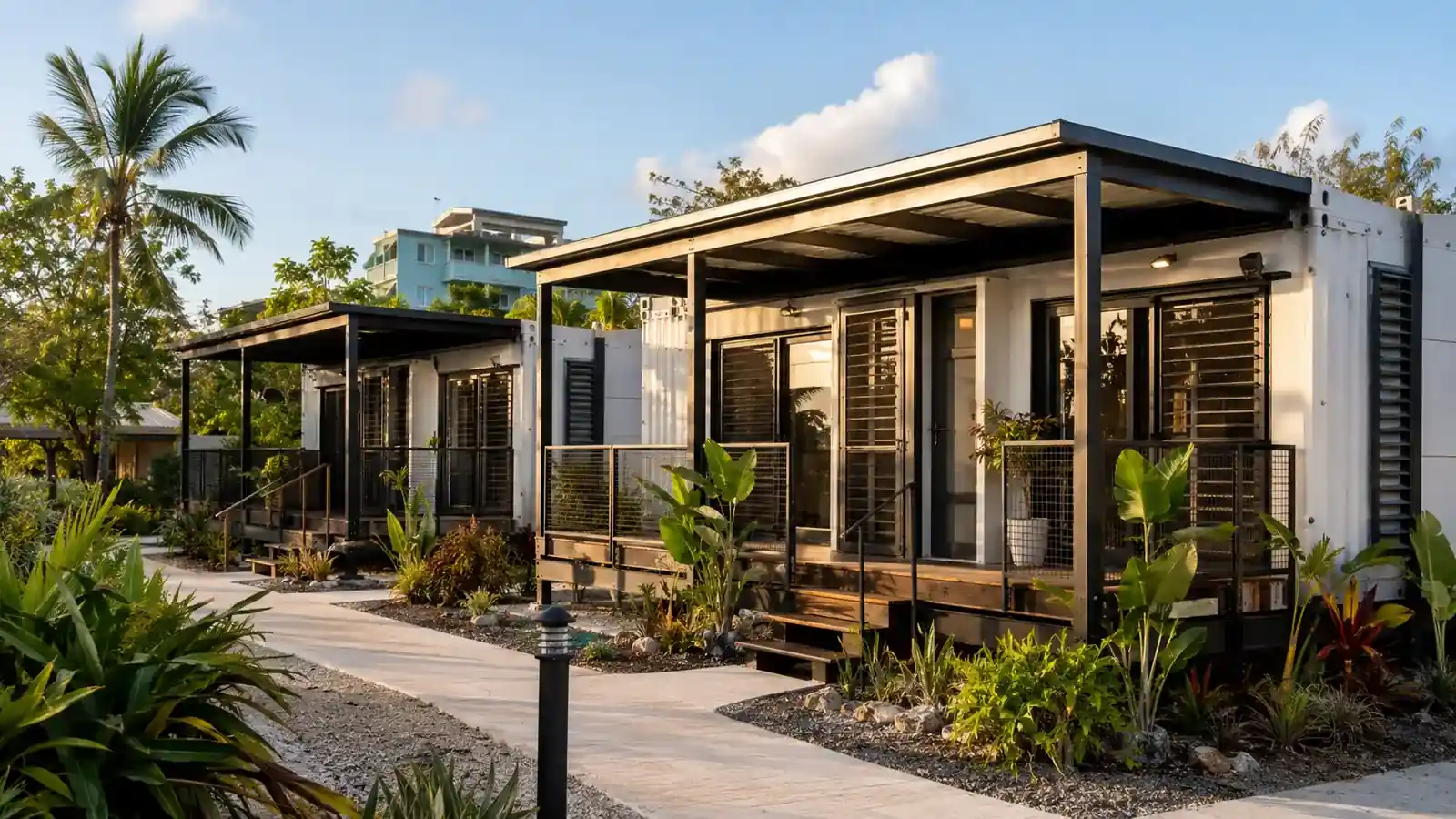
Where materials, funding and construction capacity are limited, repurposed containers provide an existing structural shell and can reduce some on-site structural work. However, converting a freight container into housing still requires new designs for windows, doors, insulation, waterproofing, ventilation, electricity, water and drainage.
Question 2: Is a shipping container naturally suitable for habitation?
No. An unmodified container is designed for freight transport. Its metal shell can absorb considerable heat in warm climates and may create condensation or corrosion problems. Long-term residential use requires climate-appropriate insulation, ventilation, shading and corrosion protection.
Creating large door or window openings can also affect the original load-bearing system, making structural assessment and reinforcement necessary.
Question 3: What can other housing projects learn from this initiative?
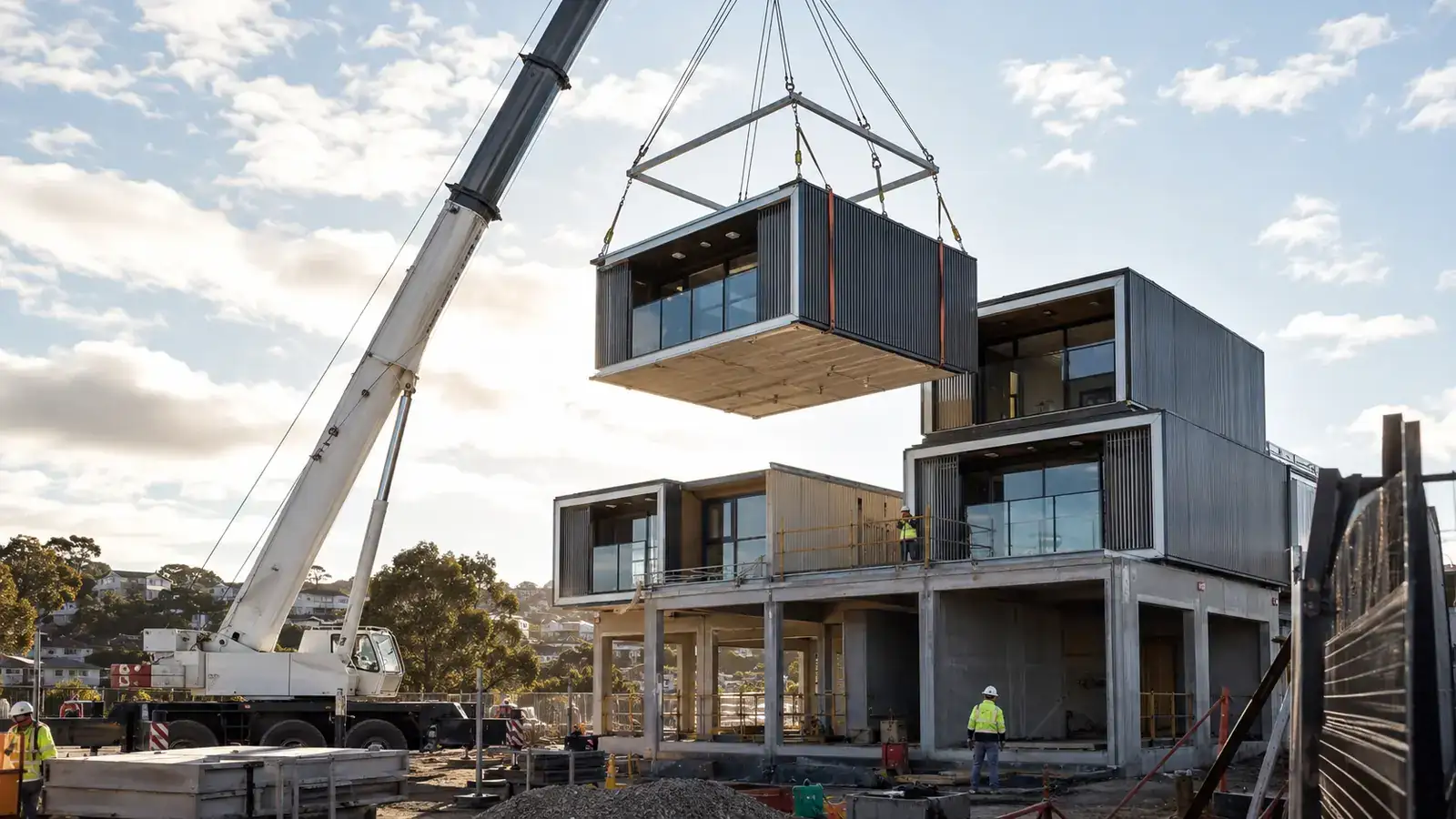
Container-based modular construction can help increase housing supply quickly, but installation speed should not be the only consideration. Safety, indoor comfort, foundation conditions, utility connections and future maintenance will determine whether the housing remains suitable over the longer term.
In our view, repurposed container housing can be useful where resources are limited and housing demand is urgent. However, systematic conversion is essential. Structural, thermal, ventilation, waterproofing and fire-safety design are required before a freight container can become a reliable living space.