EU Housing Construction Strategy Promotes Modular and Off-Site Building Across Europe
The European Affordable Housing Plan

Question 1: Why has the EU included modular construction in its housing strategy?
Parts of Europe face insufficient housing supply, rising construction costs, labour shortages and relatively low construction-sector productivity.
The EU strategy states that construction productivity has declined by approximately 8% since 2019. Moving more work into controlled factories may improve delivery through standardised production, quality inspection and parallel factory and site activities.
The strategy does not present modular construction as a universal solution. Land, planning, infrastructure and market demand will continue to affect project outcomes.
Question 2: What are the advantages of off-site and modular construction?
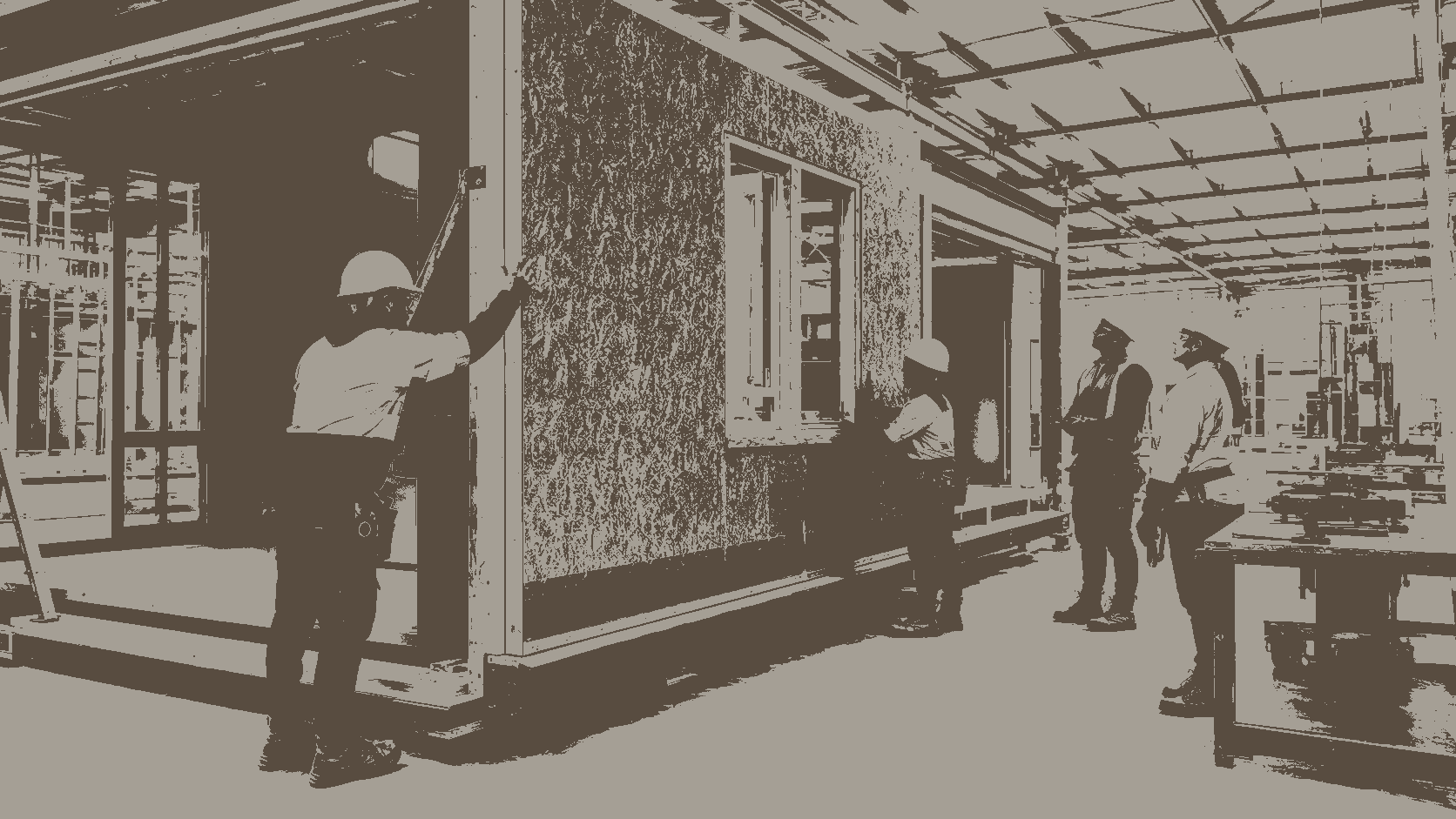
Off-site construction involves manufacturing wall panels, floor systems, service pods or complete three-dimensional modules in a factory before transporting them to the project site.
Potential advantages include:
- Factory production and foundation work proceeding simultaneously;
- Reduced exposure to adverse weather;
- Greater manufacturing and joint accuracy;
- Lower levels of some types of site waste;
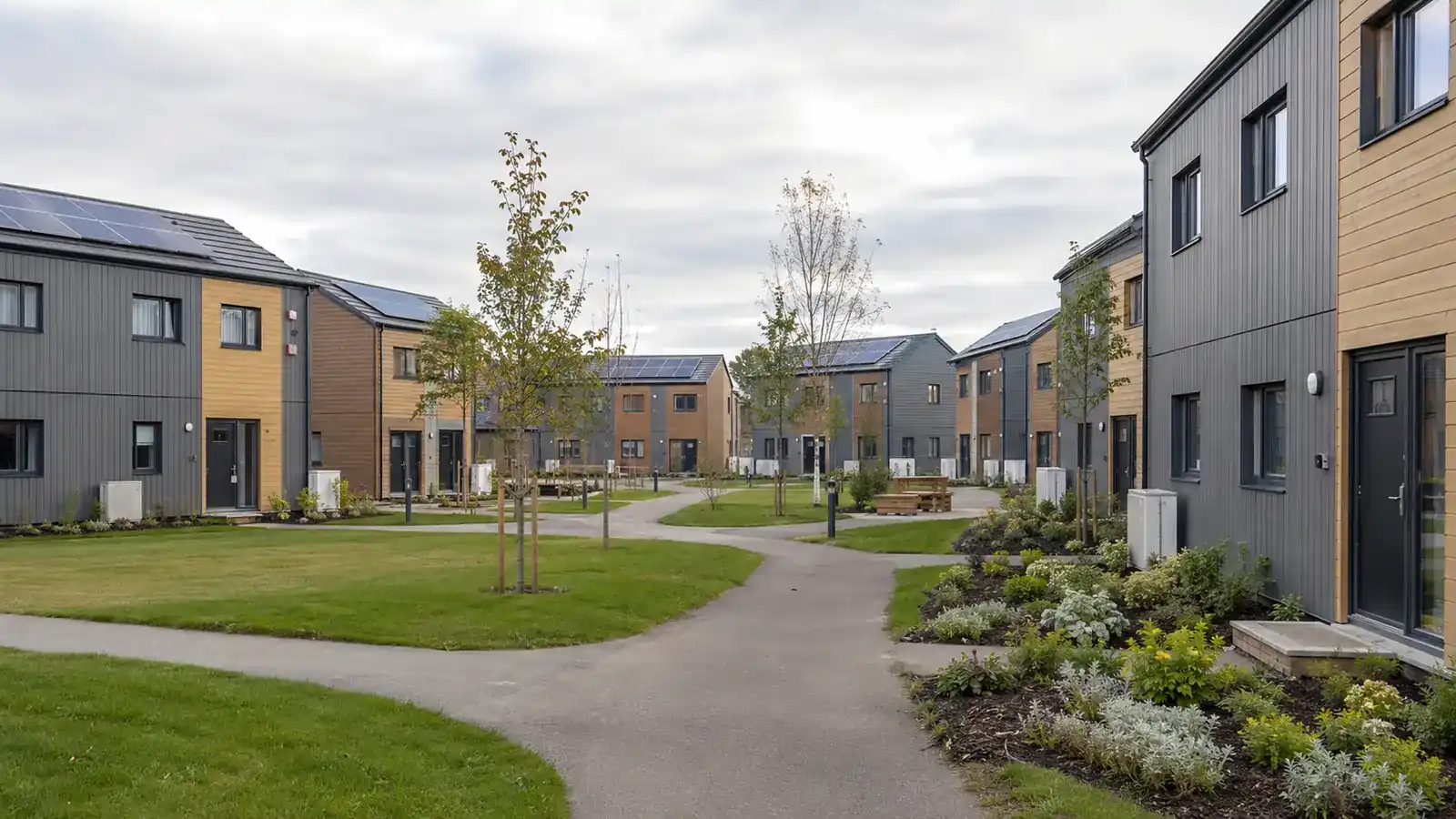
- Less disruption at constrained urban sites;
- Reuse of previously verified building designs.
Some modular components may also be disassembled, relocated or reused, supporting more circular construction practices.
Question 3: What prevents modular systems from being used across Europe?
EU Member States continue to apply different building codes, fire requirements, approval procedures and regional technical rules. A modular system entering another market may require new structural, fire, thermal, acoustic and material assessments.
This regulatory fragmentation increases development, testing, insurance and finance costs. It can also prevent factories from achieving the production scale needed to reduce unit costs.
The EU plans to prioritise standards for prefabricated products, building kits and modular units to create a more consistent technical basis for cross-border deployment.
Question 4: What measures does the EU strategy propose?
Measures related to modular and off-site construction include:
- Standards for prefabricated products and modular systems;
- Practical guidance for modular and off-site construction;
- Examples addressing safety, accessibility and sustainability;
- Support for cross-border modular construction projects;
- Public procurement that creates more stable demand;
- Digital product passports and digital building logbooks;
- Support for low-carbon, bio-based, recycled and reusable materials.
A proposed pilot initiative is also intended to help participating countries align parts of their regulatory frameworks while strengthening supply chains and industrial capacity.
Question 5: Why is digitalisation important for modular buildings?
Modular projects require accurate information to move between design teams, factories, transport providers and installation contractors. Incorrect dimensions, materials or interface details may create problems during final assembly.
Digital product passports and building logbooks can record material performance, production batches, maintenance information, carbon data and recycling instructions. Building information models can help teams identify clashes, coordinate building services and plan installation sequences.
These records can improve traceability throughout the building’s lifecycle.
Competition in Europe will increasingly involve material performance, low-carbon capability, technical documentation, digital traceability and adaptation to local regulations, as well as price and delivery speed.
Manufacturers that combine standardised production with country-specific engineering will be better positioned for affordable housing, student accommodation, social housing and public-building projects.