Australia Launches Prefabrication Installation Training to Support Modular Housing
Homes of the Future Delivered Through TAFE
Question 1: Why has Australia introduced prefabrication installation training?
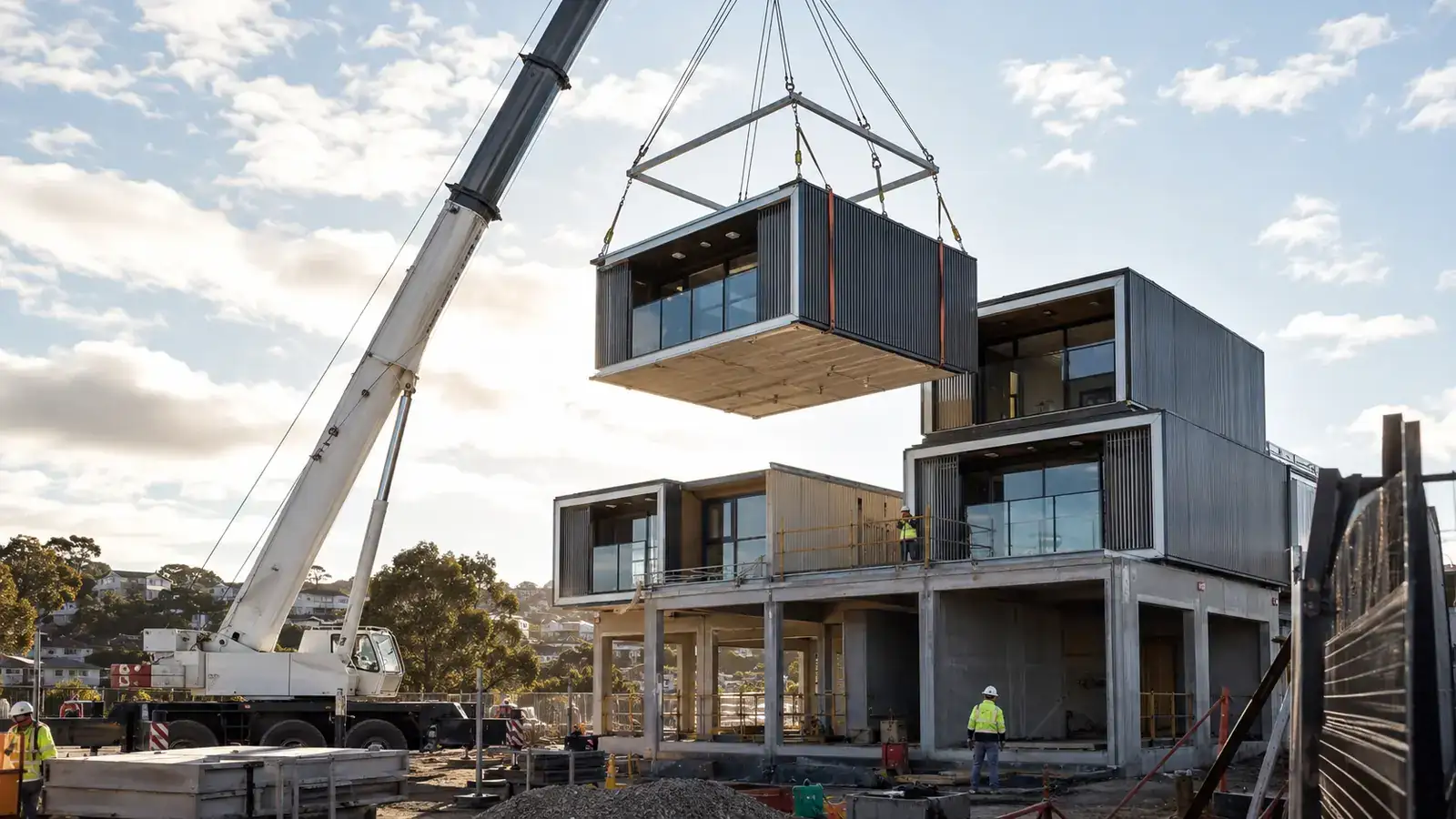
Modular construction requires more than factory production workers. It also depends on installers who understand transport, lifting, structural connections, waterproofing, building-service interfaces and final inspection.
As Australia increases its use of modern methods of construction, conventional carpentry or on-site building experience may not cover every technical requirement of modular projects. The new qualification is intended to establish a more systematic skills framework and improve coordination between design, manufacturing and site installation.
Question 2: What skills does the program aim to develop?
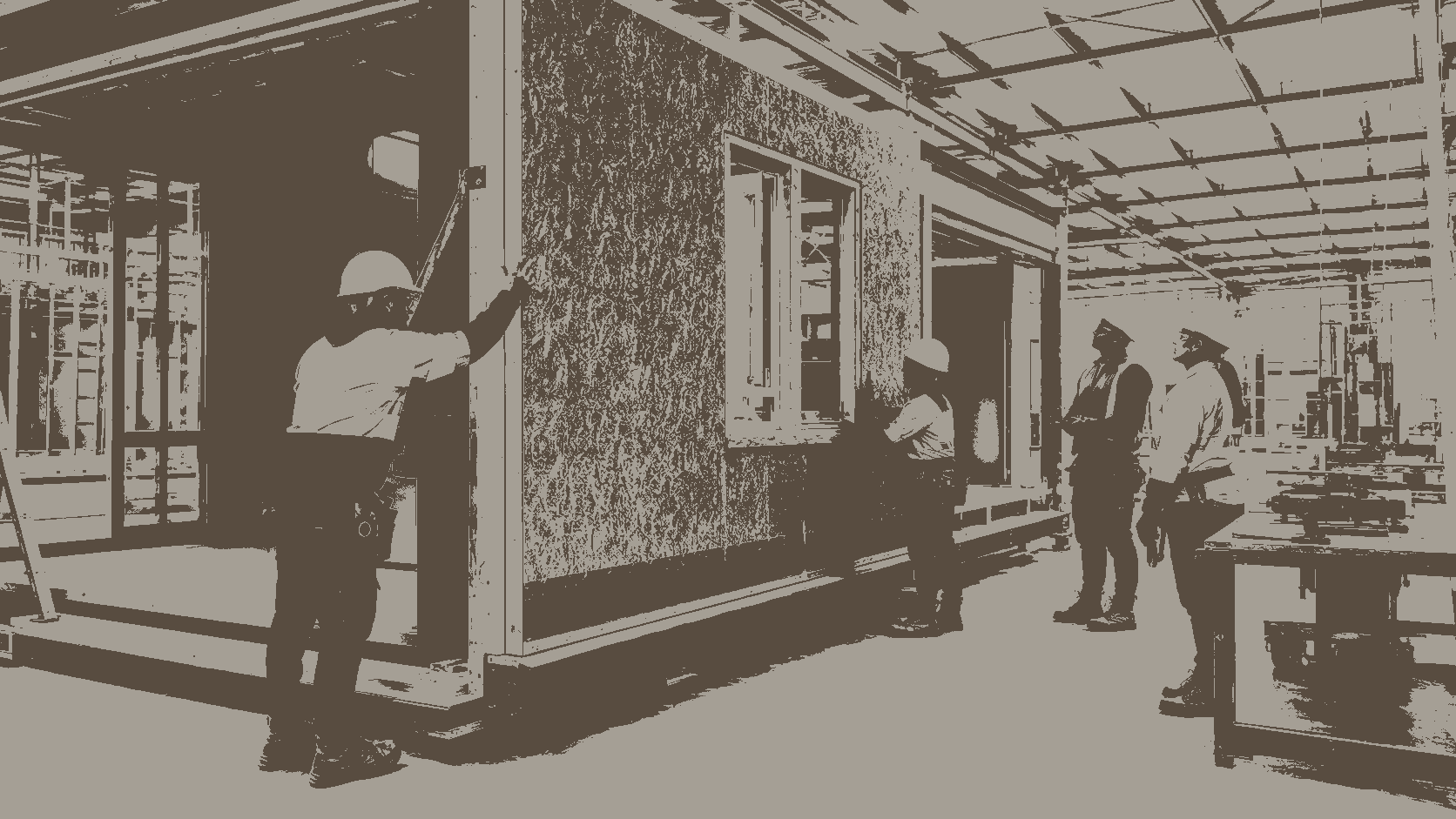
The program focuses on the assembly and installation of prefabricated components and building modules. Relevant skills may include:
- Reading construction drawings and module identification codes;
- Checking foundation dimensions and installation positions;
- Using safe lifting and temporary-support systems;
- Aligning and connecting modules or wall panels;
- Completing joints, insulation and waterproofing;
- Coordinating electrical, plumbing and ventilation interfaces;
- Inspecting installation quality and recording the results.
Practical training helps workers understand how factory production connects with activities performed at the construction site.
Question 3: Why does modular installation require specialist training?
Modular buildings can be installed quickly, but a relatively small installation error may affect several building systems. An incorrect foundation level can prevent modules from aligning properly. A connection error can affect structural performance, while inadequate joint sealing may lead to water penetration, thermal bridges or air leakage.
Rapid installation therefore cannot replace technical compliance. Workers need to understand lifting sequences, connection details, tolerances and post-installation inspection requirements.
Question 4: What industry trend does the new qualification represent?
According to the Victorian Government, more than 200 businesses in the state already work with modern methods of construction. Their activities cover design, manufacturing, transport, assembly and installation.
This indicates that modular construction is developing into a broader industrial supply chain. Growth now depends not only on manufacturing facilities but also on engineering design, supply-chain management, installation, quality inspection and maintenance.
Module quality is only one part of a successful project. Foundations, transport protection, lifting, alignment, structural connections and on-site sealing also affect safety, energy performance and service life.
For mobile building exporters, future competitiveness will depend not only on manufacturing speed and price, but also on the ability to provide a complete and clearly documented installation system suited to local regulations.