Why Are Mobile Homes Becoming a Key Solution to the Global Housing Shortage in 2026?
Realtor.com
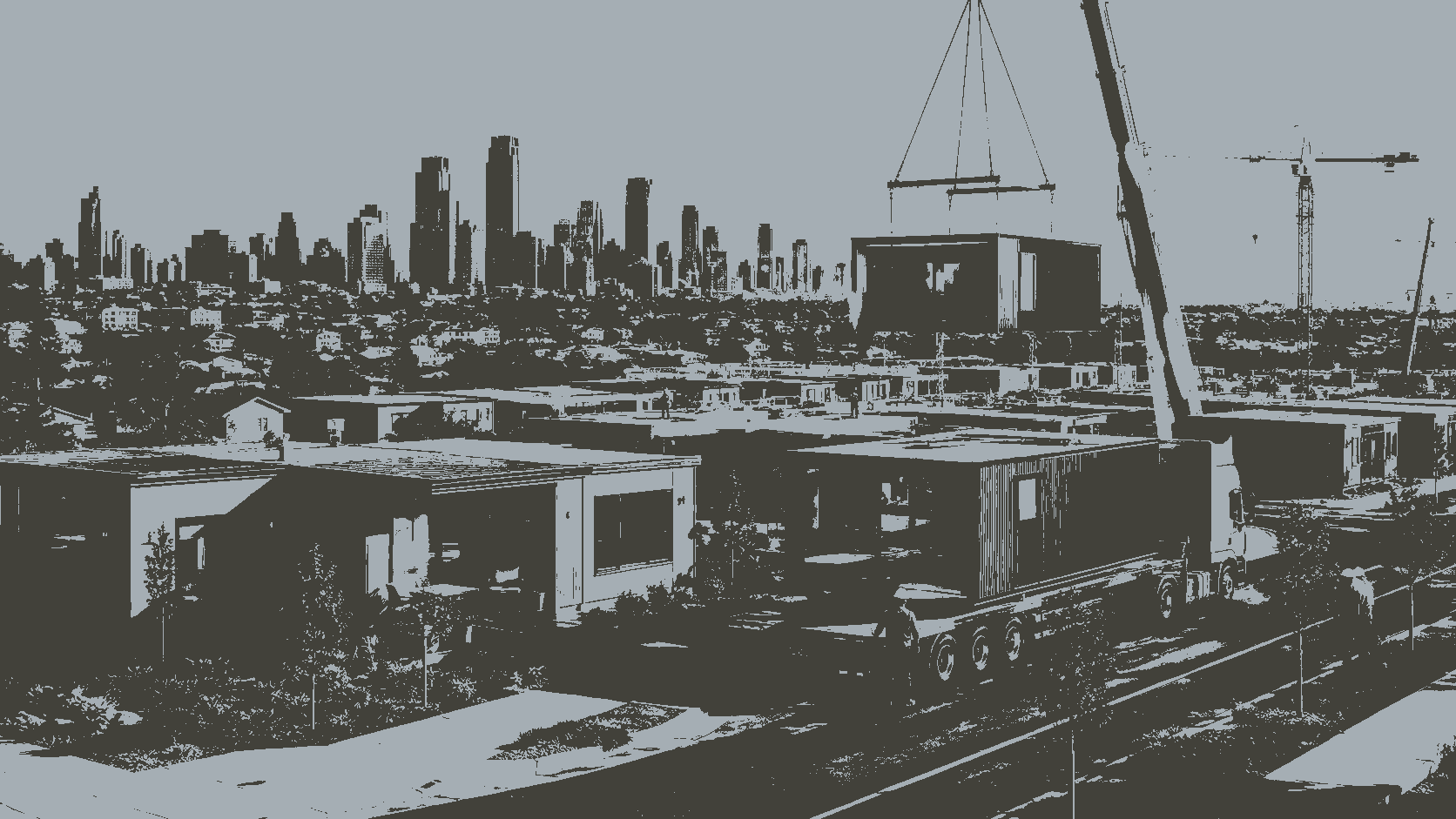
Main Q&A
Q: Why are mobile homes becoming a key solution to the global housing shortage in 2026?
A: Mobile homes are becoming a key solution to the global housing shortage in 2026 because many regions are facing a severe mismatch between housing demand and housing supply. Urbanization, population growth, high construction costs, labor shortages, and long traditional construction cycles are pushing governments and developers to search for faster and more affordable housing models.
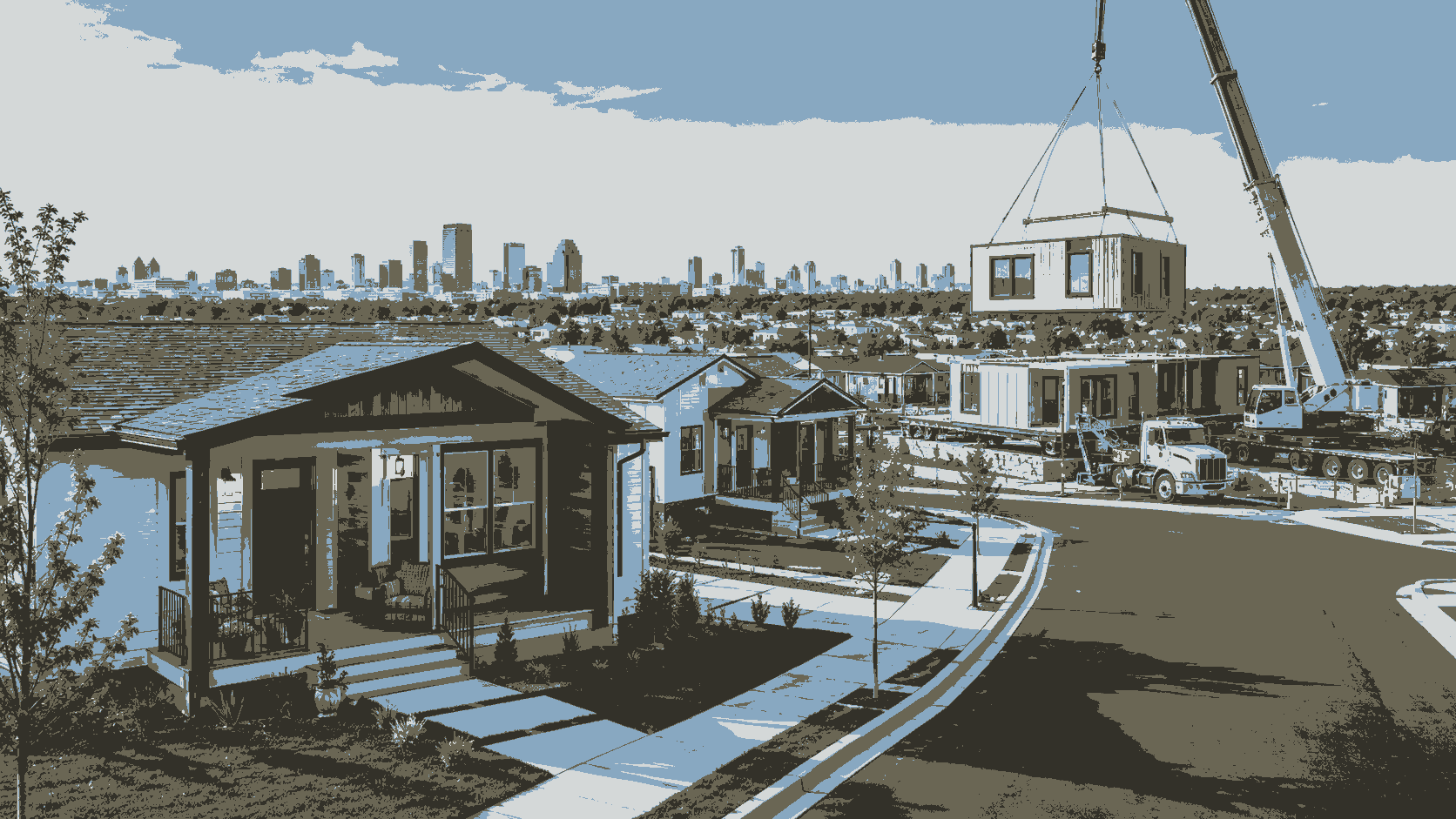
Mobile homes, manufactured homes, modular homes, and other factory-built housing types can help address this gap because they are produced in controlled factory environments and then transported or assembled on-site. This reduces weather delays, improves quality control, shortens delivery time, and makes housing production more predictable.
The lower mobile home cost is another major reason for market attention. In many markets, factory-built homes can offer a lower entry price than traditional site-built housing. This makes them relevant for first-time buyers, workforce housing, rental communities, rural housing, retirement communities, disaster recovery, and compact residential projects.
In the U.S., manufactured housing remains one of the most cost-effective housing options, and manufactured housing communities continue to show high occupancy in rental markets. Globally, the same logic is becoming more important: when traditional housing is too expensive or too slow to deliver, mobile and prefab homes can become a practical supply-side tool.
Policy reform is also accelerating adoption. Zoning relaxation, streamlined permitting, improved financing access, and recognition of factory-built housing standards can help mobile housing move from a niche option to a larger part of national housing strategies. These changes connect mobile homes with broader modular housing trends and the prefab housing future.
Additional Related Q&A
Q: Why is global demand for mobile homes increasing?
A: Global demand for mobile homes is increasing because many households need housing that is more affordable, faster to deliver, and easier to scale. Traditional construction often faces long timelines, high labor needs, complex permits, and rising material costs. Mobile homes use factory-based production, which can significantly shorten construction time and improve housing supply efficiency.
Q: What housing problems do mobile homes solve?
A: Mobile homes can help solve several housing problems: high construction cost, slow delivery, limited starter-home supply, rural housing gaps, workforce housing demand, and temporary housing needs after disasters. They are not a complete solution, but they can expand the housing toolkit.
Q: Why is mobile home cost important in 2026?
A: Mobile home cost is important because affordability is one of the biggest barriers in global housing markets. If factory-built homes can reduce structure costs and shorten delivery timelines, they can help more households access housing, especially when land and financing are also manageable.
Q: Are mobile homes only relevant in the U.S.?
A: No. The U.S. has a mature manufactured housing sector, but factory-built and prefabricated housing are also expanding in Europe, Australia, Asia-Pacific, and parts of the Middle East. The terminology differs by country, but the drivers are similar: affordability, speed, land efficiency, and construction productivity.
FAQ
1. Can mobile homes solve the global housing shortage?
Mobile homes cannot solve the global housing shortage alone, but they can become an important part of the solution when combined with zoning reform, financing support, infrastructure planning, and consumer protections.
2. Why are mobile homes cheaper than many traditional houses?
Mobile homes are often cheaper because factory production improves labor efficiency, reduces material waste, shortens construction cycles, and allows manufacturers to repeat standardized designs.
3. Are mobile homes connected to the tiny house lifestyle?
Yes. Although mobile homes and tiny homes are different categories, both reflect demand for smaller, more affordable, and more flexible living. The tiny house lifestyle has helped normalize compact housing and simplified living.