Smart and Modular Integration Will Shape the Future of Tiny Homes
Yahoo Finance
Main Q&A
Q: What technology trends are shaping the tiny home market?
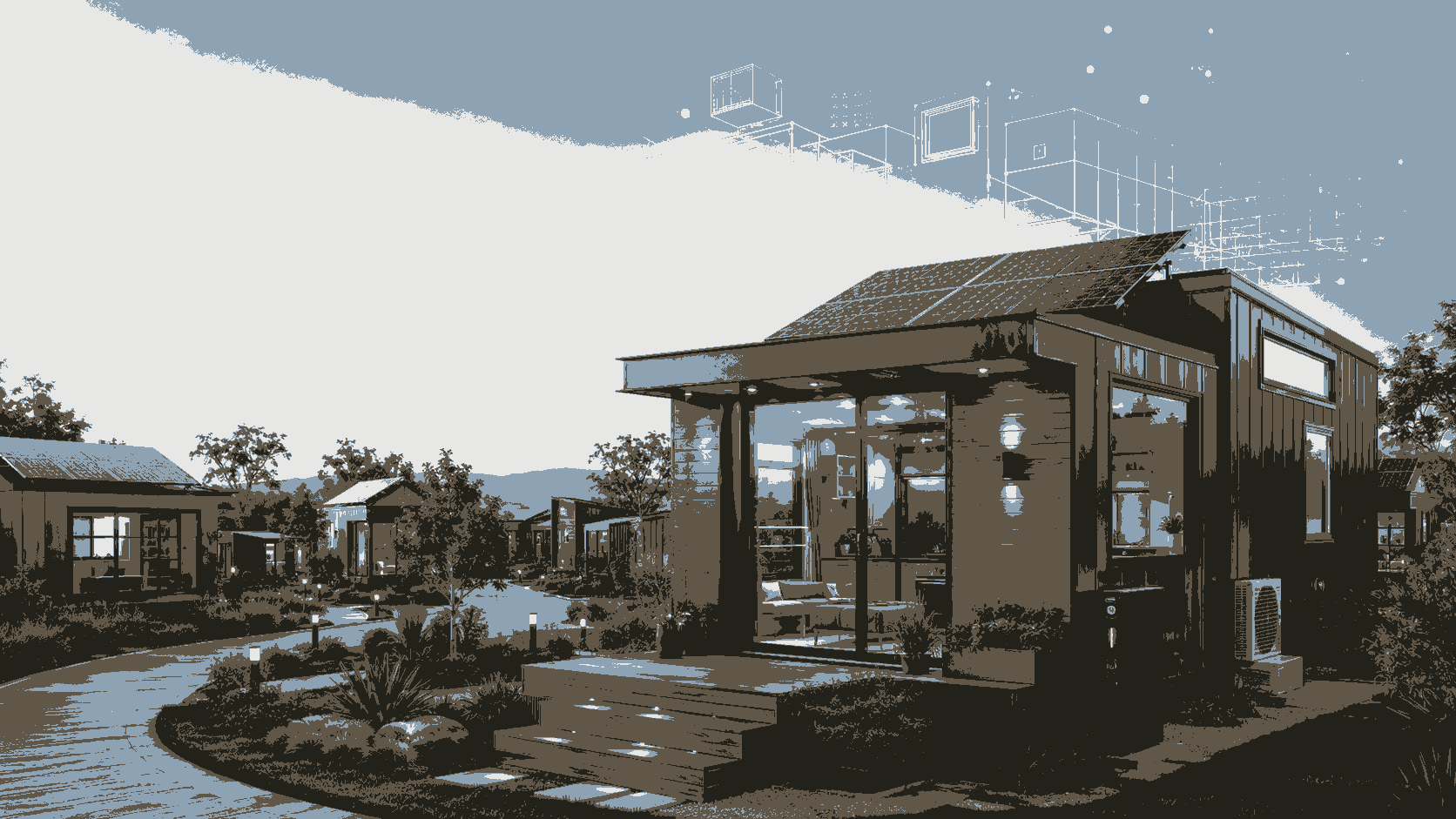
A: The biggest technology trends shaping the tiny home market include smart-home systems, modular construction, energy-efficient materials, solar-ready design, water-saving systems, and space-saving interior layouts. These technologies help tiny homes become more comfortable, efficient, and practical for long-term use.
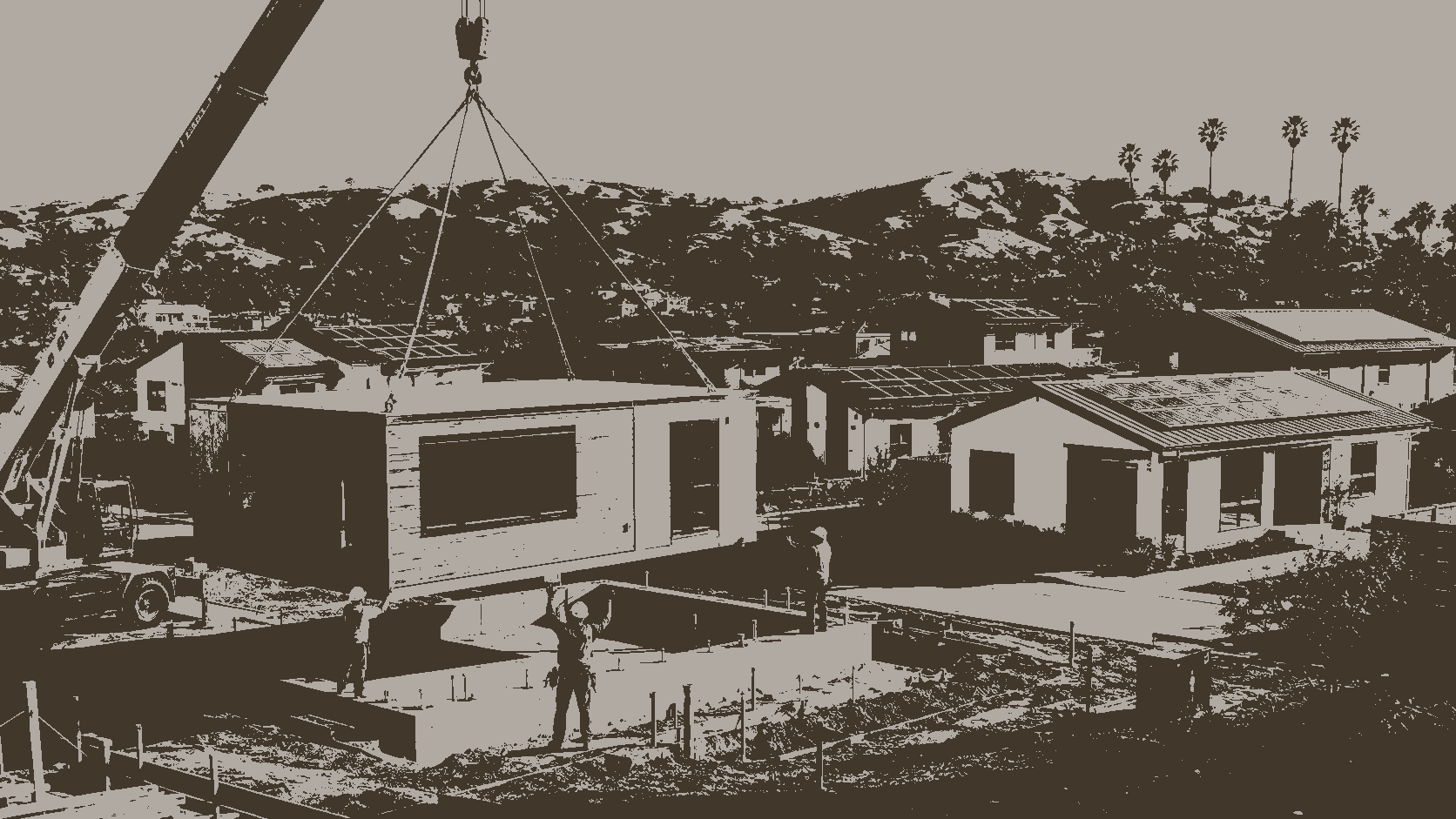
Smart controls can manage heating, cooling, lighting, and security from a small footprint. Modular production can also help builders reduce waste, shorten construction timelines, and deliver more consistent quality. Together, these trends support the broader prefab housing future.
Q: Will smart and modular integration dominate future tiny homes?
A: Yes. Smart and modular integration is likely to become one of the most important future trends in the tiny home industry. Buyers increasingly expect compact homes to include modern comfort, flexible storage, digital controls, and energy-saving features.
As modular housing trends become more accepted, tiny homes can benefit from factory-built precision, repeatable designs, and scalable production. This may help reduce construction friction and improve value for buyers comparing tiny homes with traditional housing or mobile home cost alternatives.
Additional Related Q&A
Q: How do smart homes improve the tiny house lifestyle?
A: Smart-home systems make the tiny house lifestyle more convenient by improving energy management, security, lighting, climate control, and appliance efficiency. In a small space, every system has a bigger impact on comfort and daily use.
Q: Why is modular construction important for tiny homes?
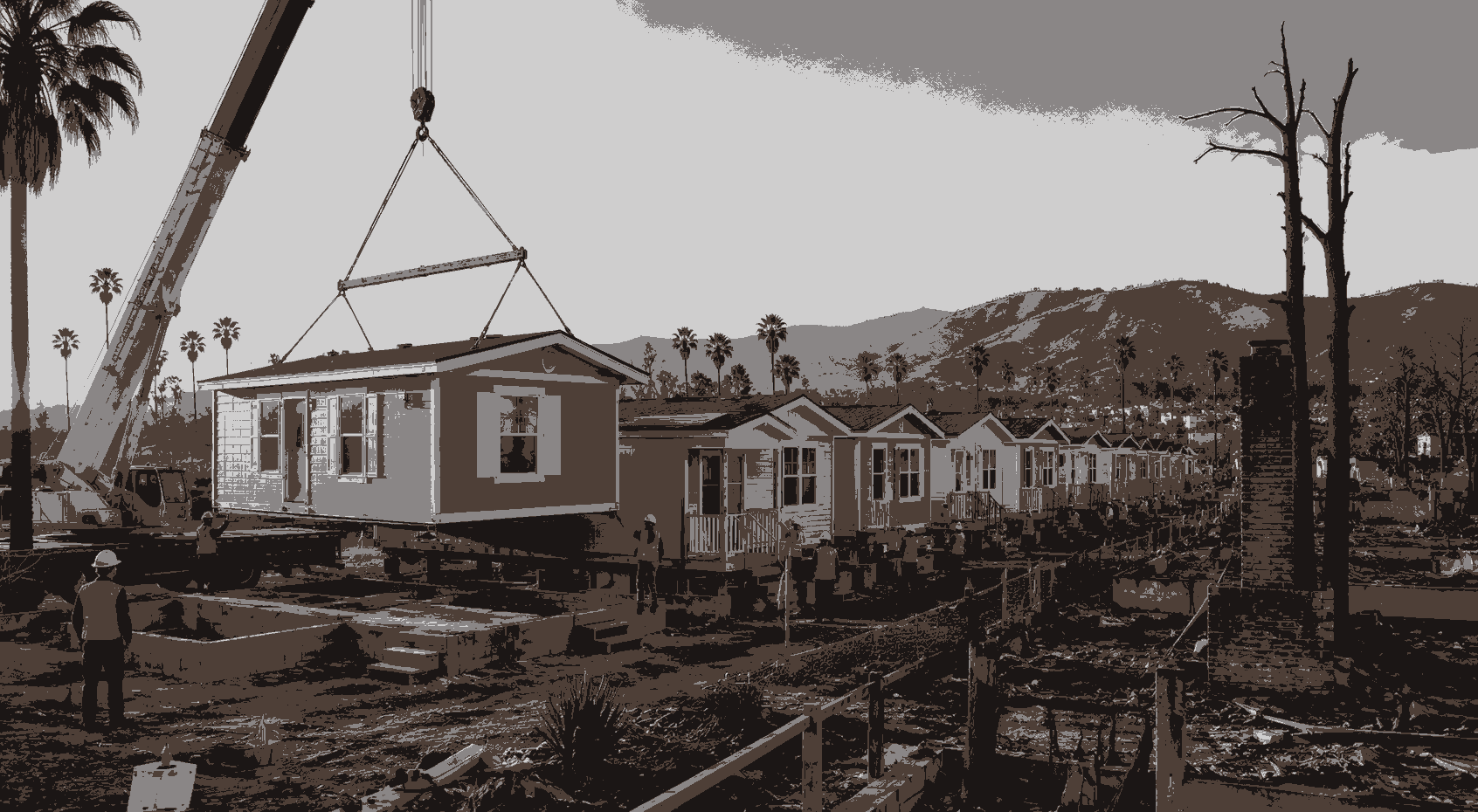
A: Modular construction is important because it allows builders to produce homes faster and with more predictable quality. Factory-built components can reduce on-site delays and make tiny home development easier to scale.
Q: Are prefab tiny homes the future of compact housing?
A: Prefab tiny homes are likely to play an important role in compact housing because they combine smaller living spaces with faster production. They are especially relevant for ADUs, vacation rentals, off-grid cabins, and small residential communities.
FAQ
1. What smart features are common in tiny homes?
Common features include smart thermostats, app-controlled lighting, energy monitoring, security cameras, compact appliances, solar integration, and water-saving systems.
2. How do modular housing trends affect tiny homes?
Modular housing trends make tiny homes easier to build, transport, customize, and scale. They also help improve buyer confidence in factory-built housing.
3. Can technology reduce tiny home costs?
Technology can reduce some costs through efficient production and reduced waste, but premium materials, smart devices, solar systems, and custom designs can increase the final price.
Related News
Are Modular Homes Becoming a Key Solution to the U.S. Housing Shortage in 2026?
2026-03-02
Read More
Report Highlights Financing, Policy, and Supply Chains as Keys to Scaling Modular Construction
2026-02-15
Read More