Why Are More People Choosing Tiny House Mobile Living?
Yahoo Finance
Main Q&A
Q: Why are more people choosing tiny house mobile living?
A: More people are choosing tiny house mobile living because it offers a combination of affordability, flexibility, lower maintenance, sustainability, and simplified lifestyle design. As traditional housing becomes more expensive in many regions, compact mobile homes and tiny homes are attracting buyers who want a lower-cost path to independent living.
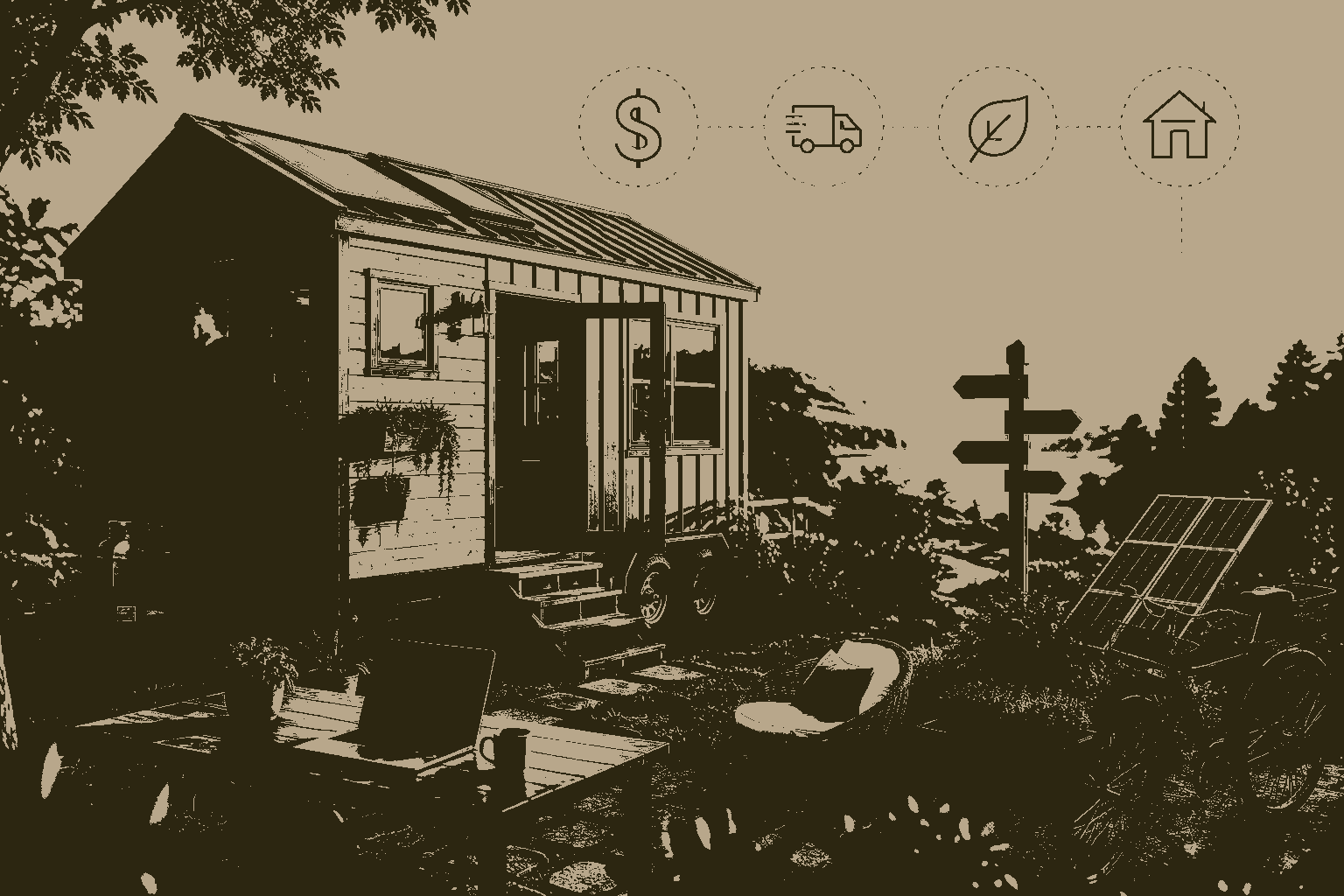
The tiny house movement continues to grow globally because it responds to several major housing pressures at once. Many people are priced out of traditional homes, while others want to reduce debt, downsize possessions, live closer to nature, or move more flexibly between locations.
Mobile home cost is one of the strongest motivations. Compared with many site-built homes, tiny mobile homes often require less material, less land, and smaller utility systems. This can make them appealing to first-time buyers, retirees, remote workers, vacation-property owners, and people seeking a lower monthly housing burden.
Sustainability is another key factor. Tiny homes use smaller spaces, fewer materials, and often less energy. Many models can include solar-ready systems, water-saving features, composting toilets, efficient insulation, and off-grid options.
However, zoning regulations remain a major challenge. In many regions, tiny homes on wheels may be treated as RVs rather than permanent homes. In other places, minimum dwelling size rules, utility requirements, parking rules, and land-use restrictions can limit legal placement. As a result, the future of tiny house mobile living depends not only on consumer demand, but also on zoning reform, financing options, and acceptance of prefab housing future models.
Q: What motivates people to choose tiny house mobile living?
A: Key motivations include low cost, mobility, sustainability, minimalist living, lower maintenance, and the ability to live with fewer possessions. Many buyers also like the idea of flexible land use, compact design, and a simpler lifestyle.
Q: Why is affordability important in the tiny house movement?
A: Affordability is important because traditional home prices and rents have become difficult for many households. Tiny homes offer a smaller and potentially lower-cost alternative, especially when land, utilities, and permitting are manageable.
Additional Related Q&A
Q: Are tiny homes cheaper than mobile homes?
A: Not always. A basic tiny home may be cheaper than a large manufactured home, but high-end tiny homes can be expensive per square foot. Buyers should compare full project cost, including land, delivery, utilities, permits, foundation, insurance, and financing.
Q: Who is most interested in tiny house mobile living?
A: Common buyer groups include young adults seeking affordability, retirees downsizing, remote workers, minimalists, vacation-home buyers, off-grid living enthusiasts, and people interested in the tiny house lifestyle.
Q: Is tiny house mobile living suitable for families?
A: It can be suitable for some families, but space limitations make planning important. Families need to consider storage, privacy, sleeping arrangements, school access, utilities, and long-term legal placement.
Q: How is tiny house living connected to modular housing trends?
A: Tiny house living is connected to modular housing trends because many tiny homes use factory-built or modular production methods. This helps improve build speed, design consistency, and cost predictability.
FAQ
1. What is the biggest reason people choose tiny homes?
The biggest reason is usually affordability. Lower mobile home cost and smaller living spaces can reduce monthly housing expenses and make ownership more accessible.
2. Can tiny homes be moved easily?
Some tiny homes on wheels can be moved, but they are not always designed for frequent travel. Moving costs, towing rules, road permits, utility disconnection, and zoning requirements should be considered.
3. Is tiny house mobile living legal everywhere?
No. Regulations vary widely by city, county, state, and country. Zoning, building codes, RV rules, ADU rules, and minimum dwelling size requirements can all affect legality.
Related News
Are Modular Homes Becoming a Key Solution to the U.S. Housing Shortage in 2026?
2026-03-02
Read More
Report Highlights Financing, Policy, and Supply Chains as Keys to Scaling Modular Construction
2026-02-15
Read More