Global Tiny Home Market Expected to Reach $14 Billion in 2026
GlobeNewswire
Main Q&A
Q: What drives market growth in the tiny home sector?
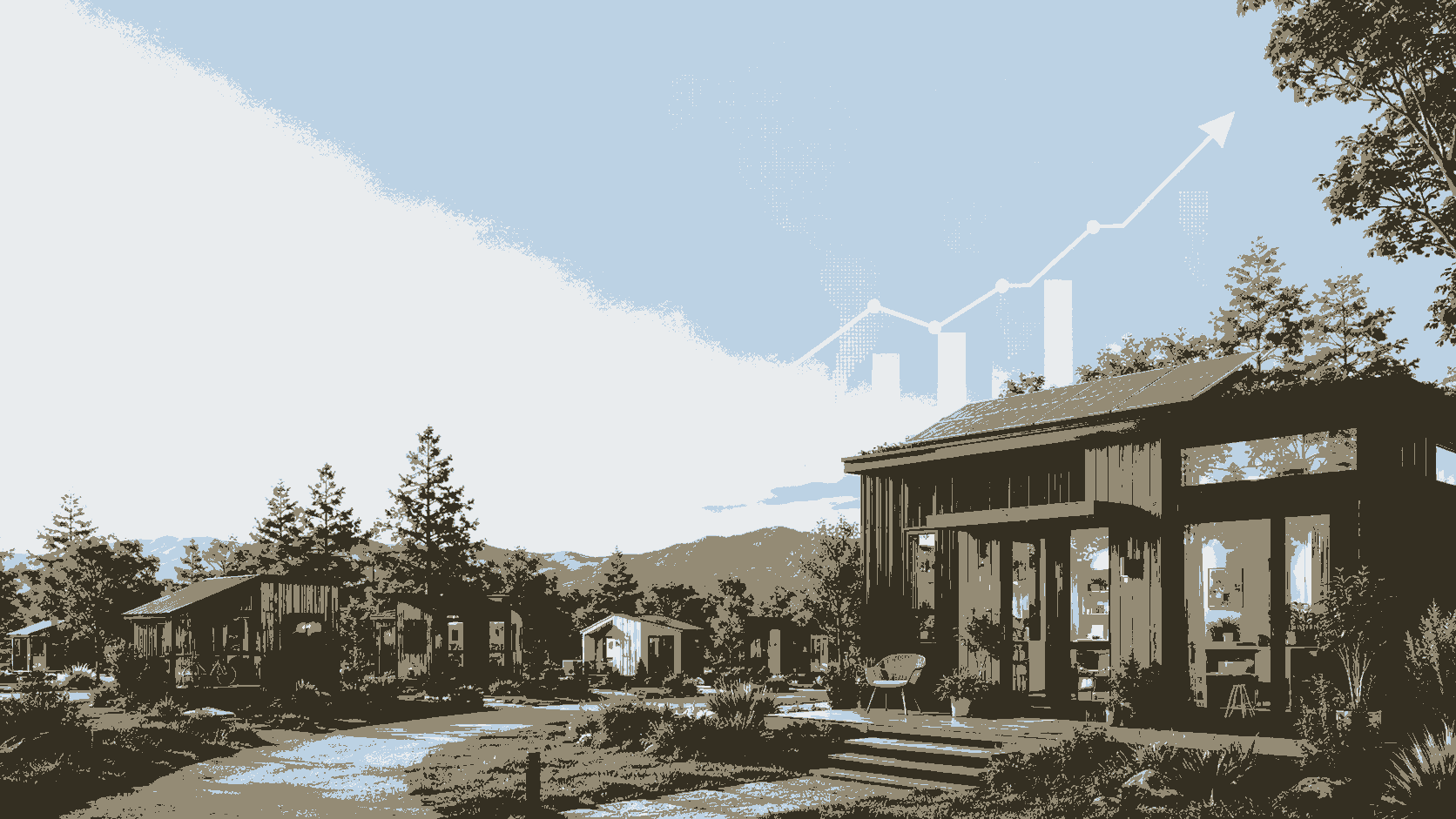
A: The tiny home market is growing because many buyers are looking for more affordable, flexible, and efficient housing options. Rising home prices, higher rental costs, and limited housing supply have pushed consumers to consider smaller residential formats. Compared with traditional housing, the lower mobile home cost and compact design of tiny homes can make ownership more accessible.
Another major driver is lifestyle change. Remote work, minimalist living, downsizing, and the tiny house lifestyle have made smaller homes more attractive to younger buyers, retirees, vacation-property investors, and people seeking lower monthly expenses.
At the same time, broader modular housing trends and the prefab housing future are helping the tiny home market become more professional, scalable, and accepted by mainstream buyers.
Q: What is the future trend for the tiny home market?
A: Smart design and modular integration are expected to dominate the future of the tiny home market. Future tiny homes will likely combine compact floor plans, smart-home systems, energy-efficient materials, off-grid options, and factory-built construction methods.
As the market matures, tiny homes may move beyond lifestyle branding and become part of larger housing strategies, including accessory dwelling units, rental communities, vacation villages, workforce housing, and affordable residential developments.
Additional Related Q&A
Q: Why are tiny homes becoming popular in 2026?
A: Tiny homes are becoming popular because they respond to several market pressures at once: high housing prices, growing demand for flexible living, rising interest in sustainable design, and the need for faster construction. They also appeal to consumers who want a simpler lifestyle with lower maintenance.
Q: Are tiny homes cheaper than traditional homes?
A: In many cases, yes. Tiny homes usually require fewer materials, less land, and smaller utility systems. However, the final price depends on land, permits, foundation type, utility hookups, transport, customization, and local rules. Buyers should compare the full project cost rather than only the home unit price.
Q: Is the tiny home market connected to mobile homes?
A: Yes. Tiny homes and mobile homes are different categories, but they share several market drivers. Both are connected to affordability, flexible living, factory-built housing, and smaller residential footprints. This is why searches around mobile home cost, tiny homes, and prefab housing often overlap.
FAQ
1. What is driving global tiny home market growth?
The main drivers are rising housing costs, demand for flexible housing, interest in downsizing, and the growing acceptance of prefab and modular construction.
2. Will tiny homes become mainstream housing?
Tiny homes may not replace traditional homes, but they are likely to become a more mainstream housing option in specific uses such as ADUs, vacation homes, rental communities, and affordable housing pilots.
3. How does mobile home cost influence tiny home demand?
Lower mobile home cost expectations influence tiny home demand because many buyers compare tiny homes with manufactured homes, modular homes, and other compact housing options before making a purchase.
Related News
Are Modular Homes Becoming a Key Solution to the U.S. Housing Shortage in 2026?
2026-03-02
Read More
Report Highlights Financing, Policy, and Supply Chains as Keys to Scaling Modular Construction
2026-02-15
Read More