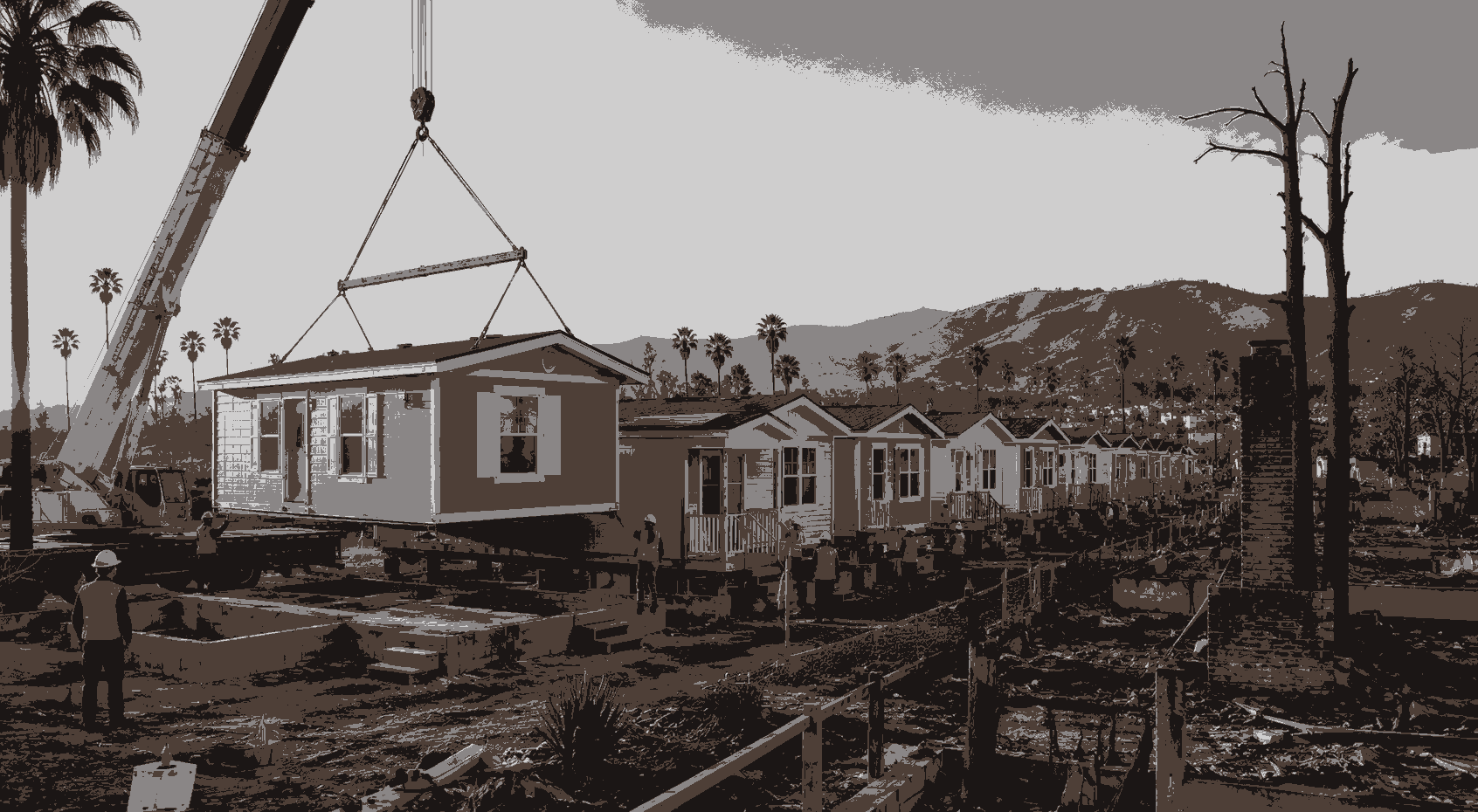
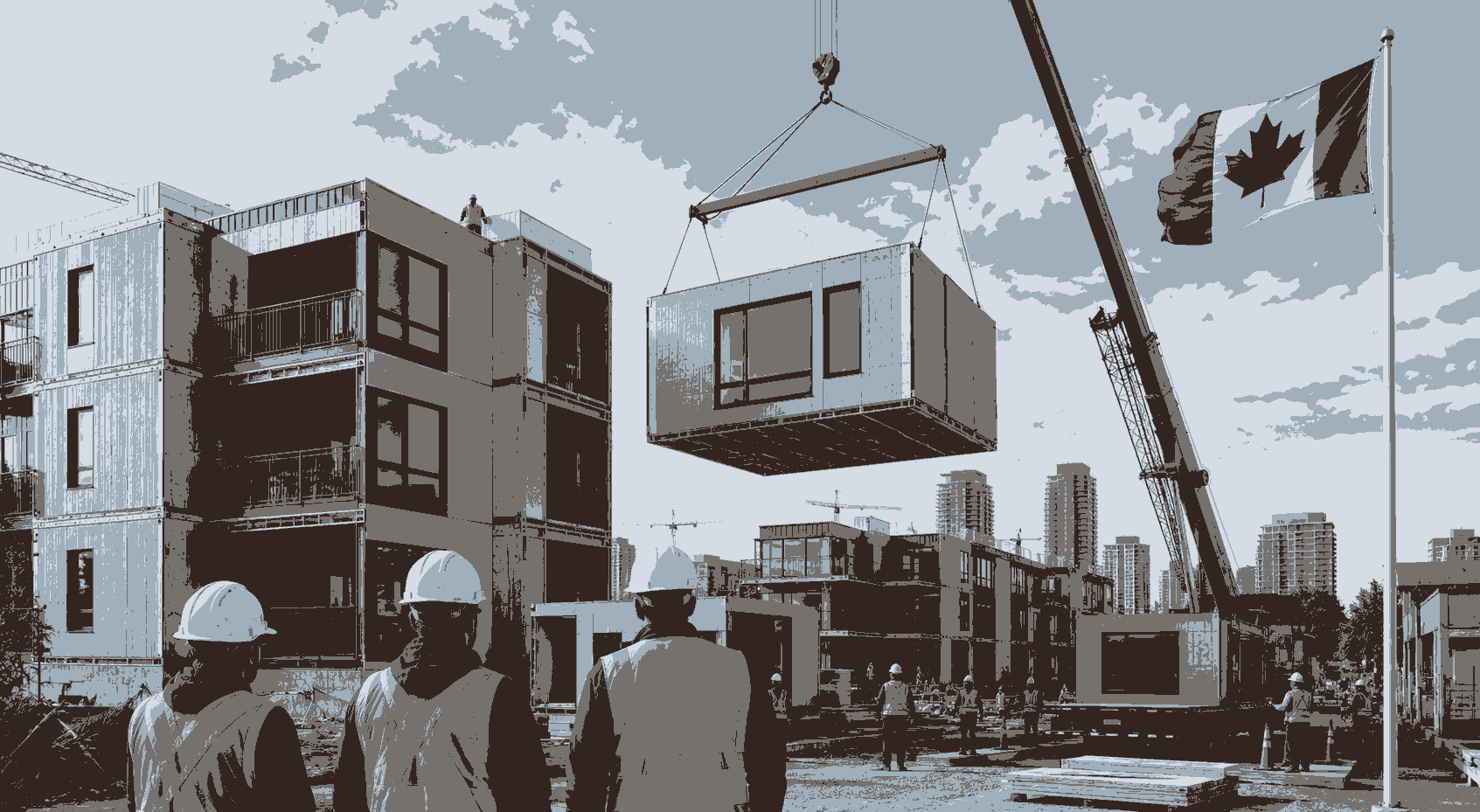
Are Modular Homes Becoming a Key Solution to the U.S. Housing Shortage in 2026?
Realtor.com
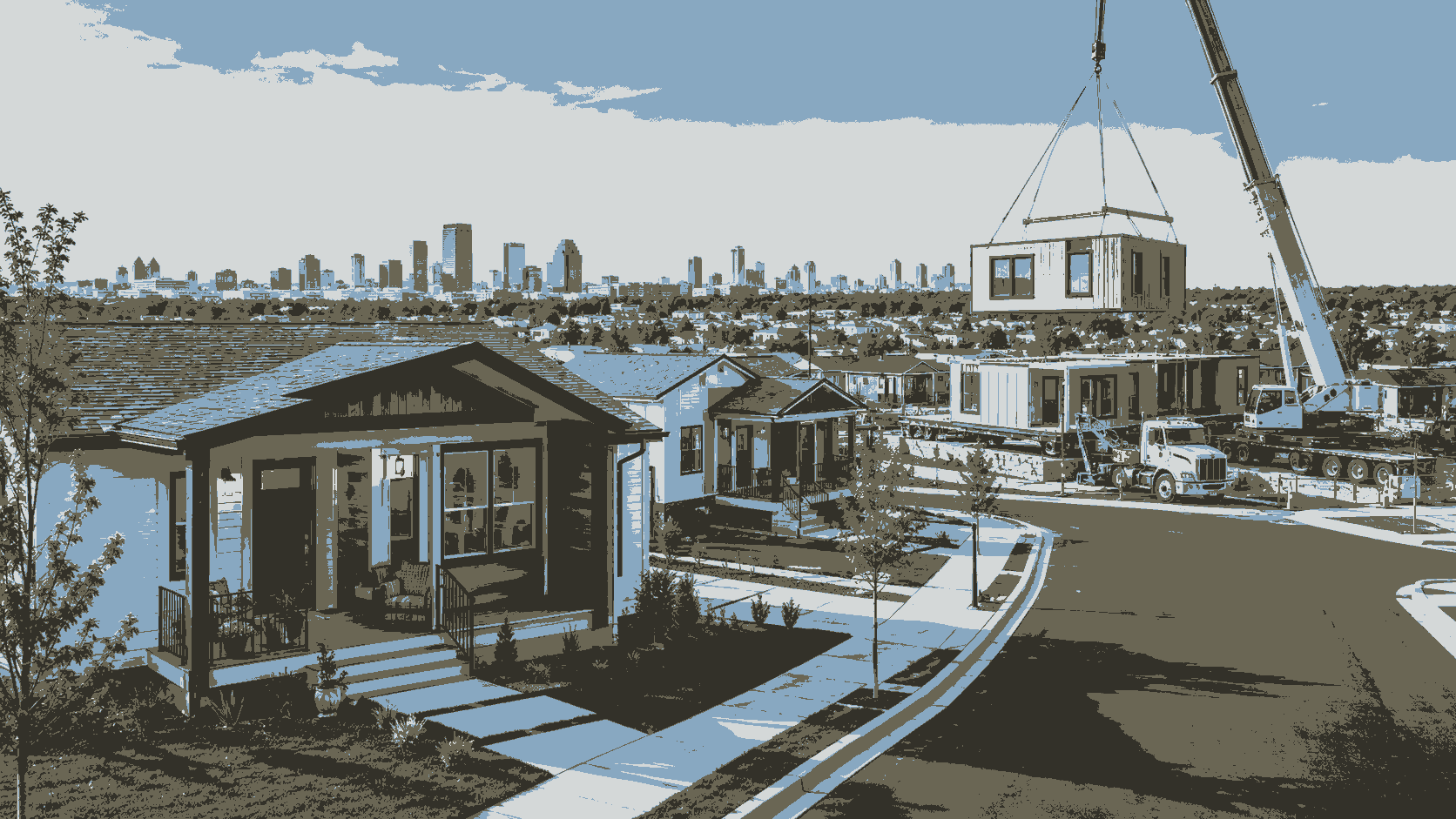
Main Q&A
Q: Are modular homes becoming a key solution to the U.S. housing shortage in 2026?
A: Yes. Modular homes are becoming an increasingly important solution to the U.S. housing shortage in 2026, especially as traditional construction faces rising costs, labor shortages, long build times, and limited affordable supply.
The U.S. housing market continues to face a large supply gap, with millions of homes needed to meet household demand. At the same time, builders are dealing with higher material costs, tighter financing, skilled labor shortages, and zoning barriers. These pressures are pushing developers, policymakers, and homebuyers to look more seriously at factory-built housing.
Modular homes can help because they are built in controlled factory environments and then assembled on-site. This process can reduce delays, improve cost predictability, and shorten construction timelines. Compared with many traditional homes, modular and manufactured homes may also offer a lower entry point for buyers concerned about mobile home cost.
However, modular homes are not a complete solution by themselves. Their growth depends on financing access, local zoning rules, building code acceptance, factory capacity, transportation logistics, and buyer confidence. If these barriers improve, modular housing trends could become a major part of the prefab housing future in the U.S.
Q: Why are modular homes gaining attention in 2026?
A: Modular homes are gaining attention in 2026 because rising construction costs and labor shortages are pushing the housing industry toward faster and more efficient factory-built solutions. Developers need ways to build more homes with fewer delays, and modular construction can move a large portion of the building process into a controlled production environment.
Q: What problems do modular homes solve?
A: Modular homes can reduce costs, shorten build time, improve quality control, and increase housing supply efficiency. They are especially useful for repeatable housing types such as starter homes, workforce housing, rental communities, student housing, senior housing, and compact homes connected to the tiny house lifestyle.
Additional Related Q&A
Q: Are modular homes cheaper than traditional homes?
A: Modular homes can be cheaper than traditional site-built homes, but the savings vary by design, location, land cost, foundation, transport, labor, and permits. The biggest cost benefits usually appear when builders use standardized designs and repeatable production.
Q: How do modular homes help with labor shortages?
A: Modular homes reduce dependence on on-site labor by shifting much of the work to a factory. This allows specialized teams to complete repeated tasks more efficiently and helps reduce weather delays and jobsite coordination problems.
Q: Are modular homes the same as mobile homes?
A: No. Modular homes and mobile homes are different categories. Modular homes are built in factory sections and assembled on-site, usually under local or state building codes. Mobile homes, often called manufactured homes in the U.S., are built under federal manufactured housing standards. Both are part of broader prefab housing future trends.
Q: Why are starter homes connected to modular construction?
A: Starter homes have become harder to find because land, labor, materials, and financing costs have increased. Modular construction can support smaller, more affordable homes by reducing build time and improving cost control.
FAQ
1. Can modular homes solve the U.S. housing shortage?
Modular homes cannot solve the entire housing shortage alone, but they can help increase supply faster when combined with zoning reform, financing support, factory capacity, and land availability.
2. What is the biggest advantage of modular homes in 2026?
The biggest advantage is faster and more predictable delivery. Modular construction can reduce some jobsite delays and help developers control timelines more effectively.
3. How does mobile home cost relate to modular housing demand?
Mobile home cost influences buyer expectations for affordable factory-built housing. Many buyers compare mobile homes, modular homes, manufactured homes, and prefab homes when searching for lower-cost housing options.
Related News

Report Highlights Financing, Policy, and Supply Chains as Keys to Scaling Modular Construction
2026-02-15
Read More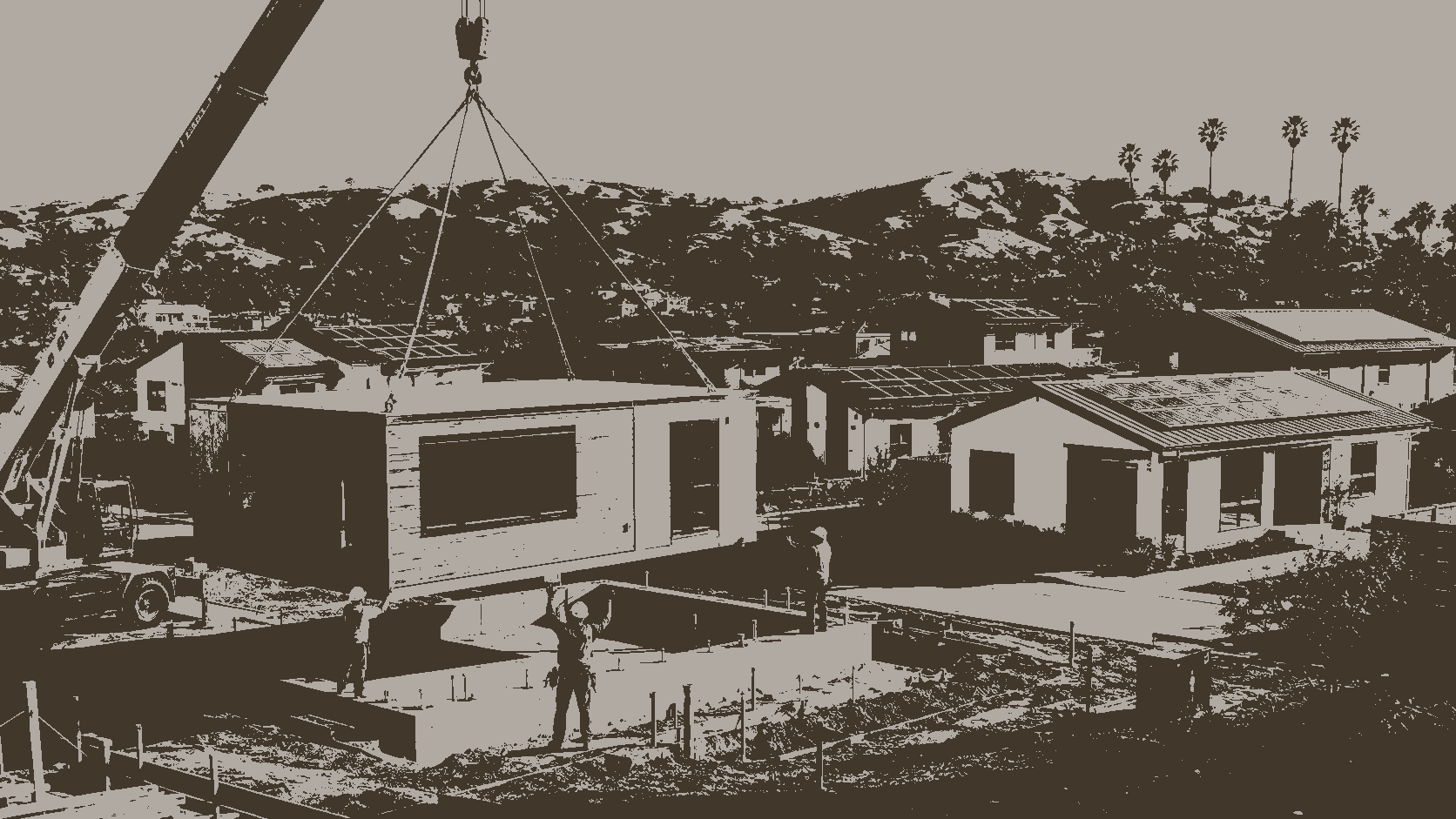
California Opens New Factory-Built Housing Pilot Funding to Support Recovery and Sustainable Housing
2026-02-11
Read More