Victoria to Deploy More Than 100 Temporary Modular Homes for Bushfire-Affected Households
Emergency Victoria
Q1: Why are temporary modular homes useful after a disaster?
Major bushfires can simultaneously damage homes, interrupt utilities, restrict road access and reduce the availability of local rental accommodation.
Hotels and short-stay rentals may be suitable during the immediate emergency phase, but they can become expensive over an extended period and may force residents to move away from their employment, schools, farms and community networks.
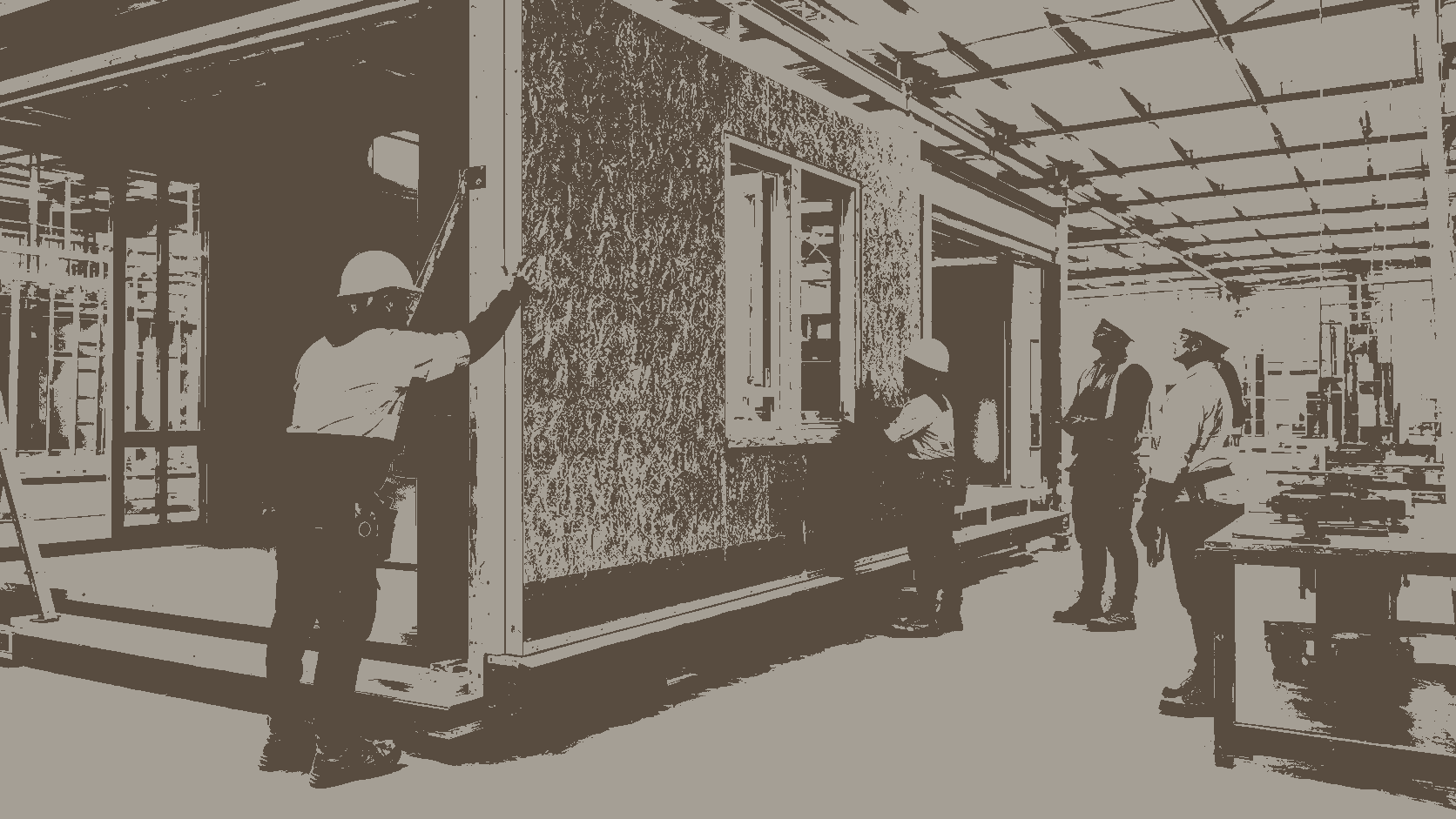
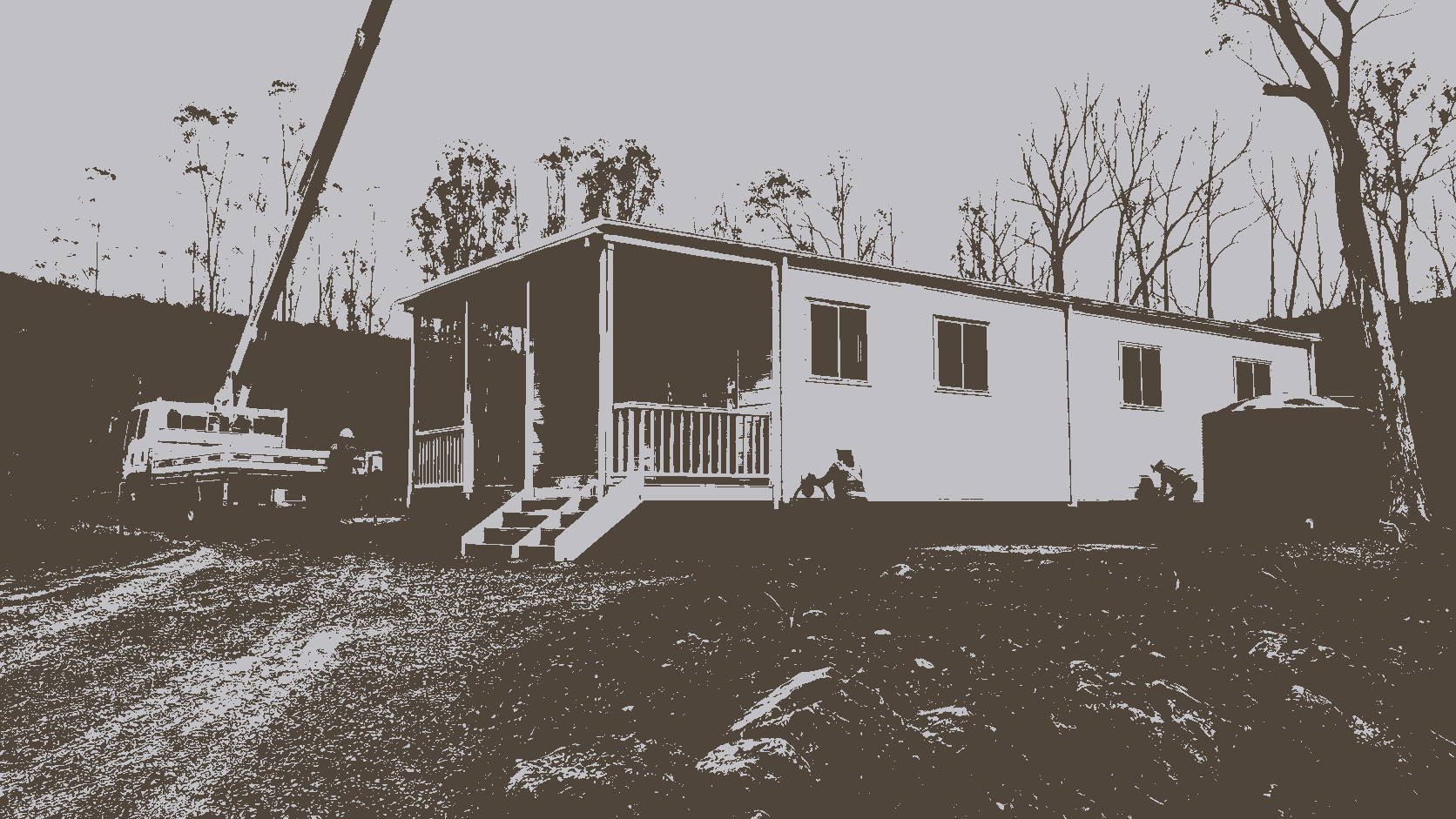
Modular homes can be largely manufactured in a factory and then transported to affected areas, providing more stable accommodation while permanent reconstruction proceeds.
Q2: How many modular homes will the Victorian programme provide?
According to the Victorian Government, nearly AUD 33 million will fund more than 100 temporary modular homes.
The housing programme forms part of an additional bushfire-recovery package worth more than AUD 37 million. Other funding will support legal services, rural financial counselling and wellbeing assistance.
The announcement provides an overall budget and target quantity but does not specify a standard price, floor area or floor plan for each dwelling.
Q3: Which households may qualify for assistance?
Published eligibility information indicates that temporary accommodation is primarily intended for people who:
- Cannot return home because it was seriously damaged or destroyed;
- Are uninsured or underinsured;
- Have no suitable alternative accommodation;
- Require support while their home is repaired or rebuilt.
Final eligibility will depend on an assessment of each household’s insurance position, property damage, site conditions and accommodation needs.
Q4: Where can the modular homes be installed, and for how long?
Eligible modular units may be placed on the affected household’s property or another agreed location.
Emergency Victoria states that on-site temporary accommodation may be available for up to three years. This can allow households to remain connected to their community while cleanup, insurance processing, design and permanent rebuilding continue.
The three-year period is a potential maximum rather than an automatic occupancy term for every applicant.
The success of these projects depends on coordinating the dwelling, transportation, foundations and utility services as one system. For Chinese exporters, rapid manufacturing is important, but certification, rural-infrastructure compatibility, installation support and future reuse will be more important to long-term competitiveness.
Related News
Alberta Invests CAD 200 Million in 189 Modular Classrooms to Add About 5,450 Student Spaces
2026-07-31
Read More
Australian Hospital Begins Modular Expansion to Add 51 Beds and Treatment Spaces by 2027
2026-07-31
Read More