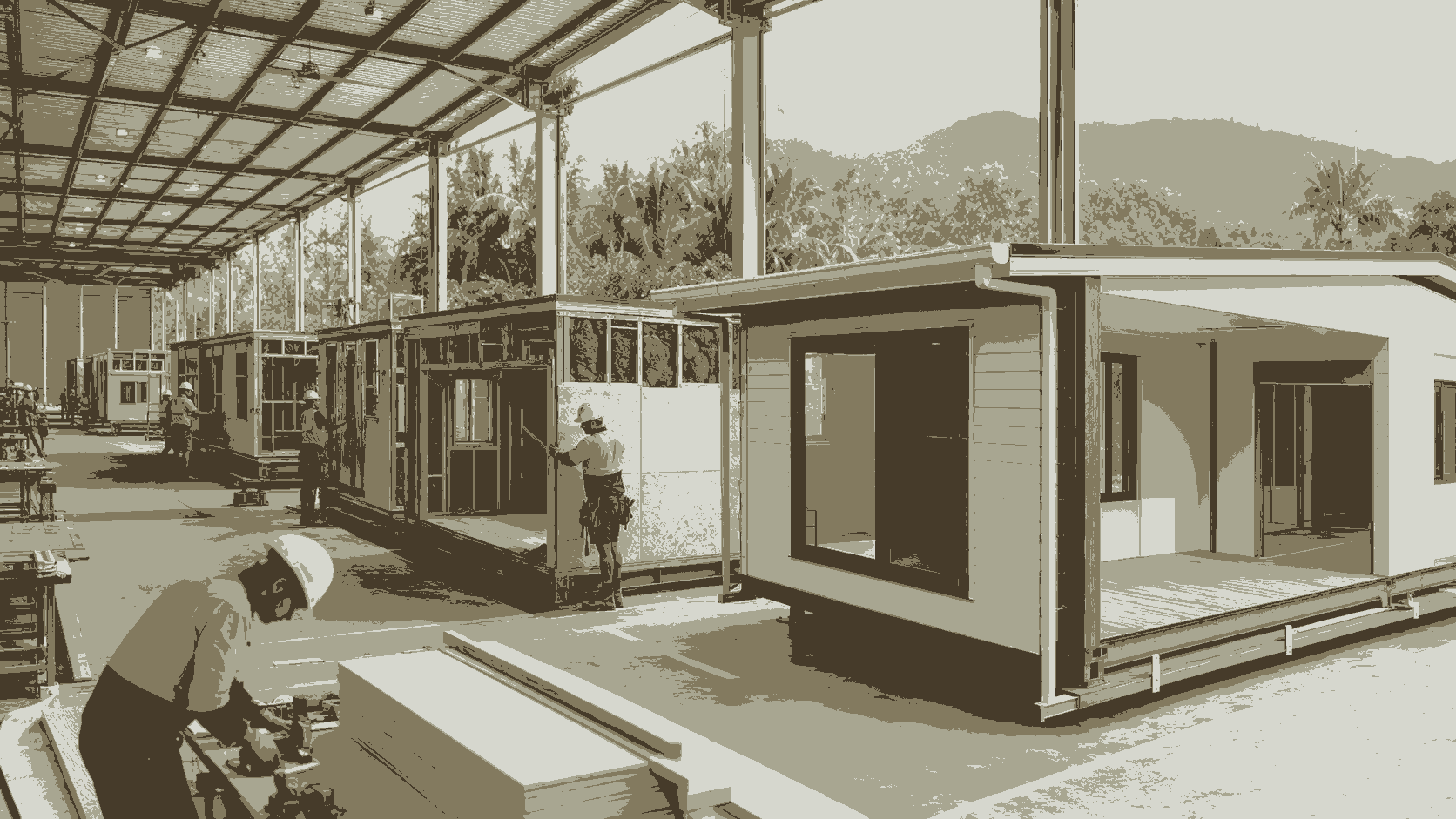
Alberta Invests CAD 200 Million in 189 Modular Classrooms to Add About 5,450 Student Spaces
Government of Alberta
Q1: Why does Alberta need so many modular classrooms?
Several Alberta cities and rapidly growing communities are experiencing rising student enrolment and increasing school utilization rates.
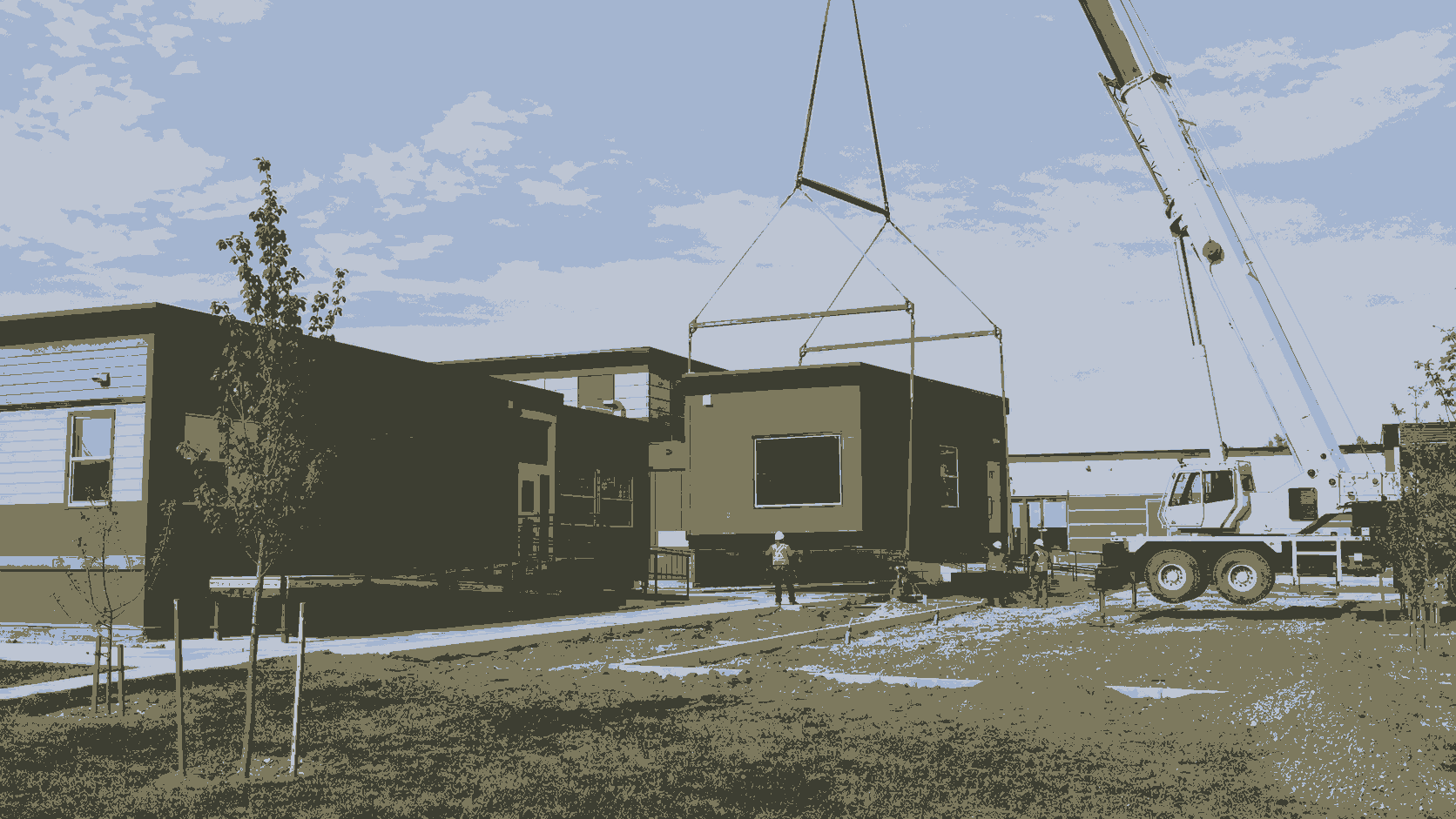
A permanent school may take several years to progress through site selection, planning, design, approvals and construction. Modular classrooms can provide capacity while larger permanent projects remain under development.
The programme is therefore intended to bridge the gap between immediate enrolment demand and the delivery of long-term school infrastructure.
Q2: What is included in the investment?
According to the Government of Alberta, the 2026/27 programme includes:
- 189 new modular classrooms;
- 12 new modular washroom units;
- 10 replacement units;
- 29 modular-unit relocations;
- Nine demolitions of older units;
- Approximately 5,450 additional student spaces.
The CAD 200 million annual investment forms part of a three-year modular-classroom commitment totalling CAD 600 million.
Q3: When will the classrooms become operational?
Most units are expected to become available during the 2026/27 school year. Individual delivery dates will depend on site preparation, planning approval, foundations, transportation access and the complexity of utility connections.
Edmonton Public Schools, for example, received funding for 32 modular classrooms across 12 schools. These units are expected to provide approximately 800 additional student spaces, with installation taking place throughout the 2026/27 school year.
Q4: What technical requirements must modern modular classrooms meet?
Modular classrooms intended for the Canadian market must provide more than basic temporary shelter. They need to meet education-building requirements and perform reliably in a cold climate.
Important requirements may include:
- Structural design for winter temperatures and snow loads;
- High-performance wall, roof and floor insulation;
- Airtight doors and windows;
- Heating, ventilation and indoor-air-quality control;
- Fire alarms and safe evacuation routes;
- Accessible ramps and circulation spaces;
- Suitable classroom lighting and acoustic performance;
- Electrical, data and teaching-technology connections;
- Connections to the existing school’s corridors and services;
- Compliance with local permits and inspection requirements.
Rapid installation is only possible when the module design is coordinated with local codes, campus conditions and existing infrastructure.
Related News
Australian Hospital Begins Modular Expansion to Add 51 Beds and Treatment Spaces by 2027
2026-07-31
Read More
New US Housing Law Requires Cost and Quality Study of Modular and Off-Site Homes
2026-07-31
Read More