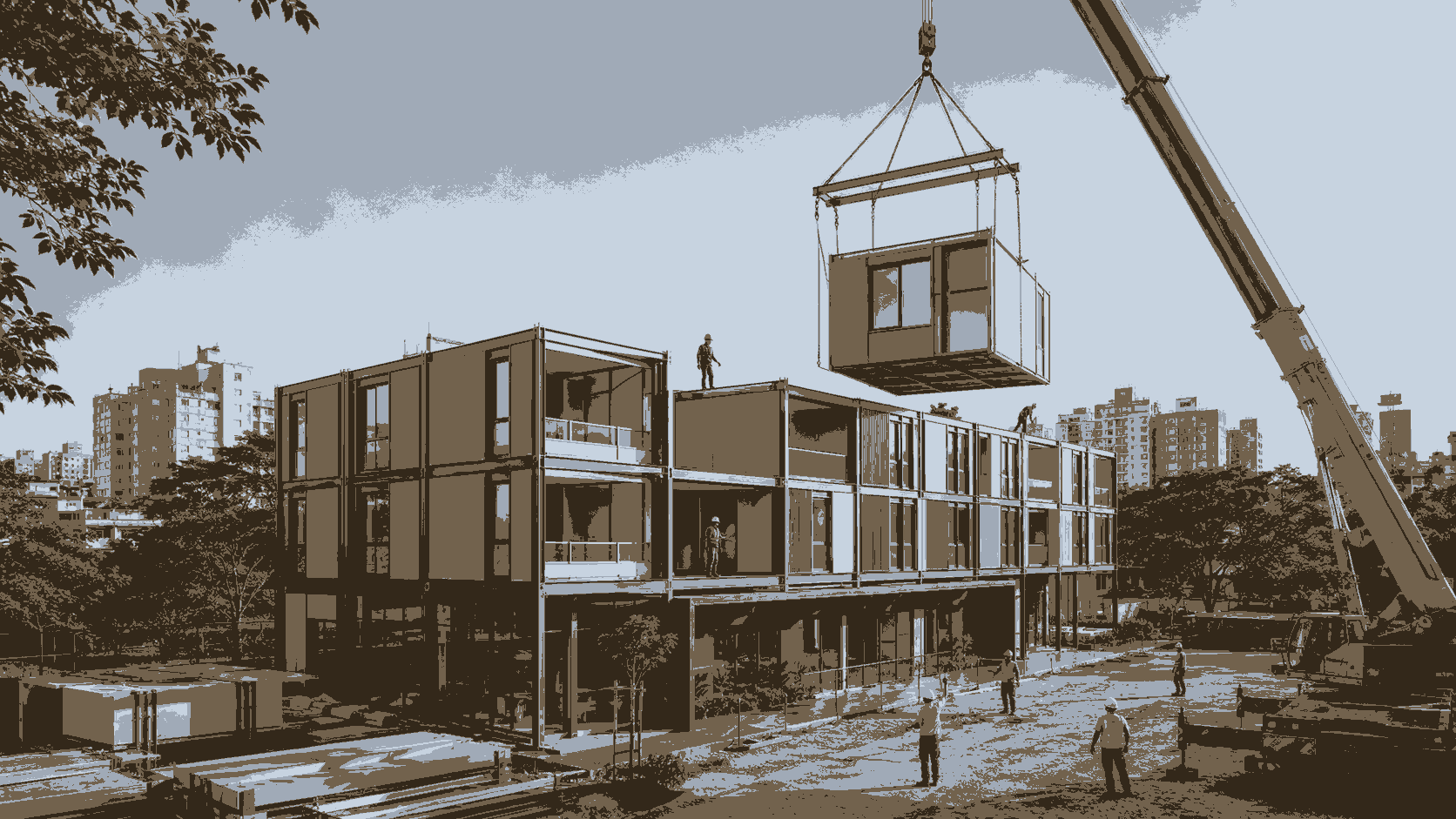
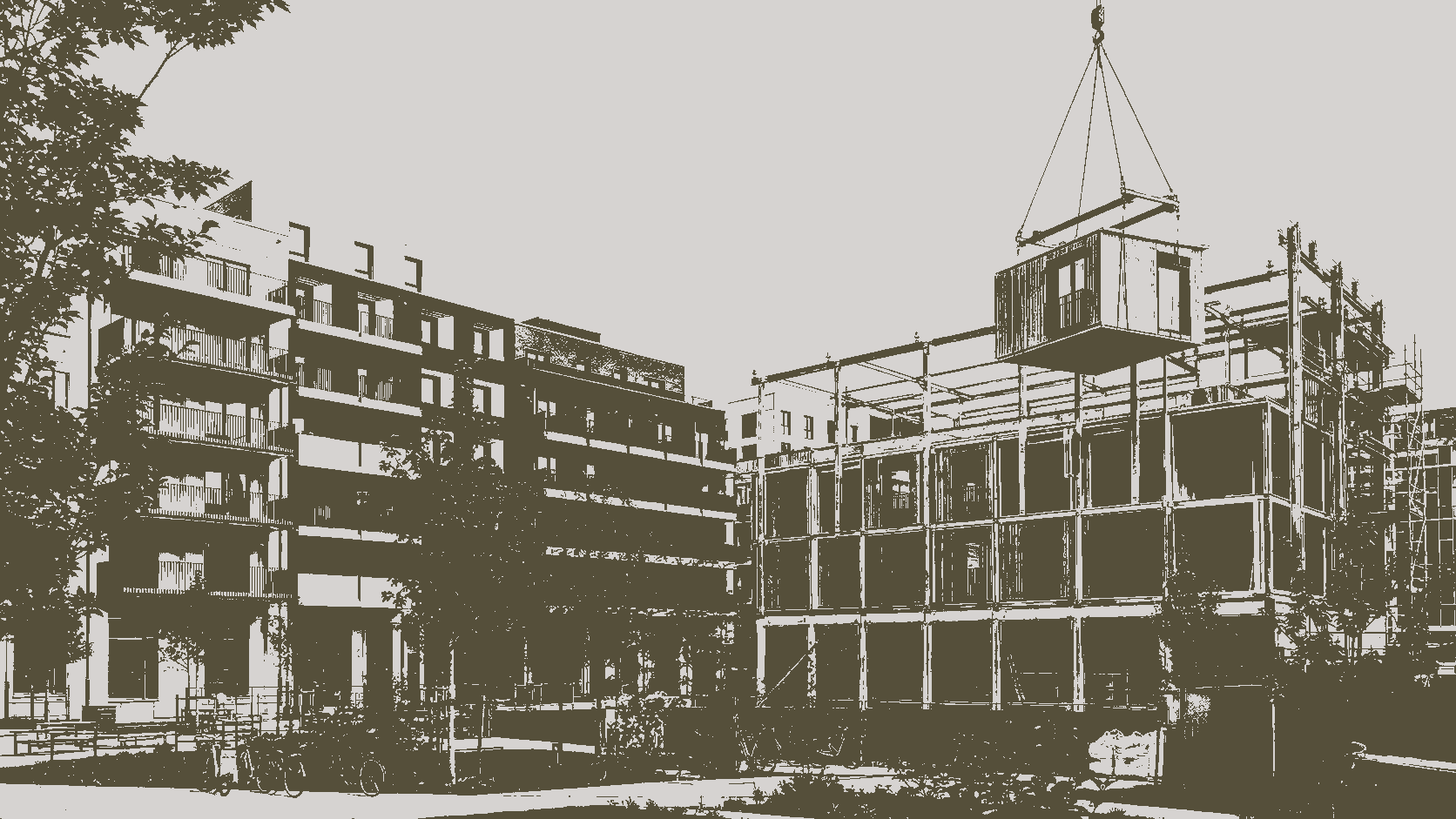
Cornwall Explores Redeployment of 37 Modular Micro-Homes for New Community Uses
Help Shape the Future of Modular Micro-Homes in Cornwall
Question 1: Why do the modular homes need to be redeployed?
The micro-homes were originally acquired to meet a temporary accommodation requirement. When the original program or site no longer needs every unit, the local authority must decide whether the buildings should continue operating, move elsewhere or be taken out of service.
Unlike many conventional permanent buildings, relocatable modular homes may be disconnected, transported and installed at another site. The end of the original use does not necessarily require demolition.
Cornwall Council therefore invited proposals for the future use of up to 37 one-bedroom modular homes, with an emphasis on housing and social-support applications.
Question 2: Which future uses receive priority?
The published evaluation information gives preference to proposals aligned with:
- Affordable housing;
- Homelessness prevention;
- Transitional accommodation;
- Community-support projects;
- Housing uses with clear social value.
The quantity requested, financial proposal, organisational capacity and local connection are also considered. Receiving the buildings alone is not sufficient: an operator still needs a suitable site, approvals, transport, installation and management capacity.
Question 3: What should be inspected before relocation?
Before transport, each module should undergo a technical inspection covering:
- Deformation of the primary frame;
- Condition of lifting points and the base structure;
- Roof and external-wall water penetration;
- Continuity of insulation and moisture-control layers;
- Window and door seals;
- Electrical, plumbing and drainage systems;
- Fire equipment and escape provisions;
- Corrosion, mould or material deterioration.
Modules that have already been transported several times require particular attention at connection points and concealed areas.
Question 4: How are modular homes relocated?
Redeployment normally involves disconnecting utilities, protecting internal equipment, installing transport bracing, lifting the unit onto a low-loader, road transport and lifting it onto the new site.
The receiving site must be prepared with:
- Planning and building approvals;
- Ground and site investigations;
- Foundations or support systems;
- Crane positions and transport access;
- Water, drainage, power and communication interfaces;
- Fire access and accessible routes;
- Module anchoring and joint sealing.
Physical relocation may be quick, but approvals and site preparation remain part of the complete schedule.
Question 5: Is reuse always more sustainable than new construction?
Reuse can avoid manufacturing another primary structure and part of the interior, while reducing demolition waste. The actual environmental benefit depends on transport distance, repair requirements, energy performance and remaining service life.
If modules require long-distance transport, major structural repair or complete replacement of insulation and building services, the benefit may be reduced. Technical, financial and carbon assessments should therefore be completed together.
Related News
Queensland Expands Modular Housing Factory to Increase Annual Production by 40%
2026-07-31
Read More
European Researchers Test Reusable CLT Modular Building System for Seismic Performance
2026-07-31
Read More