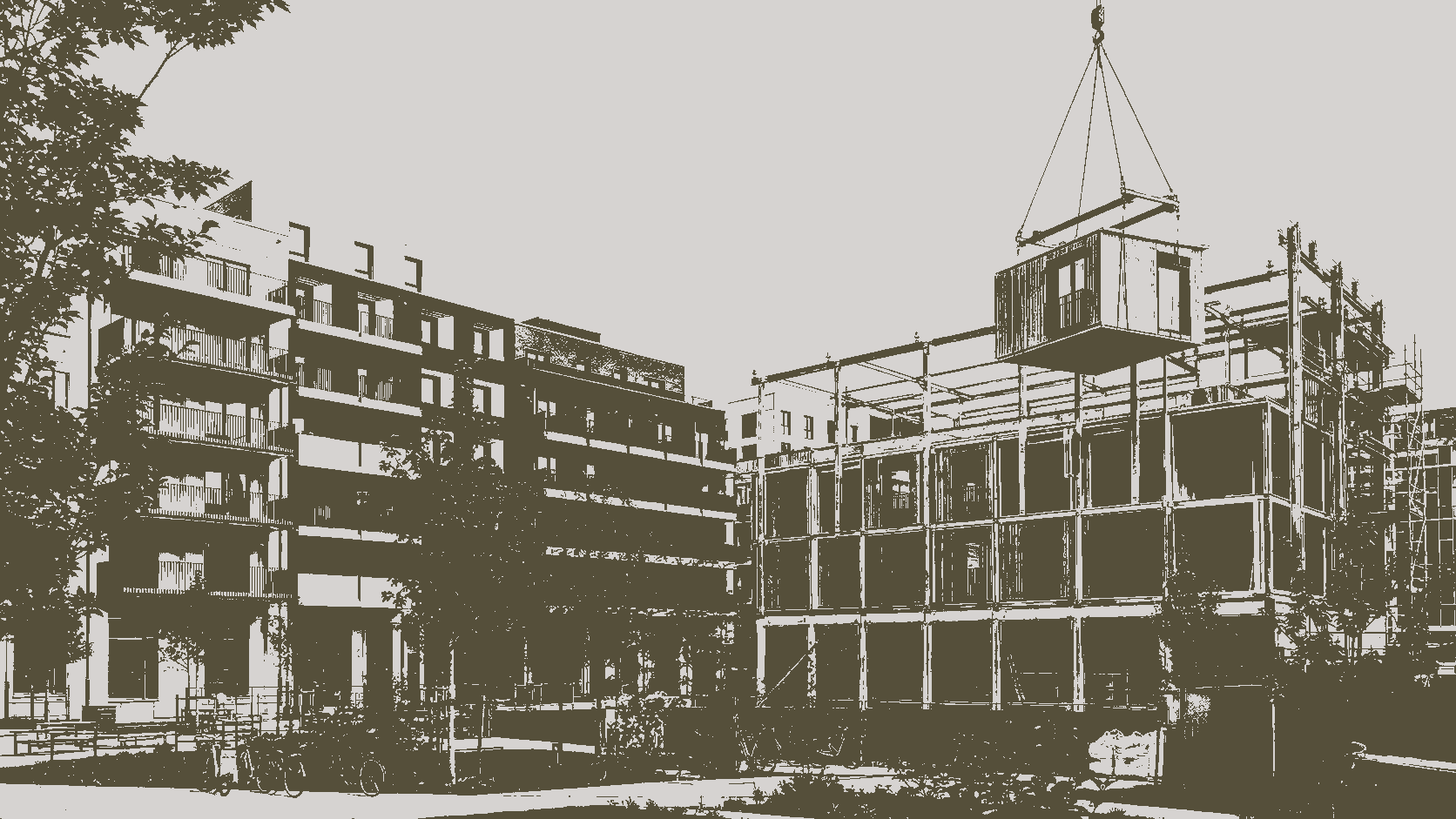
Queensland Expands Modular Housing Factory to Increase Annual Production by 40%
Housing Factory Expansion Fast-Tracks New Homes
Question 1: Why is Queensland expanding modular housing production?
Queensland covers a large geographic area, and some communities are located far from major cities and conventional construction supply chains. Regional and remote locations may face shortages of tradespeople, longer material lead times and higher site costs.
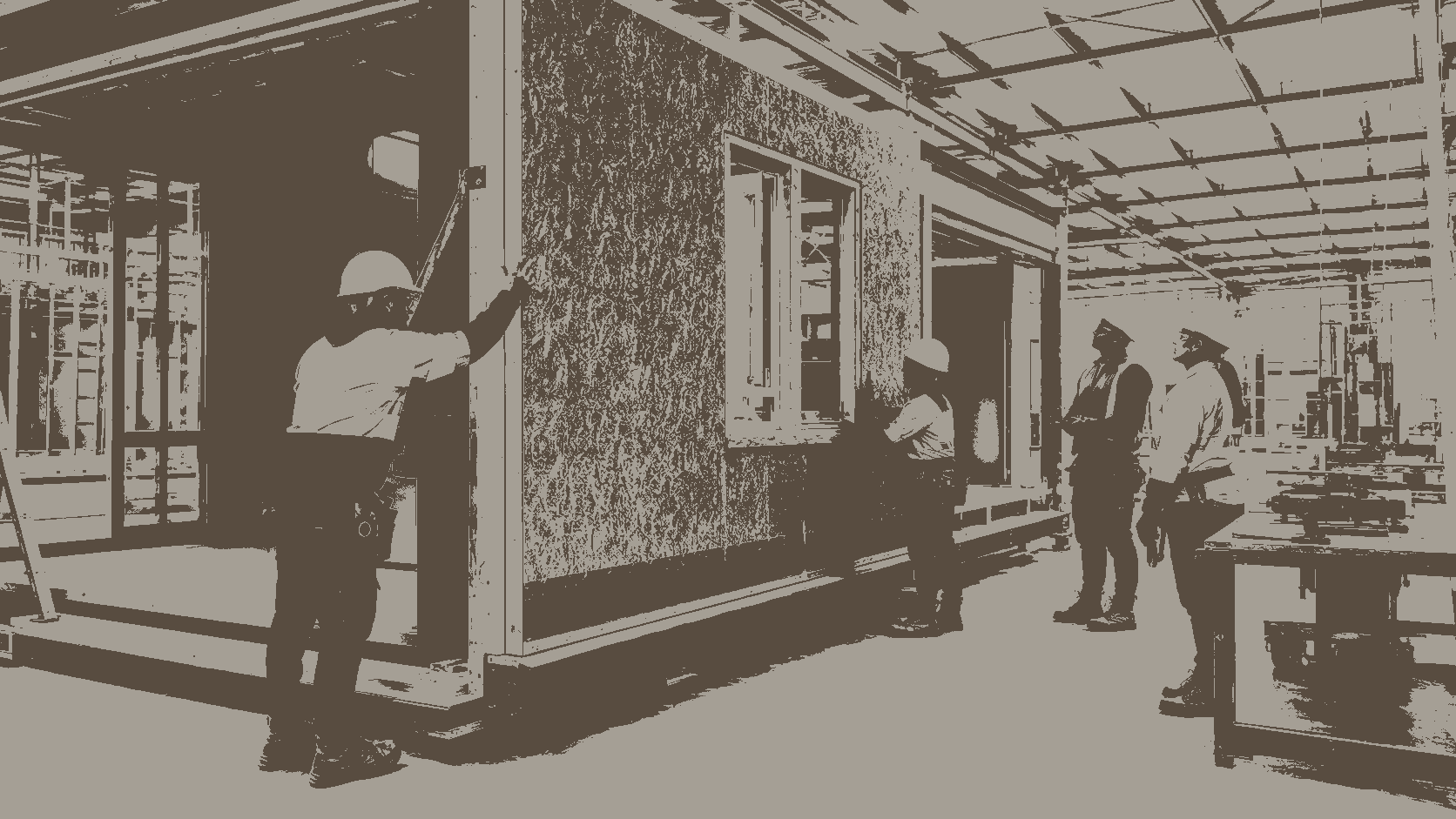
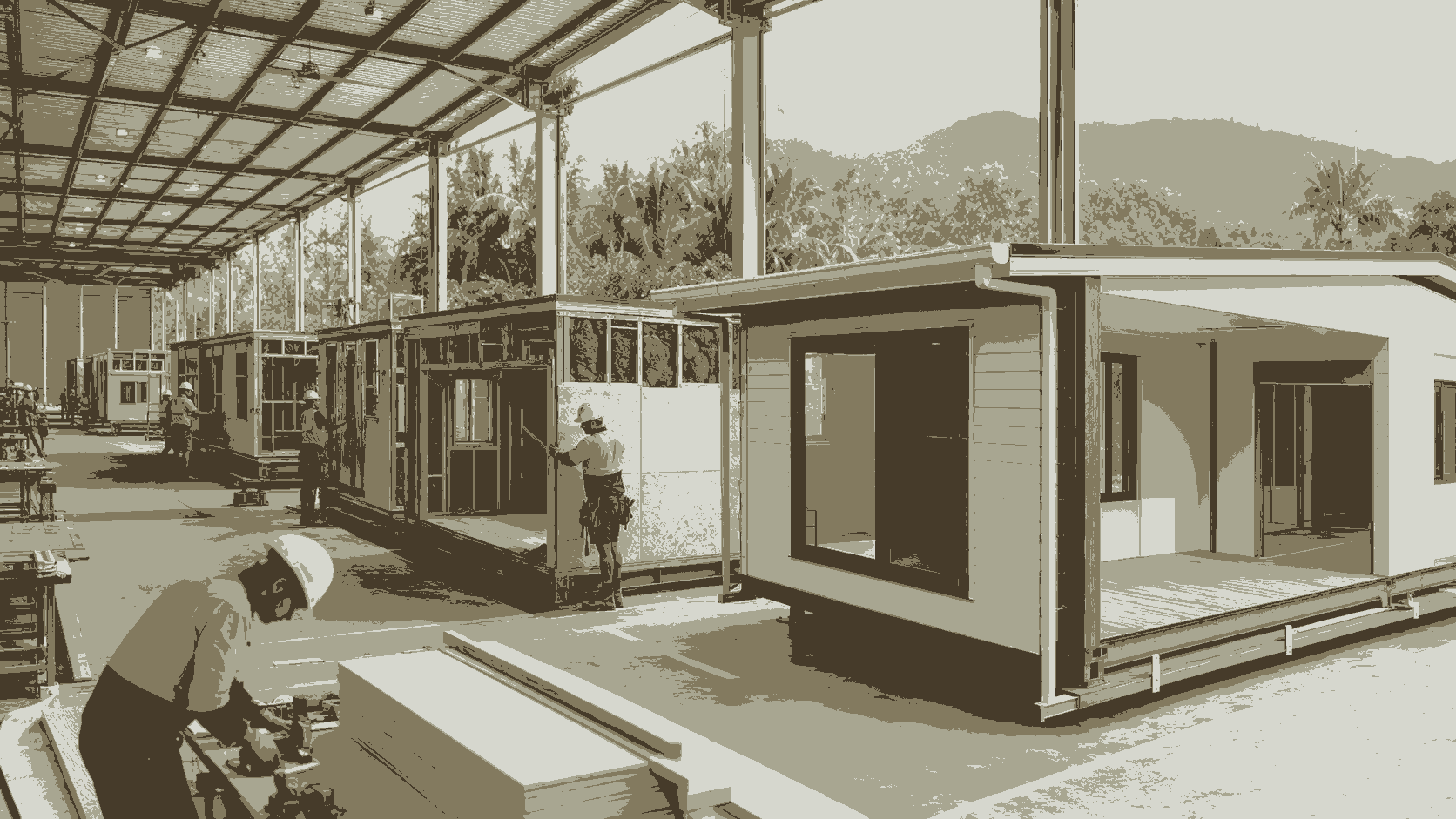
Expanding factory production allows material procurement, workforce training and quality control to be organised centrally. A larger share of construction can be completed in a controlled environment before the housing is transported to its destination.
This approach can be useful in communities with continuing housing demand but limited local construction capacity.
Question 2: How much additional production is planned?
Information published by the Queensland Government in May 2026 indicated that the expanded facility was expected to increase annual production by approximately 40% from 1 July 2026.
Increasing capacity involves more than expanding the physical factory. It also requires coordination of:
Standardised design;
Material supply;
Skilled workers and apprentices;
Factory workstations;
Quality inspection;
Transport and site installation.
If logistics and site preparation do not keep pace with production, additional modules may create a delivery backlog.
Question 3: What types of homes are included?
Queensland’s modern construction program includes one-, two-, three- and four-bedroom homes for different household sizes.
Construction methods include:
Volumetric modules;
Flat-pack prefabricated components;
Kit-of-parts building systems;
Factory-installed walls, windows and internal finishes;
Site-built foundations and module connections.
The level of prefabrication can be selected according to transport distance, road conditions, site dimensions and resident requirements.
Question 4: Who will use the modular homes?
Government information indicates that the homes will support social housing in communities with high demand and accommodation for essential frontline workers.
In some locations, teachers, healthcare employees, emergency personnel and other essential workers may otherwise compete for a limited supply of private rental housing. Dedicated accommodation can support a more stable local workforce.
Question 5: How can factory production shorten delivery?
In conventional construction, structural, envelope, building-service and finishing work generally proceeds sequentially after foundations are completed.
A modular project can manufacture the main building sections in a factory while foundations and utility infrastructure are prepared on-site. When both workstreams are coordinated, installation, connection and commissioning can proceed relatively quickly after delivery.
The complete schedule still depends on approvals, weather, road transport, crane availability, foundation accuracy and utility connections. Factory production time alone does not represent the total project duration.
Related News
European Researchers Test Reusable CLT Modular Building System for Seismic Performance
2026-07-31
Read More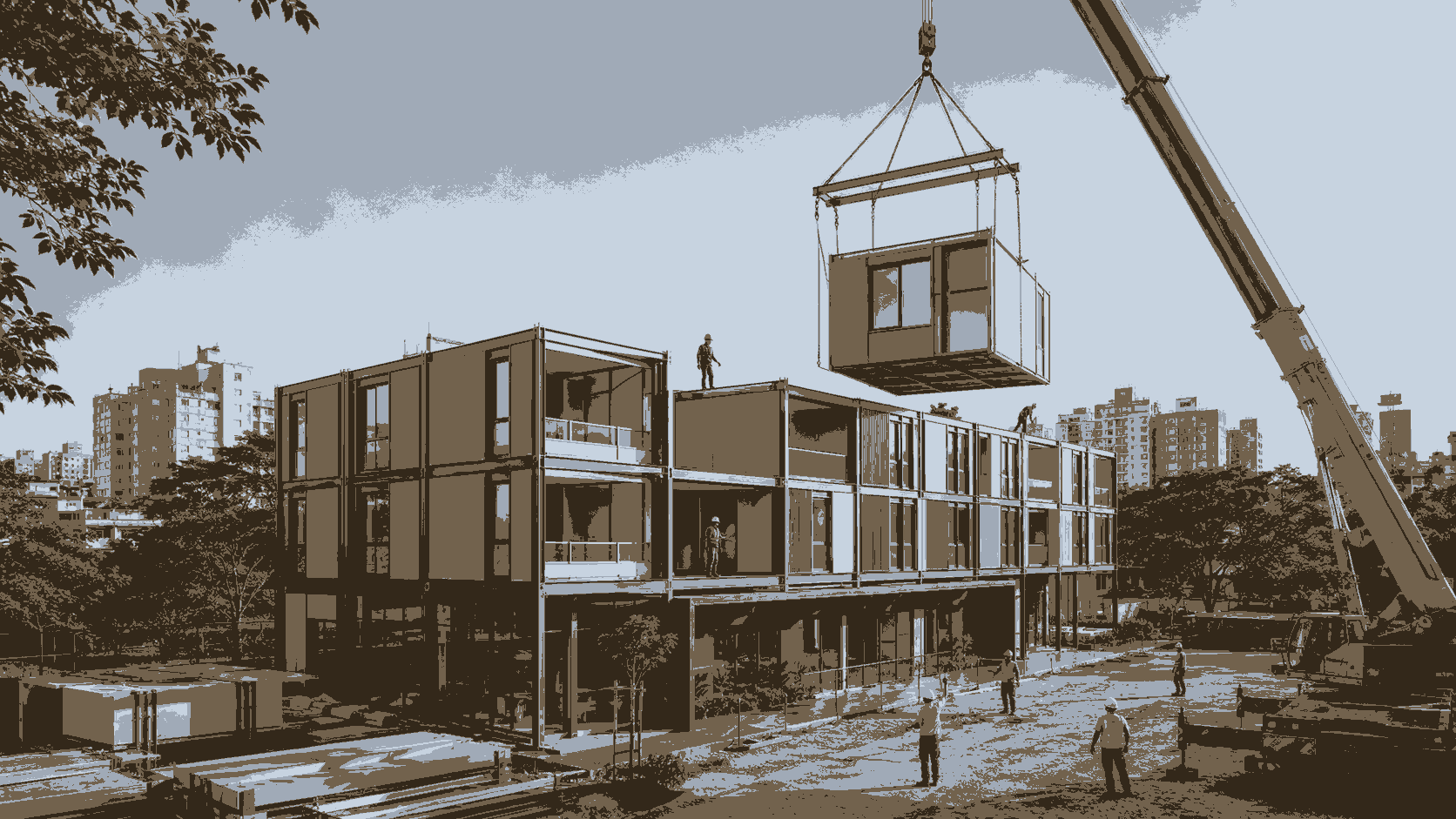
Brazil’s Modular Construction Market Expands Across Housing, Public and Industrial Projects
2026-07-31
Read More