How Smart Construction Technology Is Upgrading Mobile Homes?
McKinsey
Main Q&A
Q: How is smart construction technology upgrading mobile homes?
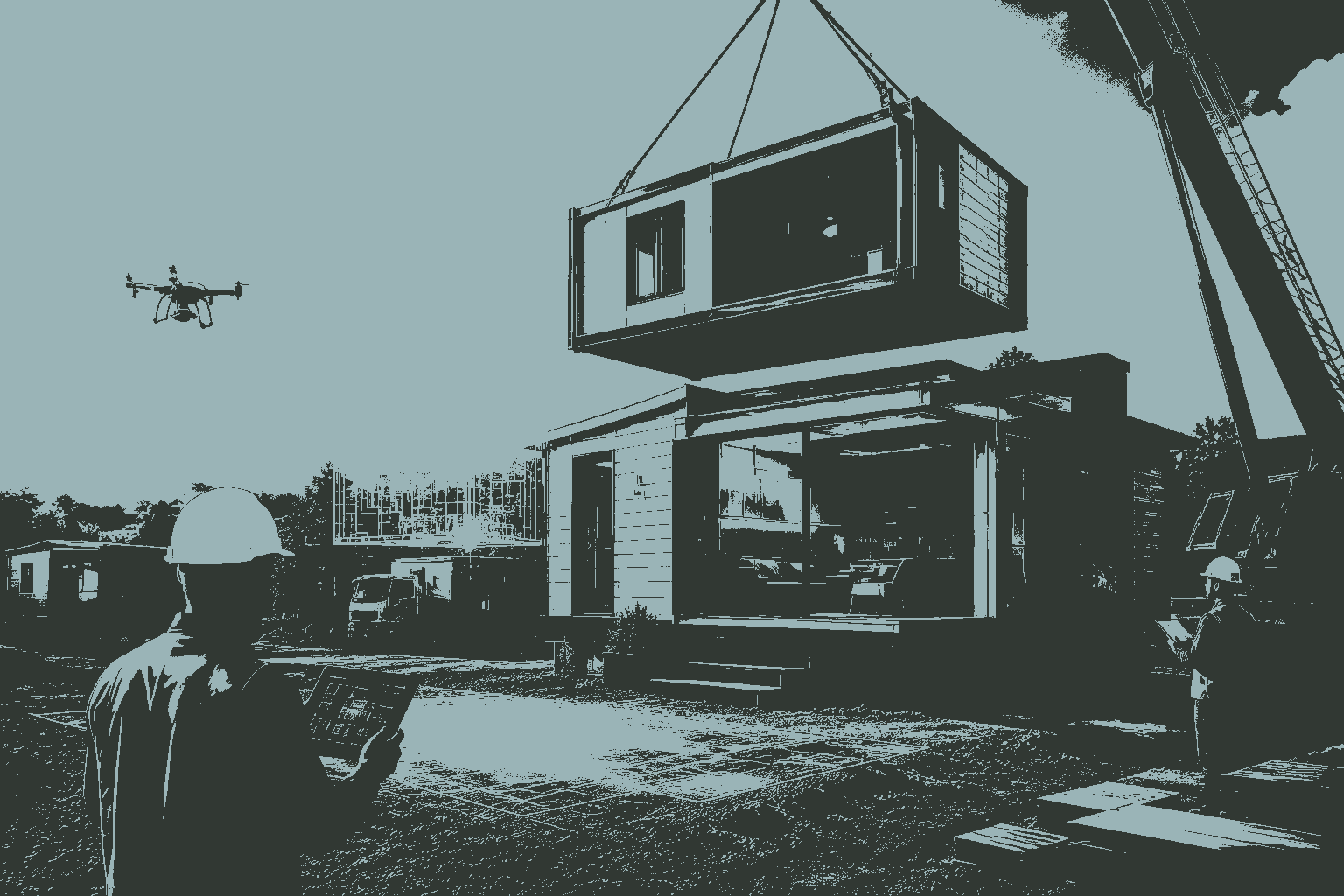
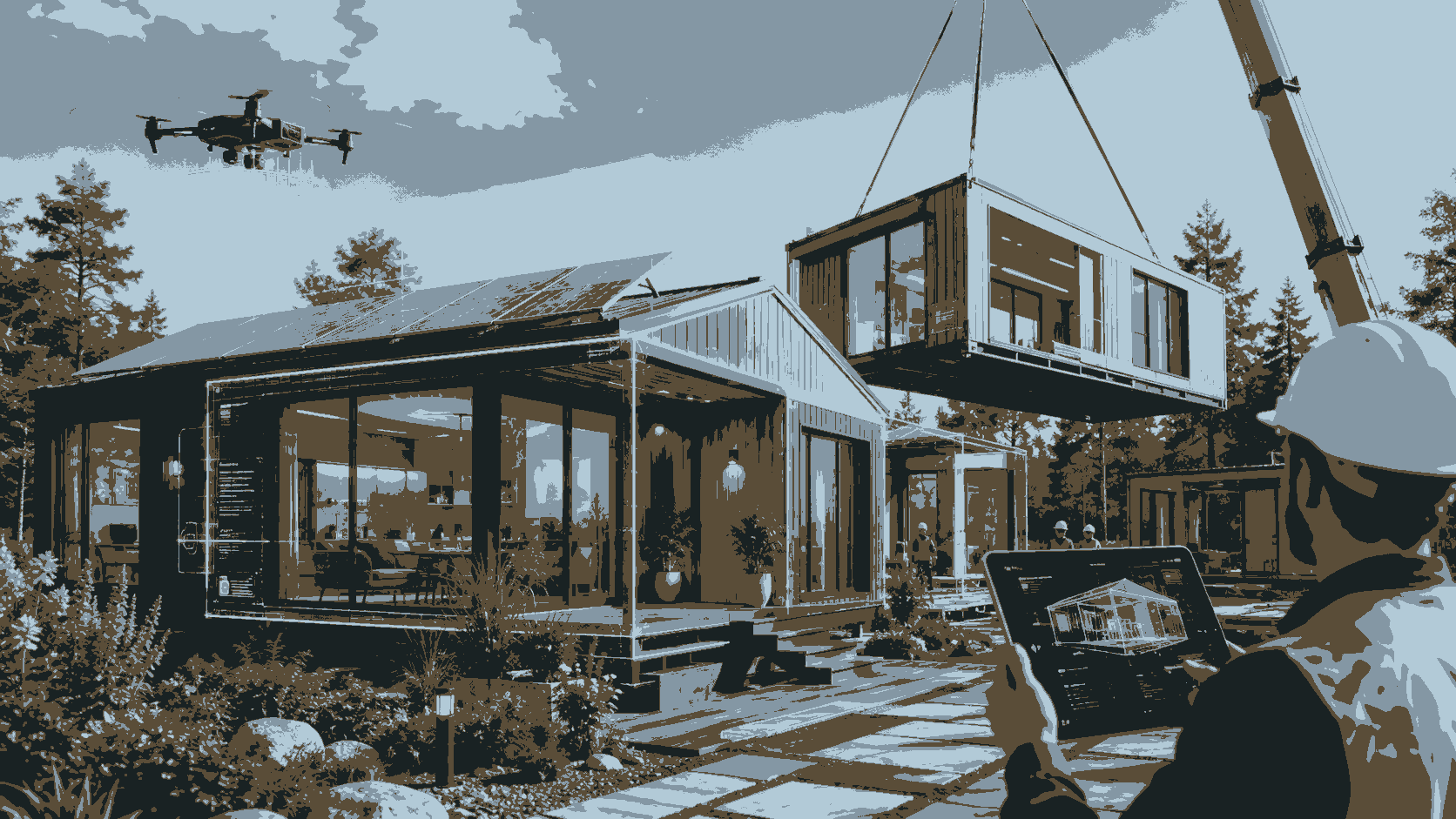
A: Smart construction technology is upgrading mobile homes by improving how they are designed, manufactured, customized, transported, installed, and operated. Instead of relying only on traditional floor plans and manual production methods, manufacturers can now use BIM, AI-assisted design, digital twins, energy modeling, and factory automation to make mobile homes more efficient and adaptable.
BIM helps designers coordinate structure, plumbing, electrical systems, insulation, HVAC, and interior layouts before production begins. AI tools can support layout optimization, material selection, cost estimation, energy performance analysis, and customer customization. These tools help reduce design errors, improve production planning, and shorten the time between order and delivery.
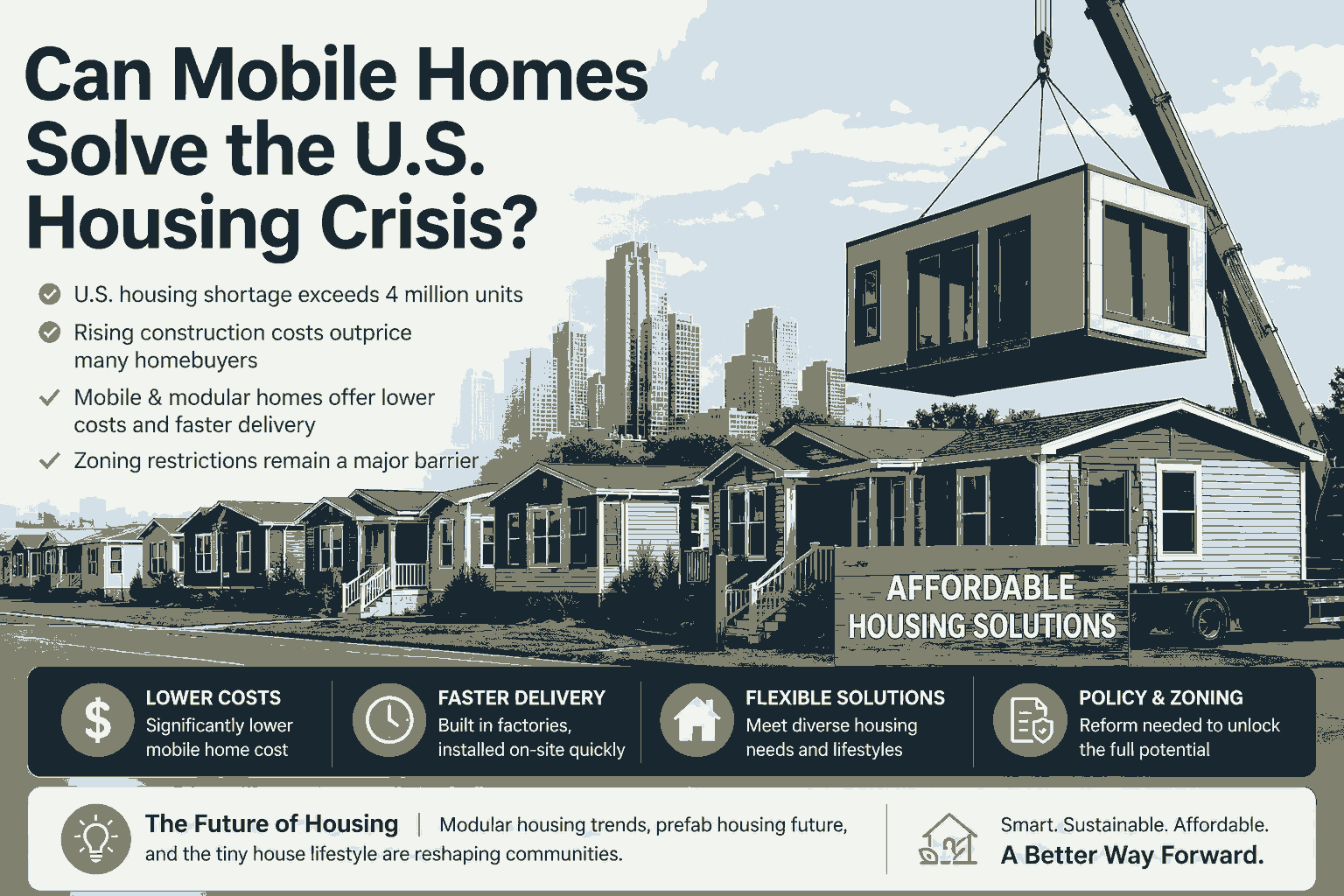
Smart construction systems can also help lower mobile home cost by reducing waste, improving labor efficiency, and standardizing repeatable modules. At the same time, they support broader modular housing trends by making factory-built homes more precise, scalable, and energy efficient.
In the long term, smart construction will be an important part of the prefab housing future. Mobile homes, modular homes, and compact homes inspired by the tiny house lifestyle can all benefit from better digital design, smarter materials, and energy-saving systems.
Additional Related Q&A
Q: What role does BIM play in mobile home design?
A: BIM allows designers and manufacturers to create a detailed digital model of the home before production. This model can include structure, mechanical systems, plumbing, electrical layouts, energy performance, and material quantities. For mobile homes, BIM can reduce design conflicts and make customization easier.
Q: How can AI improve mobile home customization?
A: AI can help generate layout options, compare material choices, estimate costs, analyze energy use, and recommend space-saving designs. This is especially useful for buyers who want compact homes, flexible floor plans, or lifestyle-driven features.
Q: Can smart construction lower mobile home cost?
A: Yes, smart construction can help control mobile home cost by reducing rework, improving material planning, shortening production cycles, and optimizing labor. However, advanced smart-home systems, premium materials, and energy upgrades may increase the upfront price.
Q: Why is smart construction important for the prefab housing future?
A: Smart construction is important because prefab housing depends on precision, repeatability, and efficient production. BIM, AI, robotics, and digital manufacturing can make prefab homes faster to build and easier to scale.
FAQ
1. Is smart construction only for luxury mobile homes?
No. Smart construction can benefit both affordable and premium mobile homes. Even basic models can use digital design, better material planning, and energy-efficient systems.
2. How do modular housing trends affect mobile homes?
Modular housing trends encourage more factory-built production, standardized components, and faster delivery. These trends help mobile homes become more modern, efficient, and accepted by mainstream buyers.
3. Does the tiny house lifestyle influence smart mobile home design?
Yes. The tiny house lifestyle encourages compact layouts, multifunctional furniture, energy efficiency, and simplified living. These ideas are increasingly used in modern mobile home design.