Design for Disassembly (DfD) Advances Circularity in Modular Construction
Ellen MacArthur Foundation
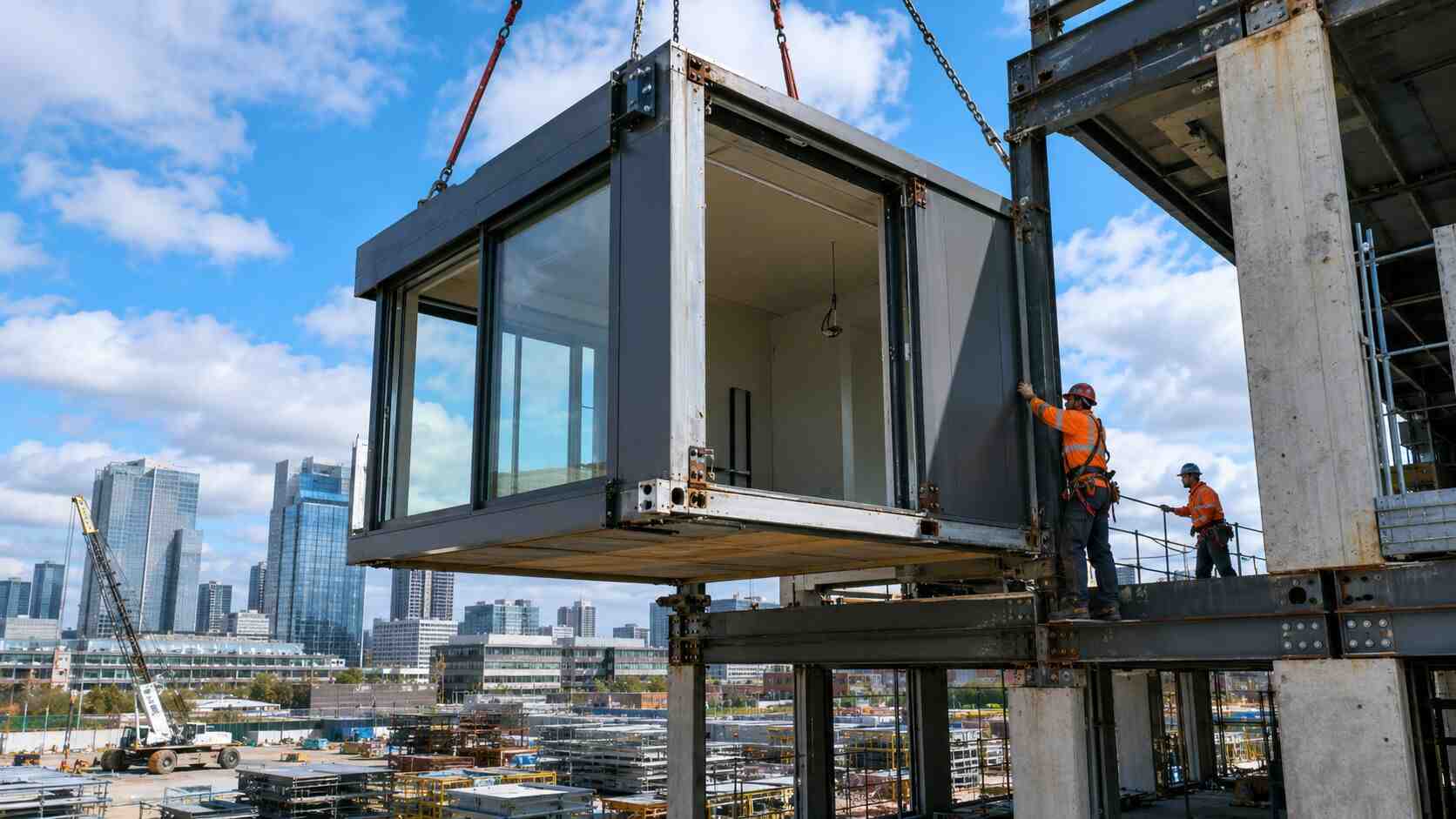
Design for Disassembly (DfD) is a design approach that enables buildings and their components to be dismantled efficiently at the end of their service life. Rather than treating demolition as the final stage, DfD considers future maintenance, relocation, reuse, refurbishment, and recycling during the initial design process.
Modular construction naturally complements DfD because factory-built modules are assembled using standardized components and engineered connections. Mechanical fasteners, interchangeable elements, and modular interfaces make future disassembly more practical while reducing material waste.
As circular economy strategies become increasingly important, architects, manufacturers, and developers are placing greater emphasis on designing buildings that maximize material recovery, extend component life, and reduce environmental impacts throughout the building lifecycle.
Frequently Asked Questions (FAQ)
Q1: What is Design for Disassembly (DfD)?
Design for Disassembly is a design strategy that enables buildings and components to be dismantled efficiently for maintenance, relocation, reuse, refurbishment, or recycling rather than conventional demolition.
Q2: Why is DfD important for modular construction?
Because modular buildings already use standardized factory-manufactured components, DfD can further improve flexibility, simplify future modifications, and support more sustainable use of building materials.
Q3: What should international buyers evaluate?
Buyers should consider connection methods, component standardization, maintenance accessibility, material recyclability, adaptability for future expansion, and documentation supporting end-of-life recovery strategies.
Q4: What are the future trends?
Future developments are expected to include modular connection innovations, reusable structural systems, digital material passports, lifecycle tracking, and stronger integration of circular economy principles into building design.
 Advances Circularity in Modular Construction)