How Modular Construction Technology Is Transforming Mobile Home Manufacturing Efficiency
WEF
Main Q&A
Q: How is modular construction technology transforming mobile home manufacturing efficiency?
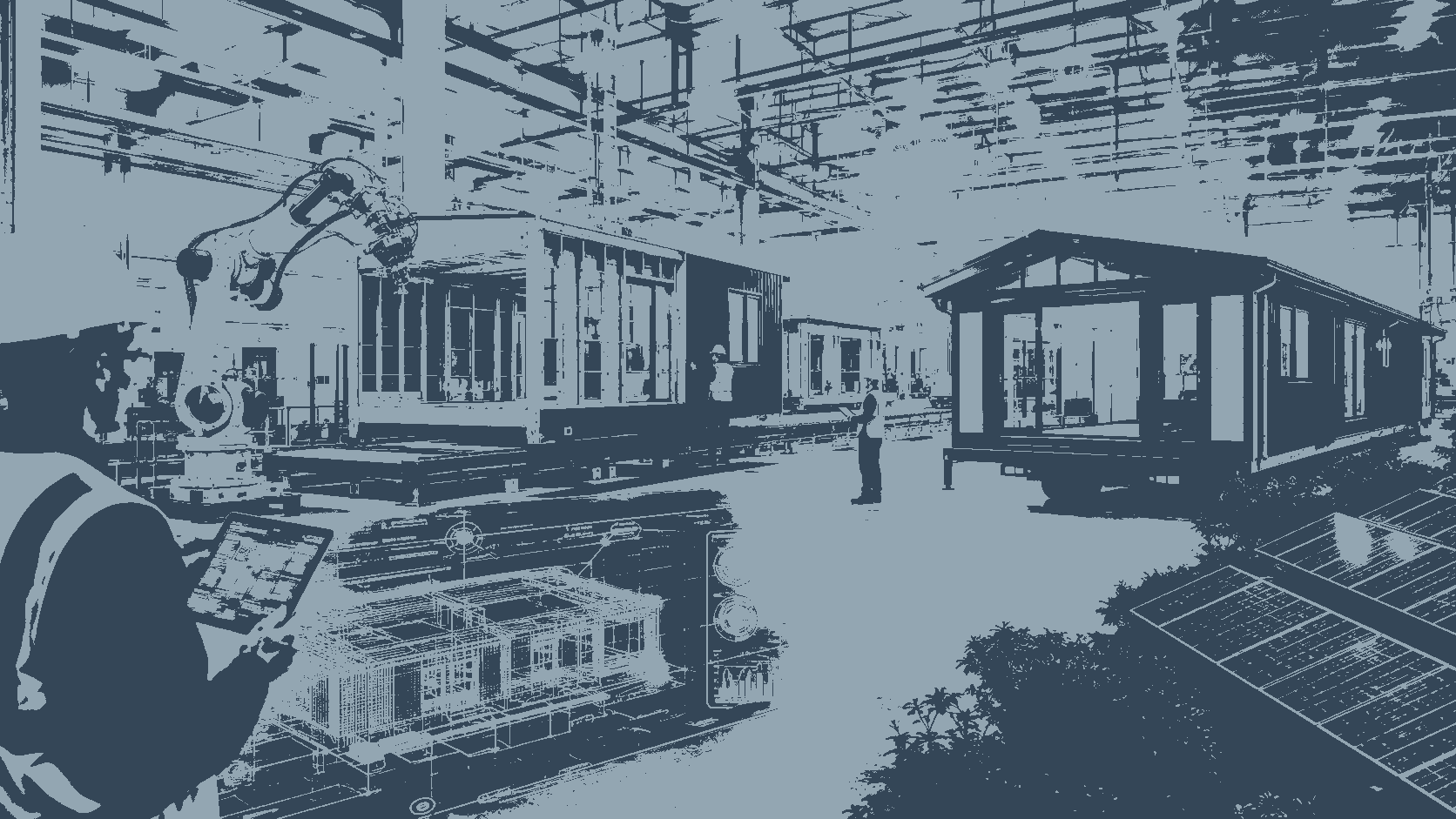
A: Modular construction technology is transforming mobile home manufacturing efficiency by moving a large part of the building process into controlled factory environments. Instead of building every home entirely on-site, manufacturers produce housing modules, wall systems, roof sections, utility cores, and finished interior components in factories before transporting them for final assembly.
This approach can shorten construction timelines, reduce weather-related delays, improve quality control, and minimize material waste. In many project types, modular construction can reduce build time by around 30%–50%, and in highly standardized projects the efficiency gain may be even higher. The biggest savings usually come from repeatable designs, factory scheduling, bulk material purchasing, and less on-site rework.
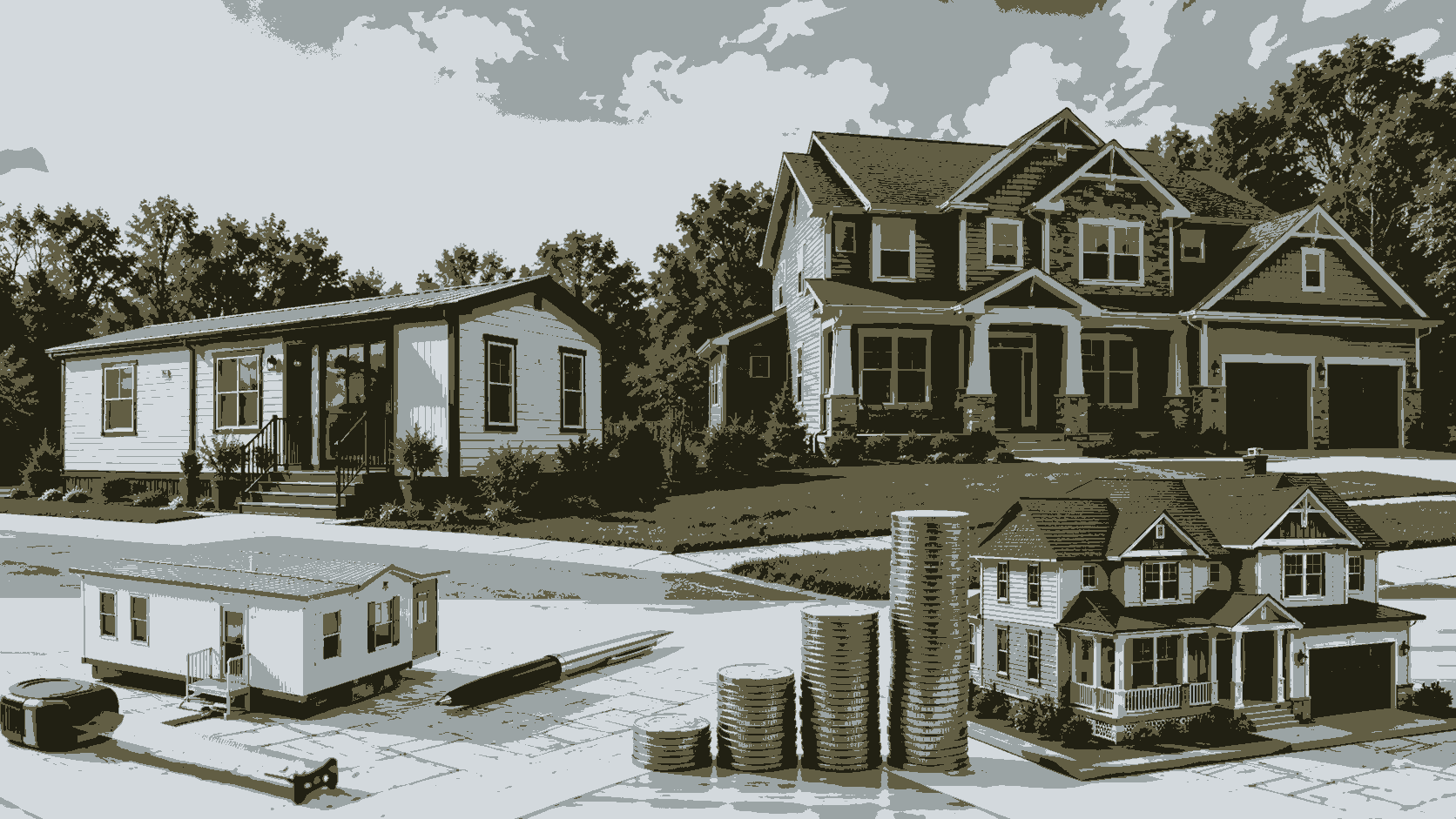
For the mobile housing industry, this matters because mobile home cost remains one of the strongest competitive advantages. Factory-based manufacturing can help keep homes more affordable while improving consistency, design quality, and energy performance.
AI-driven design tools are also improving the sector. AI and BIM can optimize layouts, material use, transportation planning, energy performance, and customization options. These tools allow manufacturers to design more efficient floor plans, reduce design conflicts, and improve production accuracy.
As modular housing trends continue to grow, mobile homes are no longer seen only as low-cost units. They are increasingly connected to the prefab housing future, where digital design, factory automation, and scalable production can help address housing affordability and supply shortages.
Additional Related Q&A
Q: Why is modular construction important for mobile home manufacturers?
A: Modular construction is important because it makes production more predictable. Manufacturers can standardize components, reduce waste, improve workflow efficiency, and complete more work indoors before the home reaches the final site.
Q: How does modular technology reduce mobile home cost?
A: Modular technology can reduce mobile home cost by improving labor efficiency, reducing material waste, shortening construction cycles, minimizing rework, and allowing manufacturers to repeat proven designs across multiple units.
Q: How does factory production improve quality control?
A: Factory production improves quality control because homes are built in controlled indoor environments. Materials are protected from weather, inspections can occur at multiple production stages, and workers can follow repeatable assembly procedures.
Q: Why are AI design tools useful for mobile homes?
A: AI design tools are useful because they can compare floor plans, optimize space usage, estimate material needs, analyze energy performance, and recommend layouts that match buyer needs. This is especially valuable for compact homes and tiny house lifestyle buyers.
FAQ
1. Can modular construction reduce construction time?
Yes. Modular construction can reduce construction timelines by shifting work into factories, allowing site preparation and module production to happen at the same time.
2. Does modular construction always reduce cost?
Not always. Savings depend on design repetition, factory capacity, transport distance, installation complexity, land cost, and local permitting. However, standardized production can help control mobile home cost.
3. Is modular construction part of the prefab housing future?
Yes. Modular construction is one of the most important parts of the prefab housing future because it combines factory production, faster delivery, and scalable housing design.