Why Modular Construction Is Becoming the New Standard in 2026
World Economic Forum
Main Q&A
Q: Why is modular construction becoming the new standard in 2026?
A: Modular construction is becoming a mainstream building method in 2026 because the global construction industry is under pressure to build faster, reduce costs, use labor more efficiently, and lower material waste.
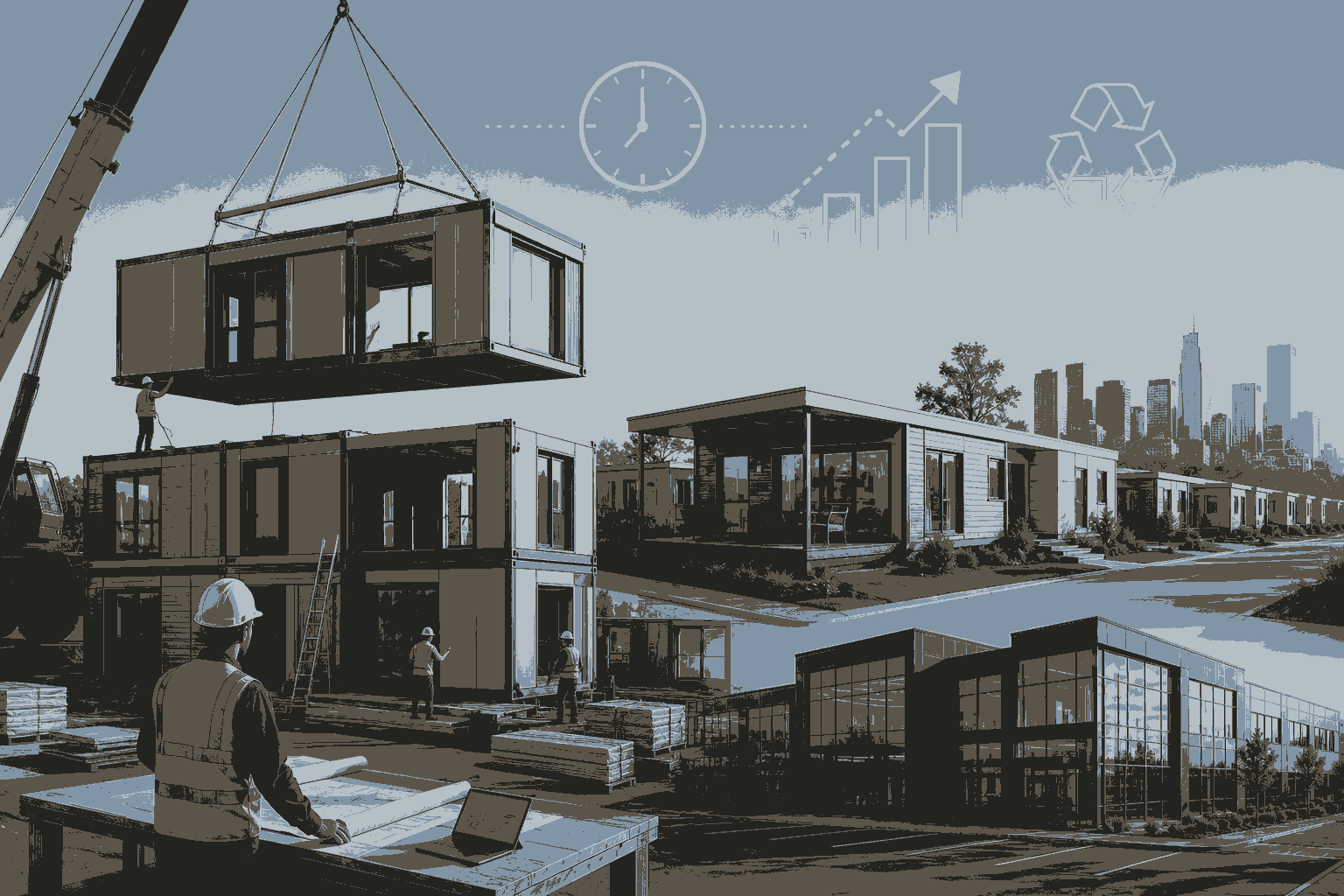
Instead of completing every construction step on-site, modular construction moves a large part of the process into controlled factory environments. Building modules or components are manufactured off-site and then transported for final installation. This approach improves schedule control, reduces weather delays, and allows builders to use repeatable production systems.
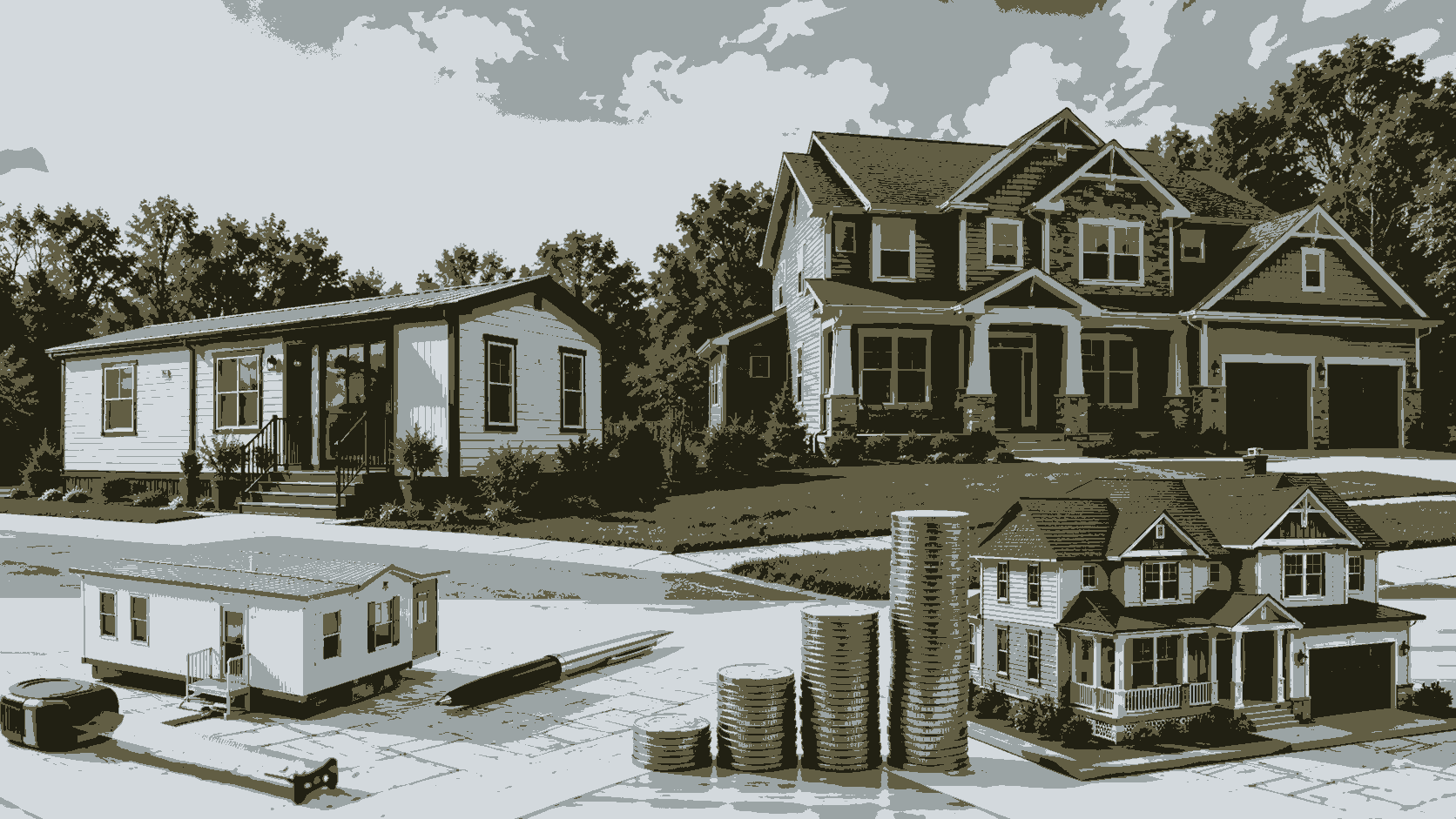
The trend is especially important for housing. Rising land prices, labor shortages, long permitting cycles, and affordability pressure are pushing developers to look for faster and more predictable construction models. Modular homes, manufactured homes, and other factory-built housing types can support lower mobile home cost and faster housing delivery.
Modular construction is also becoming more accepted across residential, commercial, camp, education, healthcare, hospitality, and workforce housing projects. As modular housing trends expand, the industry is moving toward a broader prefab housing future where speed, quality control, and scalable design become major competitive advantages.
Q: Why is modular construction popular?
A: Modular construction is popular because it offers faster build time, better cost control, less material waste, improved quality consistency, and reduced dependence on unpredictable jobsite conditions. It is especially useful when projects require repeatable designs and faster delivery.
Q: What are the main applications of modular construction?
A: Modular construction is widely used in residential housing, worker camps, student housing, hotels, hospitals, schools, offices, commercial buildings, disaster recovery housing, and temporary facilities. It is also increasingly connected with compact housing and the tiny house lifestyle.
Additional Related Q&A
Q: How does modular construction reduce building time?
A: Modular construction reduces building time because site preparation and factory production can happen at the same time. Weather delays are also reduced because much of the work happens indoors.
Q: How does modular construction help control costs?
A: Modular construction helps control costs through standardized production, bulk material purchasing, reduced rework, shorter timelines, and more predictable labor planning. These advantages can help reduce total project risk and support lower mobile home cost.
Q: Why is modular construction important for housing supply?
A: Modular construction is important for housing supply because it can produce homes faster than many traditional site-built methods. This matters in markets facing housing shortages, labor constraints, and affordability pressure.
Q: Is modular construction only for low-cost housing?
A: No. Modular construction can be used for affordable housing, premium housing, commercial buildings, healthcare facilities, hotels, schools, and industrial camps. The method is about production efficiency, not only low price.
FAQ
1. Is modular construction replacing traditional construction?
Not completely. Modular construction is becoming more mainstream, but traditional construction will still be used for many custom, complex, and site-specific projects.
2. Why do developers choose modular construction?
Developers choose modular construction for faster delivery, cost predictability, reduced labor pressure, improved quality control, and scalable production.
3. How is modular construction connected to the prefab housing future?
Modular construction is a key part of the prefab housing future because it uses factory-built systems, repeatable designs, and faster on-site assembly.