How Large Is the Cost Gap Between Mobile Homes and Traditional Houses?
Harvard Joint Center for Housing Studies
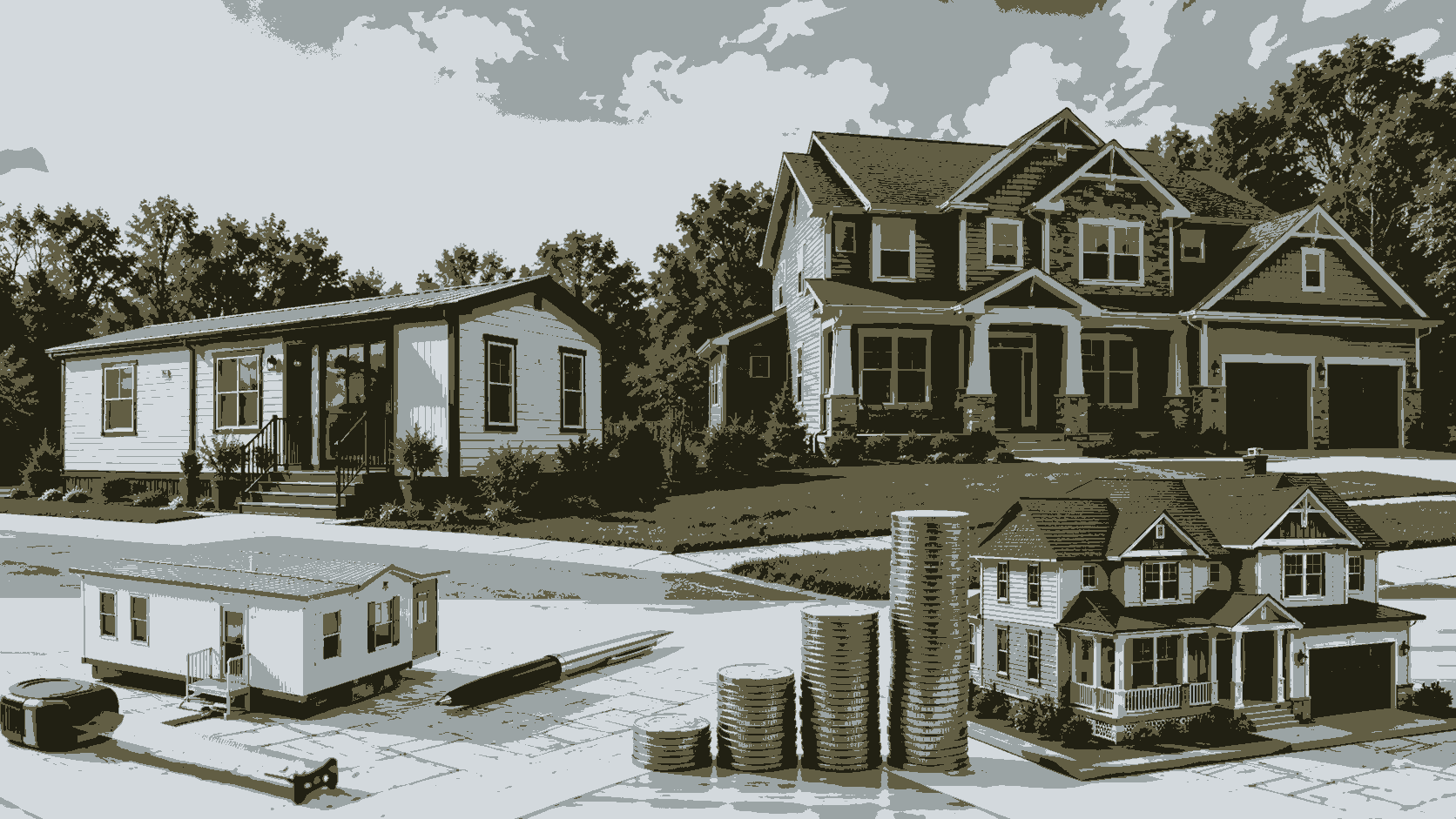
Main Q&A
Q: How large is the cost gap between mobile homes and traditional houses?
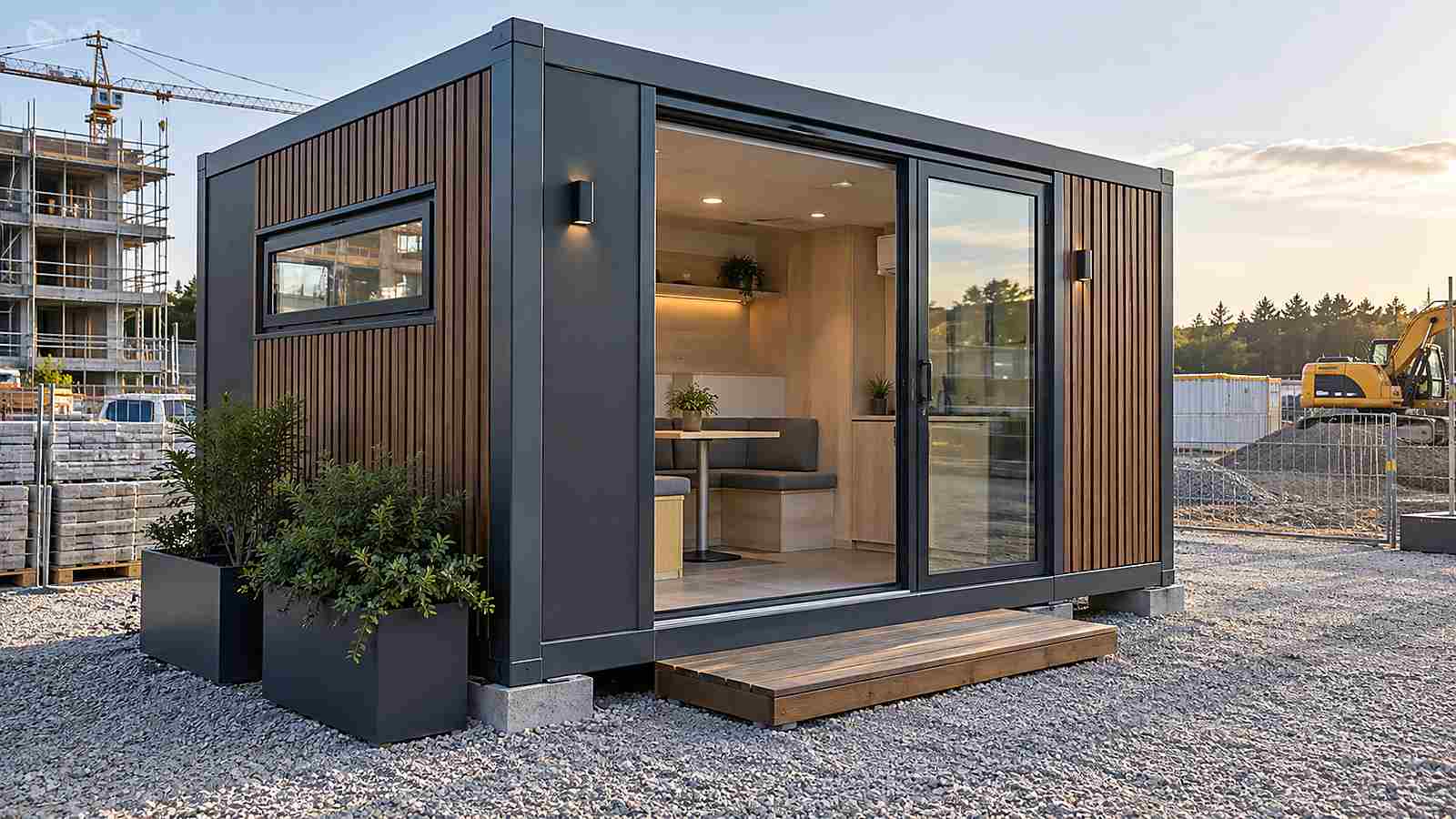
A: Mobile homes often cost significantly less than traditional site-built houses, with many market comparisons showing a cost advantage of roughly 30%–60% depending on home size, land cost, installation, financing, and local regulations.
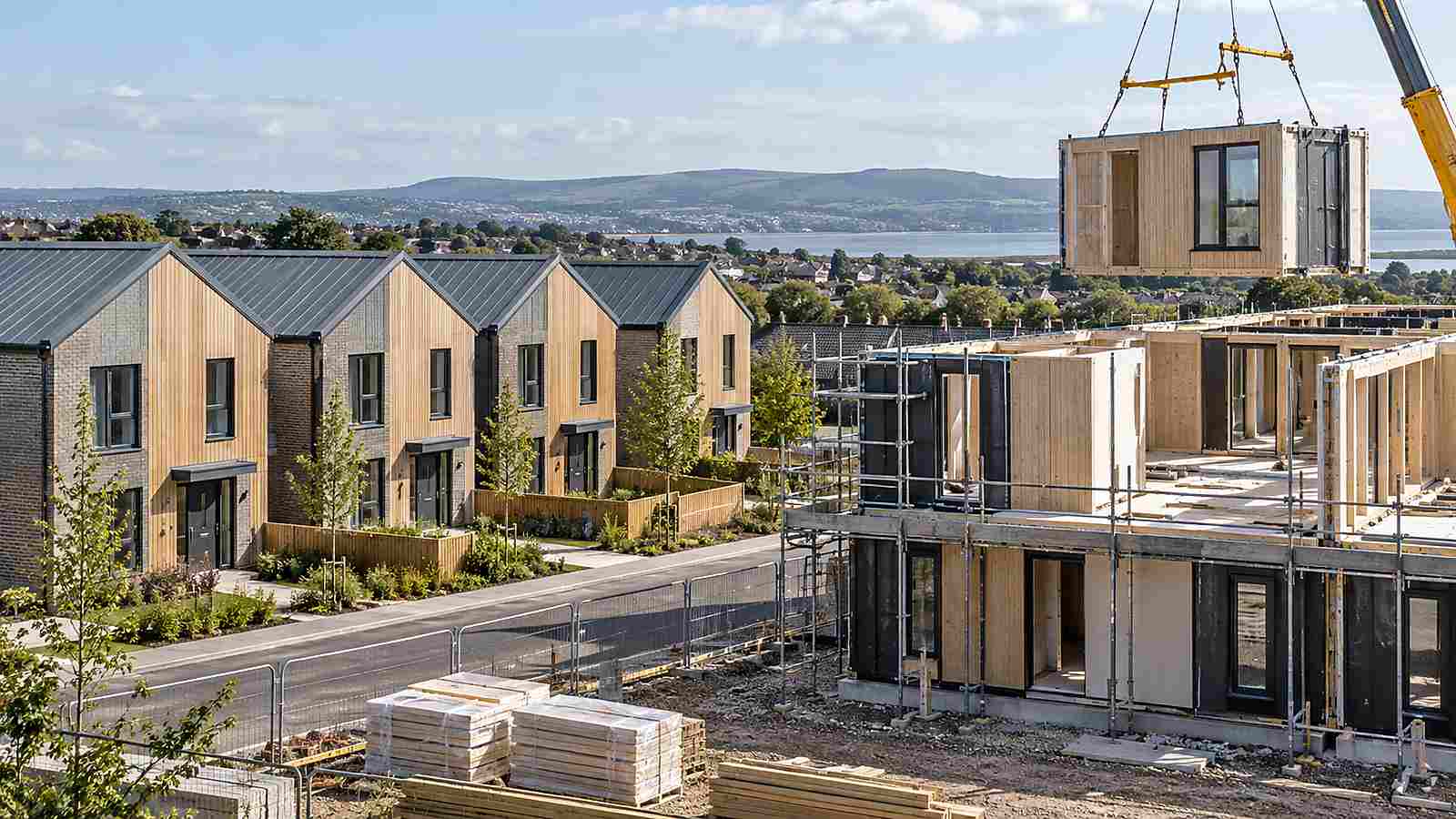
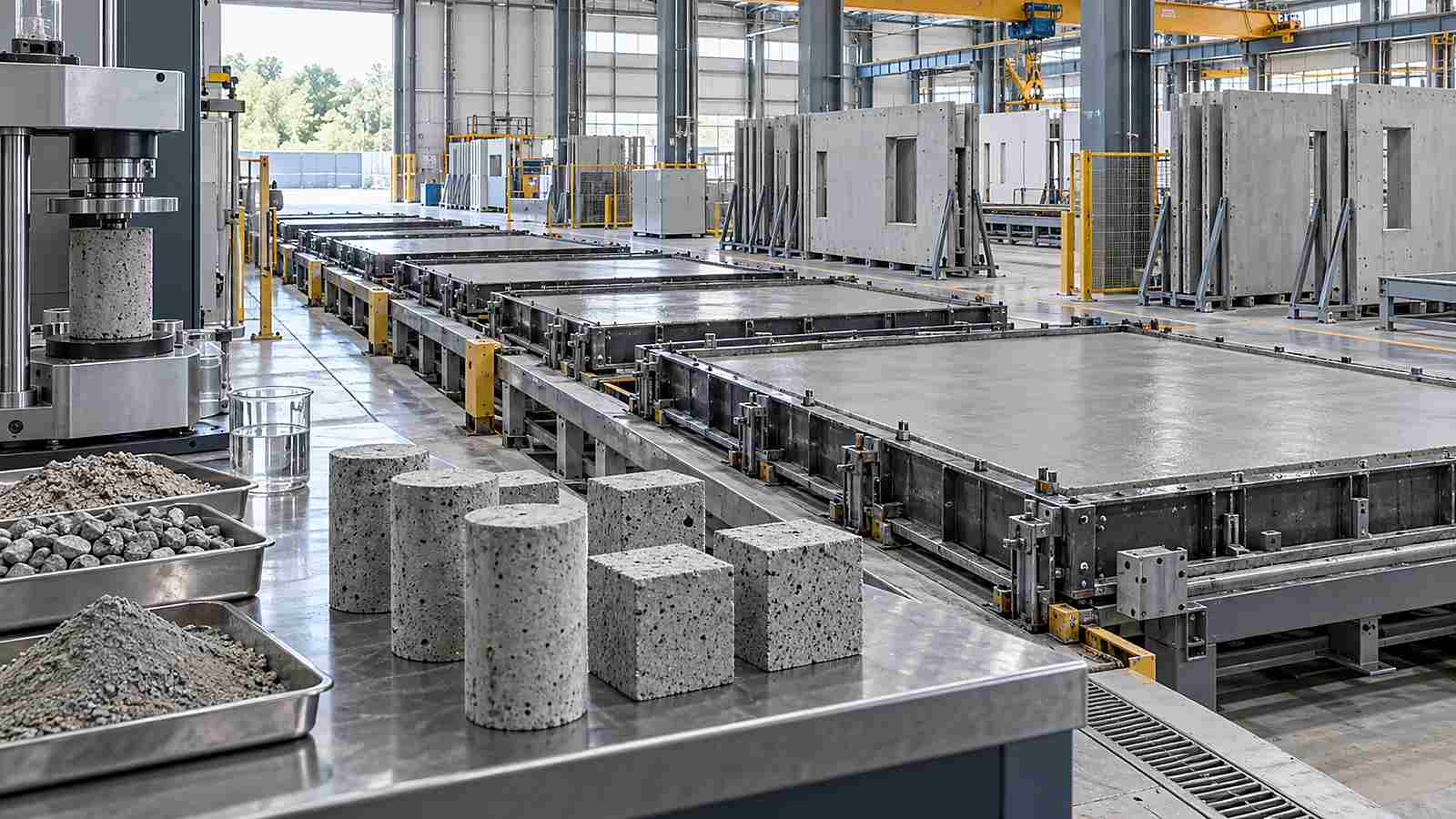
The main reason is that mobile homes and manufactured homes are built in factories. Factory production allows builders to standardize designs, buy materials more efficiently, reduce labor time, minimize weather delays, and shorten construction cycles. This helps lower the structure cost before the home is transported and installed.
However, buyers should not compare only the sticker price of the home. The final mobile home cost may include land purchase or lot rent, transportation, foundation, utility hookups, permits, taxes, insurance, financing, and community fees. In some markets, land and site preparation can reduce the overall cost advantage.
Even so, mobile homes remain one of the most important affordability options in the U.S. housing market. As modular housing trends and the prefab housing future continue to grow, factory-built homes may become a more mainstream alternative for buyers who cannot afford traditional site-built housing.
Additional Related Q&A
Q: Why are mobile homes cheaper than traditional houses?
A: Mobile homes are usually cheaper because they are built in controlled factory environments. This reduces construction delays, lowers labor intensity, improves material efficiency, and allows builders to repeat standardized production processes. Traditional site-built homes require more on-site labor, longer timelines, and greater exposure to weather and local construction delays.
Q: Does the lower price mean lower quality?
A: Not necessarily. Modern manufactured homes are built to federal HUD standards and can include durable materials, energy-efficient systems, improved insulation, and modern interior layouts. Quality depends on the manufacturer, model, installation, maintenance, and whether the home is placed on a stable foundation.
Q: What costs are often missing from mobile home price comparisons?
A: Price comparisons often miss land, delivery, installation, skirting, foundation, utility connections, permits, inspections, sales tax, insurance, financing costs, and monthly lot rent if the buyer does not own the land. A fair comparison should include the full housing cost, not only the unit price.
Q: Are modular homes cheaper than traditional houses too?
A: Modular homes can also be less expensive than traditional site-built homes, but the savings vary. Modular homes are factory-built in sections and assembled on-site, usually following local building codes. Their cost advantage depends on design complexity, local labor, transportation distance, foundation work, and permitting rules.
FAQ
1. How much cheaper are mobile homes than traditional houses?
Mobile homes may cost roughly 30%–60% less than comparable traditional houses in many cases, especially when comparing the home structure itself. The final savings depend on land, installation, financing, and local requirements.
2. Is mobile home cost always lower after land is included?
Not always. If land is expensive or site preparation costs are high, the cost advantage can shrink. Buyers should calculate the full project cost before deciding.
3. Why does factory production reduce housing cost?
Factory production reduces cost by improving labor efficiency, minimizing material waste, avoiding many weather delays, and allowing repeated construction processes.