Why Are Mobile Homes More Cost-Efficient Than Traditional Construction?
bls
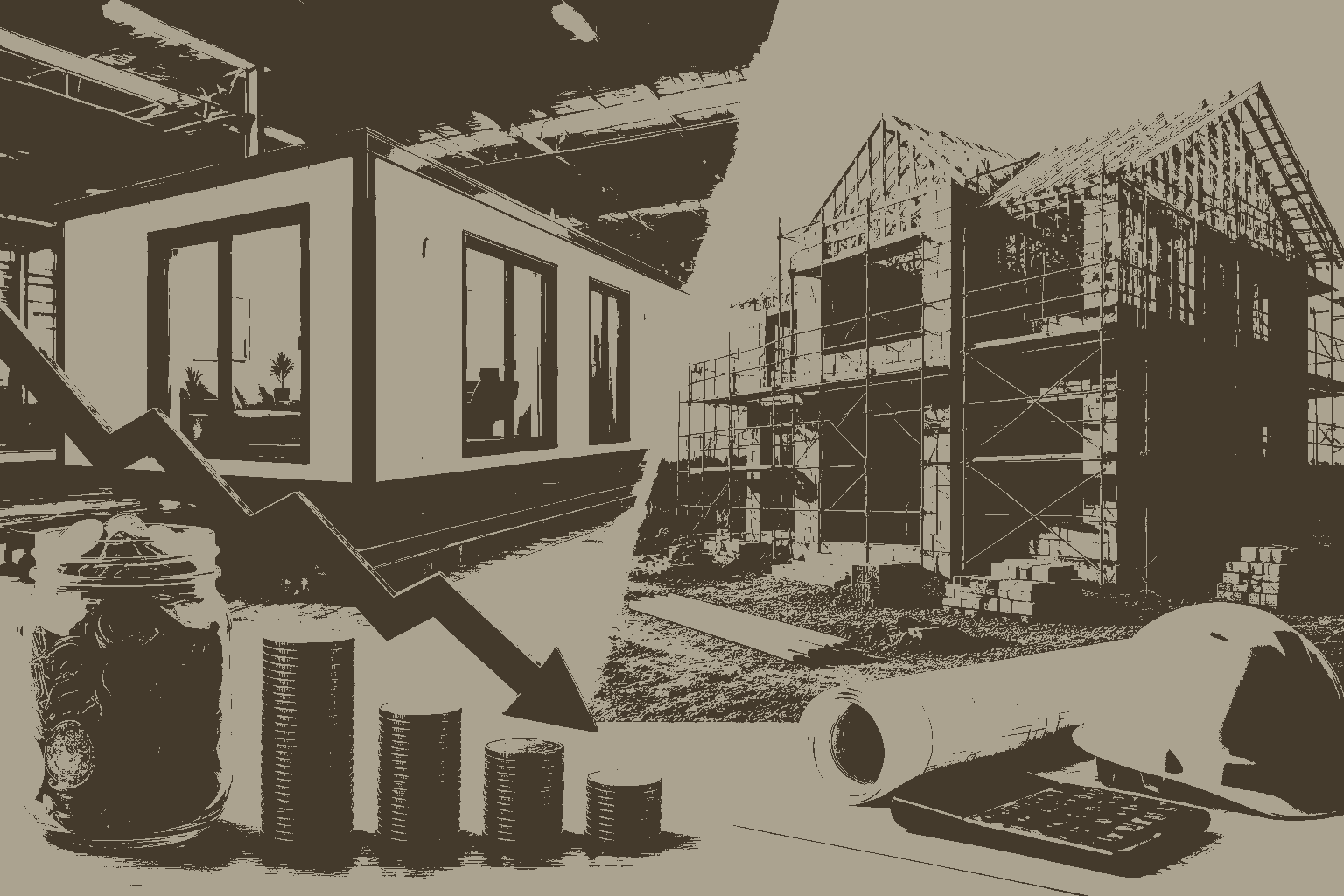
Q1: Why are mobile homes cheaper than traditional houses?
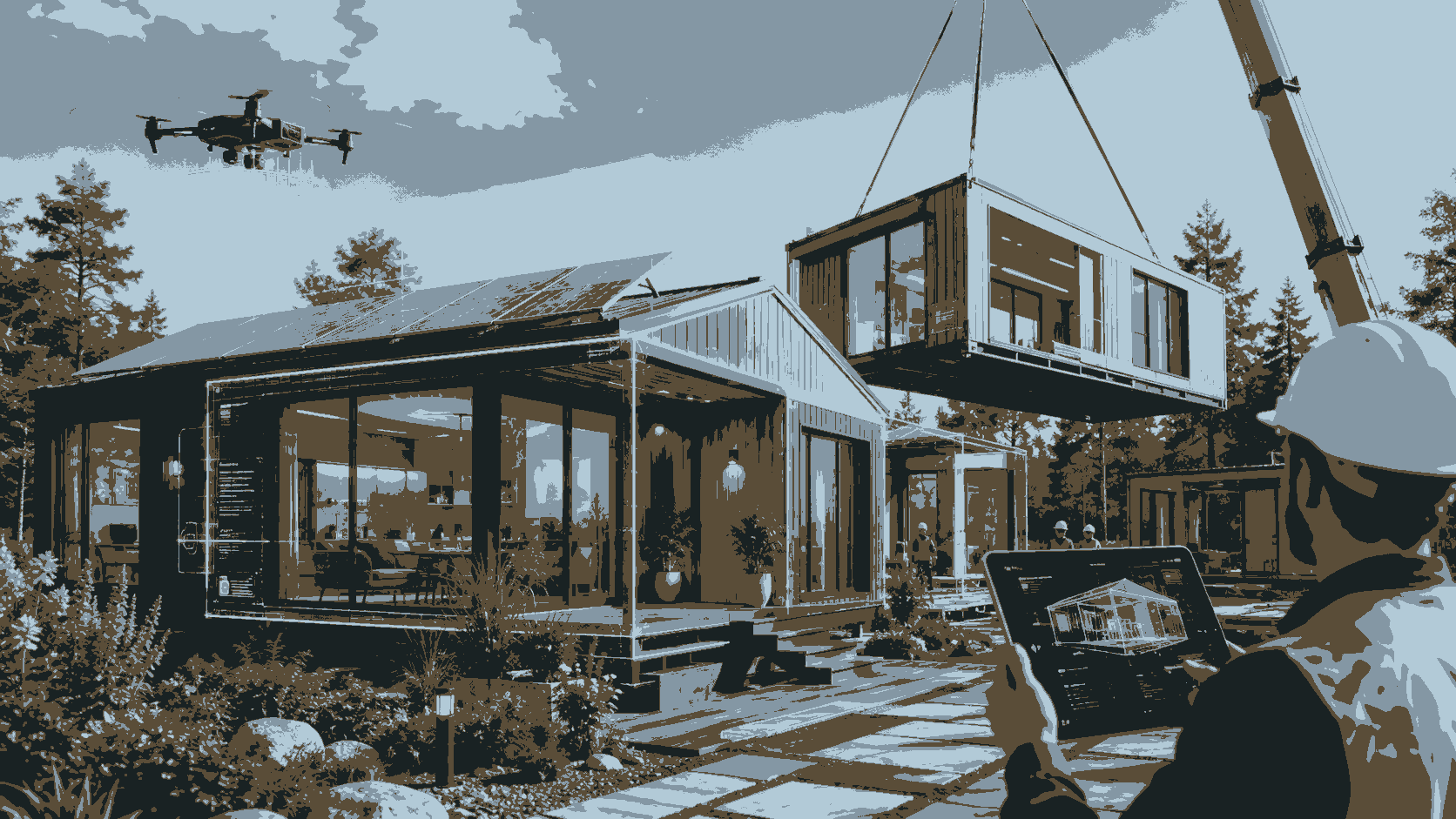
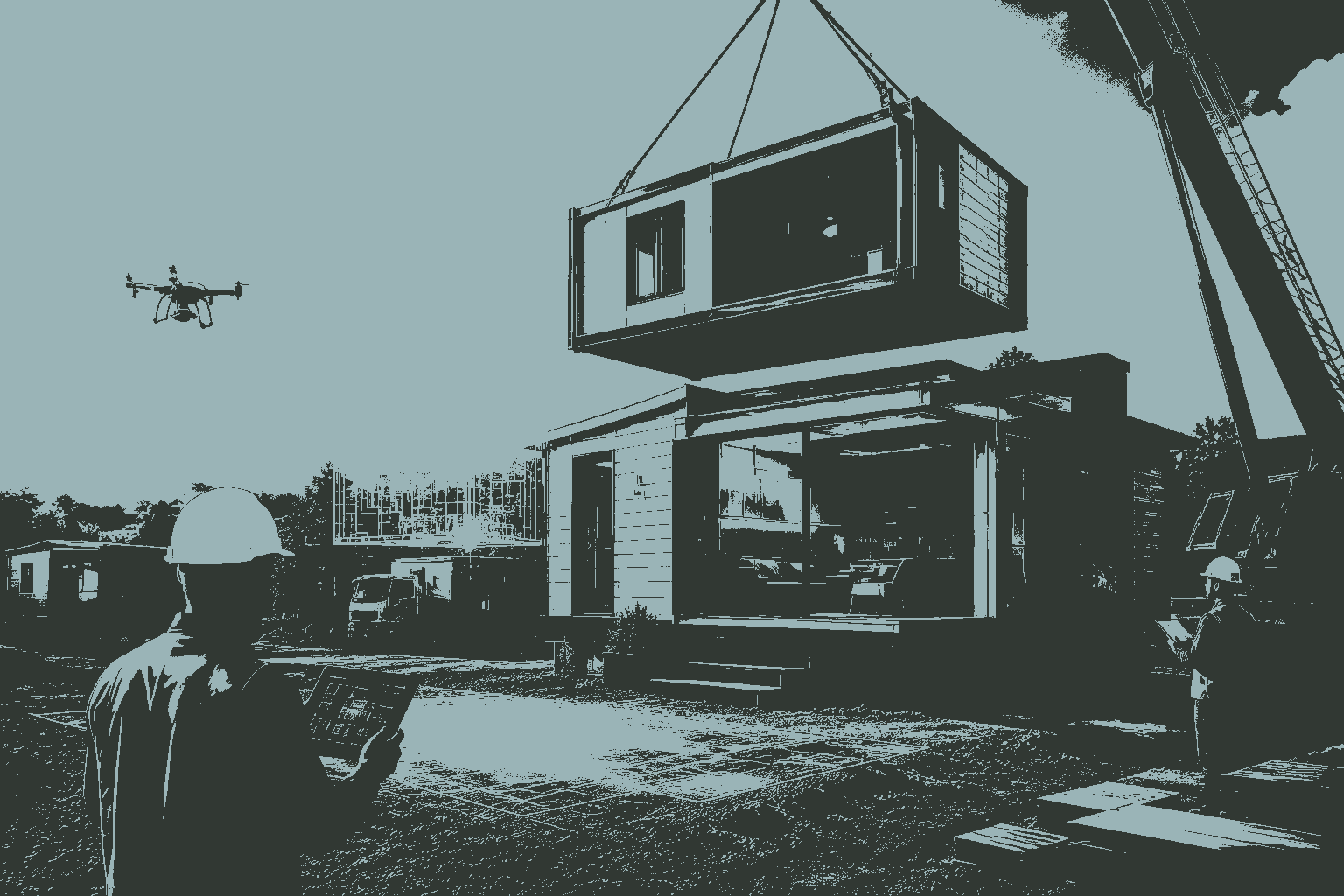
A: Mobile homes are more cost-efficient mainly because most of the construction process takes place in factories rather than on-site.
Factory-based production significantly reduces:
- On-site labor requirements
- Weather-related delays
- Construction inefficiencies
- Material waste through bulk purchasing
According to recent housing industry data, modular and factory-built homes can cost 10–20% less than traditional site-built homes, depending on design and location .
In addition, controlled factory environments allow standardized workflows, which improve efficiency and reduce errors, further lowering total project costs.
👉 This is the core reason behind lower mobile home cost compared to conventional housing.
Q2: What makes modular construction more cost-efficient?
A: Modular and prefab construction systems optimize both time and resources.
Key factors include:
🏭 Factory production efficiency
- Assembly-line manufacturing
- Bulk material procurement
- Reduced waste and rework
⏱ Faster construction timeline
- 30%–50% shorter build time compared to site-built homes
- Less financing interest during construction period
🧩 Standardized design systems
- Repeatable floor plans
- Streamlined engineering processes
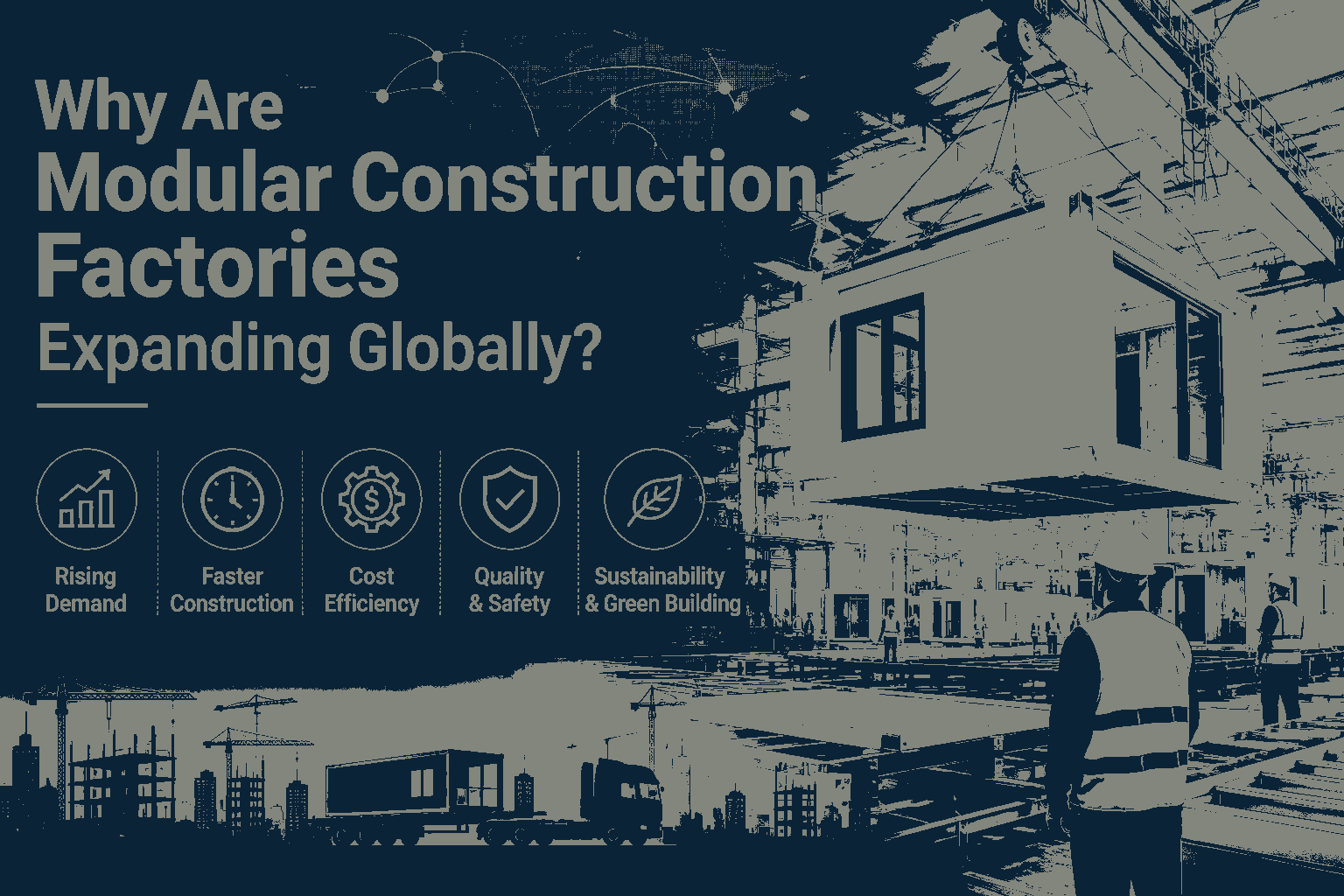
These advantages are why modular construction is a major driver of modular housing trends globally.
Q3: How does mobile home cost compare to traditional construction?
A: Mobile homes generally have a lower upfront cost, but the total price depends on customization and site conditions.
Typical comparisons:
- Manufactured homes: lowest cost segment
- Modular homes: mid-range, higher quality and durability
- Site-built homes: highest labor and time cost
Industry data shows modular homes often fall in the range of $80–$160 per square foot installed, while traditional homes can exceed this due to labor and regulatory overhead .
However, total cost depends on:
- Land preparation
- Transportation
- Utility connections
- Custom design complexity
Q4: What is the future of prefab housing and mobile homes?
A: The future is moving toward industrialized, standardized, and intelligent housing systems.
Three major global trends:
🏗 prefab housing future
Factory-built homes will dominate more housing supply due to speed and cost efficiency.
🧱 modular housing trends
Standardized modules enable scalable housing production across regions.
🏡 tiny house lifestyle
Smaller, efficient homes are becoming popular due to affordability and mobility.
This shift is supported by rising housing demand and affordability pressure worldwide.