US Airport Opens Modular Terminal Expansion: How Six Megamodules Created Nine Gates
DFW Airport
Question 1: What does the Terminal C modular expansion include?
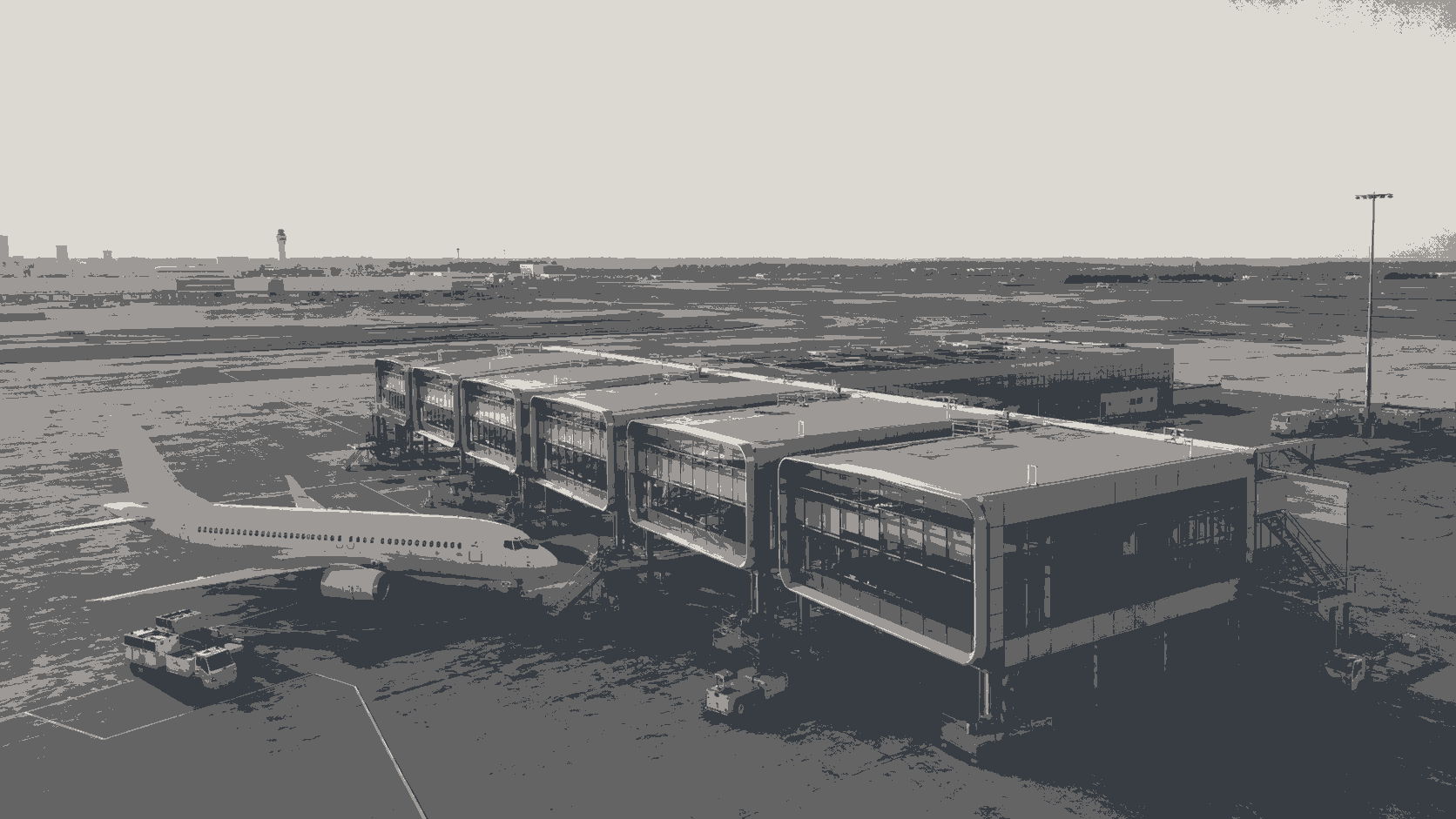
The airport’s official announcement states that the new pier opened on 8 June 2026 and provides approximately 115,000 square feet of new terminal space. It contains nine gates, including four additional gates and five gates reconstructed during the expansion. The new area also provides expanded passenger seating, concessions, restrooms and other amenities. This pier is one component of the wider reconstruction and expansion of Terminal C rather than the completion of the entire terminal program.
Question 2: How were the six megamodules constructed and transported?
The six large structural modules were assembled away from the active terminal area, allowing module construction and foundation work at the final location to proceed concurrently. In April 2025, self-propelled modular transporters moved the structures at night across two temporarily closed runways. The largest module measured approximately 204 feet long and 68 feet wide and weighed about 1,200 tons. After the modules were positioned on their foundations, crews completed structural connections, interior finishes, system commissioning and gate equipment installation.
Question 3: Which systems were installed before the modules were moved?
According to the airport, mechanical, electrical, plumbing and fire-protection systems were installed in the modules before transportation. This high level of pre-installation reduces the amount of work required at the final terminal location, but it also demands accurate coordination between factory drawings, module interfaces and site utilities. Connections extend beyond the primary steel structure to ductwork, electrical cables, water services, fire-protection pipes, control systems and the building envelope, making dimensional control and digital coordination essential.
Question 4: Why is modular expansion suitable for an operating airport?
Airport construction is constrained by aircraft movements, runway management, passenger safety and gate availability. Extended construction beside an operating terminal can increase gate closures, vehicle conflicts and security-management requirements. Building modules at a separate location reduces continuous activity in the operational core, while transportation can be scheduled during approved overnight windows. Modular construction does not eliminate risk; it transfers part of that risk to logistics planning, weight control, runway coordination and final interface management.
Question 5: What does the project mean for the international modular market?
The project demonstrates that modular construction is not limited to accommodation, housing or small public buildings. It can also support large, service-intensive infrastructure such as airport terminals. Suppliers serving this market need capabilities in heavy steel fabrication, MEP pre-installation, transport engineering, interface management and quality traceability. Potential opportunities for international modular suppliers include passenger-space modules, site offices, staff facilities, maintenance buildings and temporary passenger-service facilities, provided that aviation security and local code requirements are satisfied.
Related News
Nearly 160 Modules Installed for a 5,500-Square-Metre UK Community Diagnostic Centre
2026-07-31
Read More
Module Installation Begins on Australia’s 20-Storey Student Housing Project with 528 Units
2026-07-31
Read More