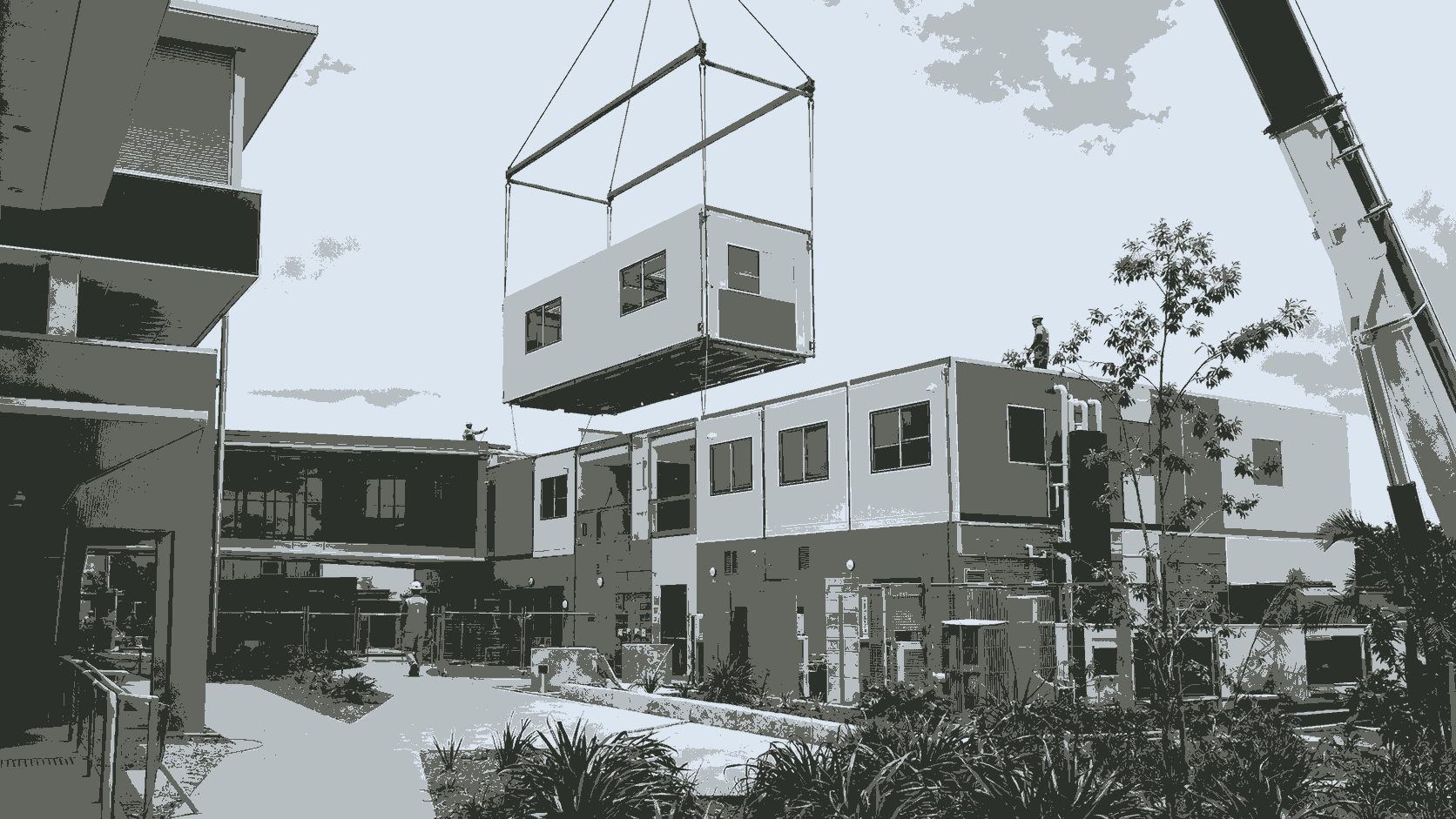
Georgia Completes Secure Modular Facility Expansion, Adding 524 Beds and a Modular Medical Infirmary
Georgia Department of Corrections
Q1: What does the modular facility programme include?
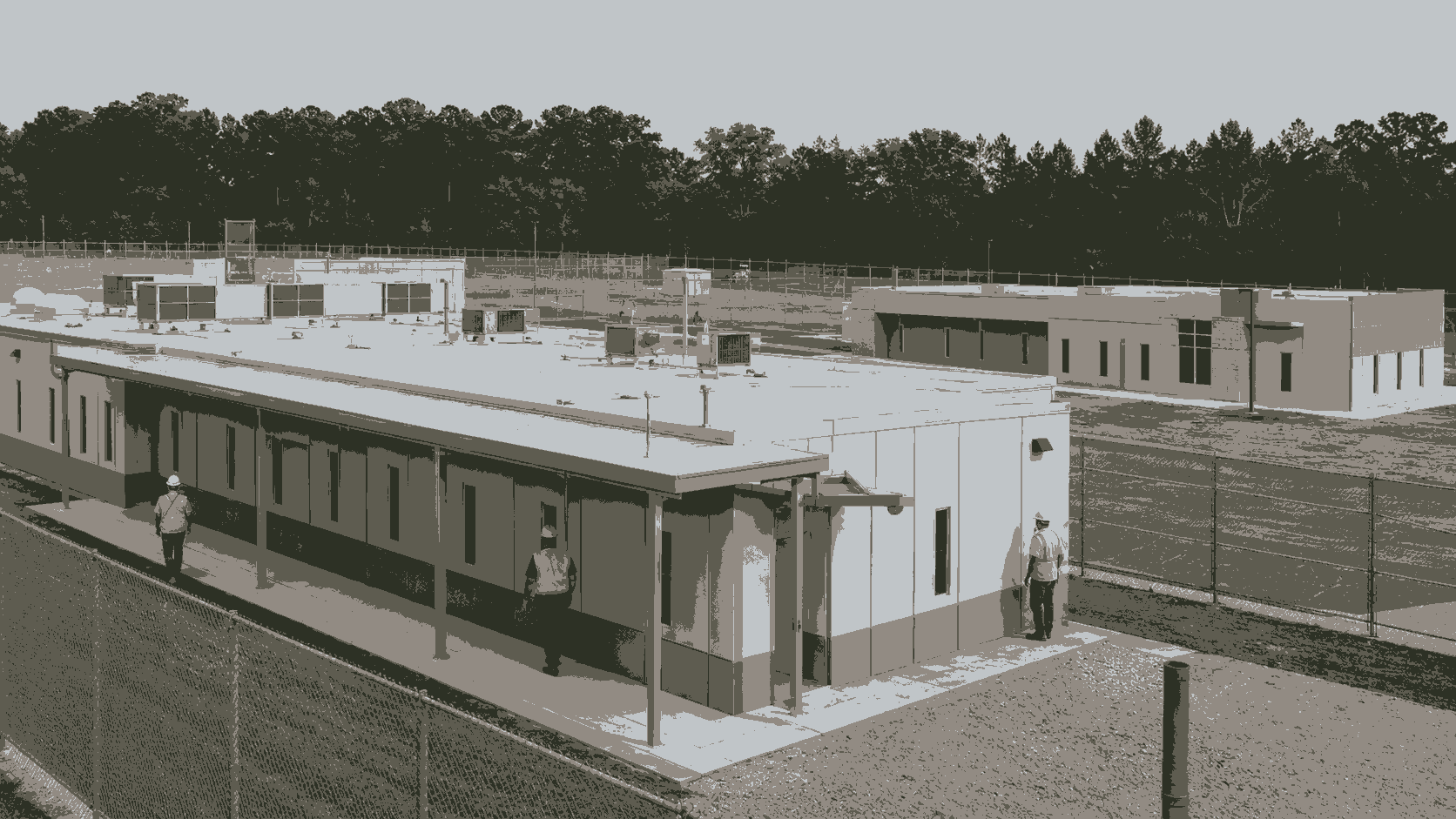
According to the Georgia Department of Corrections, secure modular accommodation units have been installed at four existing facilities. A modular Medical Intensive Infirmary has also been installed at a fifth location.
The programme includes:
- Secure modular accommodation at four facilities;
- A 20-bed intensive medical infirmary;
- 524 additional beds in total;
- Integration with existing secure operations;
- Temporary capacity supporting maintenance and infrastructure work.
The published announcement does not provide the individual bed allocation, building area or total project cost for each location.
Q2: Why was modular construction selected?
Expansion work inside an operating public facility cannot normally require the complete closure of the existing buildings. Conventional construction may introduce noise, dust, additional personnel and security-management challenges.
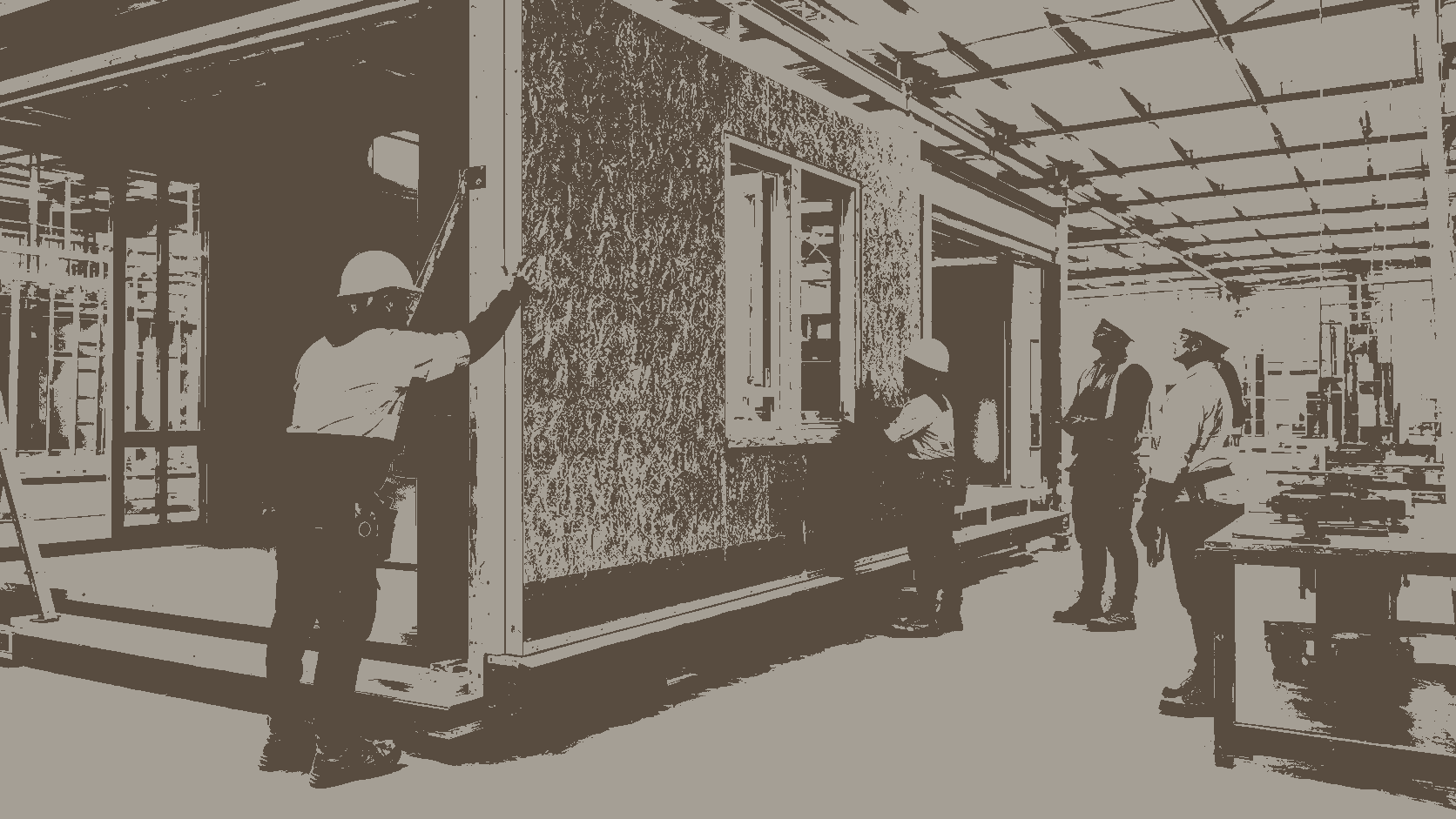
Modular construction moves part of the structural manufacturing, building-services installation and internal finishing into a controlled factory environment.
Potential benefits include:
- Less construction activity on site;
- Reduced disruption to existing operations;
- Greater design standardization across several locations;
- Temporary capacity during building maintenance;
- Phased deployment and future expansion.
Actual delivery time still depends on approvals, foundations, transportation, installation and commissioning.
Q3: How do secure modular buildings differ from ordinary mobile buildings?
Secure modular facilities require substantially higher structural and systems performance than standard offices, dormitories or workforce units.
They may incorporate:
- Reinforced walls, roofs and floors;
- Tamper-resistant doors, windows and hardware;
- Concealed or protected utility services;
- Zoned access-control and monitoring systems;
- Secure ventilation openings and equipment interfaces;
- Fire compartmentation and controlled evacuation routes;
- Durable, cleanable and damage-resistant interior materials;
- Integration with existing perimeter-security systems;
- Protected module connections and anti-removal details.
A standard container building cannot become a high-security facility simply by adding fencing or stronger locks.
Related News
Victoria to Deploy More Than 100 Temporary Modular Homes for Bushfire-Affected Households
2026-07-31
Read More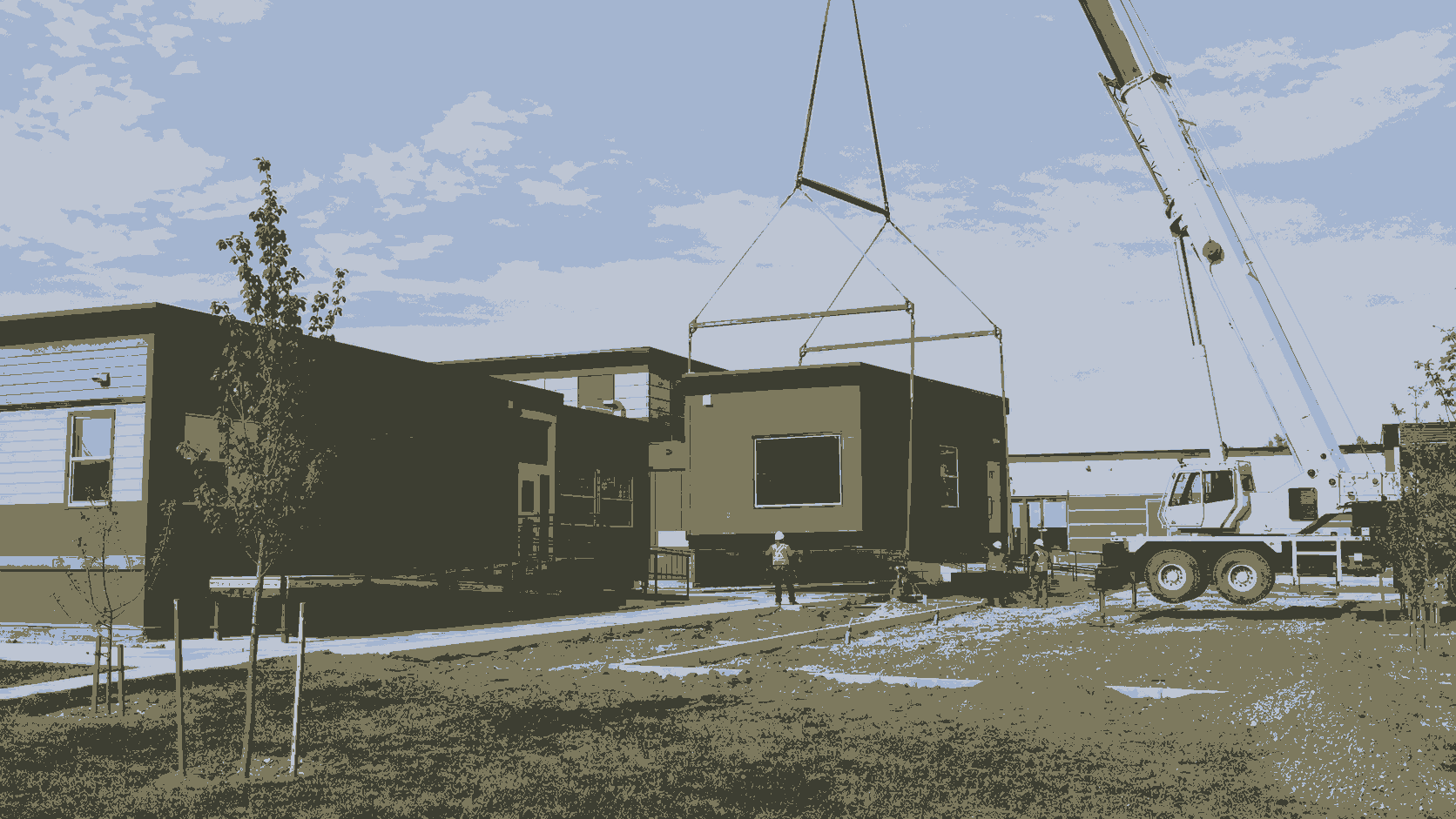
Alberta Invests CAD 200 Million in 189 Modular Classrooms to Add About 5,450 Student Spaces
2026-07-31
Read More