Prefabricated Modular AI Data Center Integrates IT, Power and Cooling Systems for Faster Deployment
PR Newswire
Q1: What is a prefabricated modular data center?
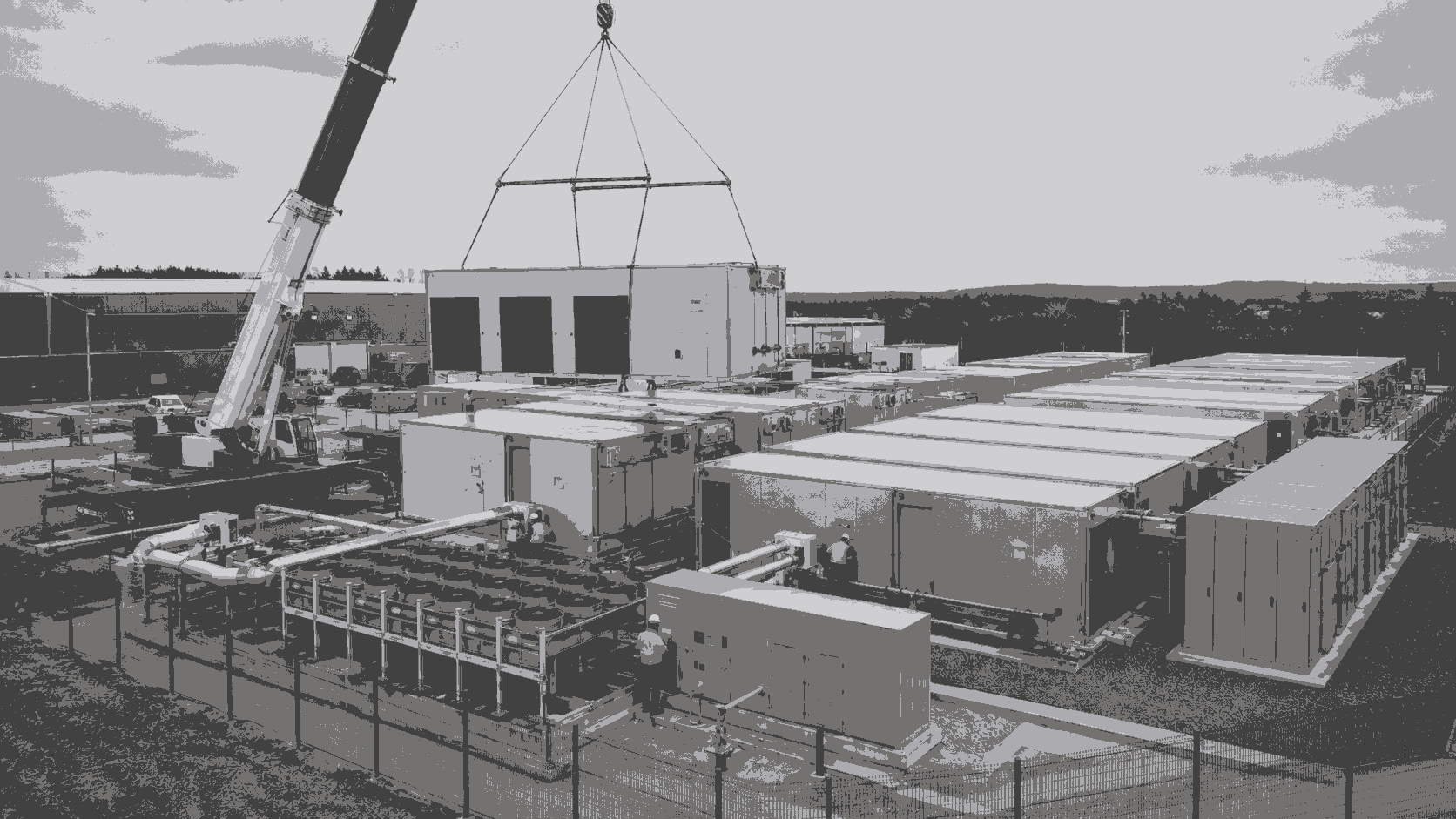
A prefabricated modular data center divides the IT room, electrical equipment, cooling equipment and controls into standardized or project-specific modules.
Most manufacturing and integration work is completed in a factory before the modules are transported and connected on site.
Typical modules may include:
- IT server modules;
- Power-distribution and UPS modules;
- Transformer and switchgear modules;
- Liquid- or air-cooling modules;
- Battery and backup-energy modules;
- Network and communications modules;
- Fire-protection and monitoring modules;
- Maintenance corridors and supporting equipment.
Unlike an ordinary mobile building, the enclosure is only one part of the product. Power, cooling, fire protection, networking and controls define the facility’s performance.
Q2: Why is AI computing increasing demand for modular data centers?
AI training and inference systems generally require higher rack power densities, creating greater demand for electricity and cooling.
A conventional data center may require sequential on-site construction, MEP installation, equipment commissioning and testing. If computing requirements change quickly, the facility may need redesign before it becomes operational.
Modular systems can allow IT, power and cooling capacity to be added in stages as computing demand develops.
Q3: How can factory integration reduce project time?
In a conventional project, many building and MEP activities must be completed sequentially on site. Modular delivery allows site work and equipment-module production to proceed in parallel.
Factory integration may include:
- Installation of racks and cable trays;
- Switchgear and internal cabling;
- Cooling pipes and control valves;
- Sensors and monitoring systems;
- Fire-protection equipment or prepared interfaces;
- Communications and control testing;
- Internal module functional testing.
Once foundations and main utilities are ready, the modules can be delivered, lifted into position and connected.
The claimed reduction of up to 60% is a target published for a specific commercial solution. It should not be treated as a guaranteed result for every project.
Q4: Can an ordinary shipping container be used as a data center?
A shipping container may provide the structural basis for some edge or small-scale facilities, but it cannot support a high-density data center without substantial engineering modifications.
Required changes may include:
- Reinforced structural openings;
- Insulation, moisture control and airtightness;
- Fire compartmentation;
- High-capacity cable interfaces;
- Large cooling-pipe connections;
- Maintenance and equipment-replacement access;
- Supports for external cooling equipment;
- Water, dust and environmental protection;
- Transport restraints and vibration control;
- Floor loading suitable for heavy equipment.
A standard air-conditioned container will generally not provide the cooling capacity or redundancy required for high-density AI hardware.
Related News
Georgia Completes Secure Modular Facility Expansion, Adding 524 Beds and a Modular Medical Infirmary
2026-07-31
Read More
Victoria to Deploy More Than 100 Temporary Modular Homes for Bushfire-Affected Households
2026-07-31
Read More