Integrated Supply Chains Are Driving More Efficient Modular Construction Projects
Offsite Builder Magazine
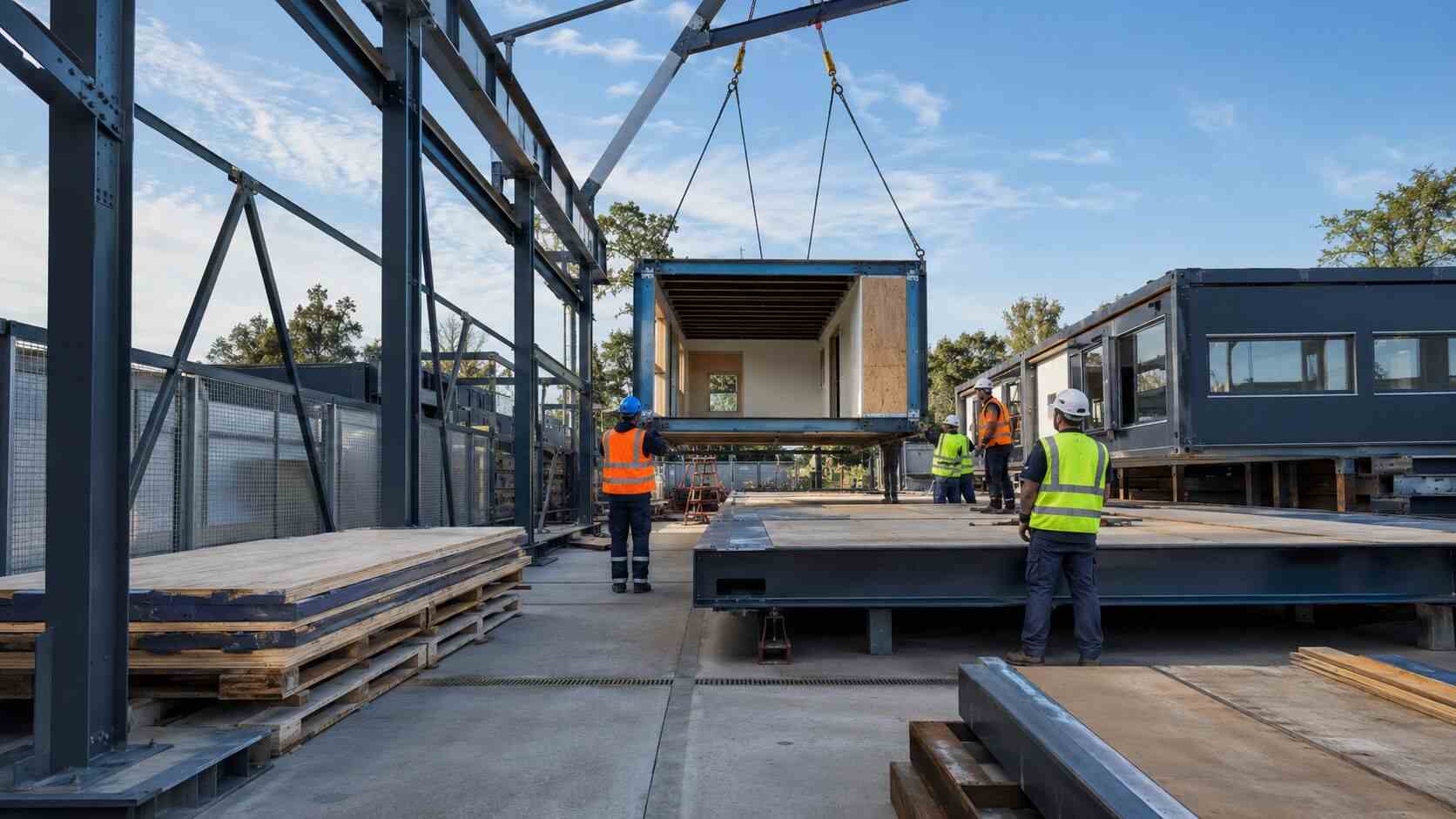
Unlike conventional construction, modular projects require early coordination across design, procurement, manufacturing, transportation, and installation. Because building modules are produced before arriving on site, any disruption within the supply chain may affect the overall project schedule.
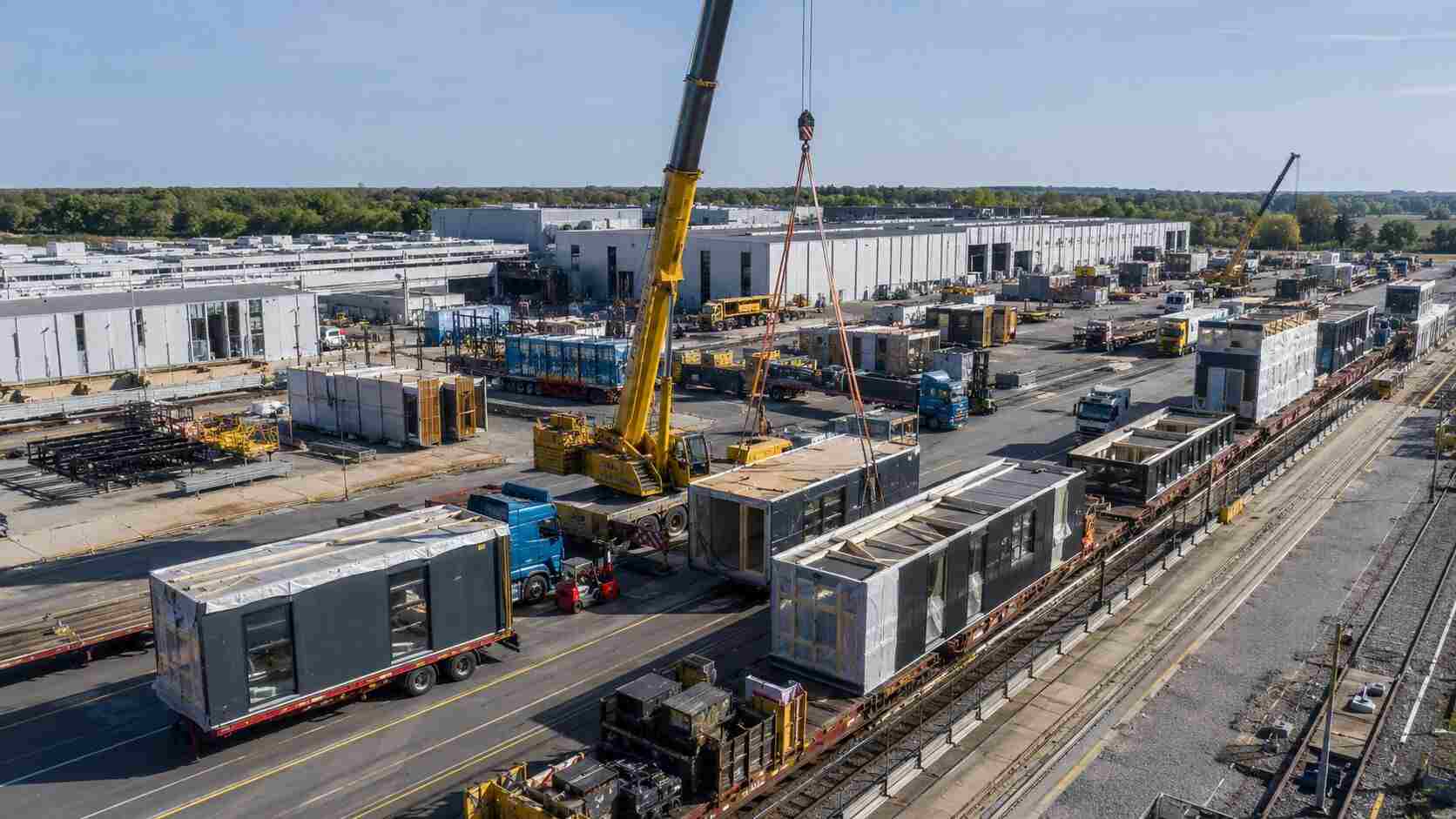
Manufacturers are increasingly adopting digital tools to improve production planning, inventory management, logistics tracking, and communication between project stakeholders. International projects also require careful coordination of shipping schedules, customs procedures, and lifting operations to ensure efficient project delivery.
As modular construction continues expanding globally, integrated supply chain management is becoming a key competitive advantage for manufacturers and project developers.
Frequently Asked Questions (FAQ)
Q1: Why is supply chain management more important in modular construction?
Because factory manufacturing, transportation, and installation are closely connected, delays in one stage can affect the entire project schedule. Effective supply chain management helps coordinate all participants and improves overall project performance.
Q2: Which parts of the modular construction process require coordination?
Project teams must coordinate material procurement, engineering design, factory production, quality inspection, transportation, customs clearance, site preparation, crane operations, and final installation. Strong communication between all parties is essential for successful delivery.
Q3: What should international buyers evaluate regarding a supplier's supply chain capability?
Buyers should review manufacturing capacity, production scheduling, logistics experience, export documentation, quality management systems, transportation planning, and previous international project experience. Reliable coordination across these areas helps reduce project risks.
Q4: What are the future trends in modular construction supply chains?
The industry is moving toward greater use of digital supply chain platforms, real-time production tracking, BIM integration, automated scheduling, and data-driven logistics management. These technologies are expected to improve transparency, efficiency, and project predictability.