Circular Economy Drives Sustainable Innovation in Modular Construction
Ellen MacArthur Foundation
The Circular Economy promotes keeping materials, products, and resources in use for as long as possible through reuse, refurbishment, remanufacturing, and recycling. Rather than following a traditional linear model of "produce, use, and dispose," circular approaches aim to preserve value while reducing waste and environmental impacts.
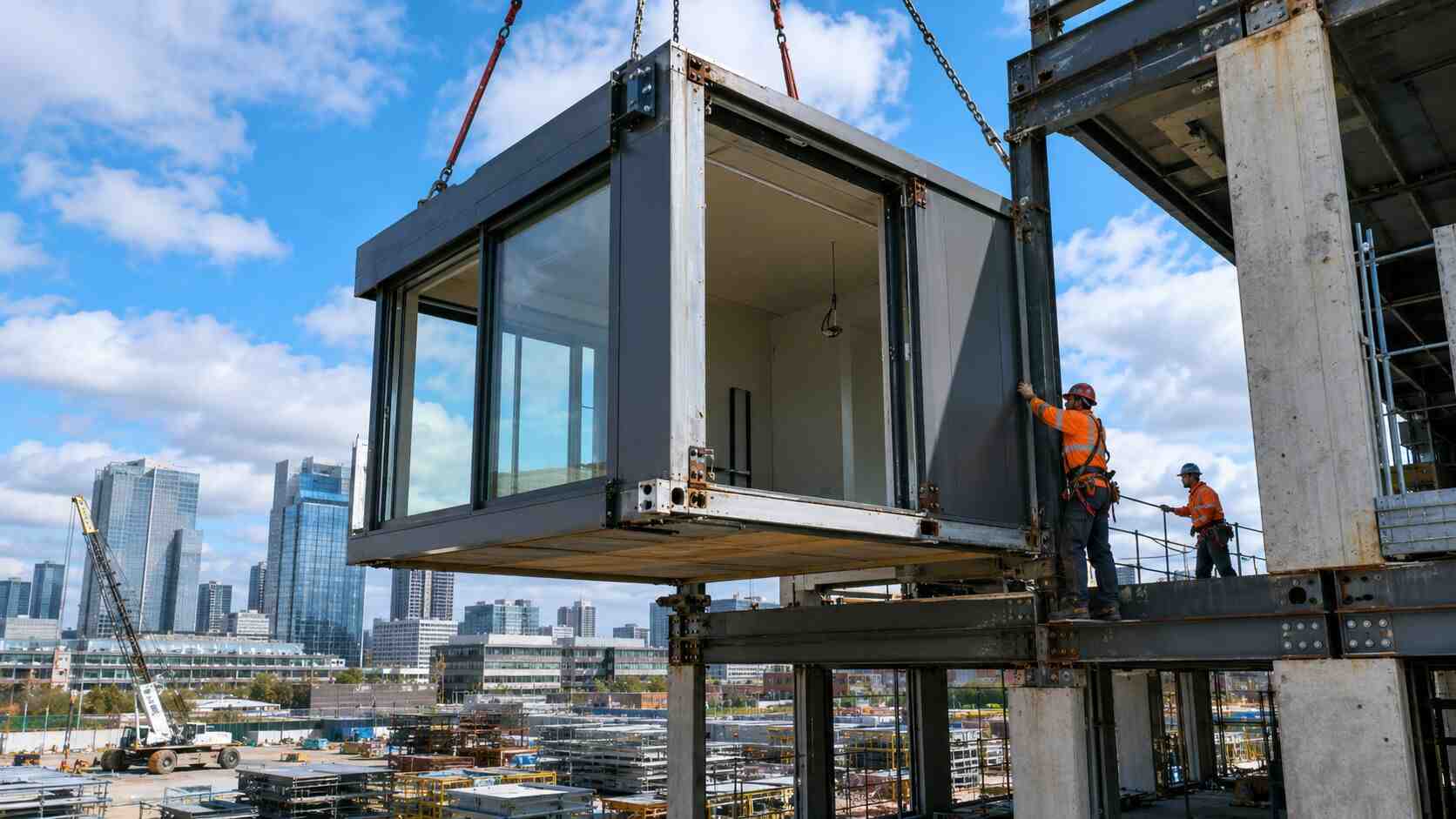
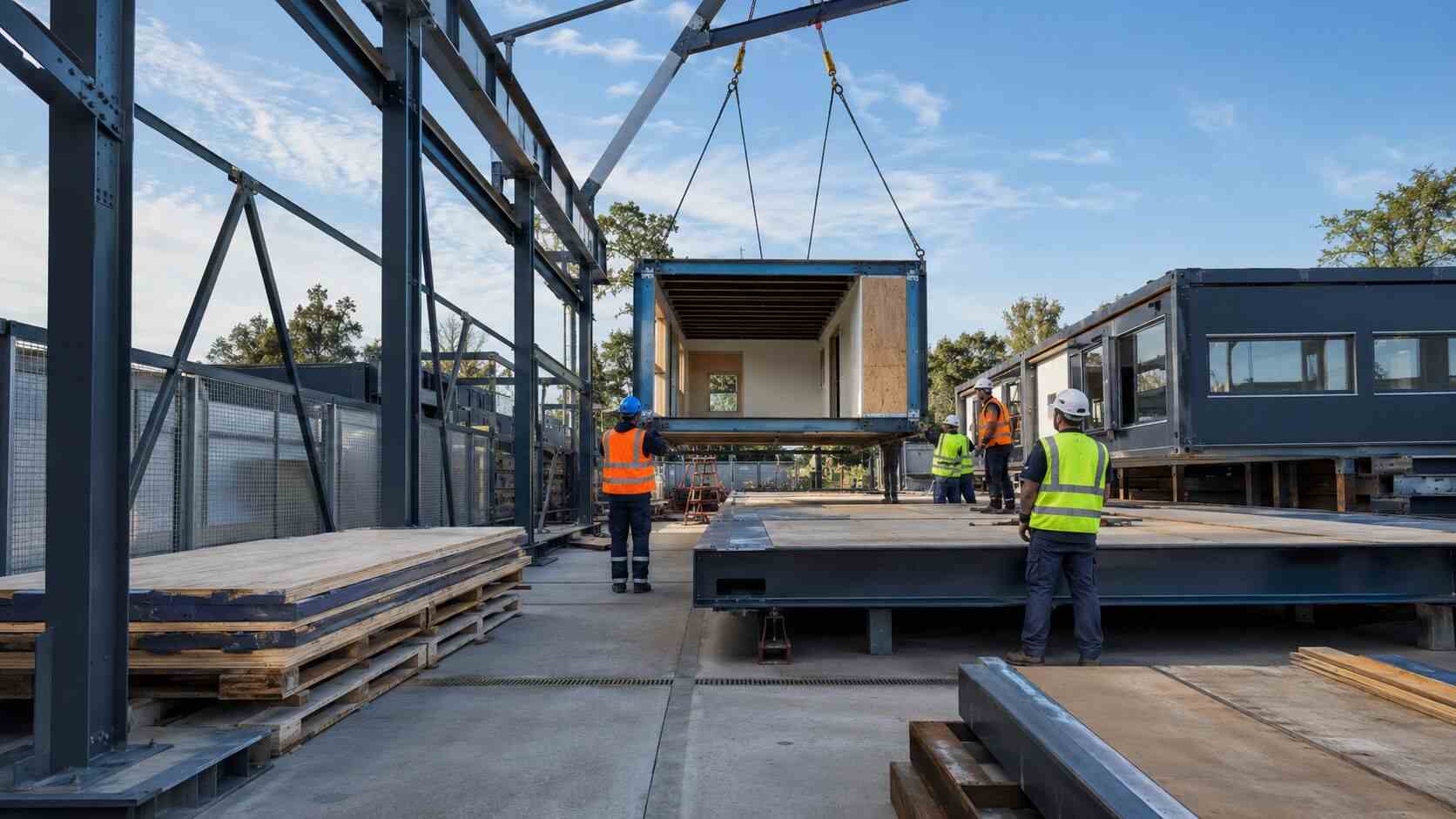
Modular construction aligns naturally with these principles. Factory manufacturing improves material efficiency, standardized modules simplify relocation and expansion, and many components can be repaired, refurbished, or reused at the end of a project's initial service life.
Supporting technologies such as Life Cycle Assessment (LCA), Environmental Product Declarations (EPDs), Building Information Modeling (BIM), and Digital Material Passports are further enhancing transparency and helping manufacturers implement circular strategies across the building lifecycle.
Frequently Asked Questions (FAQ)
Q1: What is the Circular Economy?
The Circular Economy is an economic model that aims to reduce waste by keeping products, components, and materials in use through reuse, repair, refurbishment, remanufacturing, and recycling.
Q2: Why is modular construction compatible with Circular Economy principles?
Factory-controlled production, standardized components, and flexible building systems make modular construction well suited for future reuse, relocation, maintenance, and material recovery.
Q3: What should international buyers consider?
Buyers should evaluate whether manufacturers apply circular design principles, optimize material use, provide environmental documentation, and support long-term maintenance, refurbishment, or reuse strategies.
Q4: What are the future trends?
Future developments are expected to include Digital Material Passports, expanded use of recycled materials, circular procurement policies, modular refurbishment programs, and stronger integration of lifecycle sustainability into building regulations.