High-Performance Building Demand Creates New Opportunities for Modular Construction
U.S. Department of Energy (DOE)
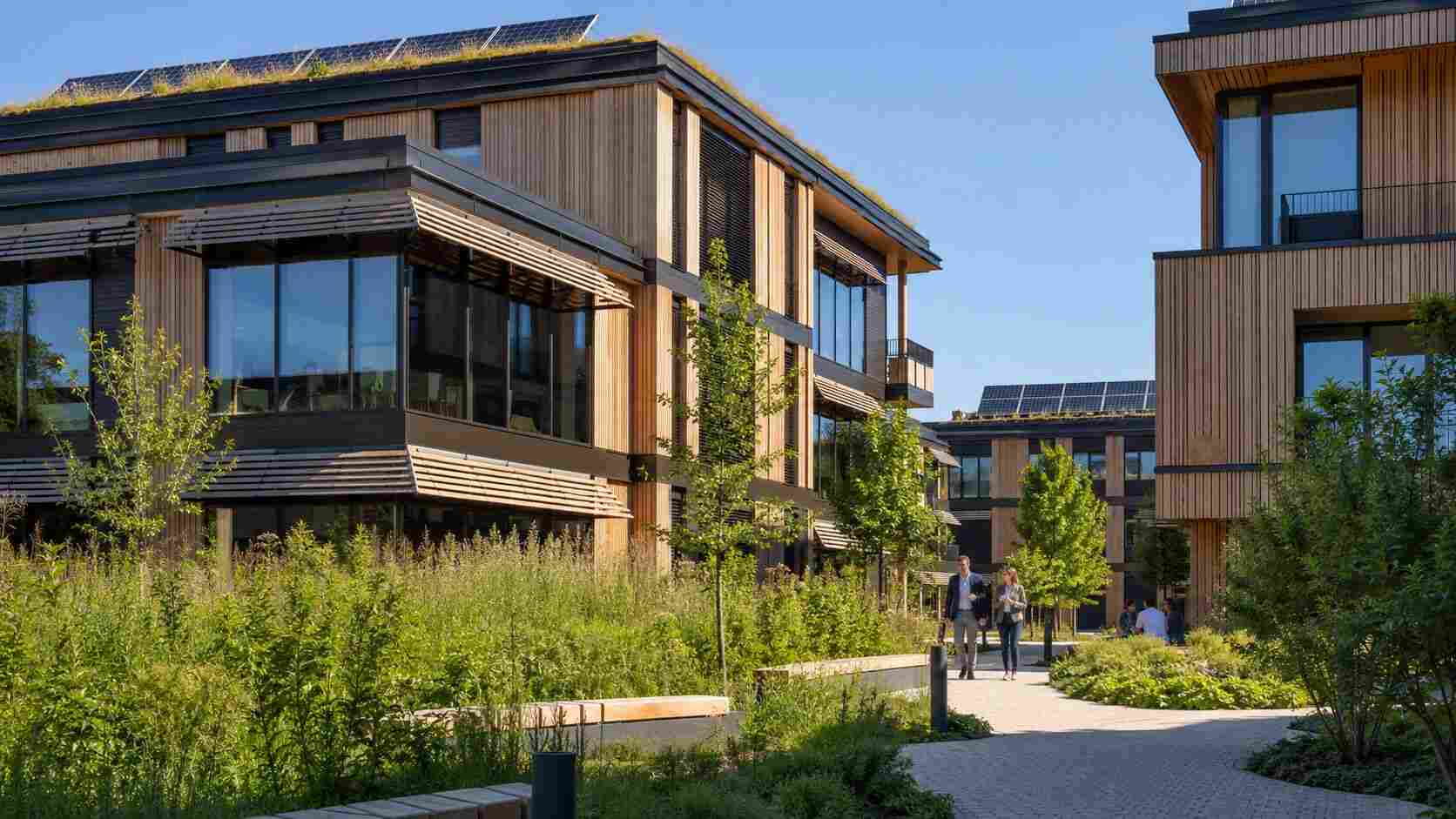
High-performance buildings are designed to improve energy efficiency, indoor environmental quality, durability, and long-term operational performance. Achieving these objectives requires careful attention to insulation systems, air tightness, windows, building envelopes, and mechanical systems.
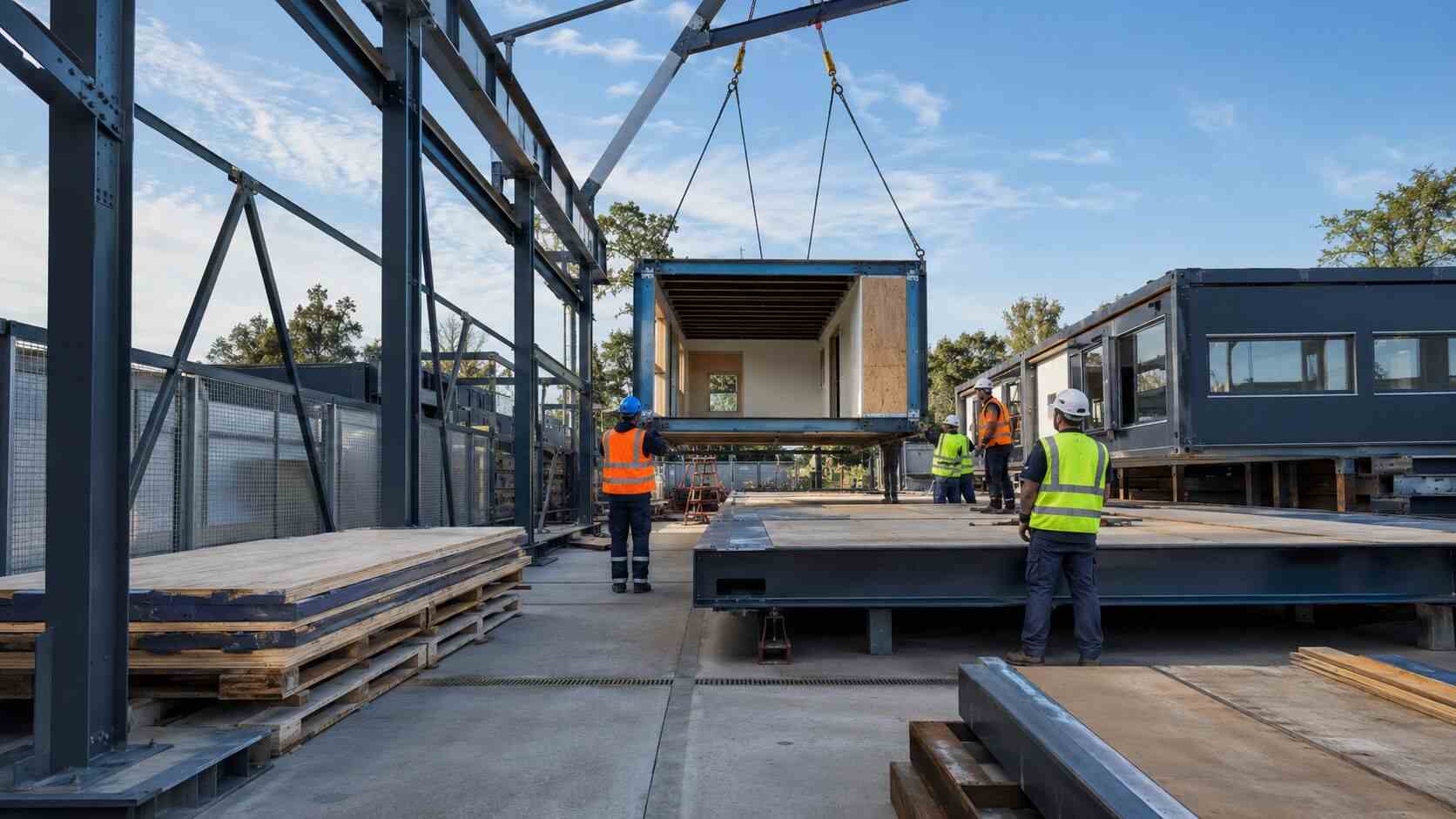
Modular construction supports these goals by manufacturing building components in controlled factory environments, where production quality can be monitored more consistently than on many traditional construction sites. Digital engineering and standardized manufacturing also help identify design issues earlier, improving project performance before construction begins.
As governments continue promoting sustainable construction policies, modular building systems are expected to play a growing role in residential, educational, healthcare, commercial, and public infrastructure projects.
Frequently Asked Questions (FAQ)
Q1: What is a high-performance building?
A high-performance building is designed to optimize energy efficiency, occupant comfort, environmental performance, and long-term operating costs while meeting applicable safety and building standards.
Q2: How does modular construction contribute to building performance?
Factory-controlled manufacturing improves quality consistency, supports better insulation installation, reduces construction errors, and helps achieve more predictable building performance after completion.
Q3: What do international buyers usually evaluate?
International buyers often review thermal insulation performance, air tightness, energy-efficiency strategies, quality management systems, compliance with local building regulations, and long-term durability.
Q4: What are the future trends?
Future development is expected to include digital performance simulation, low-carbon materials, intelligent building systems, renewable energy integration, and higher sustainability standards for modular buildings.