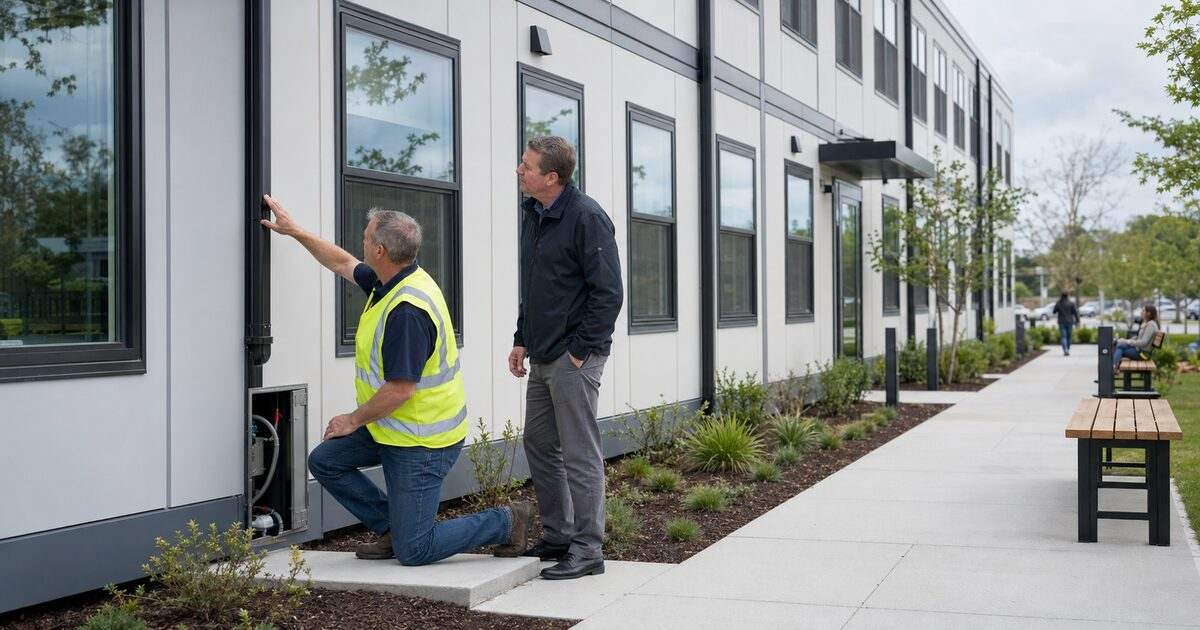
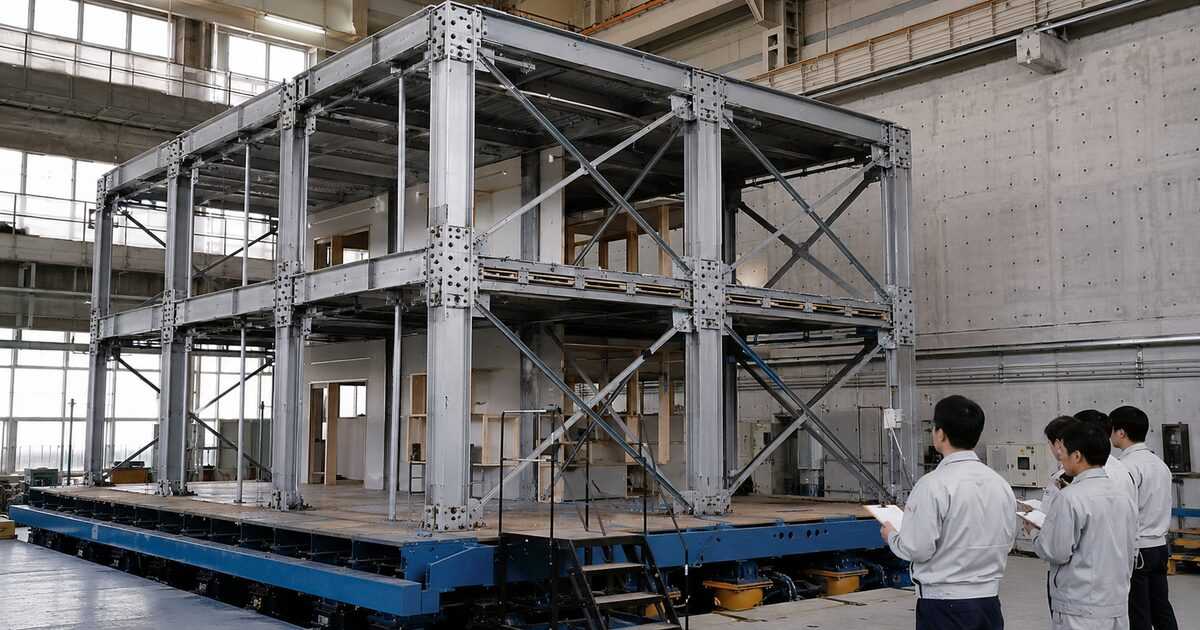
Ireland Eases Planning Restrictions for Small Backyard Modular Homes
New Planning Exemptions Regulations Come into Effect
Detailed Content in English
Question 1: What type of housing is covered by the new regulations?
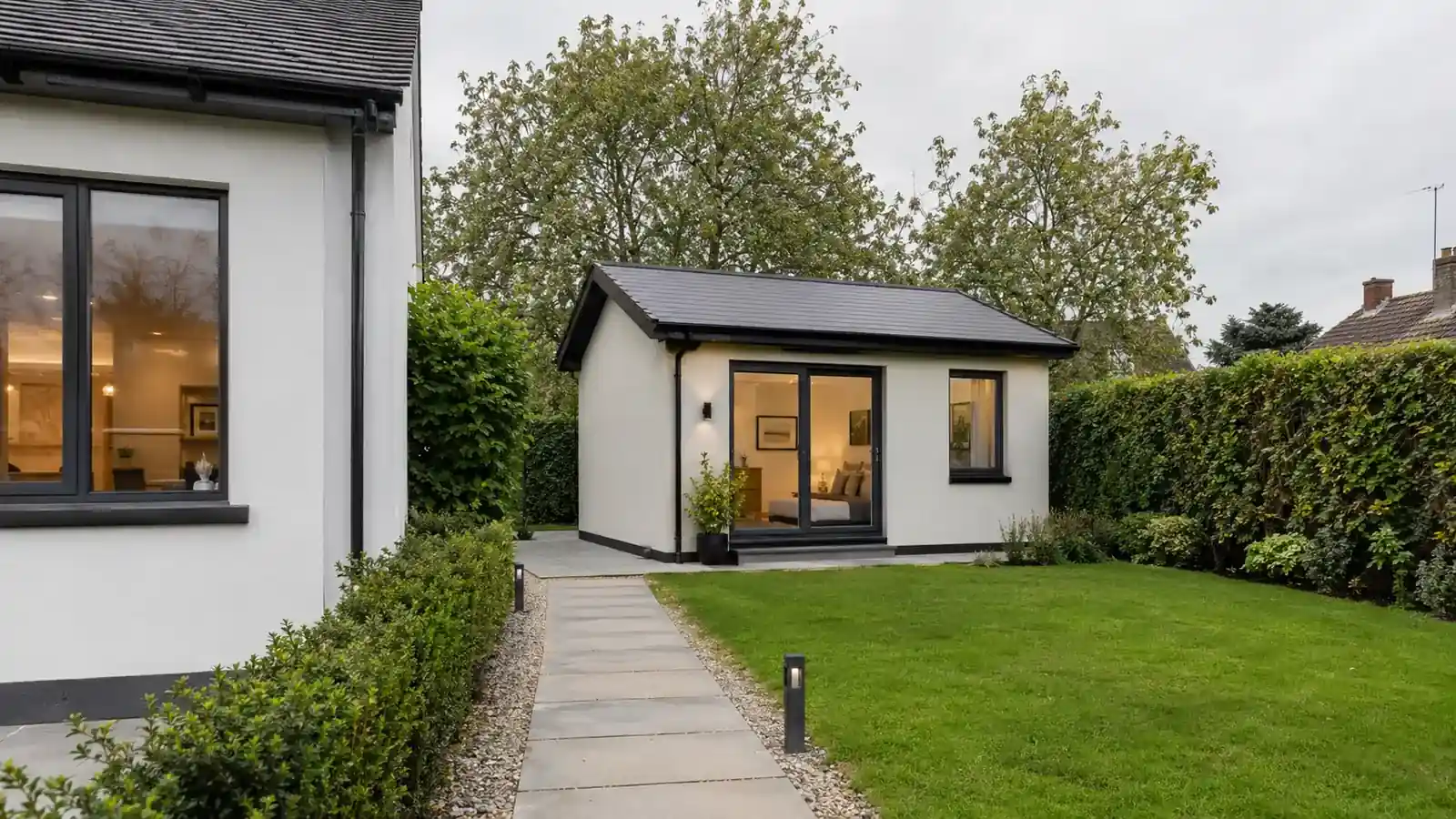
The regulations introduce a planning exemption category for auxiliary habitable dwellings. Eligible units generally need to provide between 32 and 45 square metres of floor space and be positioned behind an existing principal residence. Modular, prefabricated and other compliant construction methods may be used.
A planning exemption does not remove the need to comply with building regulations. Structural safety, fire protection, insulation, ventilation, drainage, daylight and boundary requirements still need to be addressed.
Question 2: How can these modular dwellings be used?
The units are intended to support family accommodation, multigenerational living and longer-term residential needs. They may provide independent space for older relatives, adult children or other members of the household.
The exemption should not be interpreted as permission for unrestricted tourist accommodation. Rental arrangements, occupation periods and registration requirements remain subject to applicable housing and short-term letting rules.
Question 3: What does the change mean for the modular building industry?
The policy shows that competition in the small modular housing market is moving beyond installation speed. Long-term habitability, regulatory compliance and building performance are becoming essential purchasing considerations.
Suppliers entering European markets therefore need to consider local fire codes, energy performance, structural calculations, utility connections and compliance documentation rather than supplying a standard container structure without adaptation.
In our view, the policy demonstrates that small modular dwellings are becoming a practical supplement to conventional housing. Mobile and modular buildings supported by clear compliance documentation, efficient insulation and adaptable layouts will be better positioned for European applications.
Related News
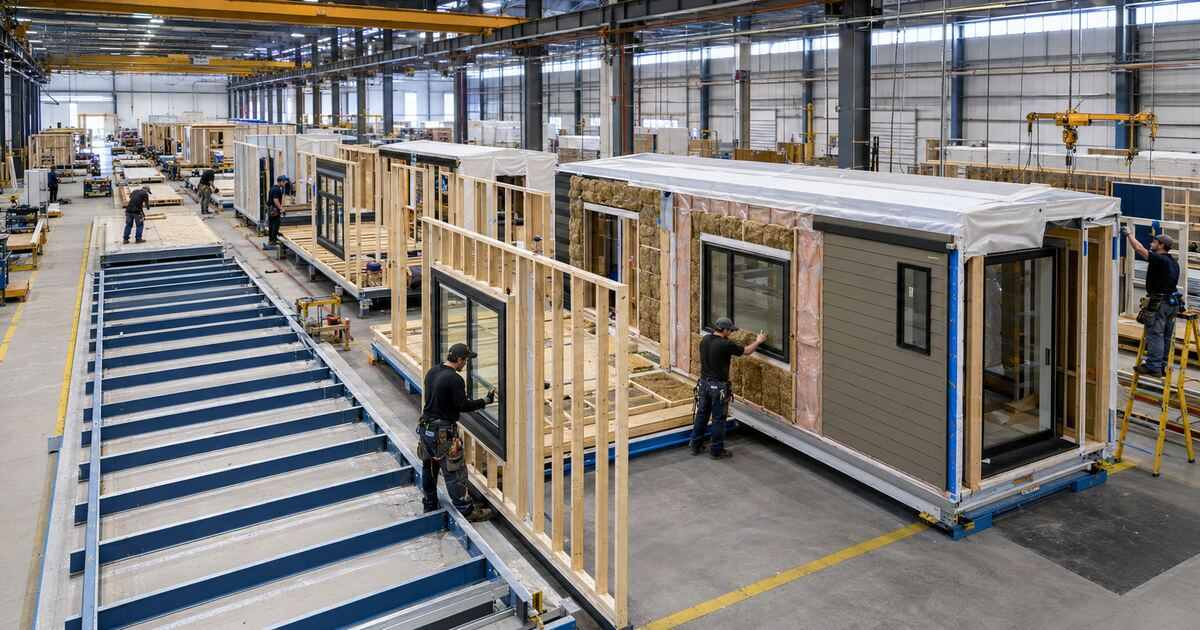
How Are Modular Buildings Manufactured? Understanding the Factory Production Process
2026-07-28
Read More
Can Modular Buildings Be Expanded in the Future? Understanding Scalable Modular Design
2026-07-28
Read More