Are Modular Buildings Earthquake Resistant? Key Factors That Influence Seismic Performance
International Code Council (ICC)
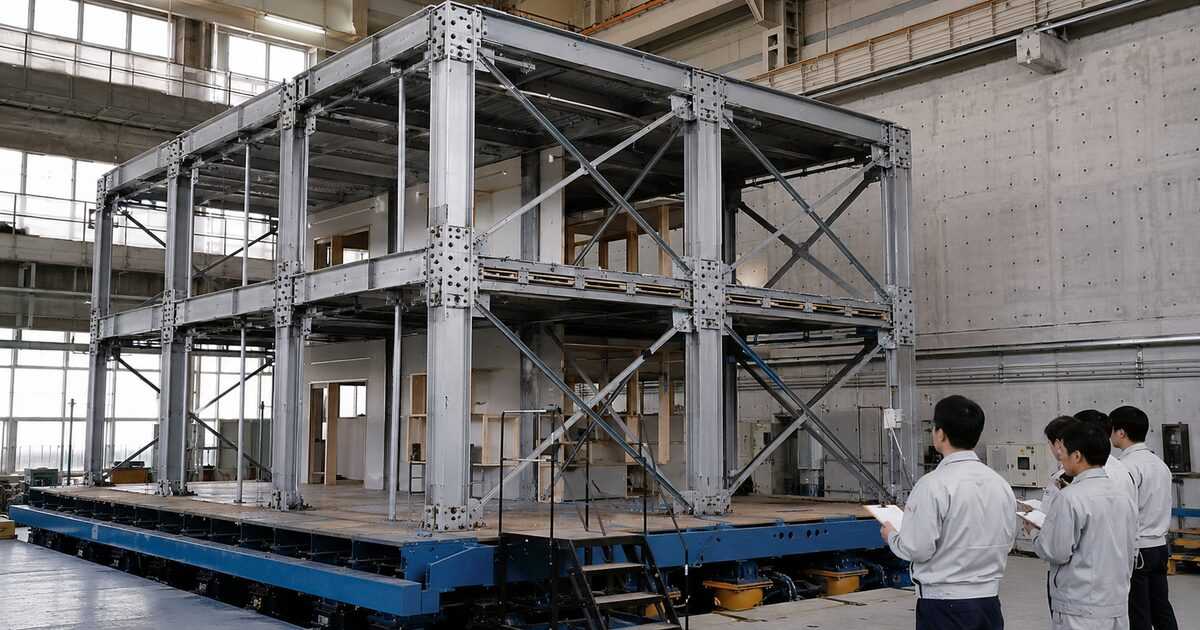
Seismic performance is achieved through engineering design rather than the modular construction method alone.
Key factors include:
Structural Engineering
Buildings should be designed according to the seismic requirements applicable to the project location.
Structural Connections
Connections between modules and between the building and its foundation play a significant role in load transfer during seismic events.
Material Quality
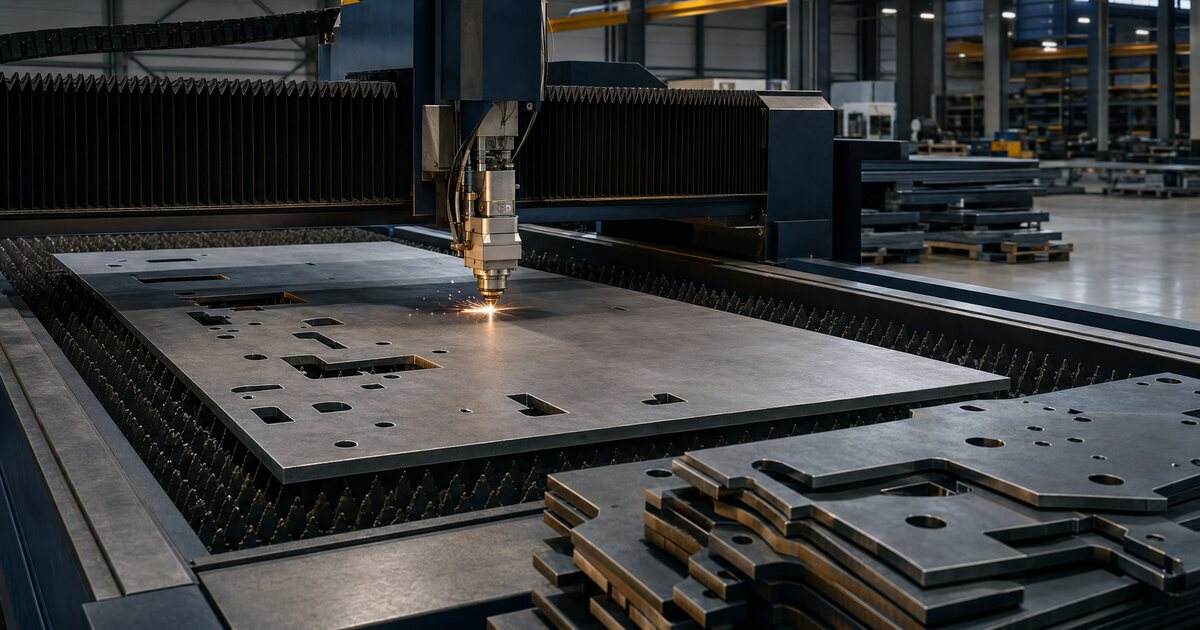
Structural steel, fasteners, and other critical components should meet project specifications and applicable standards.
Factory Manufacturing
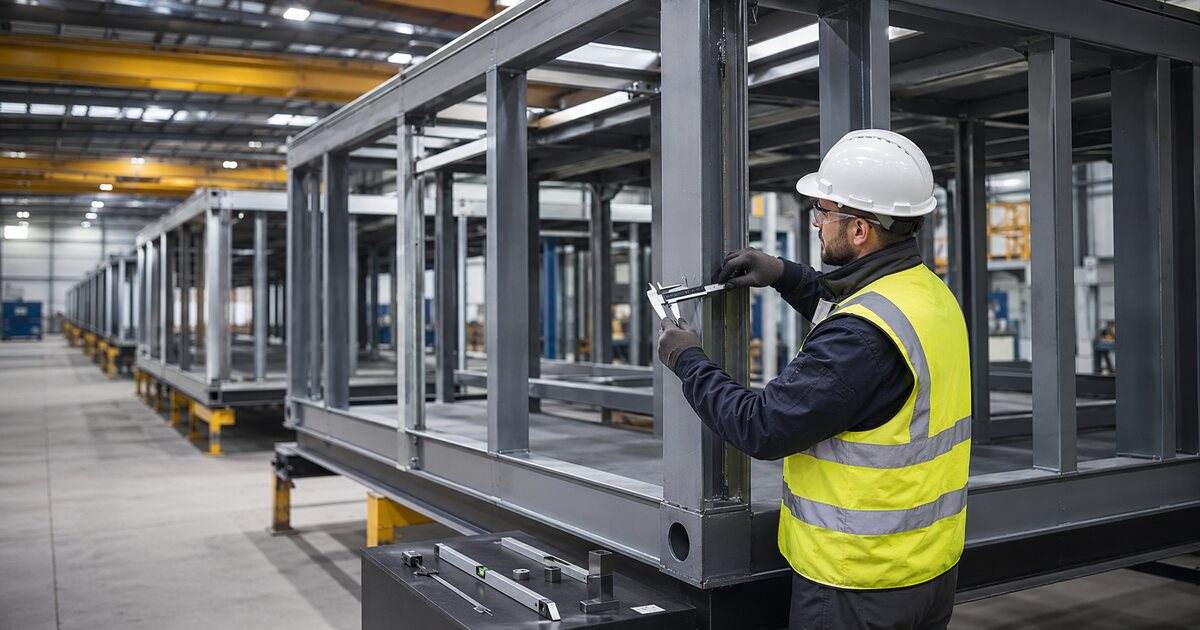
Controlled manufacturing environments help achieve dimensional accuracy and consistent fabrication quality.
Site Installation
Proper positioning, alignment, and connection of modules are essential for achieving the intended structural performance.
Frequently Asked Questions (FAQ)
Q1: Are modular buildings earthquake resistant?
They can be, provided they are engineered, manufactured, and installed in accordance with the seismic requirements applicable to the project location.
Q2: Does modular construction improve seismic performance?
Modular construction itself does not guarantee better seismic performance. The results depend on structural analysis, connection design, material quality, and compliance with engineering standards.
Q3: What do international buyers usually evaluate?
International buyers commonly evaluate structural calculations, seismic engineering documentation, connection details, material certifications, manufacturing quality, installation procedures, and compliance with local seismic regulations.
Q4: Why are structural connections so important?
Connections transfer loads between modules and into the foundation. Their design and installation are essential for maintaining the building's structural integrity during seismic events.