Do Modular Buildings Require More Maintenance? A Guide to Long-Term Building Care
Building Owners and Managers Association (BOMA International)
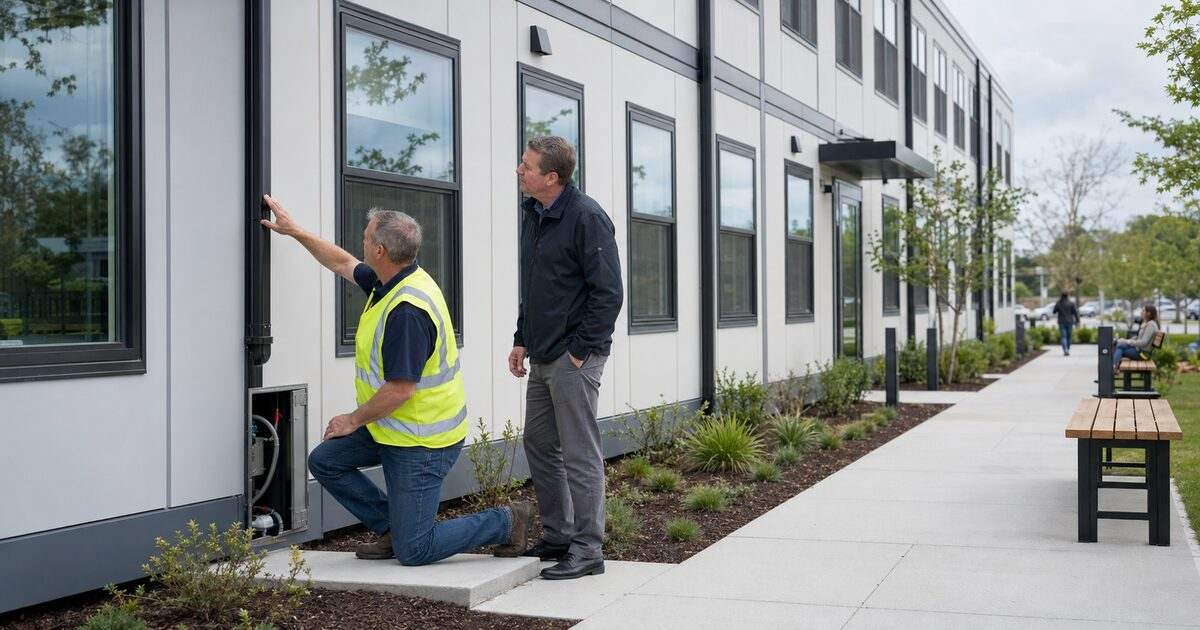
Building maintenance typically includes routine inspections, preventive maintenance, and corrective repairs.
For modular buildings, common maintenance activities include:
Building Envelope
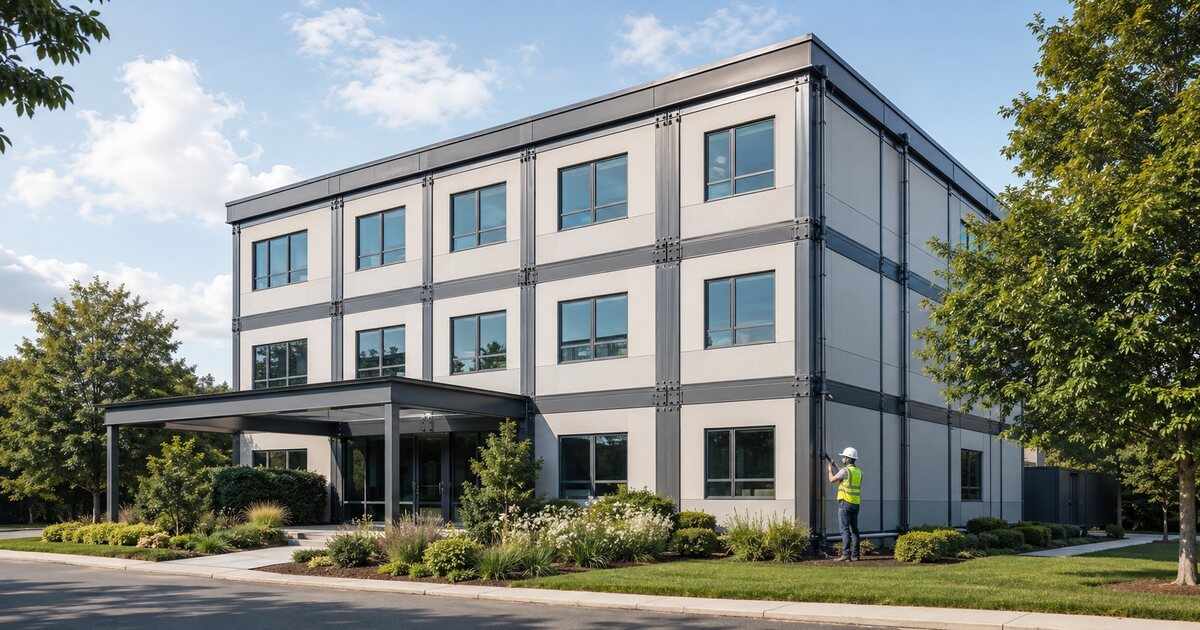
Inspect exterior walls, roofing, windows, doors, sealants, and weatherproofing systems.
Structural Connections
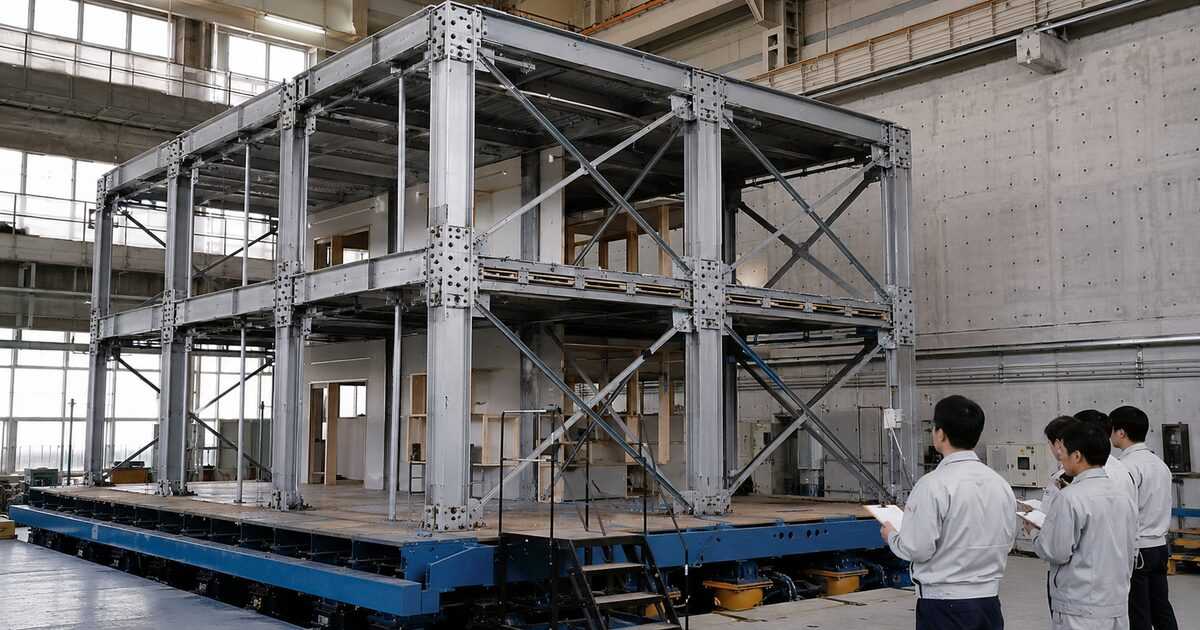
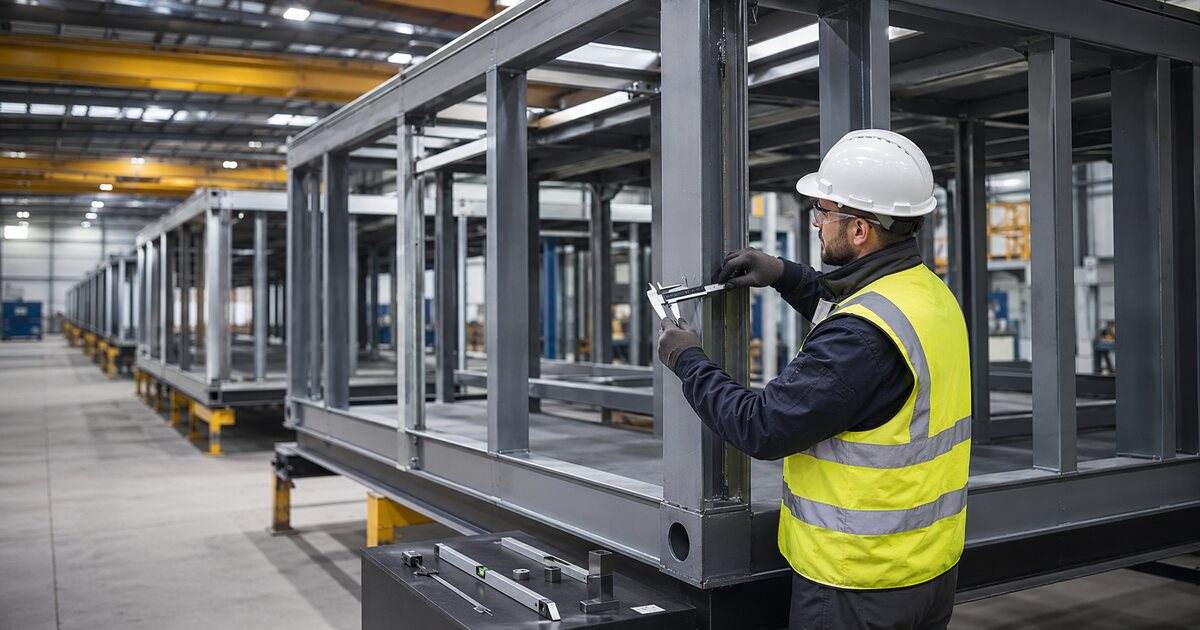
Check module connections, fasteners, and structural joints for signs of movement, corrosion, or damage.
Corrosion Protection
Monitor protective coatings and exposed steel components, especially in coastal or industrial environments.
Building Services
Maintain HVAC, electrical, plumbing, and fire protection systems according to the manufacturer's recommendations and applicable regulations.
Interior Components
Inspect finishes, flooring, ceilings, fixtures, and other interior elements based on building usage.
Frequently Asked Questions (FAQ)
Q1: Do modular buildings require more maintenance than traditional buildings?
Not necessarily. Maintenance requirements are primarily influenced by design quality, materials, environmental conditions, and how the building is used.
Q2: How often should a modular building be inspected?
Inspection frequency depends on local regulations, environmental conditions, building systems, and the owner's maintenance program. Many owners establish routine inspection schedules as part of preventive maintenance.
Q3: What do international buyers usually evaluate?
International buyers commonly evaluate maintenance requirements, durability of materials, corrosion protection, accessibility for servicing, availability of replacement parts, warranty terms, and long-term operating costs.
Q4: Why is preventive maintenance important?
Preventive maintenance helps identify potential issues early, supports safe operation, reduces unexpected downtime, and contributes to extending the building's service life.