Can Modular Buildings Be Expanded in the Future? Understanding Scalable Modular Design
Modular Building Institute (MBI)
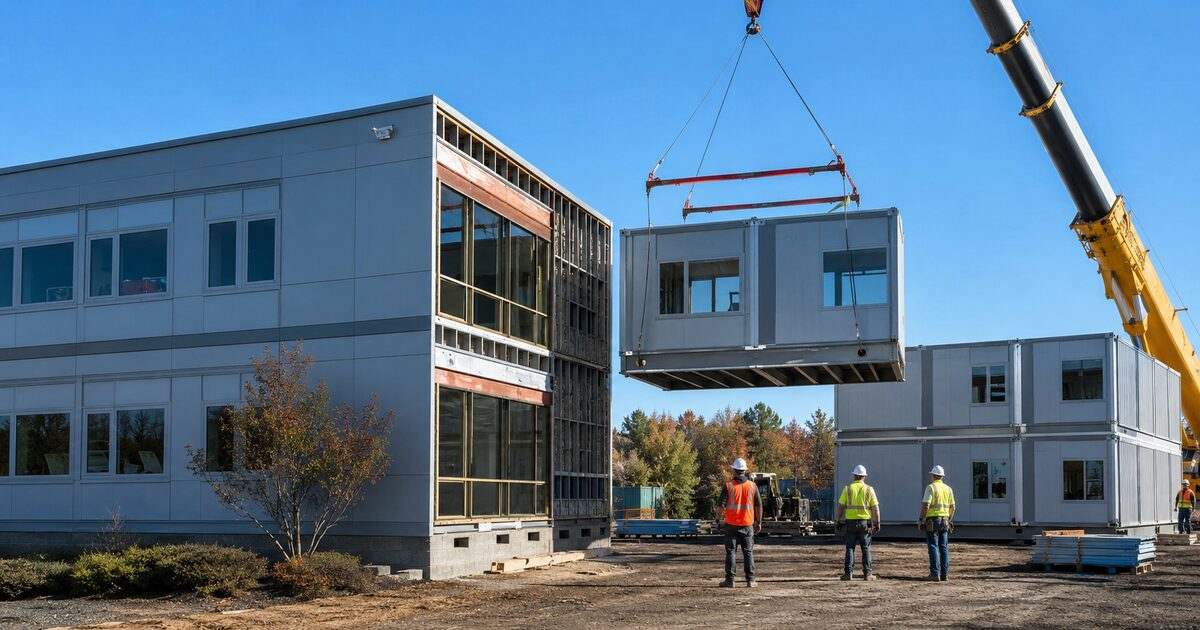
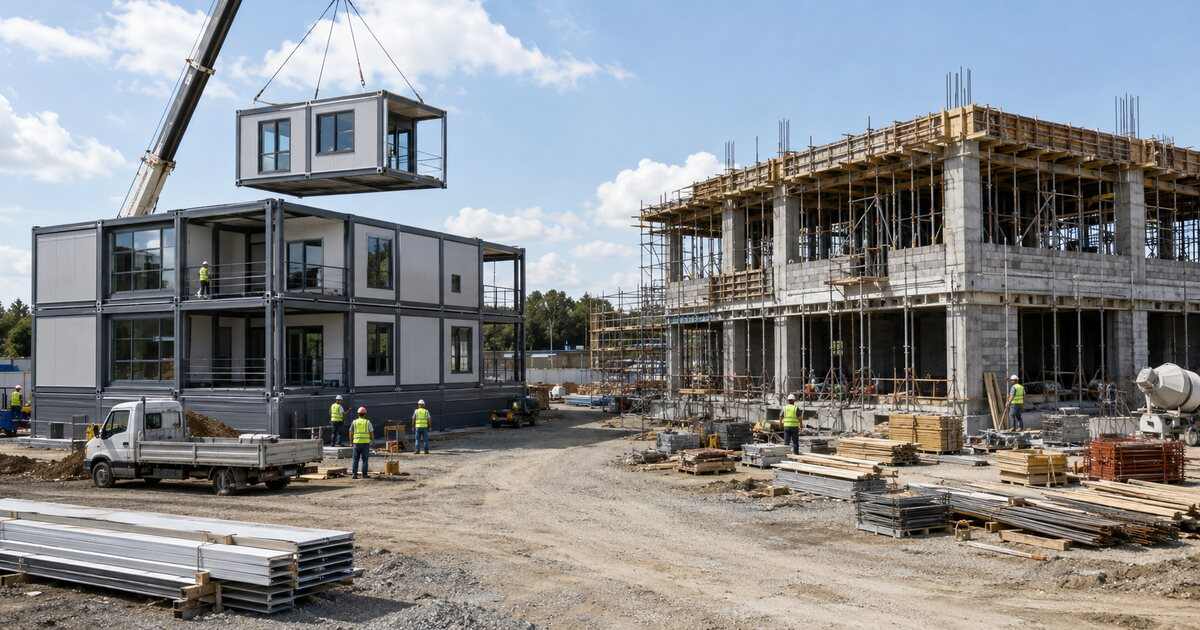
One of the advantages of modular construction is the ability to support phased development when expansion has been considered during the planning process.
Key considerations include:
Structural Design
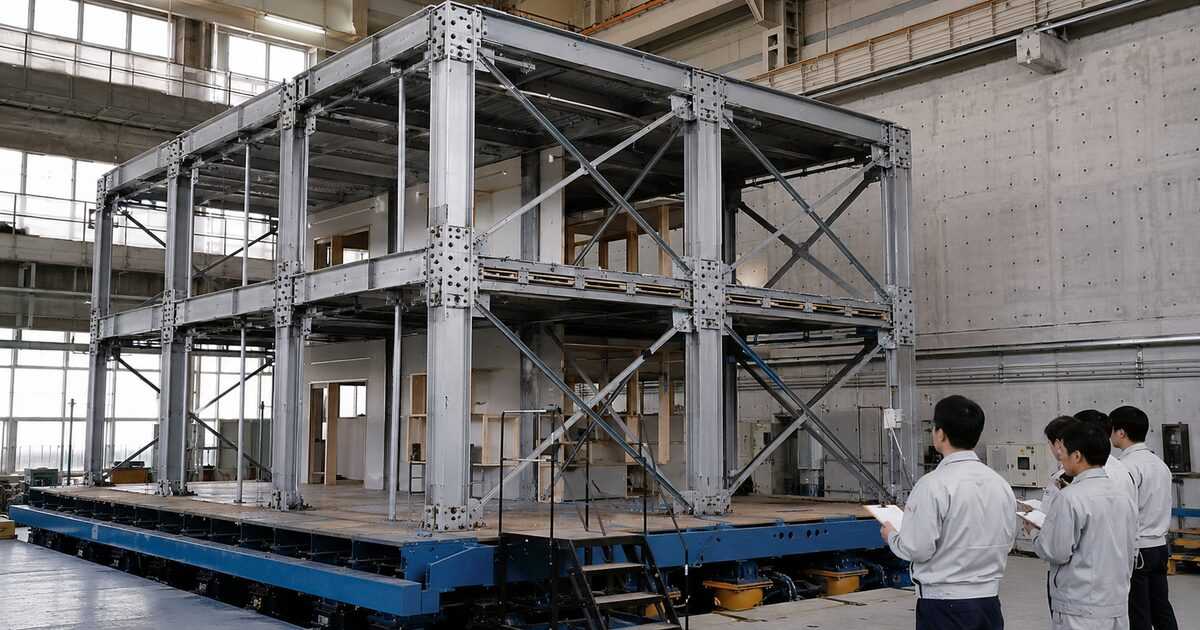
Future expansion is generally easier when the original building has been engineered to accommodate additional modules.
Foundation Capacity
Existing foundations may need to be evaluated to determine whether they can support increased structural loads.
Site Conditions
Adequate space is required for transportation, crane operations, and the installation of new modules.
Building Services Integration
Electrical, plumbing, HVAC, fire protection, and communication systems should be designed to allow efficient integration with future additions.
Regulatory Requirements
Expansion projects should comply with applicable building codes, planning requirements, and permitting procedures.
Frequently Asked Questions (FAQ)
Q1: Can every modular building be expanded?
Not always. Expansion depends on the original engineering design, structural capacity, site conditions, and applicable building regulations.
Q2: Why should expansion be considered during the initial design stage?
Planning for expansion early can simplify future construction, reduce modification work, and improve long-term project flexibility.
Q3: What do international buyers usually evaluate?
International buyers commonly evaluate structural scalability, foundation capacity, connection systems, utility integration, available site space, engineering documentation, and compliance with local building requirements.
Q4: Does expanding a modular building require engineering review?
Yes. Structural capacity, foundations, building systems, and regulatory compliance should all be reviewed by qualified engineering professionals before expansion proceeds.