Modular Buildings vs Traditional Construction: What's the Difference?
Modular Building Institute (MBI)
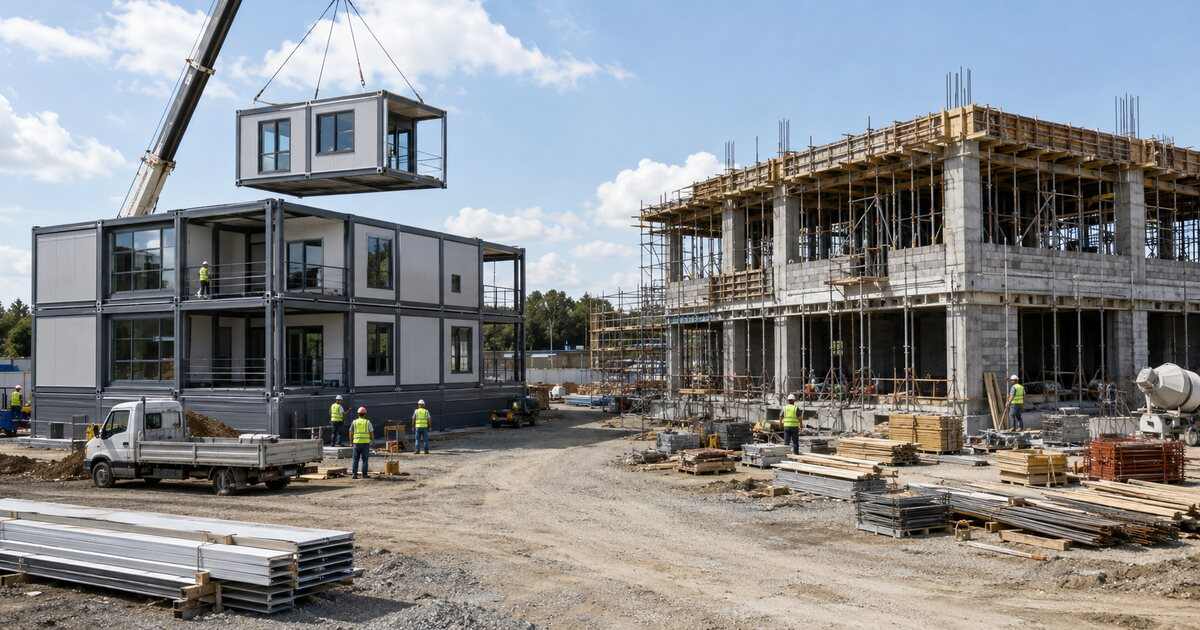
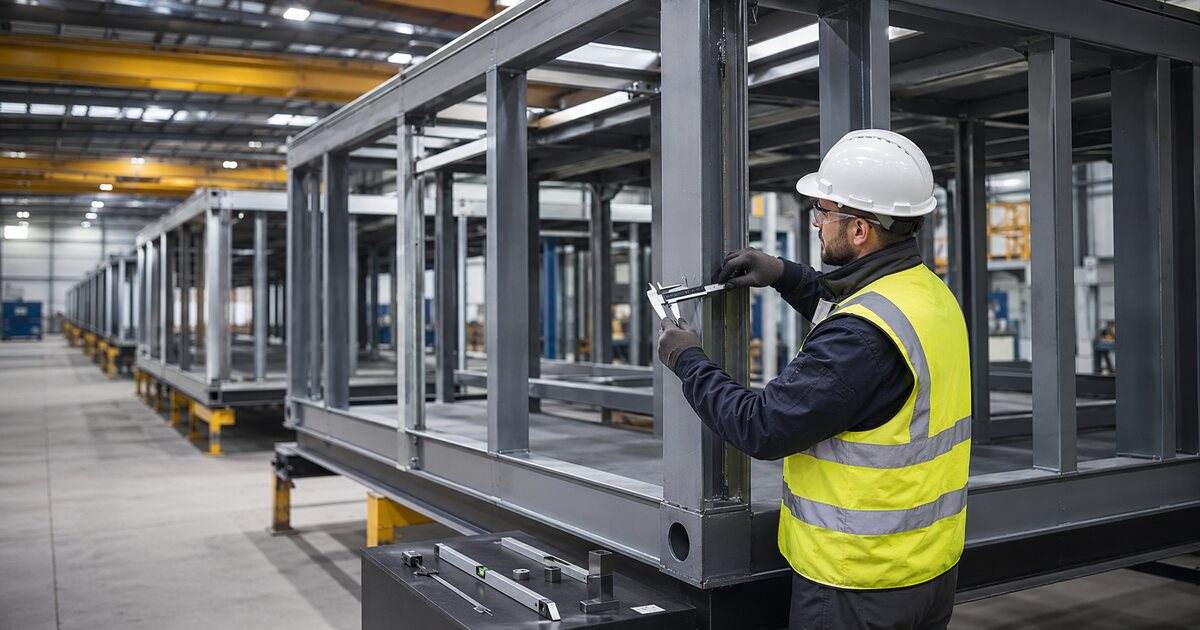
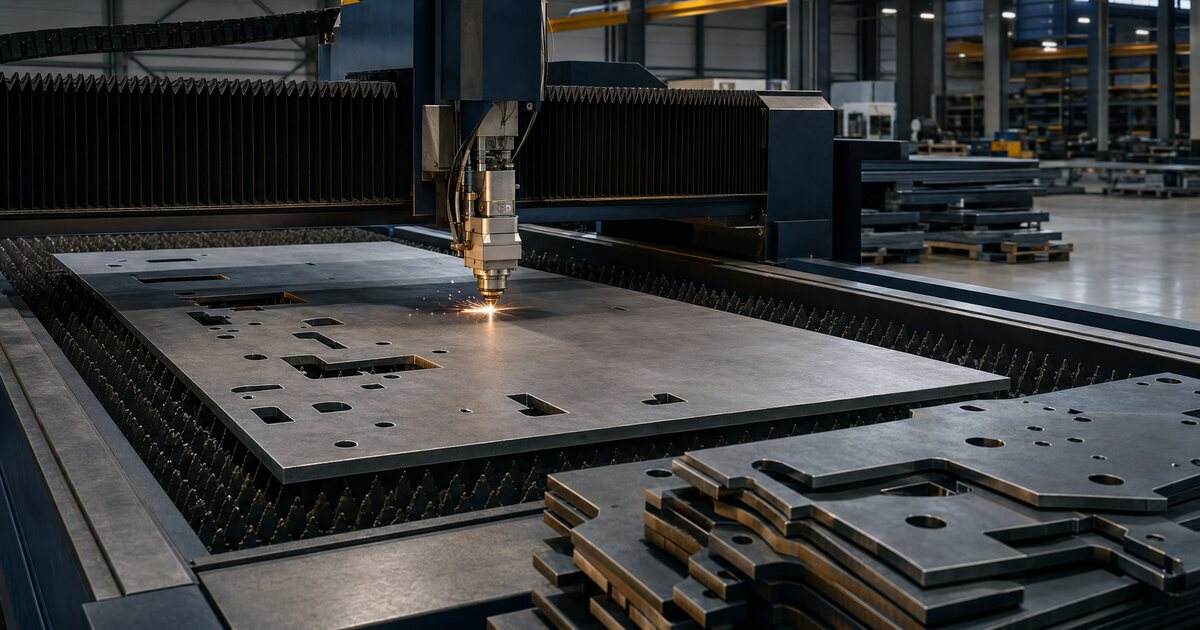
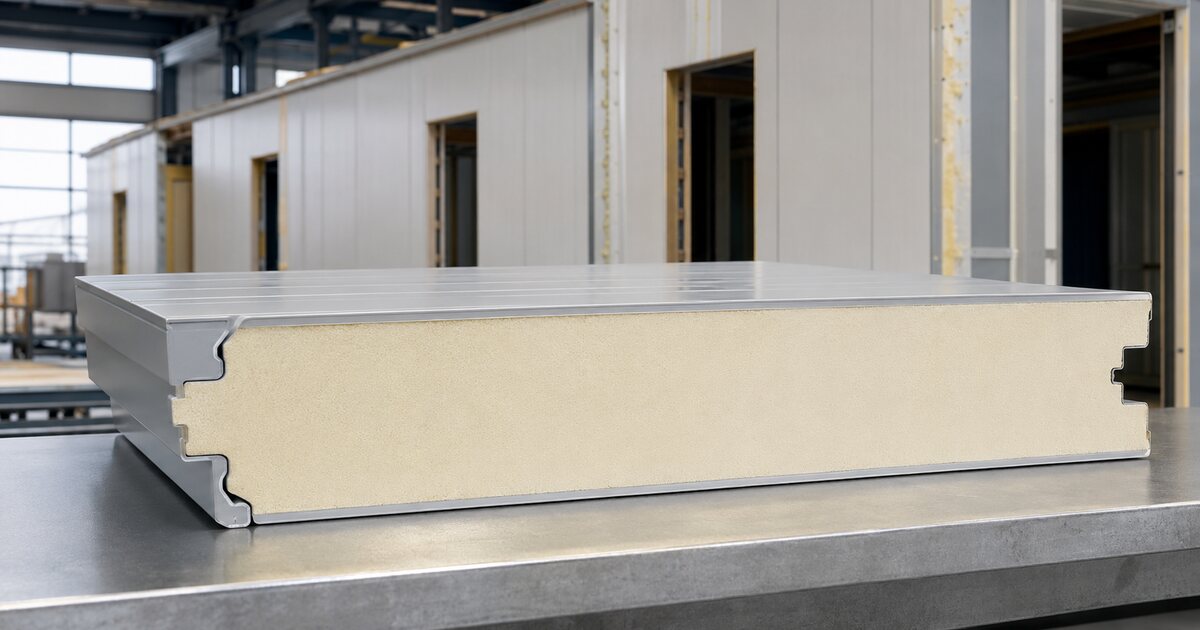
Traditional construction generally completes most structural, enclosure, and interior work directly on the project site. In contrast, modular construction manufactures major building sections in a factory before transporting them for final assembly.
Key differences include:
- Construction location: Factory manufacturing versus on-site construction.
- Project schedule: Factory production and foundation work can proceed simultaneously.
- Quality management: Controlled factory environments support standardized production.
- Site activities: Modular construction typically reduces on-site labor and construction duration.
- Logistics: Modular projects require transportation and lifting planning.
- Project suitability: The preferred method depends on project requirements, site conditions, regulations, budget, and delivery objectives.
Both methods have strengths, and the appropriate choice depends on the specific needs of each project.
Frequently Asked Questions (FAQ)
Q1: Is modular construction better than traditional construction?
Neither method is universally better. The most suitable approach depends on project goals, schedule, site conditions, regulations, budget, and operational requirements.
Q2: Why can modular construction reduce project schedules?
Because factory manufacturing and site preparation can often be carried out in parallel, reducing the overall project timeline.
Q3: What do international buyers usually evaluate?
International buyers commonly evaluate manufacturing capability, quality management, engineering support, transportation planning, installation experience, compliance with local regulations, and lifecycle performance.
Q4: Which types of projects are suitable for modular construction?
Modular construction is widely used for residential housing, hotels, schools, healthcare facilities, offices, industrial buildings, workforce accommodation, and temporary or permanent infrastructure, depending on project requirements.