Modular Laboratory Construction Continues to Grow for Research and Industrial Testing Facilities
Offsite Builder Magazine
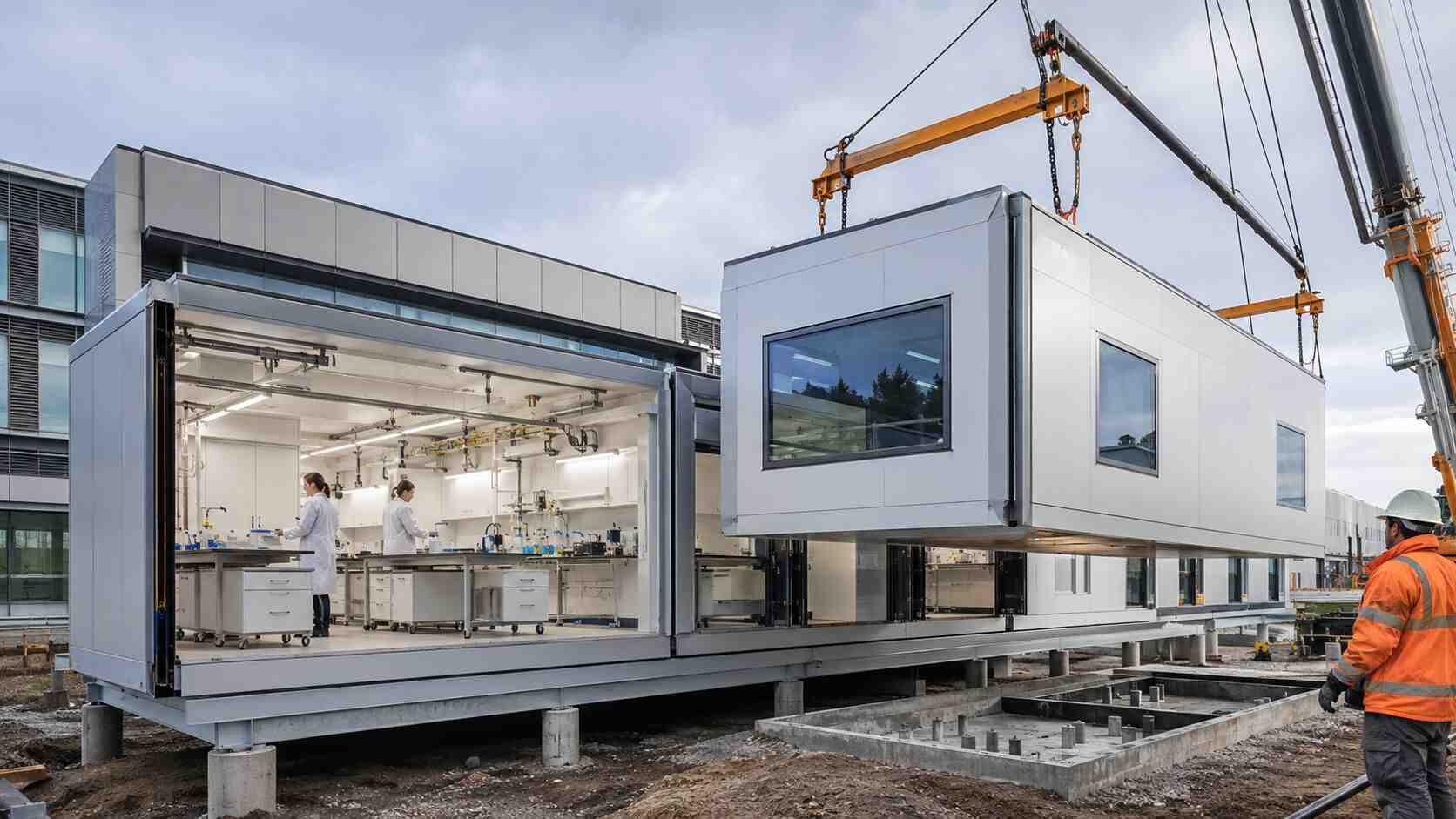
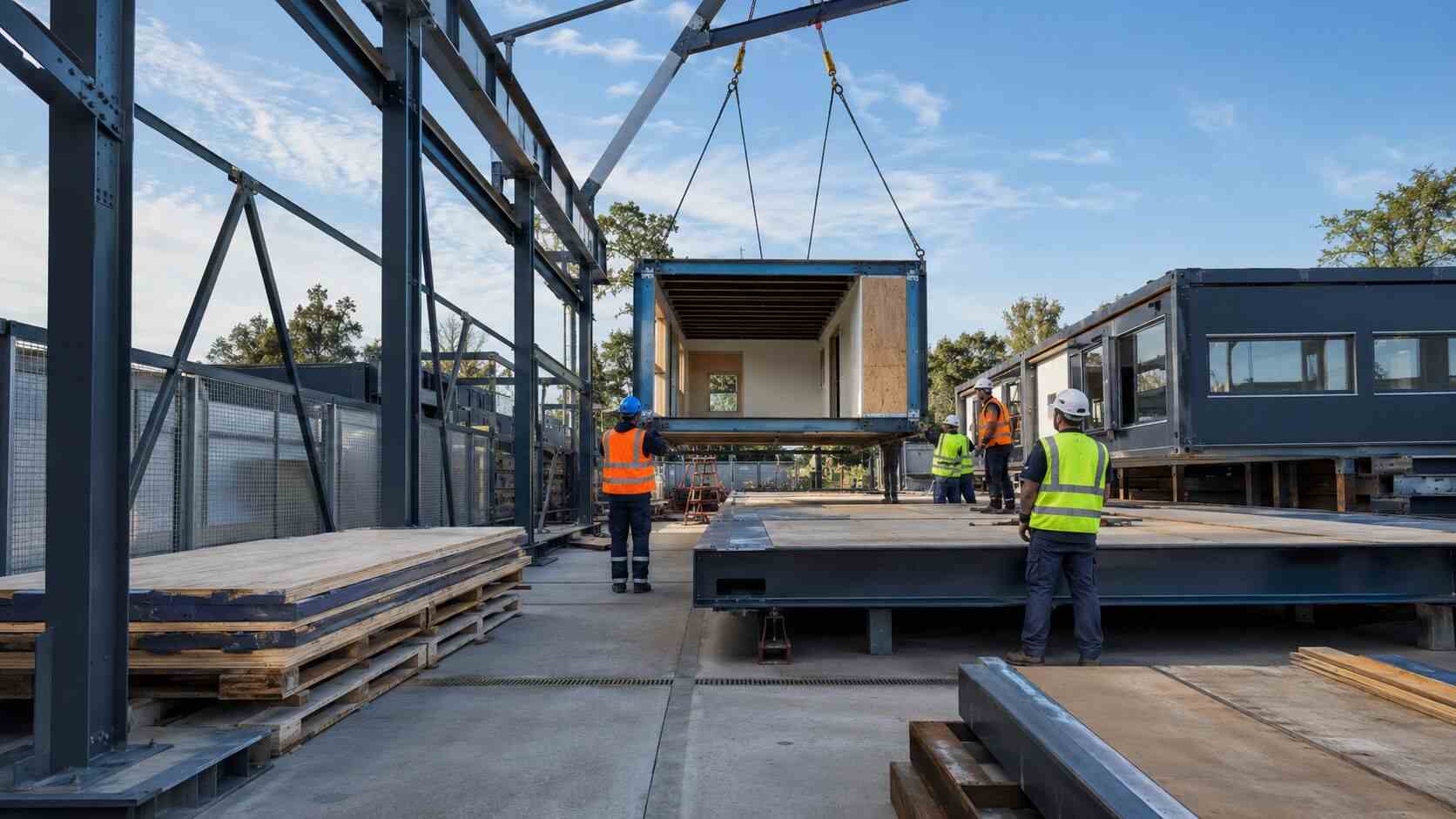
Laboratory buildings require precise environmental control, specialized mechanical and electrical systems, and carefully coordinated equipment installation. Modular construction enables structural components and selected building systems to be manufactured in controlled factory environments before transportation and final assembly.
Applications include university research laboratories, pharmaceutical facilities, food testing centers, environmental laboratories, industrial research institutes, and quality inspection facilities. Modular construction also allows laboratories to be expanded or reconfigured more efficiently as operational requirements evolve.
As scientific research and industrial innovation continue to grow worldwide, modular laboratories are becoming an increasingly attractive solution for organizations seeking faster delivery and high-performance building standards.
Frequently Asked Questions (FAQ)
Q1: Why is modular construction suitable for laboratory buildings?
Laboratory facilities require precise engineering, environmental control, and reliable building quality. Factory manufacturing allows many complex systems to be installed under controlled conditions before final assembly, improving efficiency and reducing construction risks.
Q2: Which laboratory projects can use modular construction?
Modular construction can be used for pharmaceutical laboratories, university research centers, food testing facilities, environmental monitoring laboratories, industrial R&D buildings, and temporary scientific research facilities. Designs can be customized according to technical and regulatory requirements.
Q3: What should international buyers consider when selecting a modular laboratory supplier?
Buyers should evaluate engineering capability, cleanroom integration experience, HVAC system design, manufacturing quality, compliance with local regulations, logistics planning, installation capability, and long-term maintenance support.
Q4: What are the future trends in modular laboratory construction?
Future development is expected to focus on smart laboratory technologies, digital engineering, energy-efficient building systems, flexible modular layouts, and sustainable construction materials. These innovations will support faster project delivery while meeting increasingly complex research requirements.