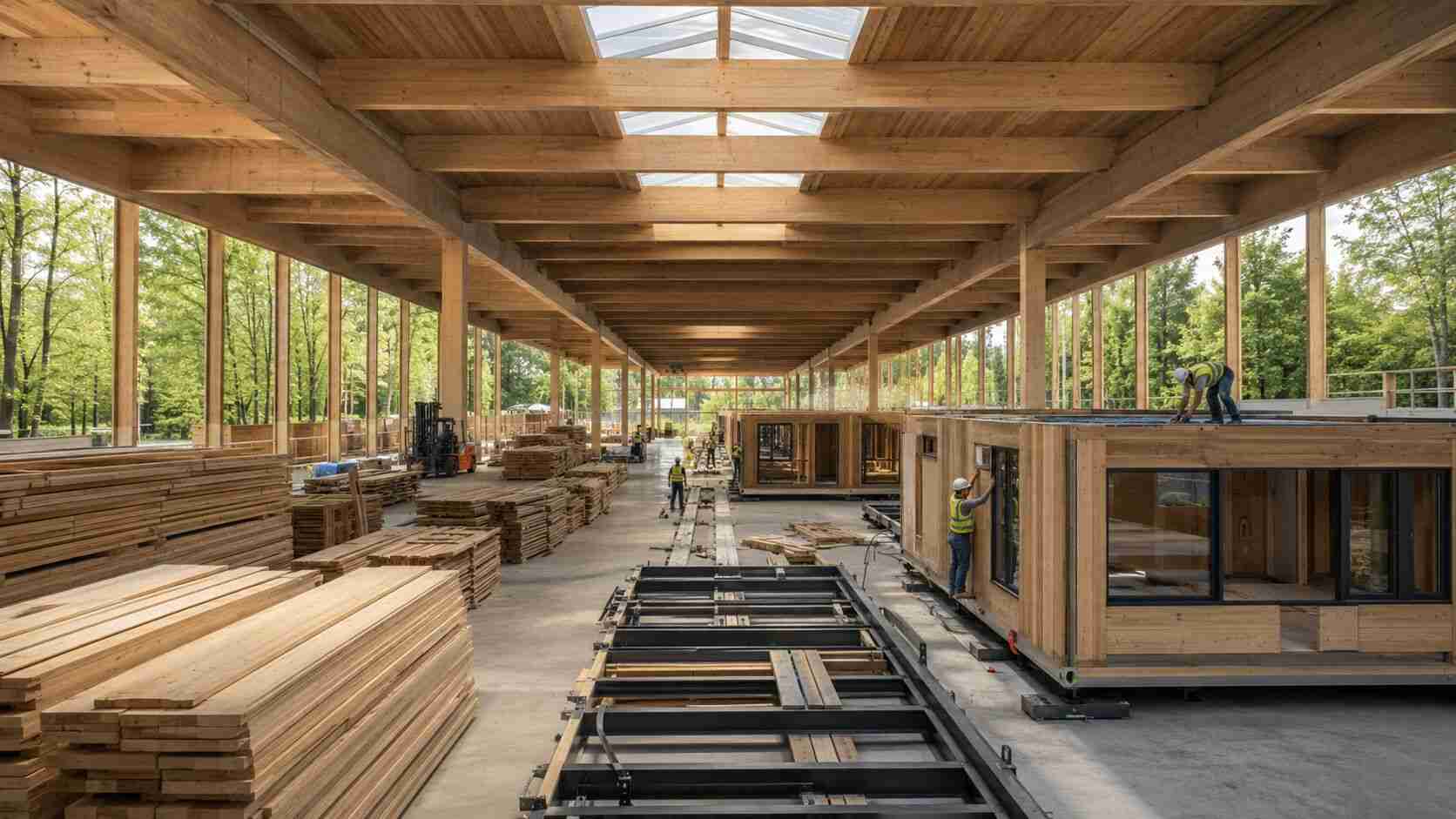
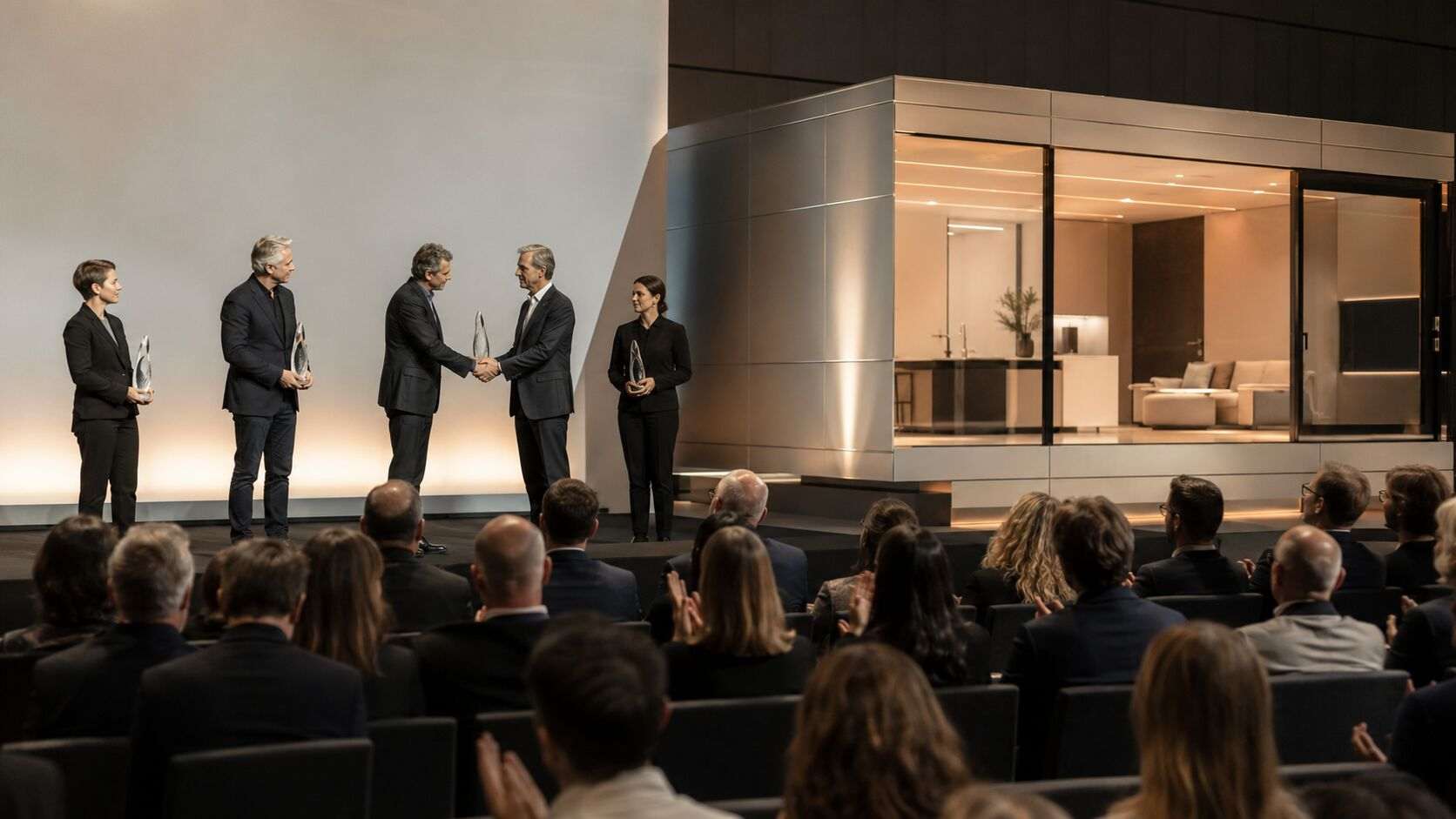
Modular Construction Supports Modern Electrical Equipment Manufacturing Facilities
International Electrotechnical Commission (IEC)
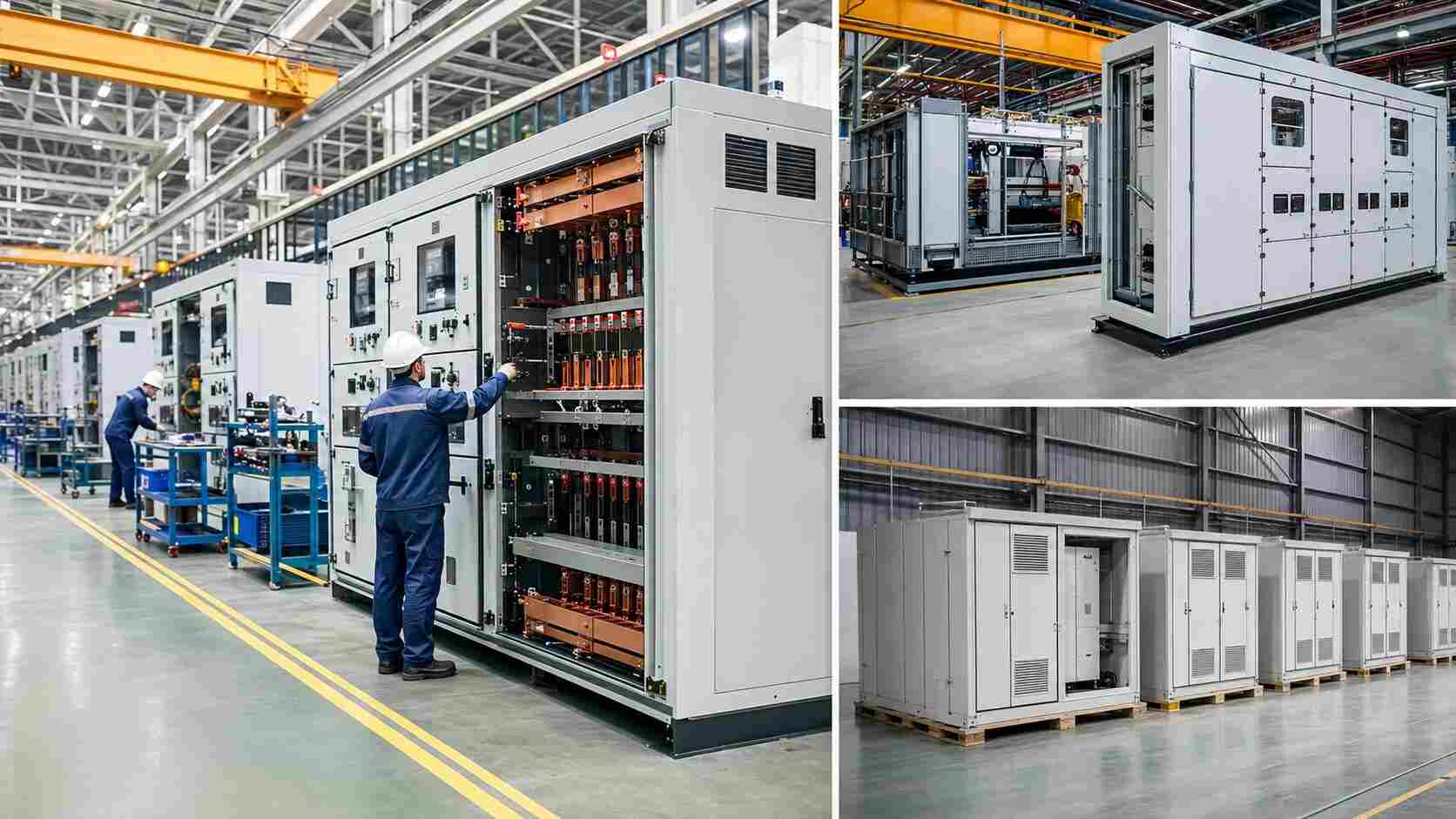
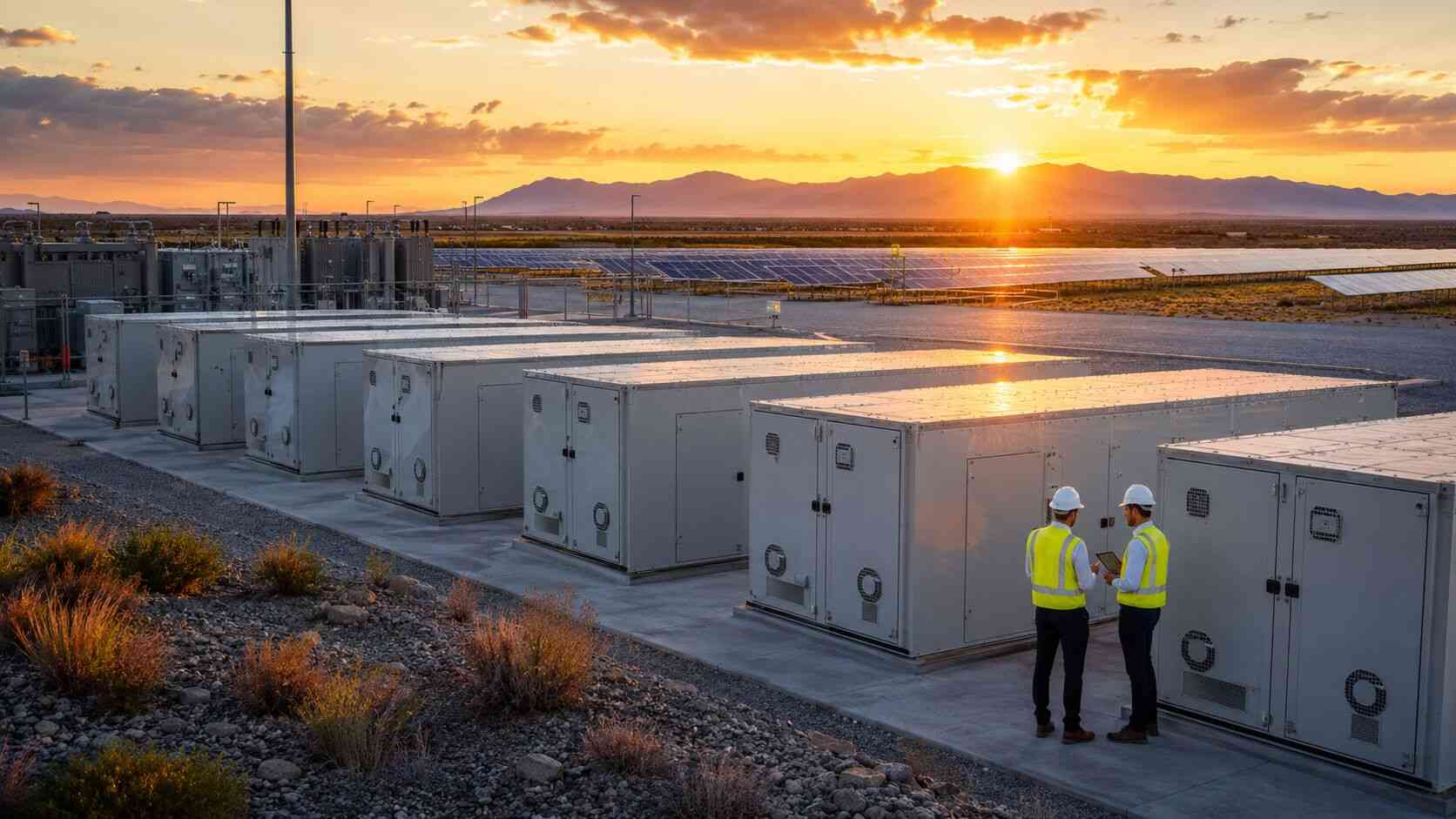
The expansion of transmission and distribution networks, renewable energy projects, and global electrification is driving demand for transformers, switchgear, power distribution equipment, and electrical control systems. Manufacturers are investing in new production facilities and expanding existing plants to support growing market needs.
In addition to production workshops, modern manufacturing campuses require testing laboratories, engineering centers, control buildings, logistics warehouses, administration offices, training facilities, and employee service buildings. Modular construction enables these support facilities to be manufactured off-site and installed rapidly while factory construction progresses.
As smart manufacturing, industrial IoT (IIoT), automation, and digital quality management become more common, modular buildings are providing manufacturers with efficient, scalable, and standardized infrastructure solutions.
Frequently Asked Questions (FAQ)
Q1: Why is modular construction suitable for electrical equipment manufacturing facilities?
Factory support buildings often need to be completed quickly alongside production lines. Modular construction shortens construction schedules, improves quality consistency, and reduces on-site work.
Q2: Which facilities can be modularized?
Typical applications include testing laboratories, engineering offices, control rooms, warehouses, administration buildings, training centers, maintenance workshops, and employee facilities.
Q3: What do international buyers usually evaluate?
International buyers typically assess structural durability, manufacturing quality, logistics planning, fire safety, environmental performance, project management, and compliance with industrial and local building standards.
Q4: What are the future trends?
Future developments are expected to include smart factories, AI-assisted manufacturing, digital quality management, automated logistics, energy-efficient industrial buildings, and modular factory expansion.