Modular Construction Supports the Development of Shore Power Infrastructure
International Maritime Organization (IMO)
Shore power, also known as cold ironing, enables ships to connect to the local electrical grid while berthed, allowing onboard diesel generators to be switched off. This helps reduce air pollution, greenhouse gas emissions, and noise in port areas, making shore power an important part of sustainable port development.
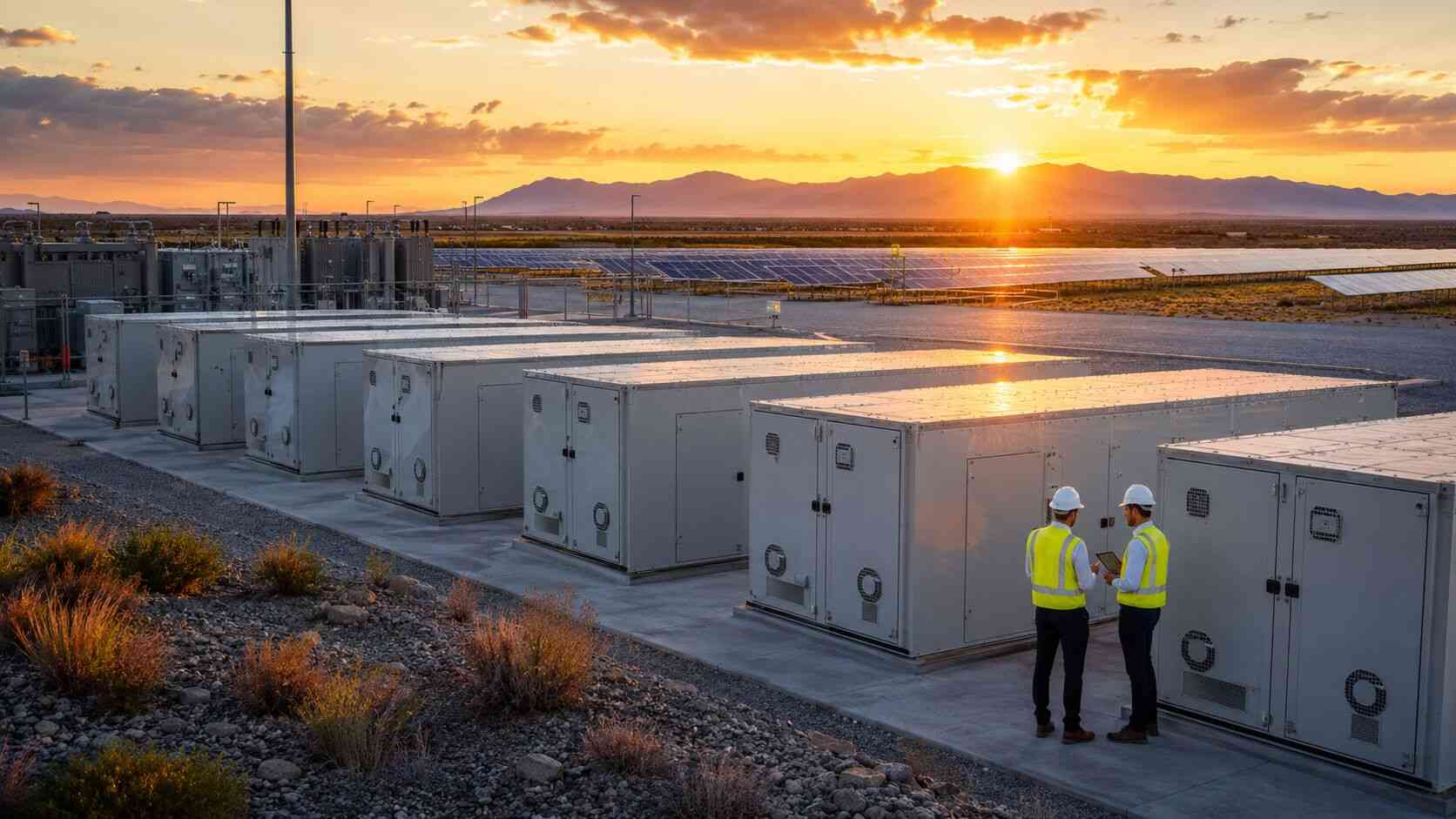
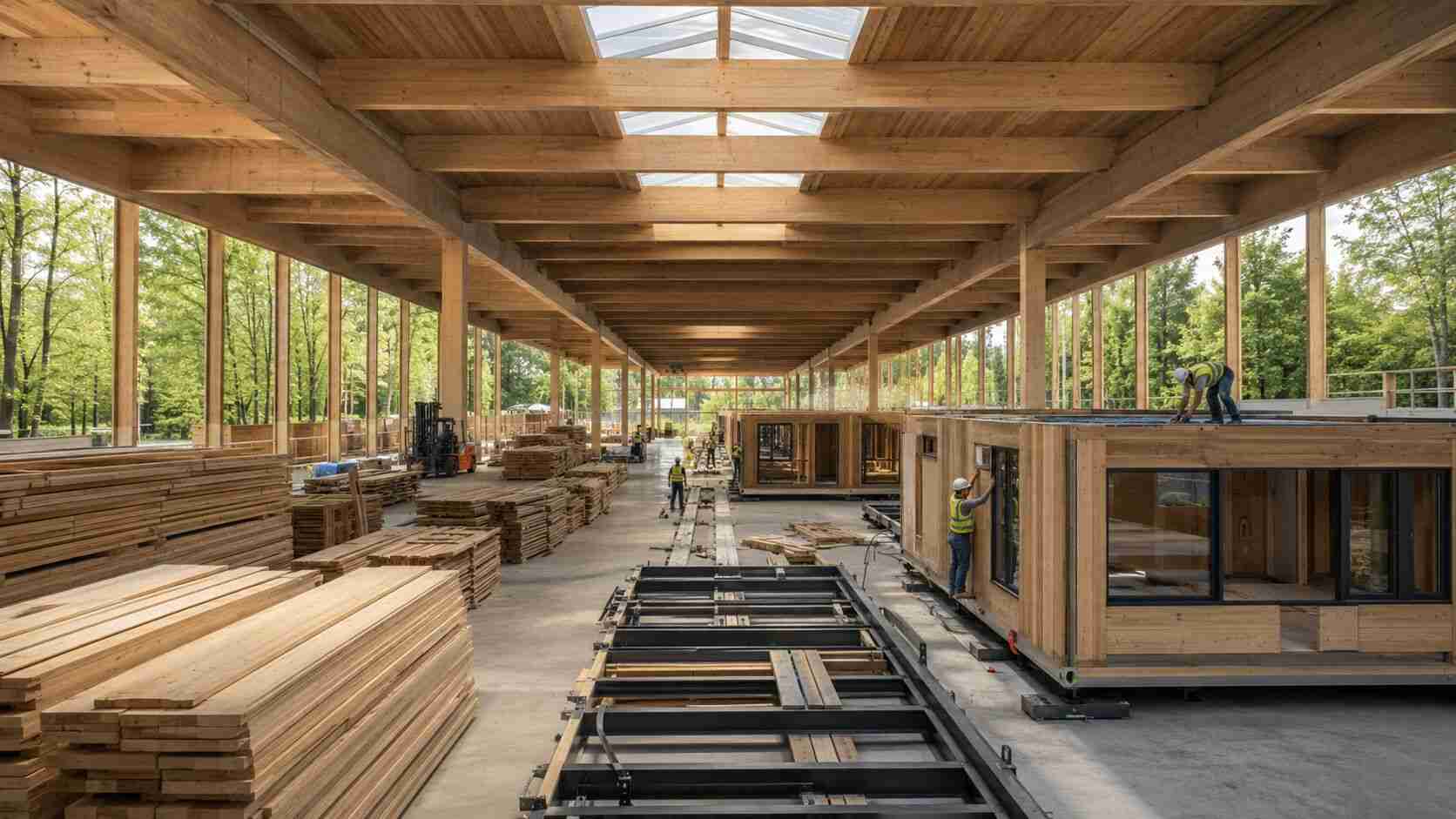
In addition to electrical connection equipment, shore power projects require supporting infrastructure such as control buildings, substations, electrical equipment rooms, communication facilities, monitoring centers, maintenance workshops, and administration offices. Modular construction allows these buildings to be factory-built and rapidly installed, minimizing disruption to active port operations.
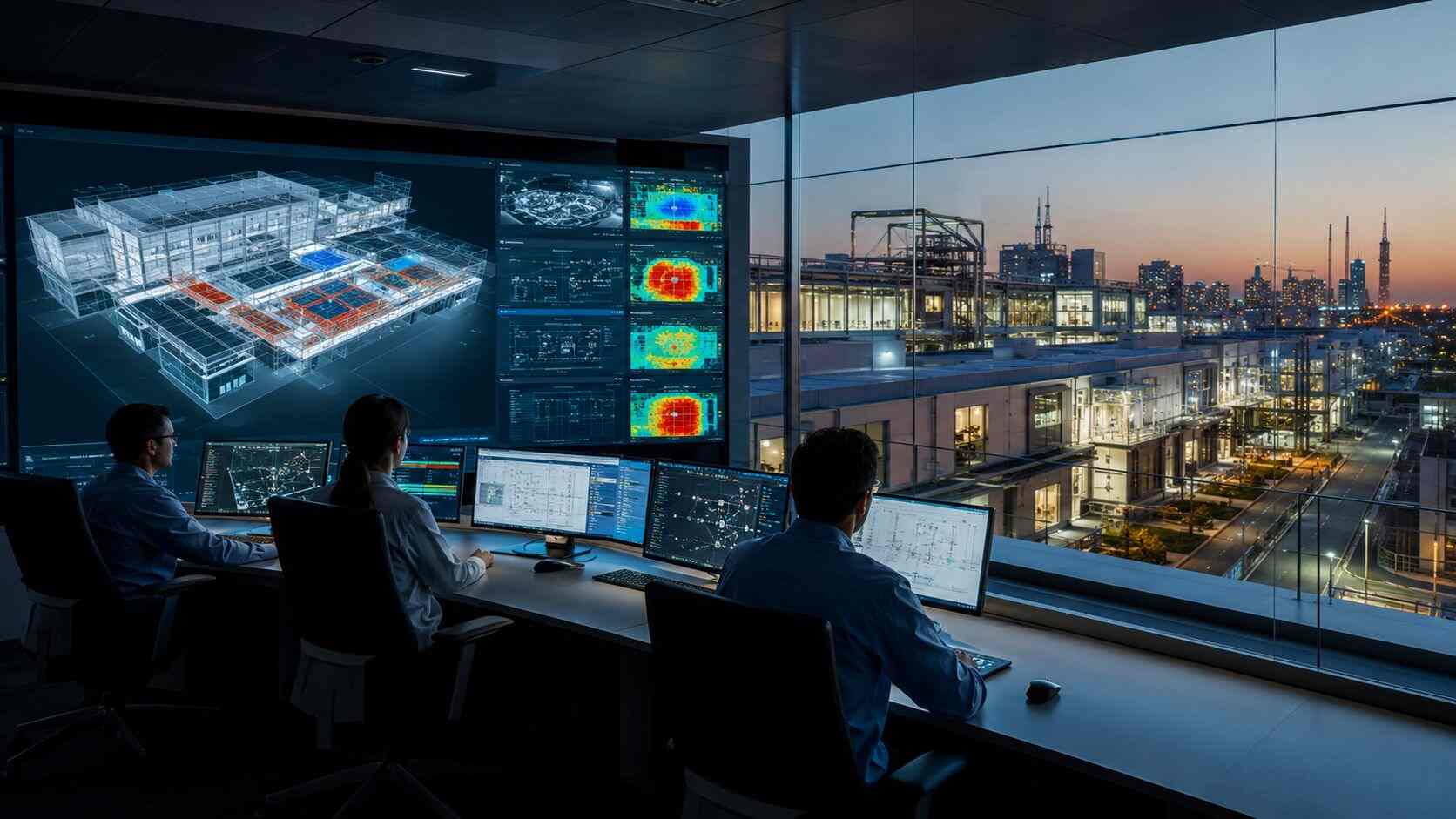
As ports continue adopting smart energy management systems, digital monitoring platforms, and automated operational technologies, modular construction is expected to play an increasingly important role in supporting efficient and sustainable shore power infrastructure.
Frequently Asked Questions (FAQ)
Q1: What is shore power?
Shore power is a system that supplies electricity from the local grid to ships while they are docked, allowing onboard engines and generators to be turned off during port stays.
Q2: Why is modular construction suitable for shore power projects?
Supporting facilities for shore power systems often require rapid installation with minimal disruption to port operations. Modular construction provides faster delivery, standardized quality, and easier future expansion.
Q3: What do international buyers usually evaluate?
International buyers typically assess structural durability, electrical integration, corrosion resistance, fire protection, environmental performance, quality management, transportation planning, and compliance with applicable maritime and electrical standards.
Q4: What are the future trends?
Future developments are expected to include higher-capacity shore power systems, renewable energy integration, digital energy management, smart port connectivity, automated monitoring, and modular expansion for growing port demand.