Design for Disassembly (DfD) Enhances Circularity in Modular Construction
Ellen MacArthur Foundation
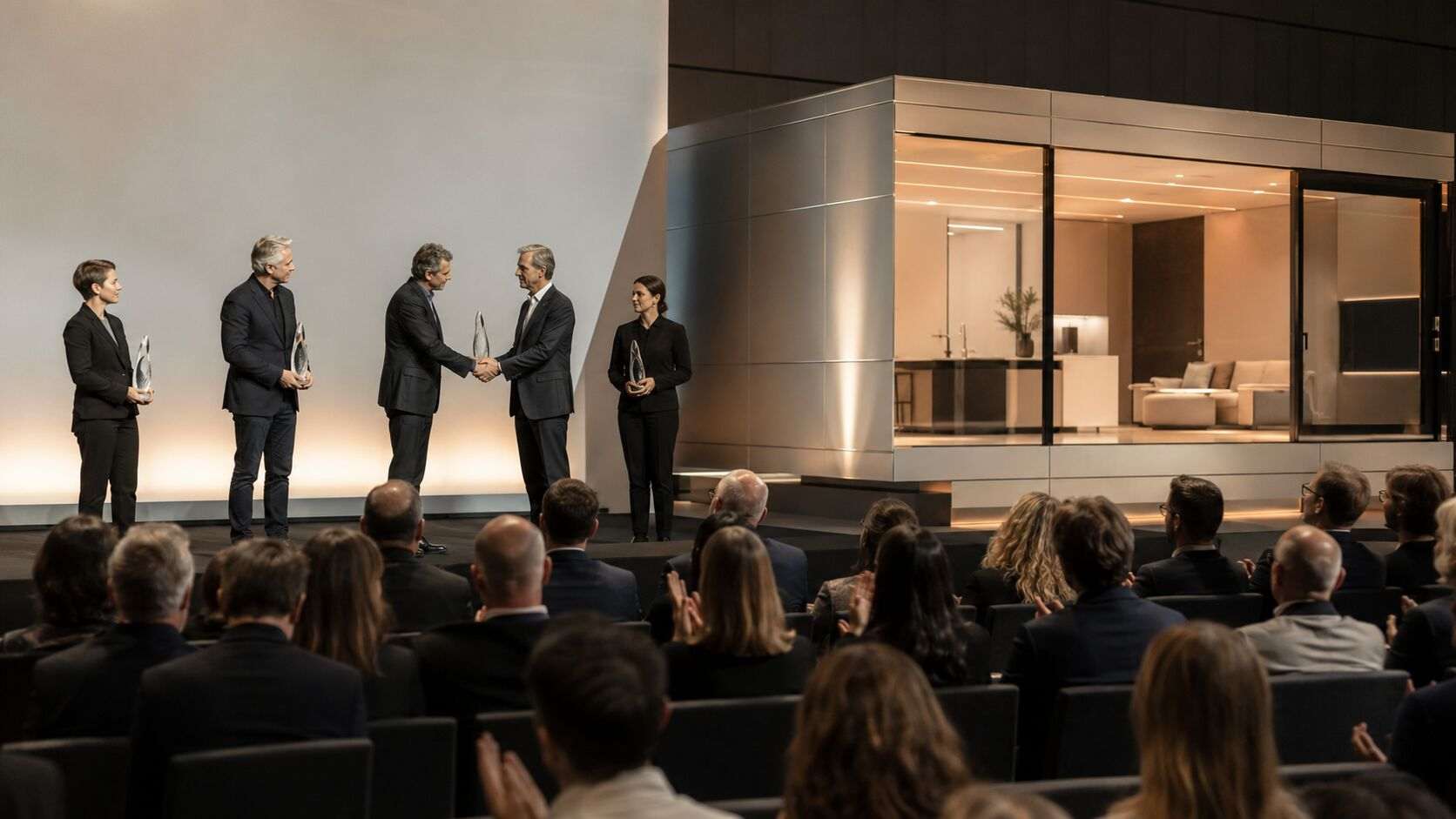
Design for Disassembly (DfD) is an engineering approach that considers future dismantling, maintenance, refurbishment, relocation, and material recovery during the earliest stages of project design. Instead of treating demolition as the final stage of a building's lifecycle, DfD enables components to be removed efficiently and reused in future applications.
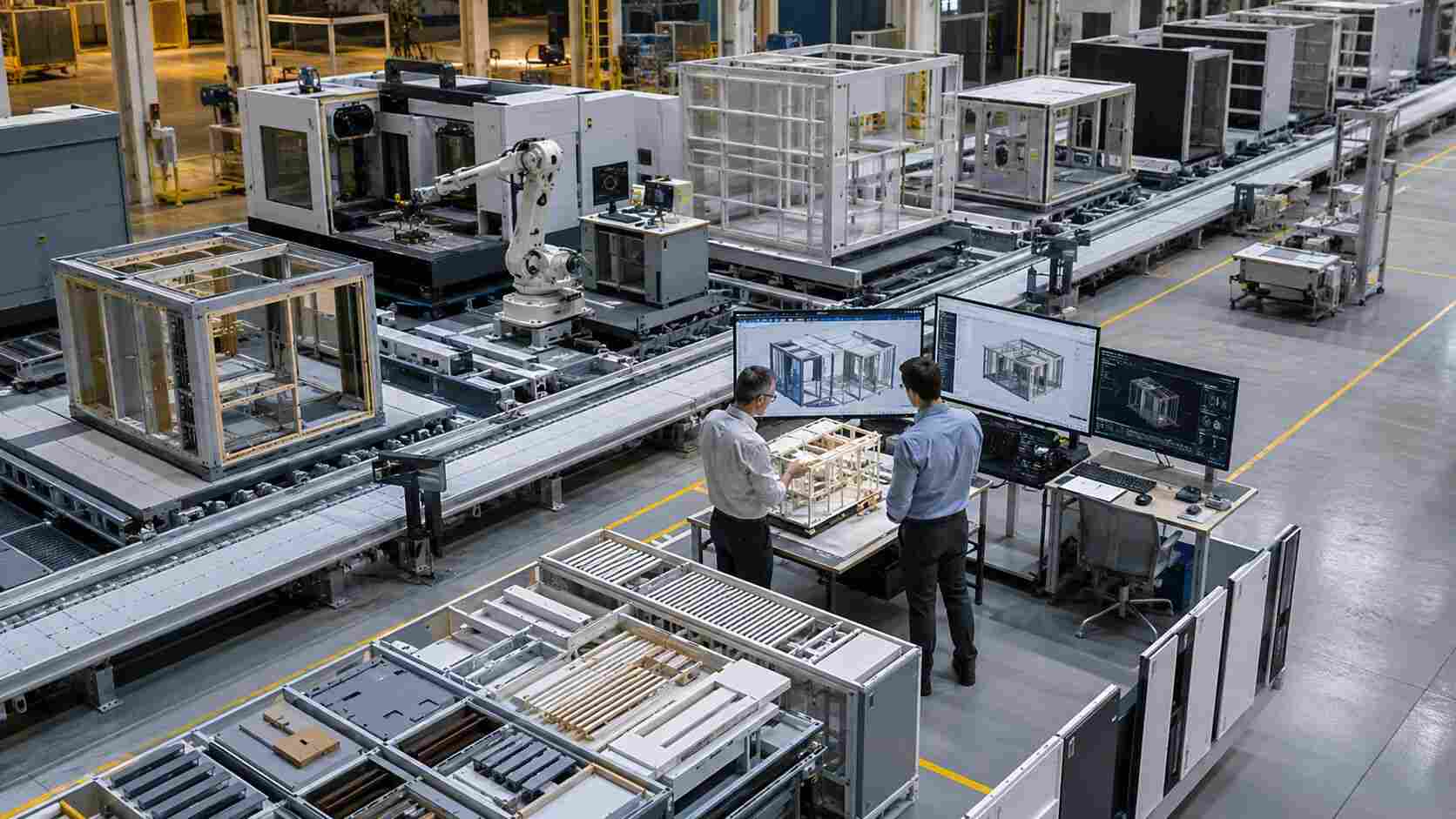
Modular construction is particularly well suited to DfD because factory-built components are standardized and assembled using repeatable connection systems. By incorporating detachable joints, standardized interfaces, and reusable structural elements, project teams can reduce demolition waste, improve material recovery, and extend the useful life of building components.
As circular construction practices continue to evolve, DfD is increasingly integrated with BIM, Digital Product Passports (DPP), Digital Twins, and material tracking systems. These technologies support better asset management, resource efficiency, and long-term sustainability across modular construction projects.
Frequently Asked Questions (FAQ)
Q1: What is Design for Disassembly (DfD)?
DfD is a design methodology that enables buildings and components to be dismantled efficiently so they can be reused, refurbished, or recycled instead of being discarded.
Q2: Why is DfD important in modular construction?
Modular buildings use standardized factory-built components that can be designed for easier removal, relocation, maintenance, and reuse, helping reduce waste and improve sustainability.
Q3: What do international buyers usually evaluate?
Buyers commonly assess connection systems, component reusability, lifecycle performance, material traceability, maintenance accessibility, environmental impact, and compliance with sustainable building standards.
Q4: What are the future trends?
Future developments are expected to include reusable structural systems, circular material platforms, BIM-enabled lifecycle planning, Digital Product Passports, AI-assisted lifecycle optimization, and higher levels of building adaptability.

 Enhances Circularity in Modular Construction)