Modular Data Centers Accelerate Global Digital Infrastructure Development
Uptime Institute
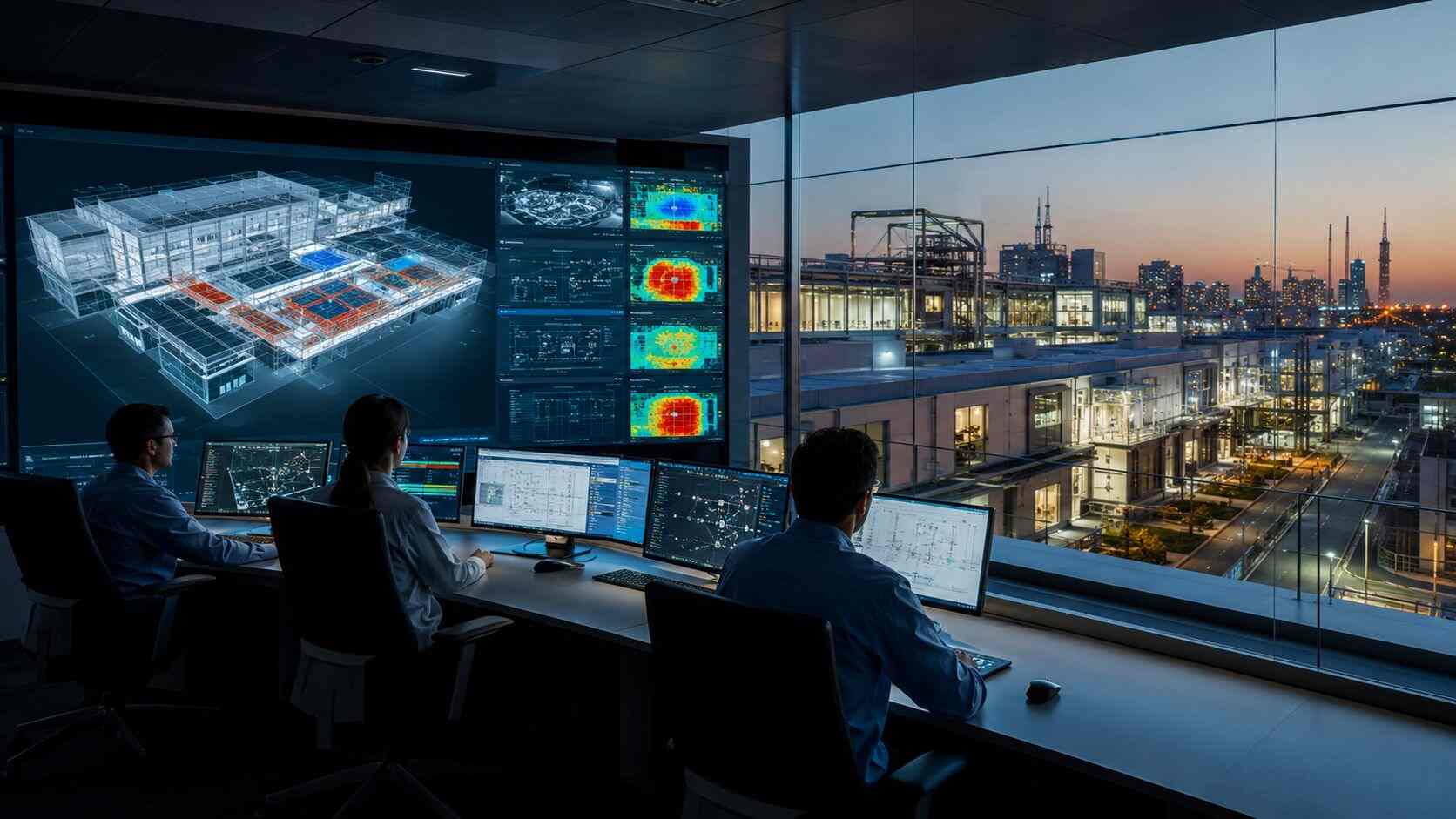
Data centers provide the computing infrastructure that supports cloud services, artificial intelligence, big data analytics, and digital communications. As computing demand continues to increase, organizations are seeking faster and more flexible deployment methods, making modular construction an attractive solution.
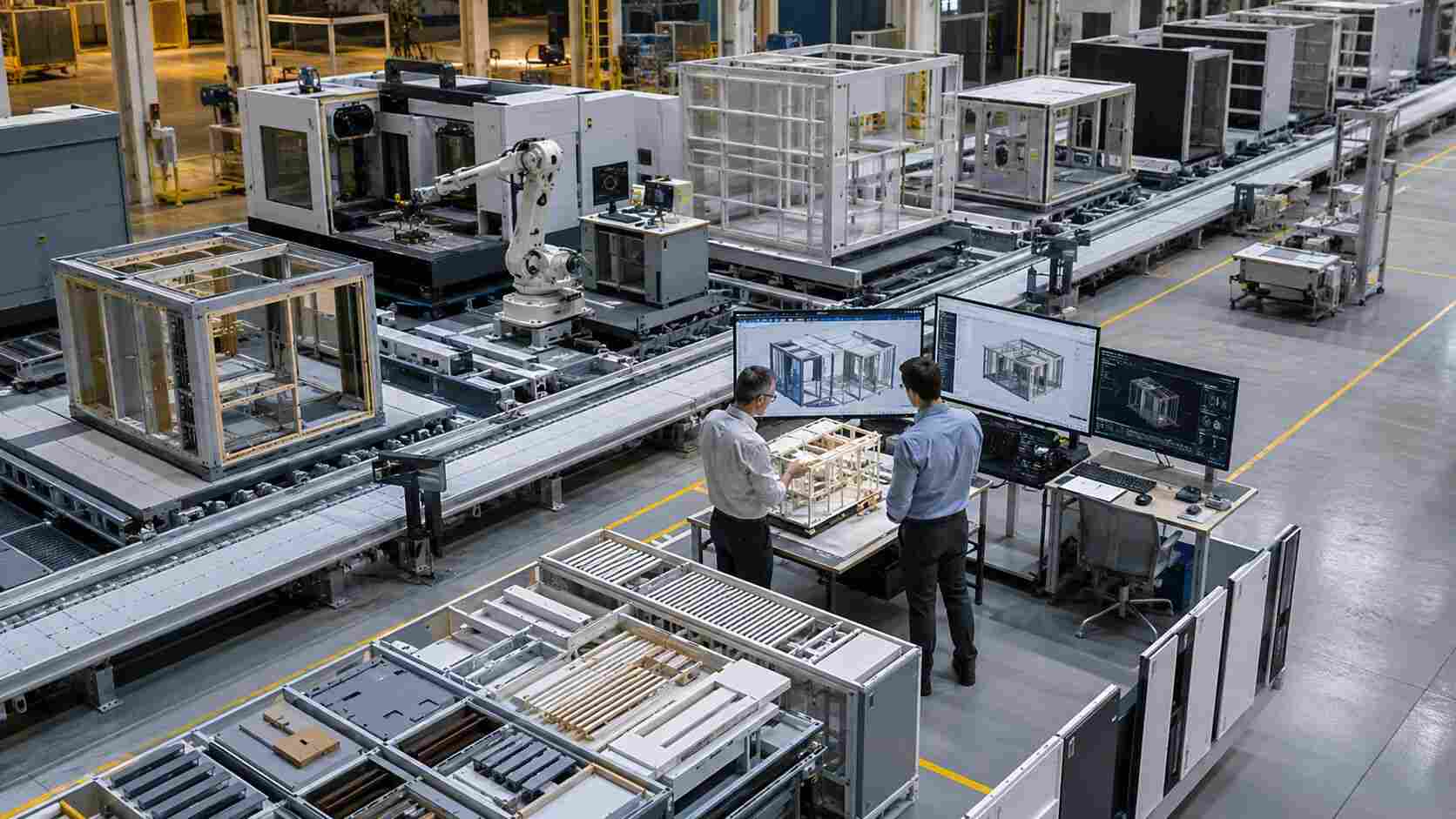
Modular data centers integrate server rooms, electrical systems, cooling equipment, monitoring systems, and support facilities into factory-built modules that are tested before delivery. This approach reduces construction time, improves quality control, and simplifies future capacity expansion.
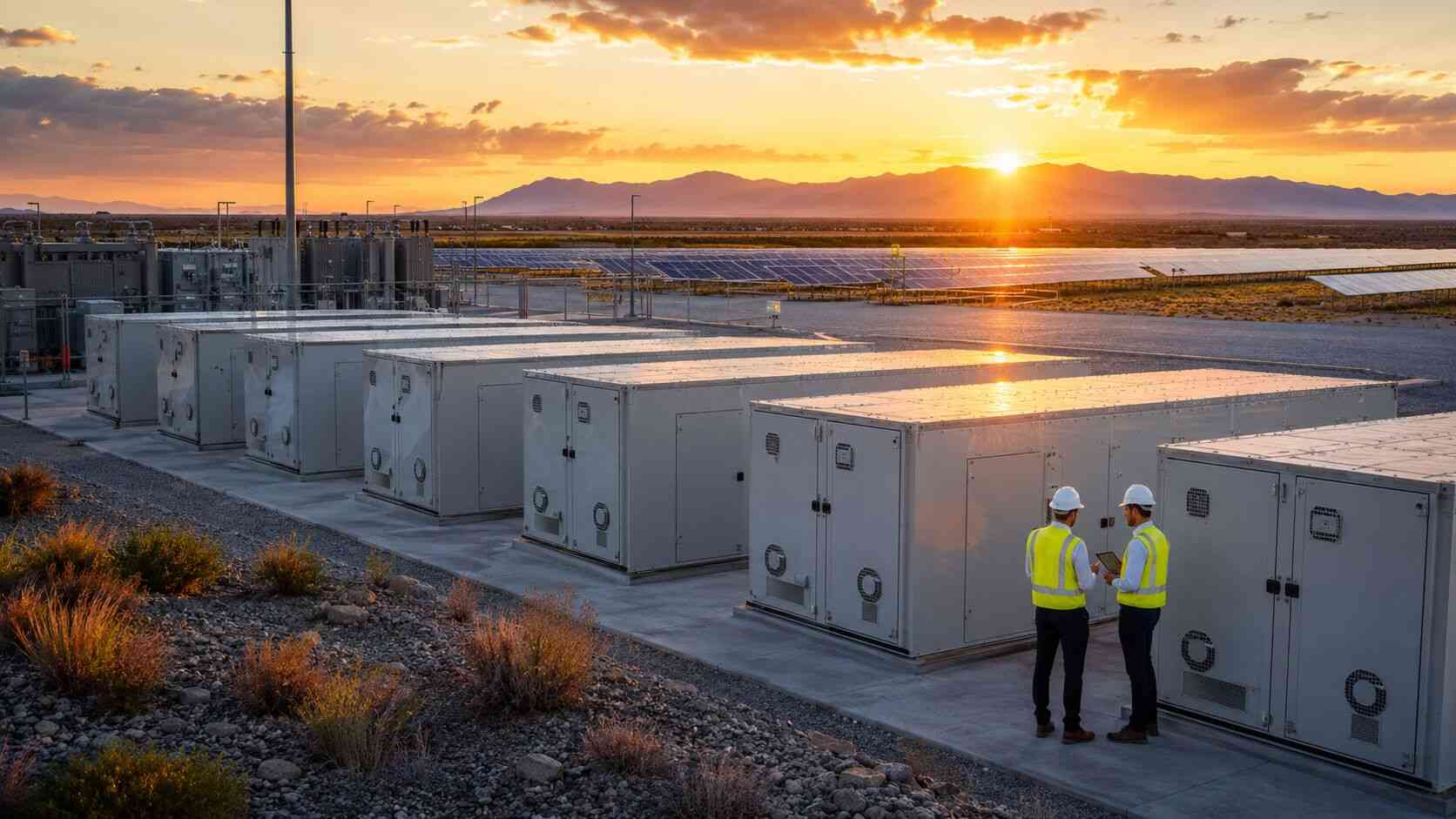
With advances in liquid cooling, high-density computing, intelligent energy management, and digital operations platforms, modular data centers are evolving rapidly. As AI workloads continue to expand, factory-built infrastructure is expected to play a larger role in meeting global computing demand.
Frequently Asked Questions (FAQ)
Q1: Why are modular data centers becoming more popular?
They enable faster deployment, standardized construction, flexible expansion, and reduced on-site work, helping organizations respond quickly to growing computing demand.
Q2: Which facilities can be delivered using modular construction?
Applications include server rooms, electrical equipment buildings, UPS rooms, cooling plants, network operation centers, maintenance facilities, and administration offices.
Q3: What do international buyers usually evaluate?
International buyers typically assess power reliability, cooling performance, structural quality, fire protection, energy efficiency, factory testing, scalability, and compliance with local data center standards.
Q4: What are the future trends?
Future developments are expected to include AI-ready infrastructure, liquid cooling technologies, modular edge data centers, renewable energy integration, intelligent operations, and higher-density computing environments.