Digital Twin Technology Enhances Lifecycle Management in Modular Construction
National Institute of Standards and Technology (NIST)
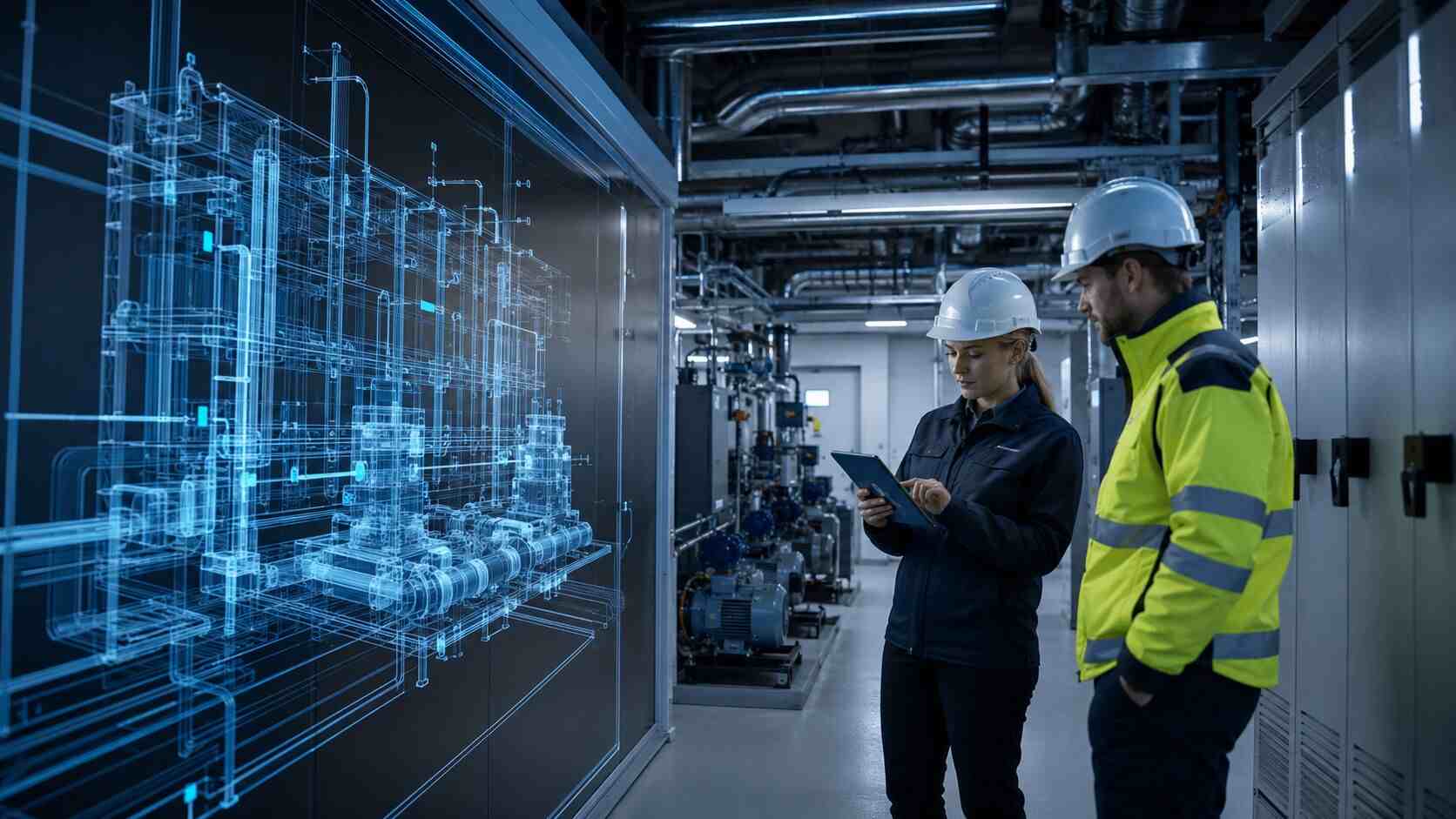
A Digital Twin is a dynamic digital representation of a physical asset that integrates design information, manufacturing data, operational records, and real-time performance data throughout the building lifecycle.
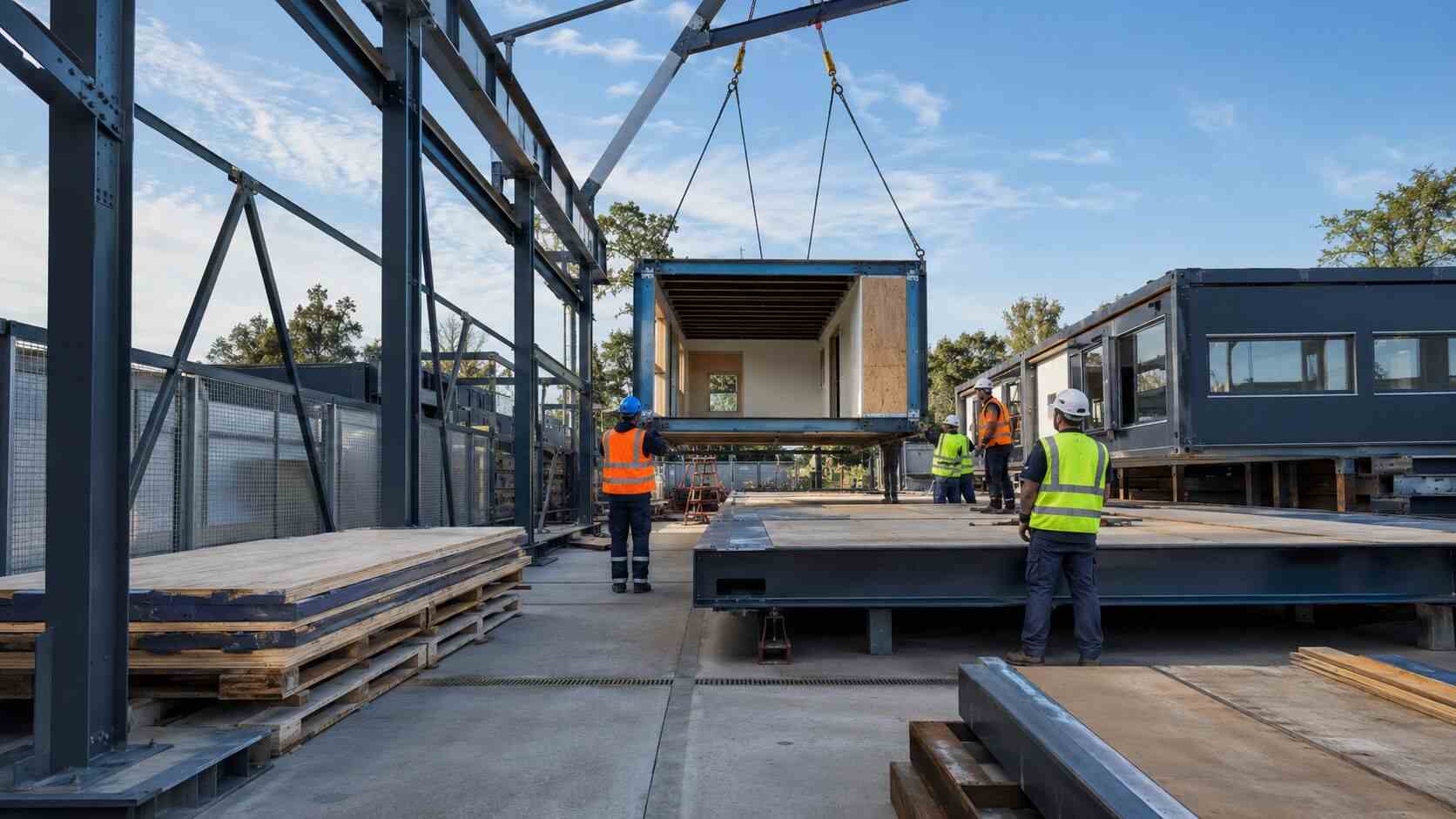
In modular construction, Digital Twins can work alongside BIM platforms, factory production systems, logistics management tools, and facility management software. This integration helps monitor manufacturing progress, coordinate transportation, improve installation planning, and support long-term building operation and maintenance.
As artificial intelligence, IoT, cloud computing, and advanced analytics continue to evolve, Digital Twin technology is expected to improve project transparency, predictive maintenance, asset management, and operational efficiency across a wide range of modular construction projects.
Frequently Asked Questions (FAQ)
Q1: What is a Digital Twin?
A Digital Twin is a digital representation of a physical building or asset that continuously integrates design, manufacturing, construction, and operational data throughout its lifecycle.
Q2: How does Digital Twin technology benefit modular construction?
It improves coordination between project teams, enhances production visibility, supports predictive maintenance, optimizes logistics, and enables more informed decision-making during both construction and facility operation.
Q3: What should international buyers evaluate?
Buyers should assess whether suppliers can integrate BIM, manufacturing data, quality records, and facility management systems into a unified digital workflow. Strong digital capabilities can improve project efficiency and long-term asset performance.
Q4: What are the future trends?
Future developments are expected to include AI-assisted analytics, IoT-enabled monitoring, cloud-based collaboration platforms, automated quality management, and deeper integration between Digital Twins and smart building technologies.